If you’ve had a chance to read my article on how CONNETIX tiles support cognitive development (and if you haven’t, it’s worth a scroll – think brain science meets LEGO on steroids), you’ll know I’m a firm believer in the power of play. Not the “sit quietly with a worksheet” kind, but the “crash, rebuild, collaborate and narrate your world like a tiny architect-philosopher” kind.
Today, we’re building on that idea (pun very much intended), by exploring how these same colourful, clicky tiles can help support your child’s communication strategies. And no, I don’t mean getting them to say please before demanding snacks.
Let’s talk about talking. And how magnetic tiles can be one of the best tools in your parenting toolbox for supporting it.
So, What Are Communication Strategies?
Communication strategies are the mental blueprints our kids use to express themselves and connect with others. They include everything from:
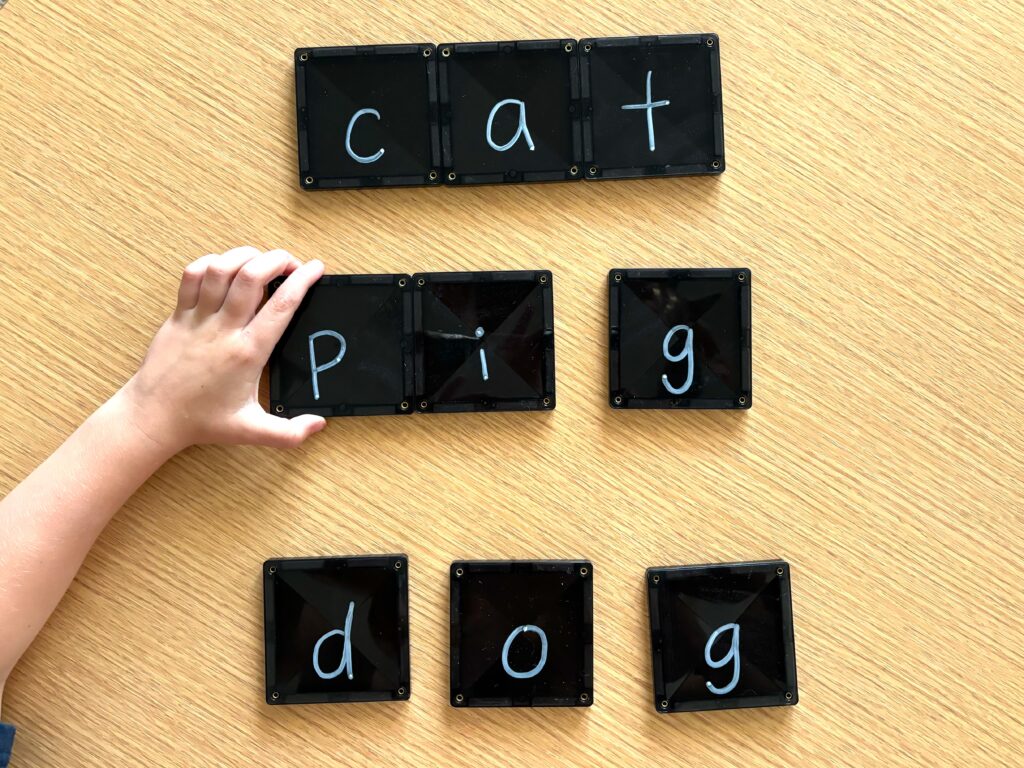
- Using and understanding words (receptive and expressive language)
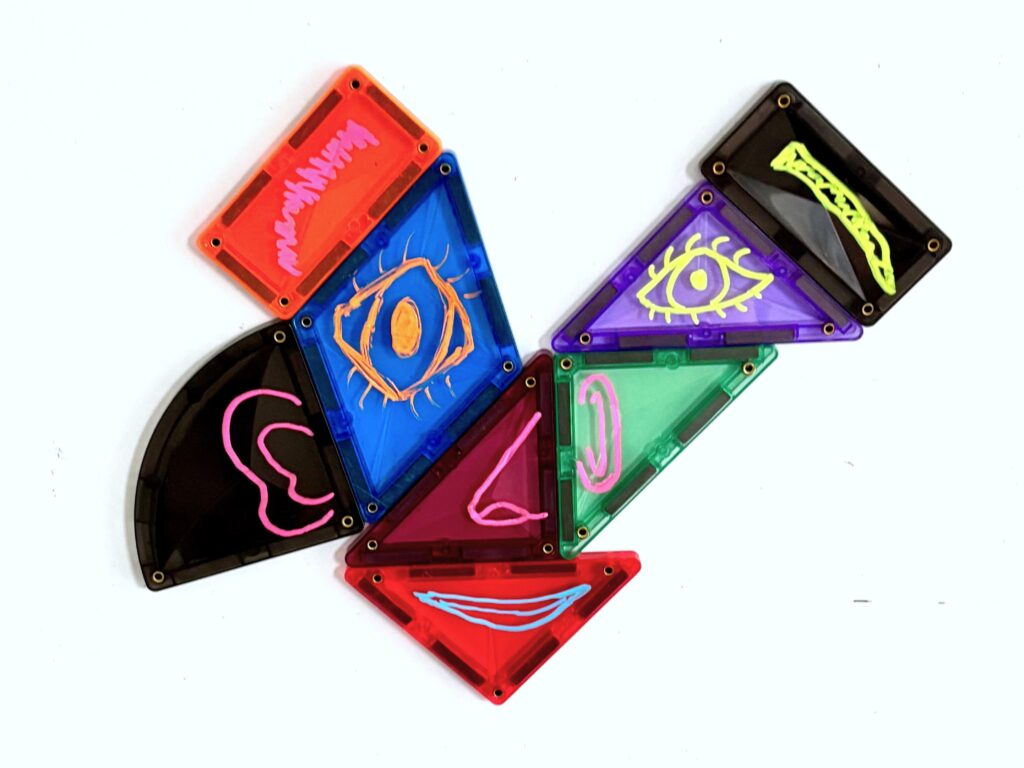
- Non-verbal cues like eye contact, facial expressions and gestures
- Turn-taking in conversations
- Repairing breakdowns in communication (“Wait, you meant that treehouse?”)
- Negotiating meaning (“You be the builder; I’ll be the boss. Actually, I’m the boss and the builder.”)
Communication is more than vocabulary lists and sound drills. It’s about connection. It’s about relationships. It’s about saying “Look at this!” and trusting someone will look.
Why Communication Is Core to MESH (Mental, Emotional, Social Health)
Let’s bring in our trusty MESH framework for a moment:
- Mental health: Communication is a thinking skill. Kids learn to label their experiences, ask for help and describe how they feel. That language builds self-awareness; and that’s a foundation for mental wellbeing.
- Emotional health: Ever seen a toddler in full meltdown because they can’t find the words? When children can express needs or frustrations, they’re more likely to regulate, not rage.
- Social health: From collaborative play to conflict resolution, communication is the currency of social success. Kids don’t just need friends, they need the tools to keep them.
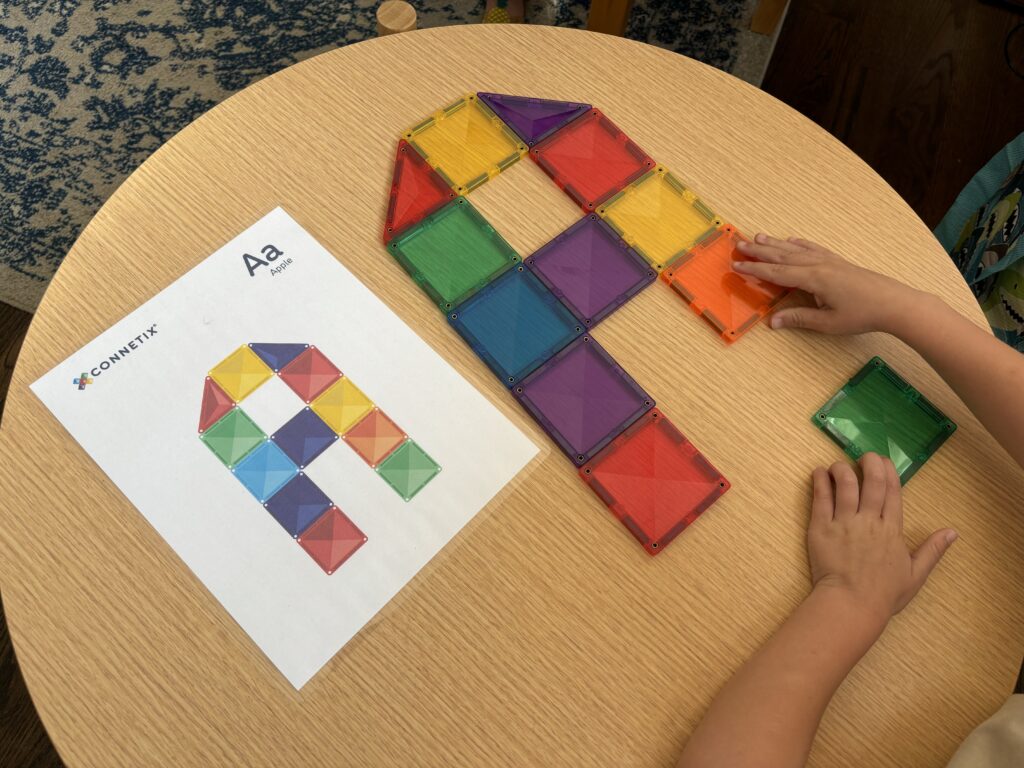
So, how do we foster these skills without flashcards or scripted sentences?
Let’s talk tiles.
Why CONNETIX Are Communication Gold
There’s something magical about open-ended toys. Magnetic tiles don’t come with a rule book, they come with endless possibilities. And that’s exactly what makes them communication boosters.
Here’s how CONNETIX supports communication naturally:
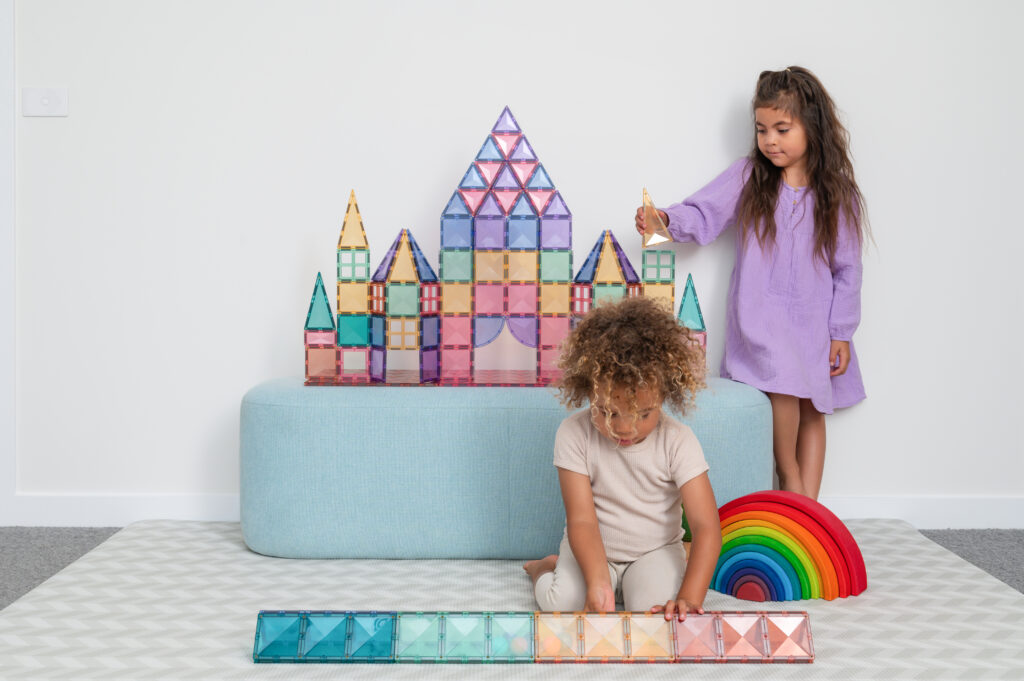
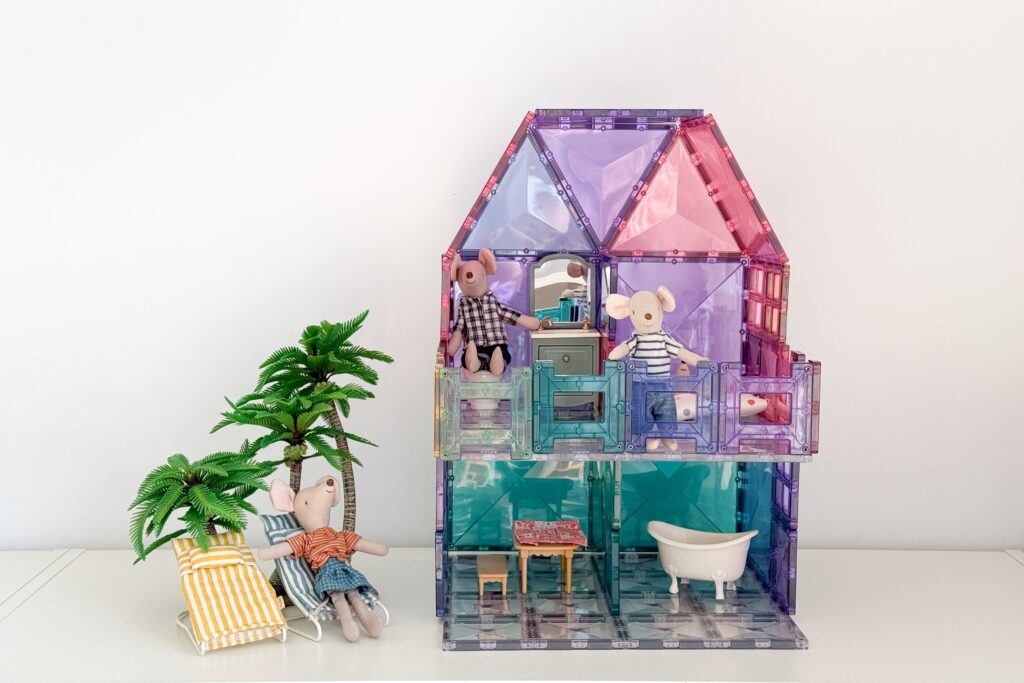
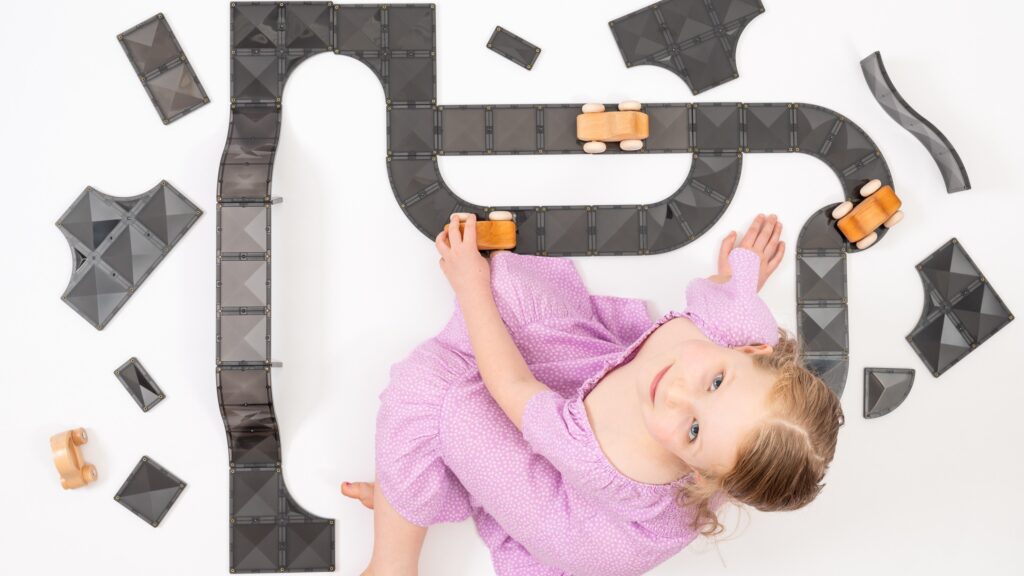
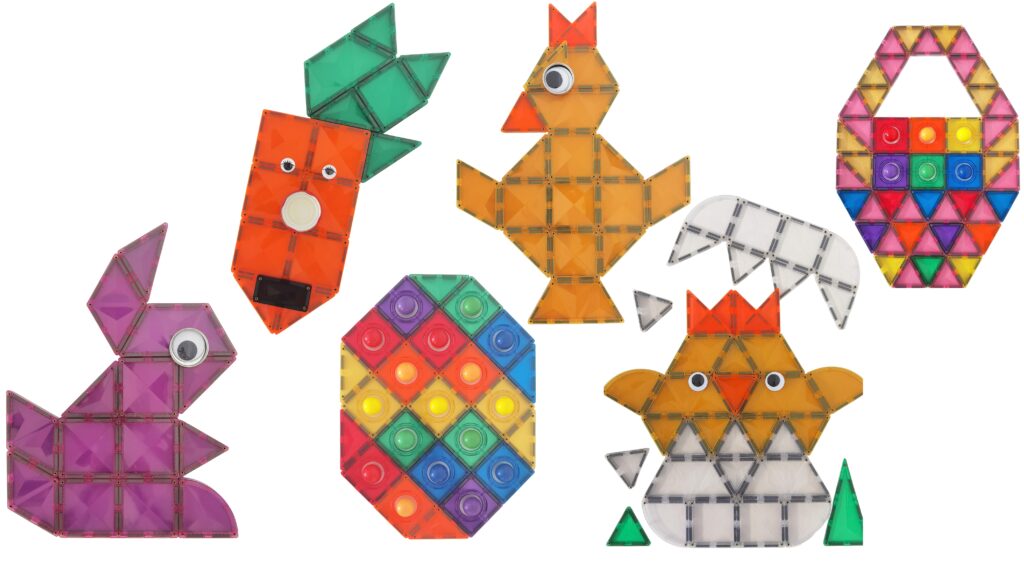
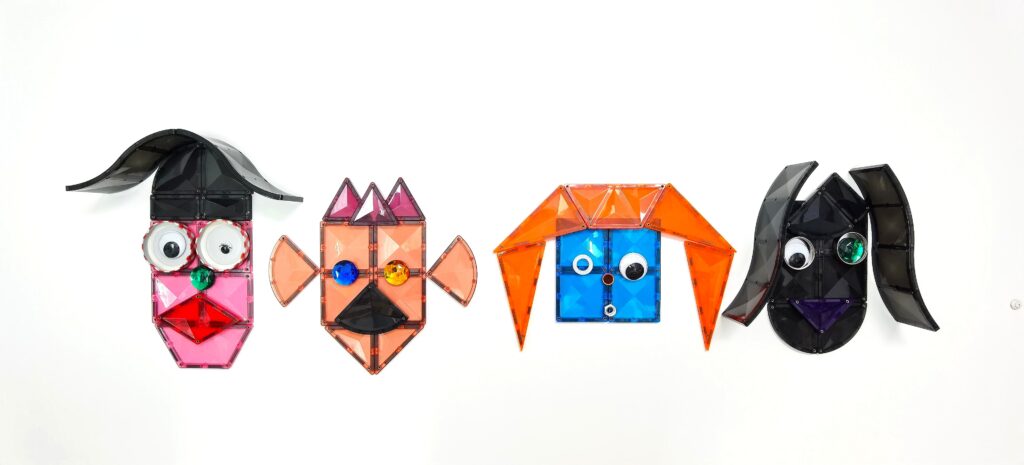
- They spark imagination: Kids narrate their builds, assign roles and invent stories.
- They create shared focus: Two kids staring at the same tile tower? That’s joint attention aka a huge win for communication.
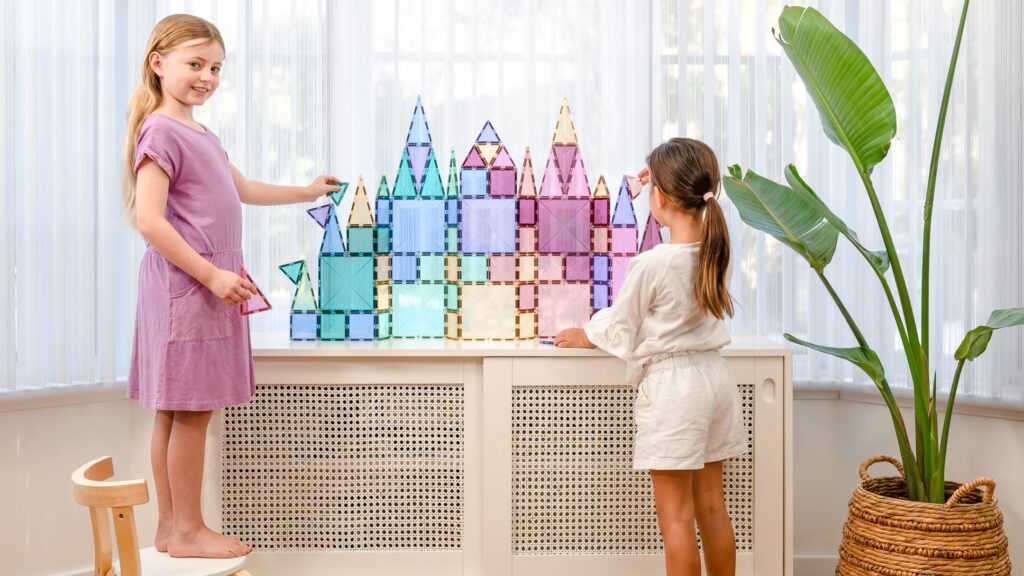
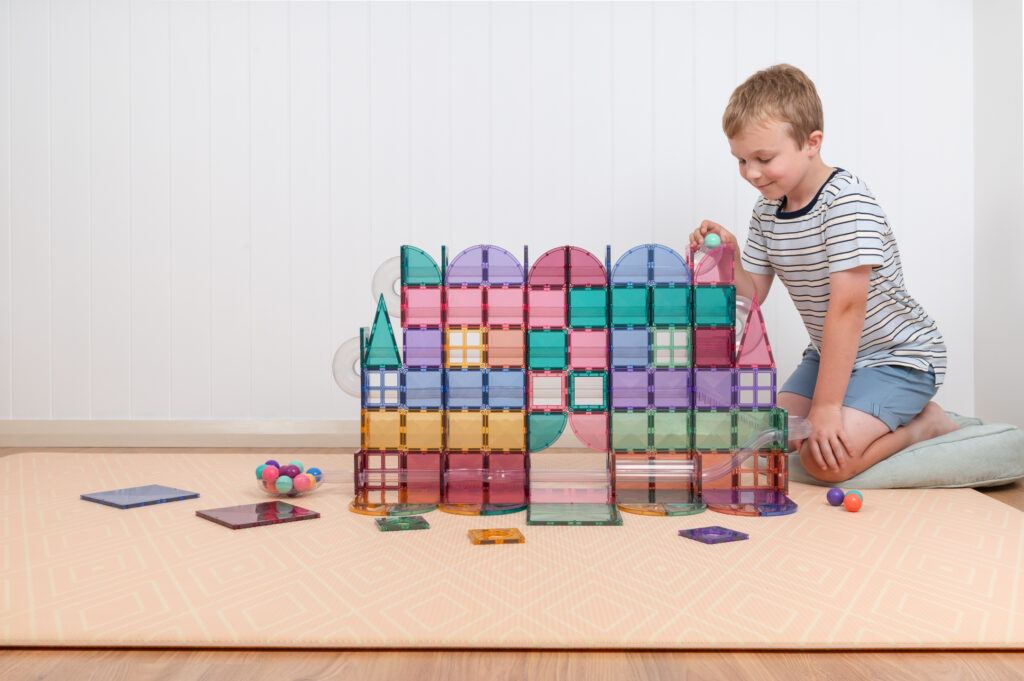
- They invite collaboration: Building together = taking turns, asking questions, explaining ideas, and (inevitably) negotiating when someone takes your green triangle.
- They demand problem-solving: And solving problems out loud builds vocabulary, structure and confidence.
The best part? Your child thinks they’re “just playing.” But their brain is throwing a language party.
Play Ideas to Boost Communication (No Speech Therapist Hat Required)
Let’s get practical. Here are five easy play ideas you can try with your child using CONNETIX – each one designed to sneak in rich communication opportunities while keeping the vibe playful and low-pressure.
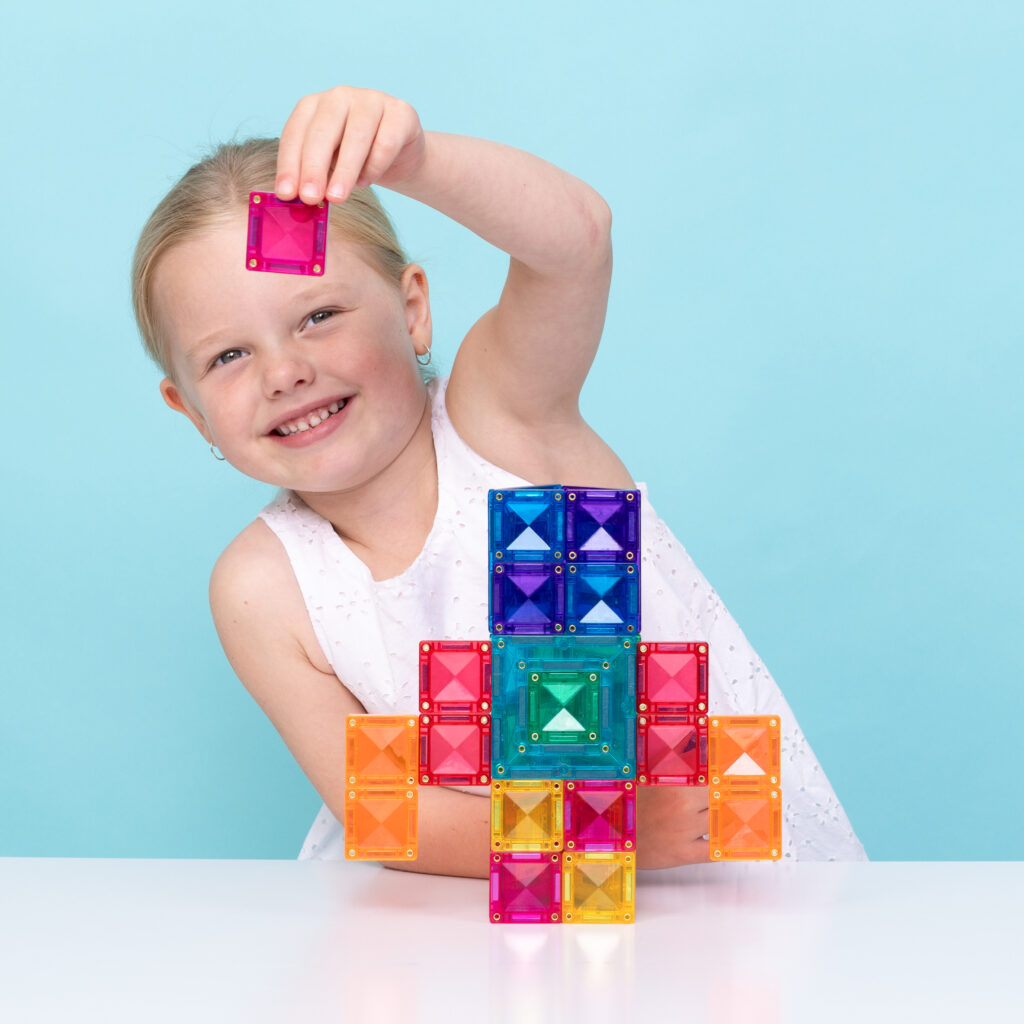
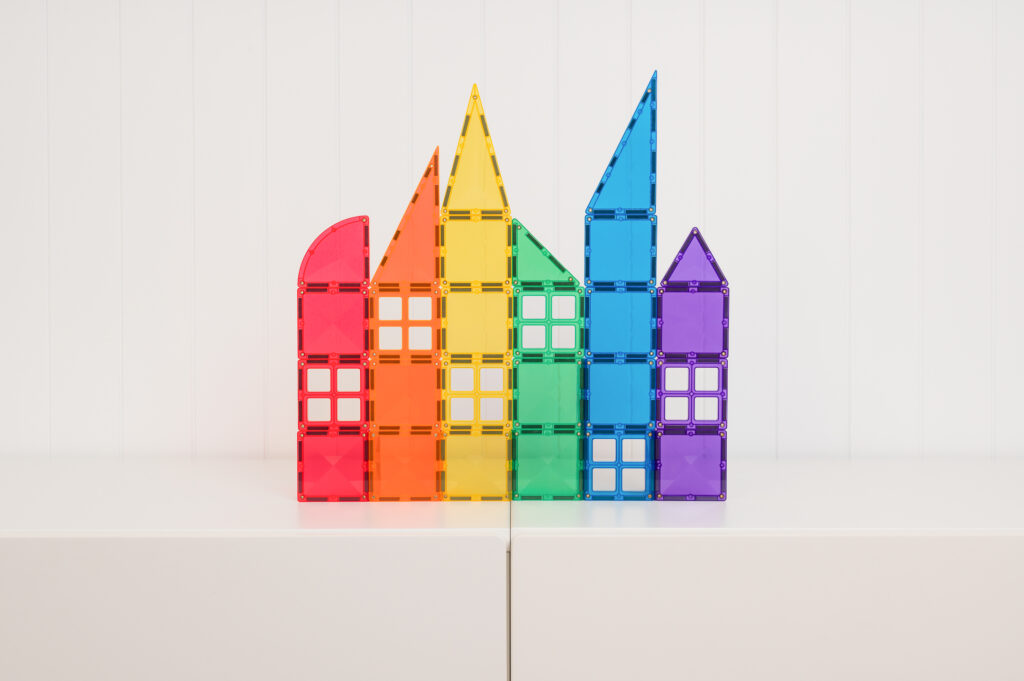
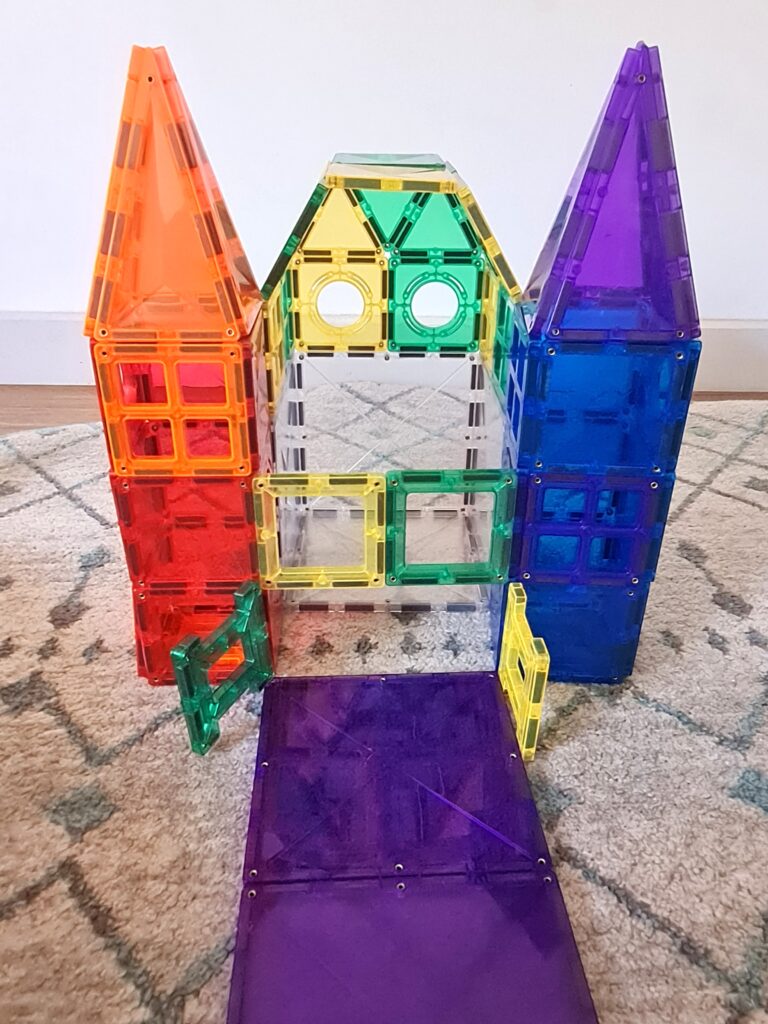
1. Build & Tell
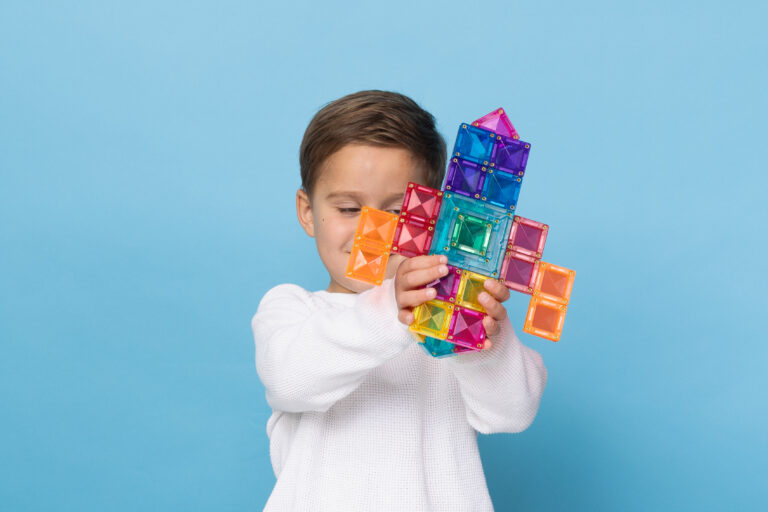
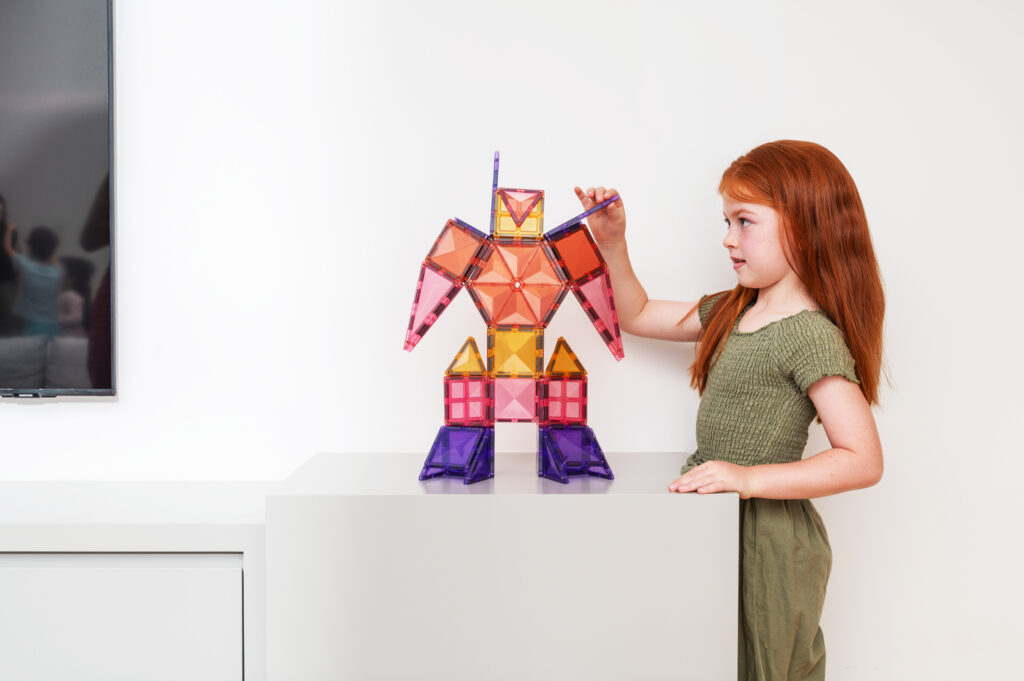
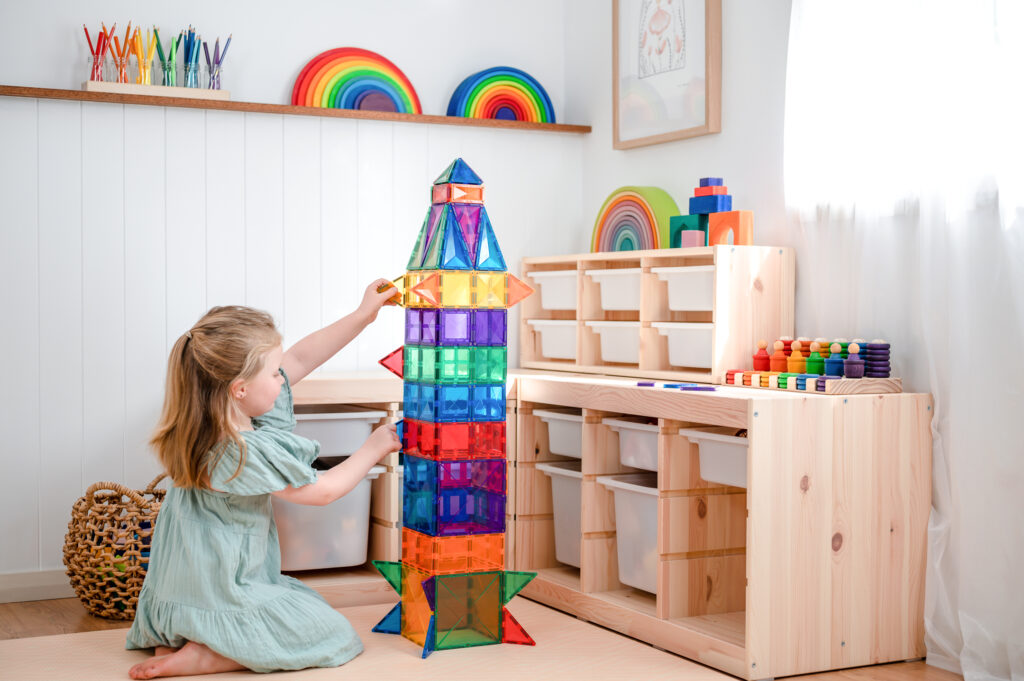
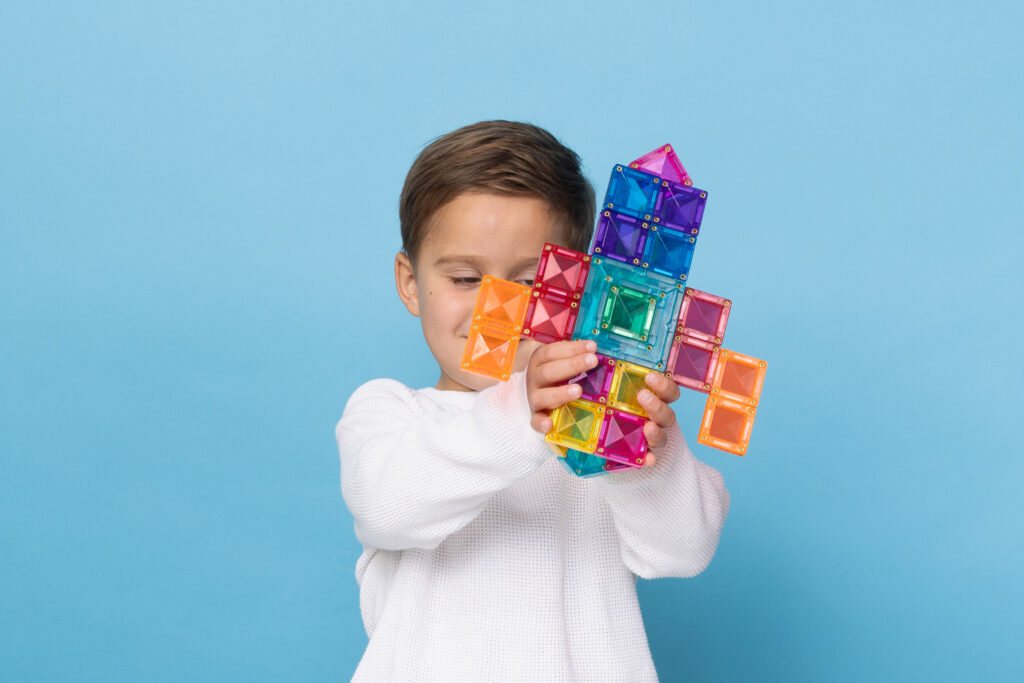
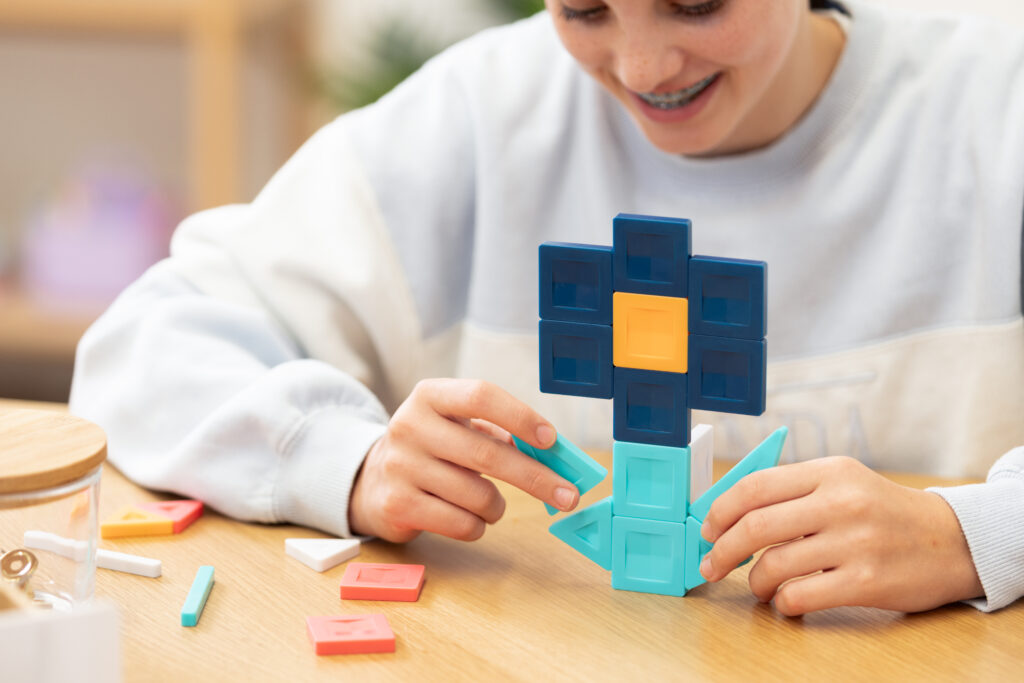
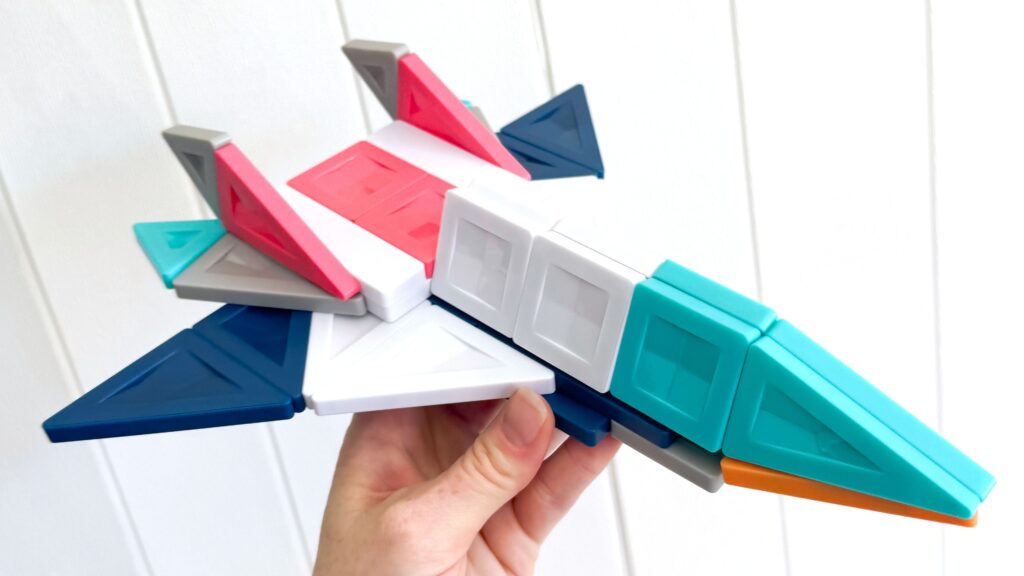
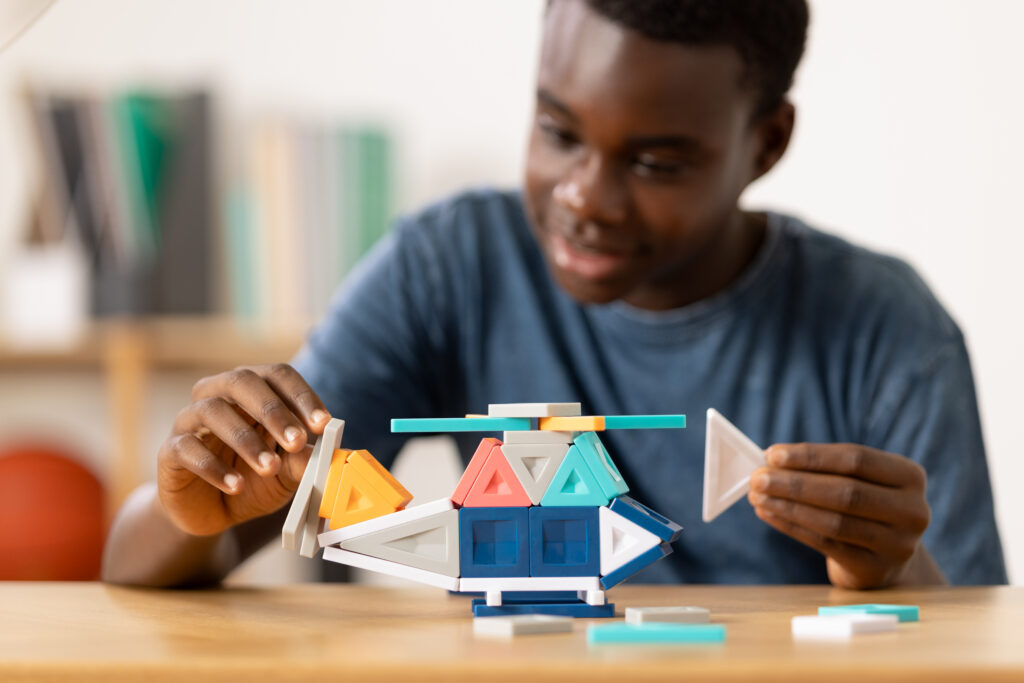
Play Idea: Build something together: a house, zoo, spaceship and narrate the process.
Language to use:
- “What are you building today?”
- “Tell me about this part, is it the door or the garage?”
- “That’s a great idea! Can I add something too?”
Why it works: You’re modelling expressive language while encouraging your child to label, explain and imagine. This also boosts narrative skills: the building blocks (pun again) of storytelling and sequencing.
2. Role-Play Builders
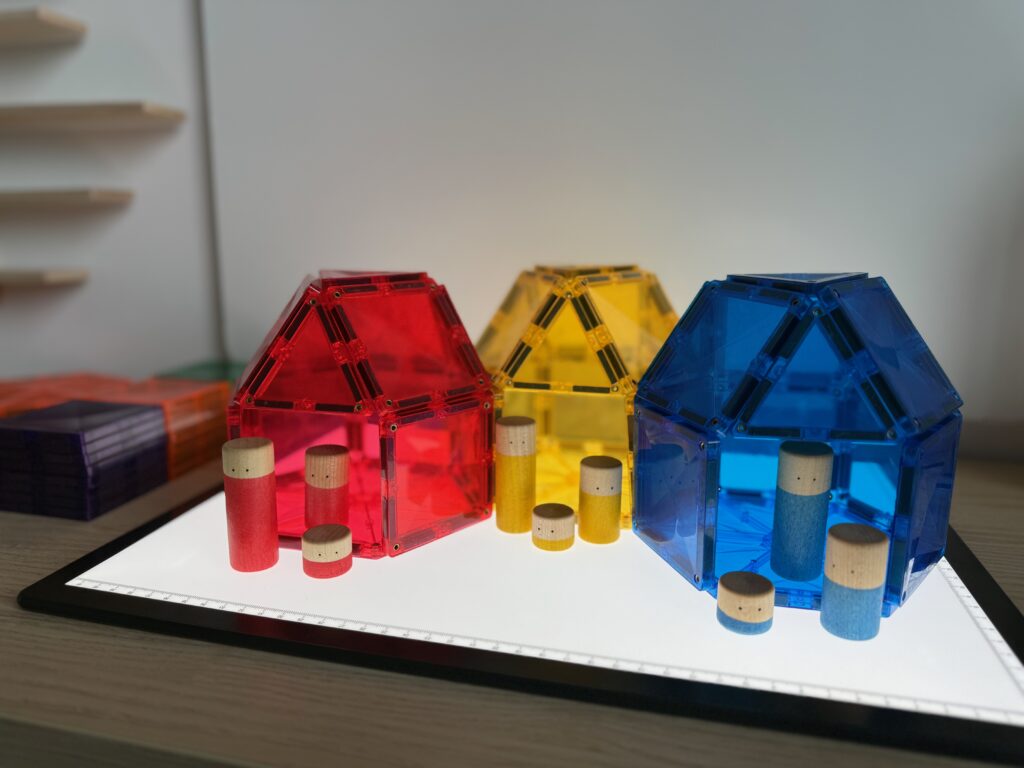
Play Idea: Give each person a role: the architect, the builder, the supervisor and build a structure together with dialogue.
Language to model:
- “Can you pass me a square tile, please?”
- “Uh-oh, the wall fell down! What should we do now?”
- “You be the customer, and I’ll be the builder. What kind of house do you want?”
Why it works: Role-play supports turn-taking, flexible thinking and social dialogue. Plus, your child gets to try on different perspectives, a social-emotional skill in disguise.
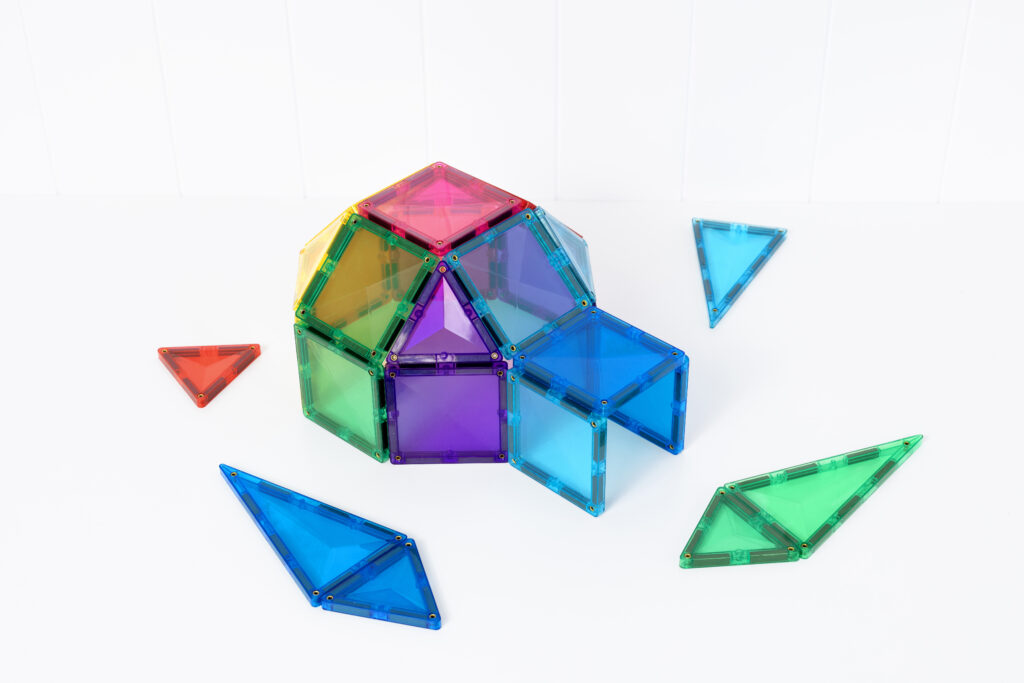
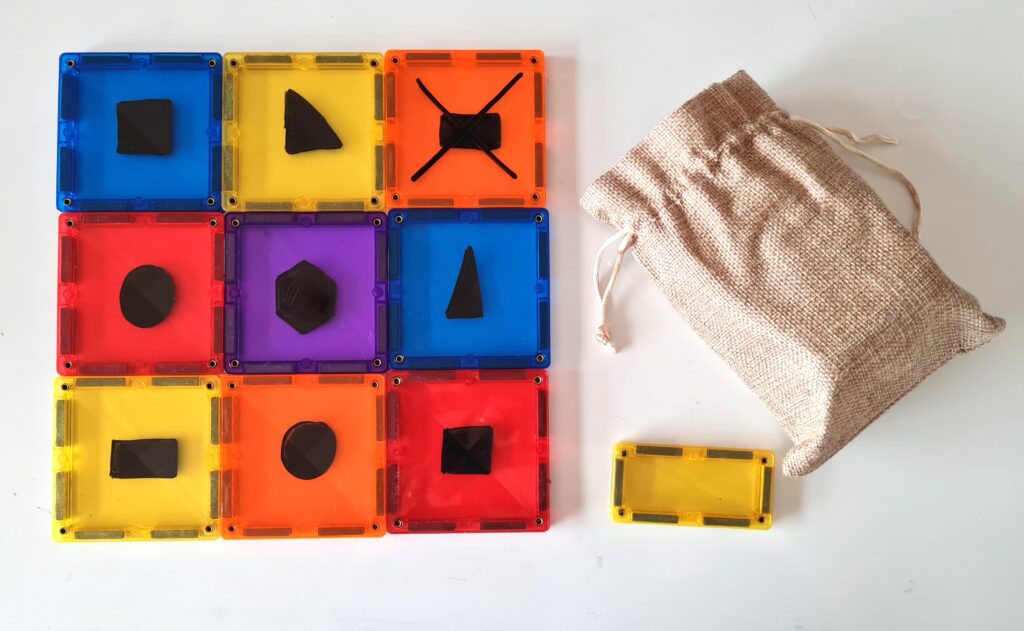
3. Mystery Build
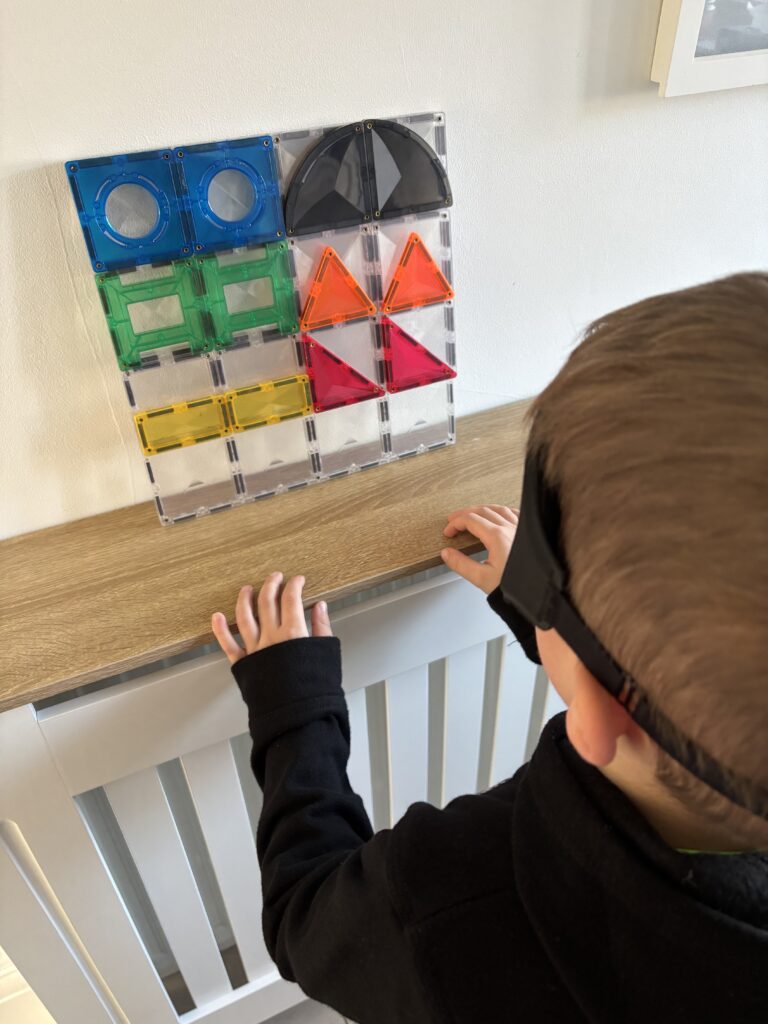
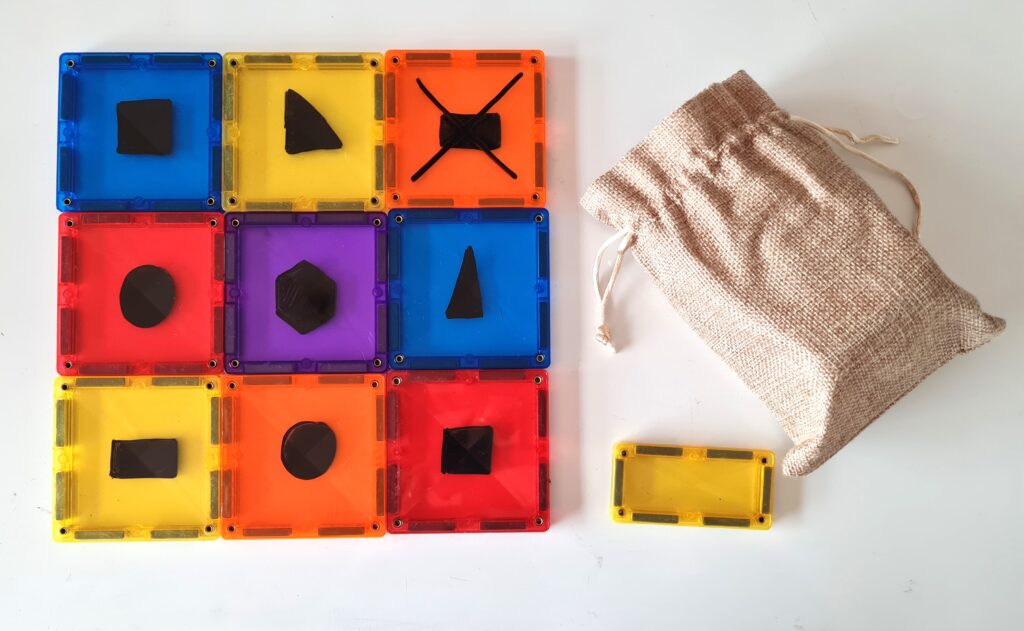
Play Idea: Hide a small build behind a book or board. Describe it out loud while your child tries to recreate it, then swap.
Language to use:
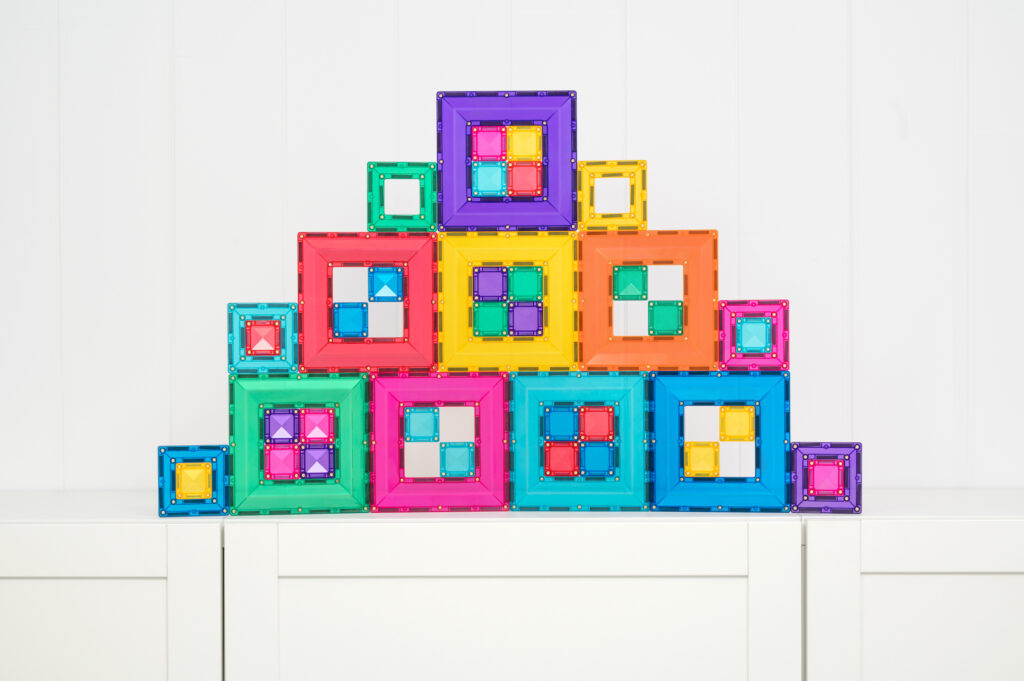
- “The base is a red square, and on top is a blue triangle.”
- “Hmm, how many pieces do you think you need?”
- “Oops, I said square, not rectangle! Let’s fix it.”
Why it works: This one flexes listening skills, direction-following and descriptive vocabulary. It also builds resilience when communication breaks down (and how to repair it).
4. Design & Debate
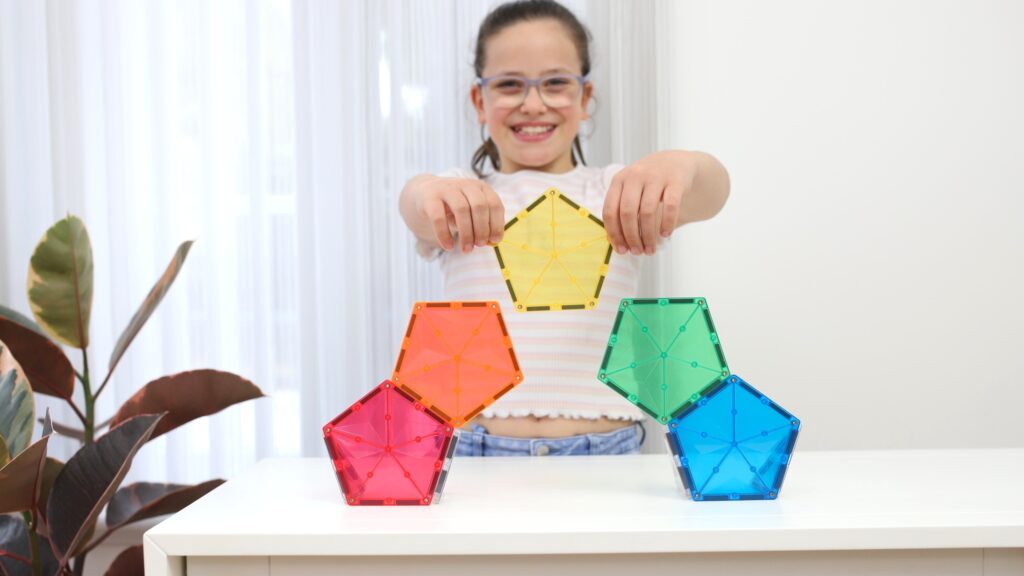
Play Idea: You each build something, then present your designs. Ask questions and offer feedback (kindly!).
Language to model:
- “What inspired this design?”
- “What do you like best about it?”
- “If you could change one thing, what would it be?”
Why it works: This supports reasoning, critical thinking and respectful disagreement; all essential for deeper communication and social interaction.
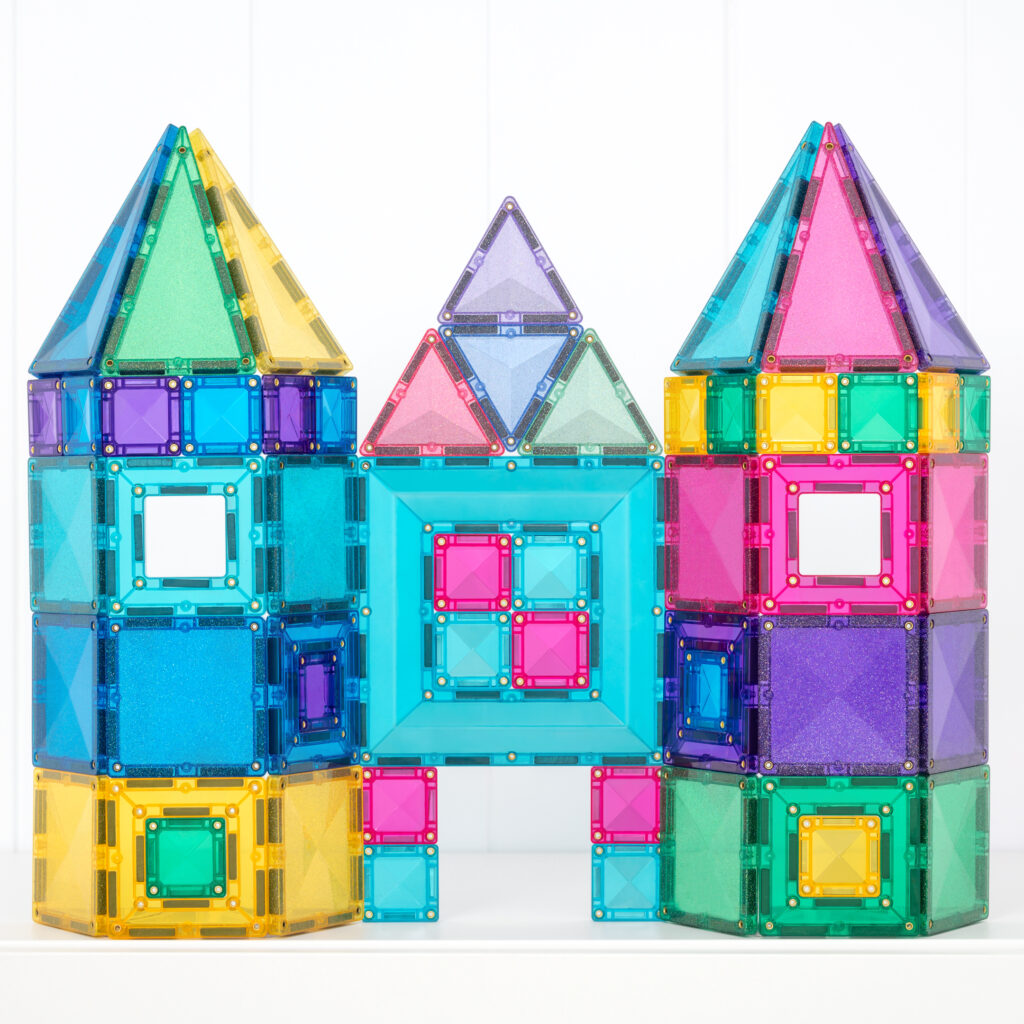
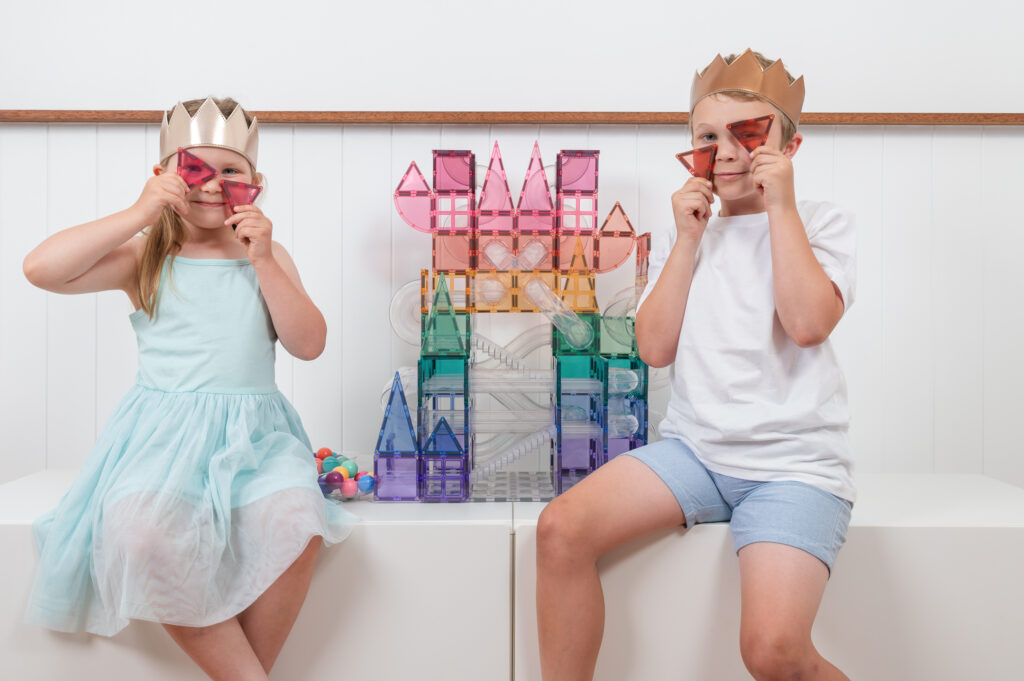
5. Storytime Structures
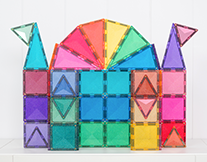
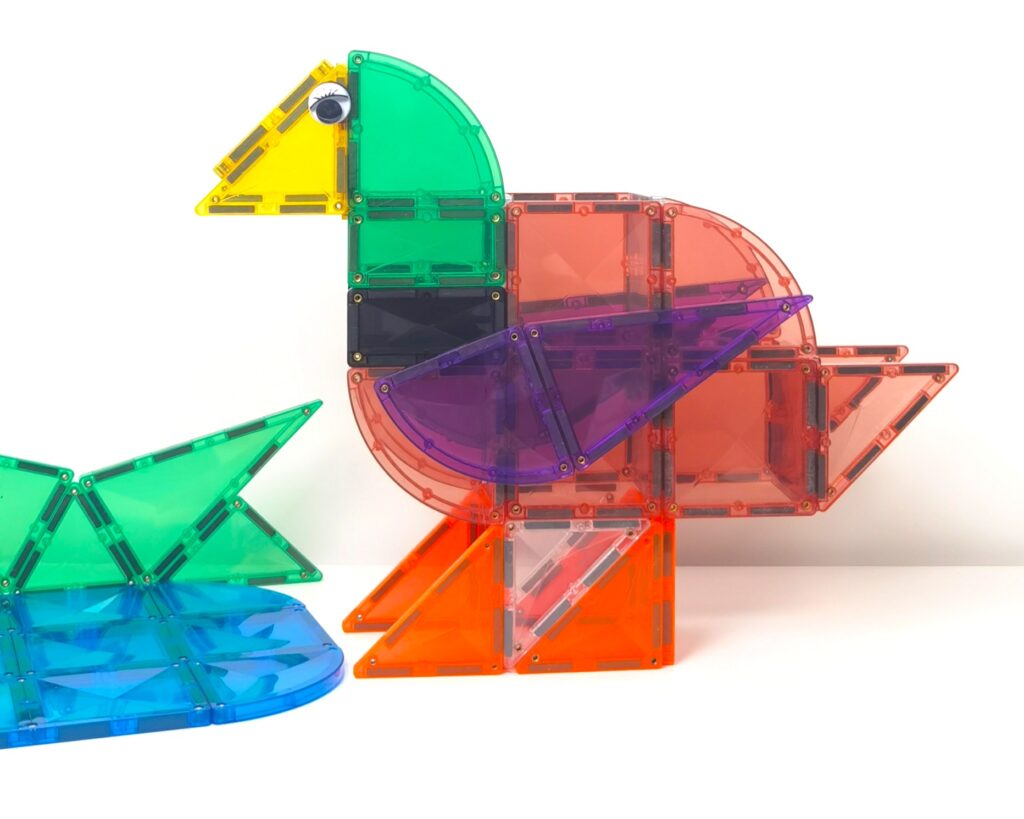
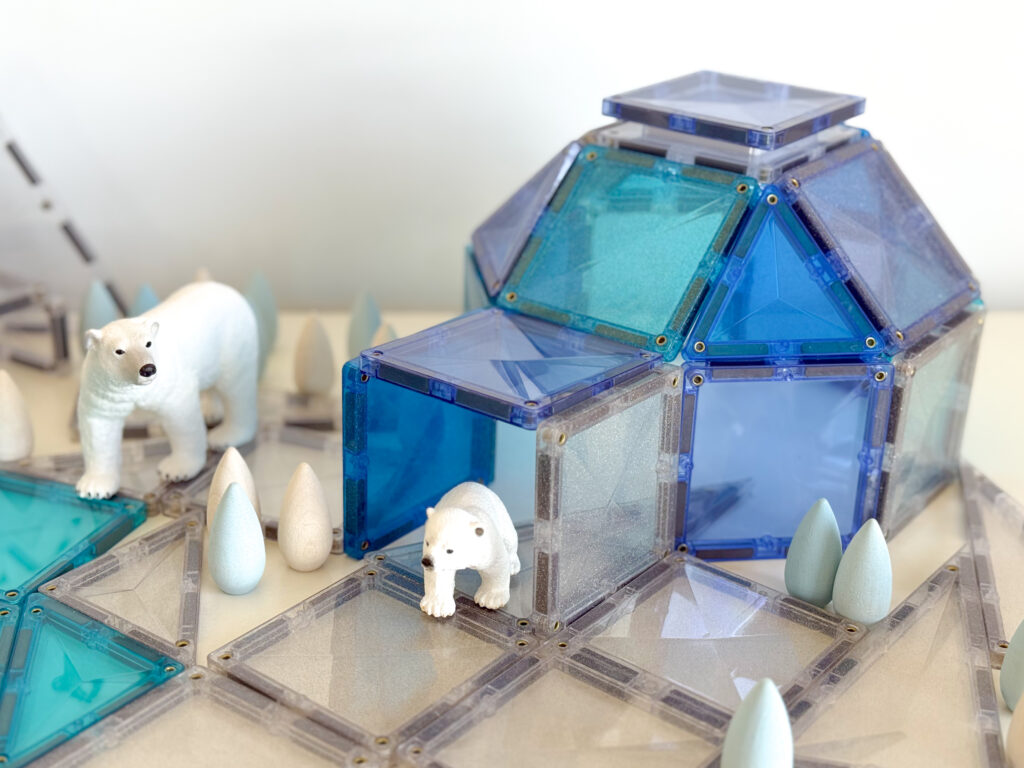
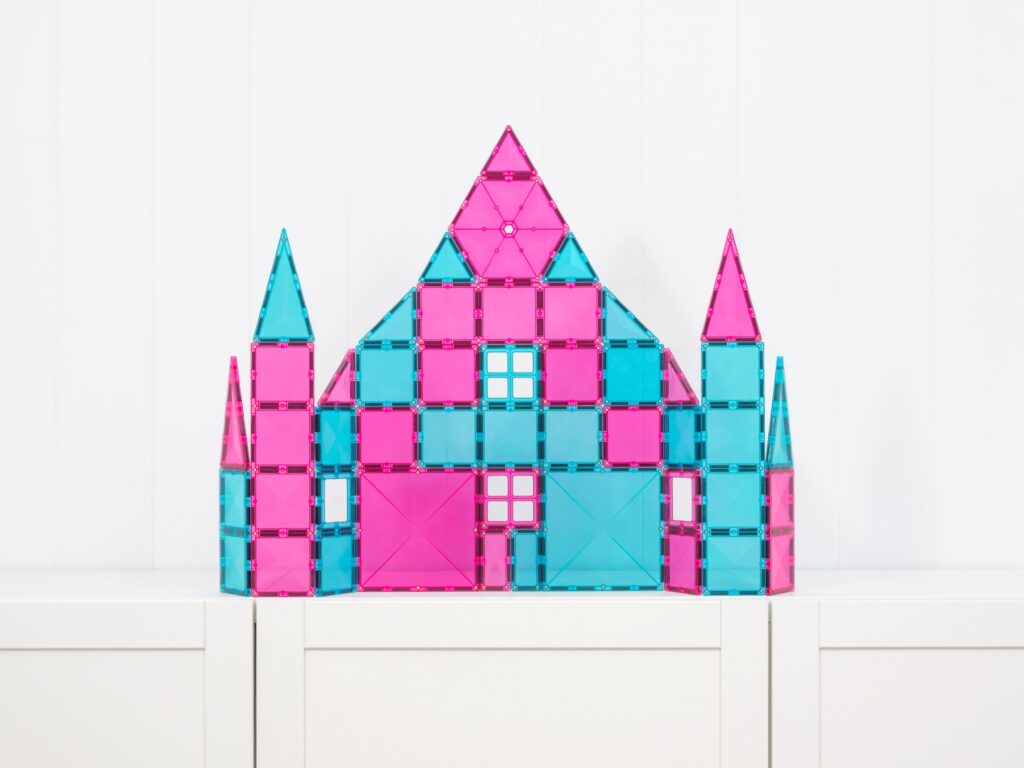
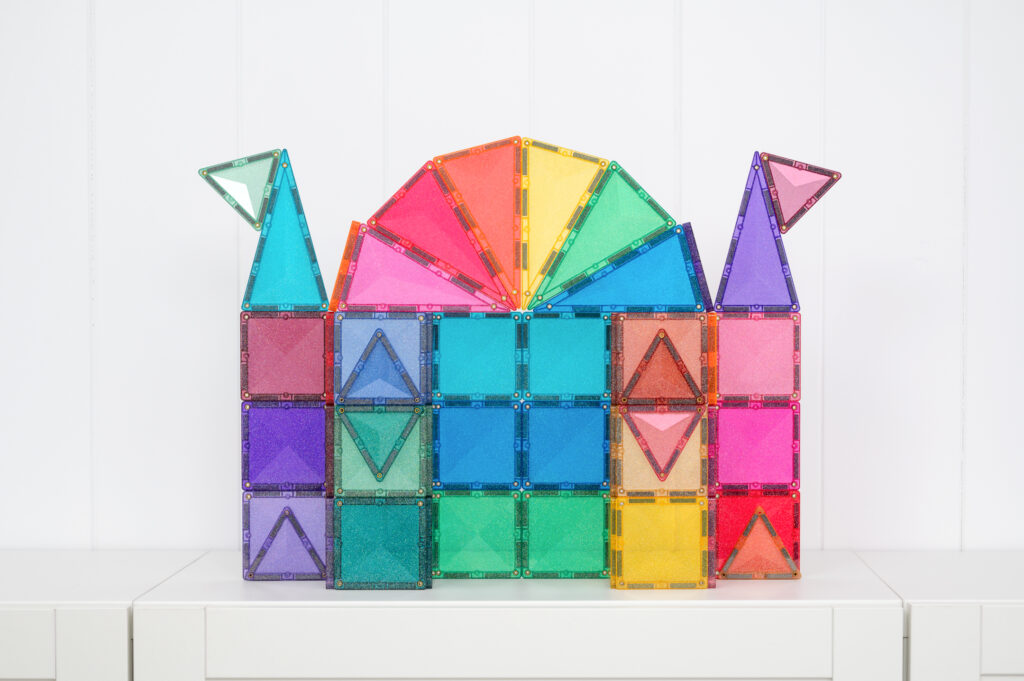
Play Idea: Build a scene (e.g., a castle, a zoo, a city), then tell a story that happens in that space.
Language to encourage:
- “Who lives here?”
- “What problem do they face?”
- “How does the story end?”
Why it works: Storytelling isn’t just fun, it strengthens grammar, vocabulary, sequencing and emotional expression. Plus, you get a window into your child’s inner world.
Communication Starters: Words & Phrases to Use While Playing
Here’s a cheat sheet of language you can sprinkle into play:
- “Can you tell me more about that?”
- “I noticed you used the tall pieces, why did you choose those?”
- “What should we do if it falls again?”
- “Hmm, I didn’t understand that, can you show me?”
- “Let’s think of a new plan together.”
You don’t need to “talk at” your child, just talk with them. Stay curious. Stay collaborative.
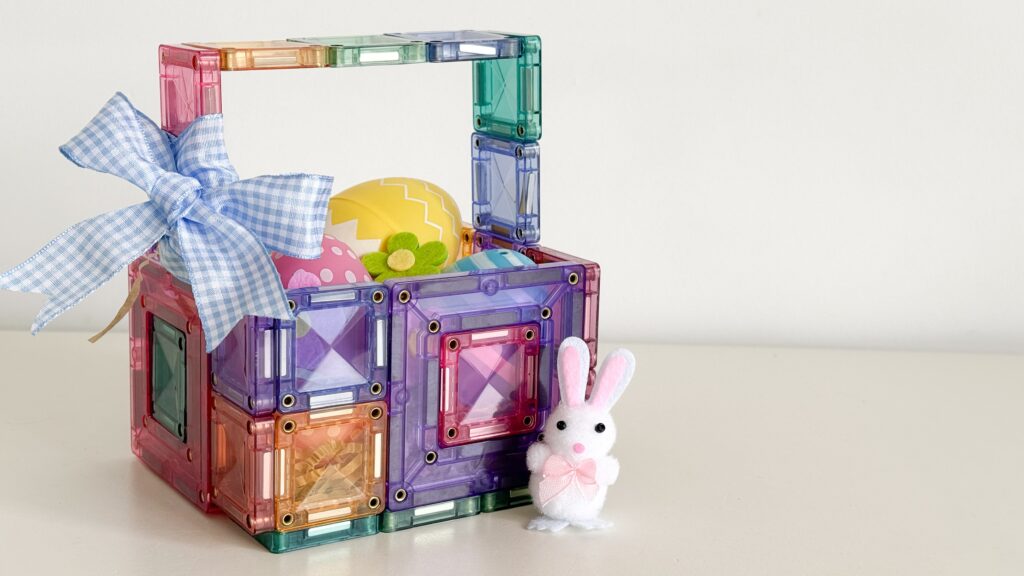
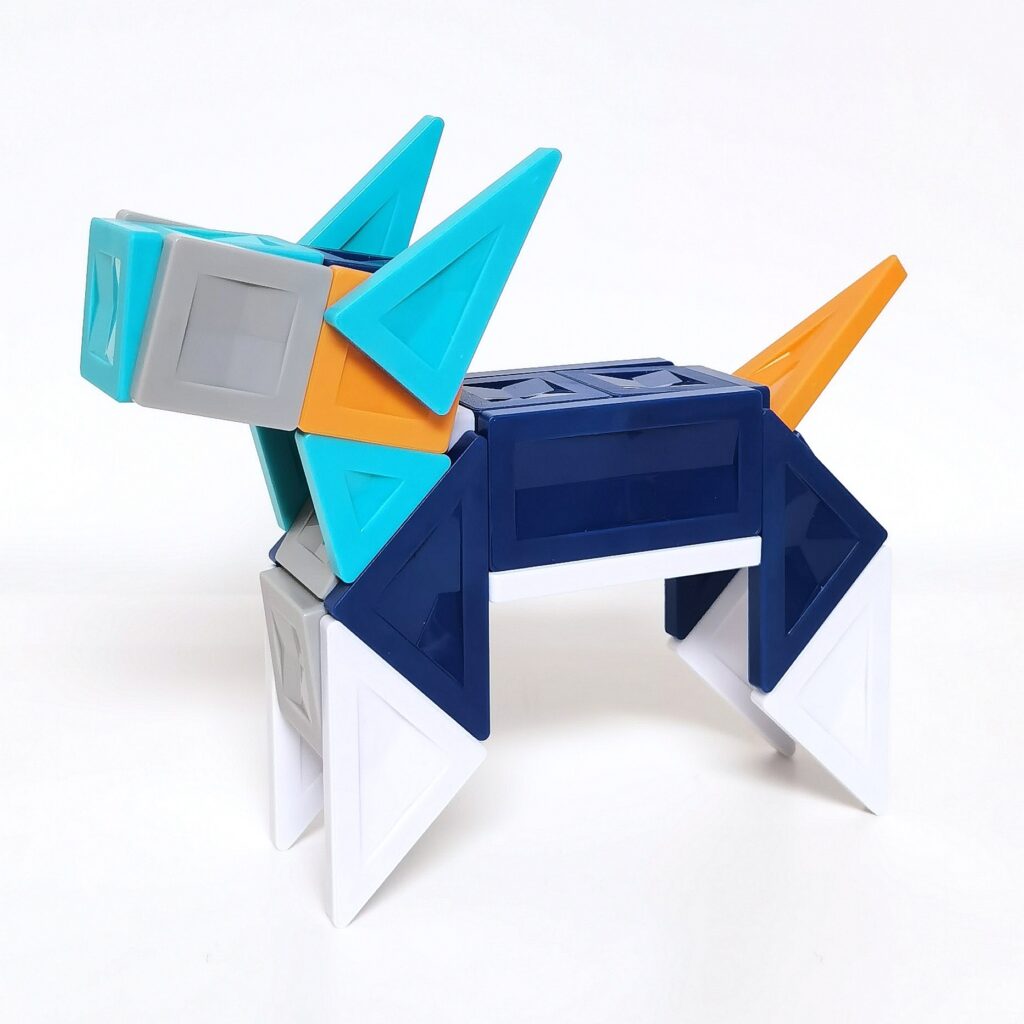
What Parents Can Do Next
- Follow their lead
Let your child direct the play. You don’t need to correct or control the conversation, just be a responsive communication partner. - Model language naturally
Use real words, real questions and real responses. Children learn best when language is meaningful and connected to what they’re doing. - Pause and wait
Don’t rush to fill the silence. That quiet moment? It’s often where language is brewing. - Celebrate effort, not perfection
Mispronunciations? Mixed-up stories? It’s all part of learning. Focus on confidence, creativity and connection.
And Remember, Above All, Communication Starts with Connection
When we talk about building communication skills, we’re not aiming for perfectly polished sentences. We’re aiming for kids who can express their thoughts, advocate for themselves, connect with others and navigate the ups and downs of being human.
And what better way to nurture that than on the living room floor, surrounded by magnetic tiles, a half-built spaceship and the occasional fight over the last yellow square?
So next time you pull out the CONNETIX box, remember this: you’re not just making towers, you’re making talkers. Listeners. Thinkers. Feelers. Collaborators.
And all that, my friend, is worth all the dino-space-explorer play scripts in the world.