Shipping to: [vcwccr_country_selector]

20% off sitewide* with code CONNETIX20

Introductory offer! 10% off NEW Roads Range.

*20% off code not redeemable on Roads Range. Ends 11.59pm AEST 15th September.

Sale ends in

  • 00Days
  • 00Hours
  • 00Minutes
  • 00Seconds

20% off sitewide with code CONNETIX20*

plus 10% off NEW Road Range. Ends 11.59pm AEST 15th September.

*20% off code not redeemable on Roads Range.

  • 00Days
  • 00Hours
  • 00Minutes
  • 00Seconds

Rebuilding Play: How to Keep Older Kids Engaged (and Learning) With CONNETIX Tiles

Rebuilding Play: How to Keep Older Kids Engaged (and Learning) With CONNETIX Tiles

By Emily Hanlon

There’s a quiet assumption that settles in once kids hit the 8–12 age range, play is something they’re meant to “grow out of”.

Blocks are boxed up. Craft kits get replaced with homework folders. Suddenly, “I’m bored” becomes more common than “Look what I made!” And while this is a natural part of growing up, it also means many older children are left without one of the most powerful developmental tools they’ve always had access to: play.

What we fail to remember is, play doesn’t expire. It evolves.

Children in this age group still need creativity, autonomy and opportunities to build, test, wonder and experiment. Their brains are still growing rapidly. Their emotional world is expanding. And their need for outlets to express, regulate, and connect is as strong as ever. 

So how do we invite older kids back into playful exploration in a way that feels age-appropriate, interesting and respectful of where they’re at developmentally? Let’s dig into what play can look like for this age group, why it still matters, and how something as simple as a magnetic tile set (yes, even now) can re-open the door.

But Aren’t They Too Old for That?

Short answer? Nope. Long answer? Firm no.

By ages 8 to 12, children are shifting into what we might call big-kid territory, but their brains are very much still under construction. Executive functions like working memory, flexible thinking and problem-solving are still developing. Emotional regulation is still shaky at times (hello, pre-teen moods), and social complexity is increasing.

Play continues to serve an essential role across what I call the MESH domains: Mental, Emotional and Social Health.

Older children still need:

  • Mental stimulation that isn’t attached to assessment or grades.
  • Emotional release that allows them to explore frustration, joy, pride and even failure in low-stakes environments.
  • Social rehearsal where they practise collaboration, negotiation and perspective-taking.

Structured activities like sport and music have their place, but they’re not the same as open-ended, child-directed play.

Rethinking What Play Looks Like

The trick is letting go of the idea that play = dolls and dinosaurs. For this age group, play might look like:

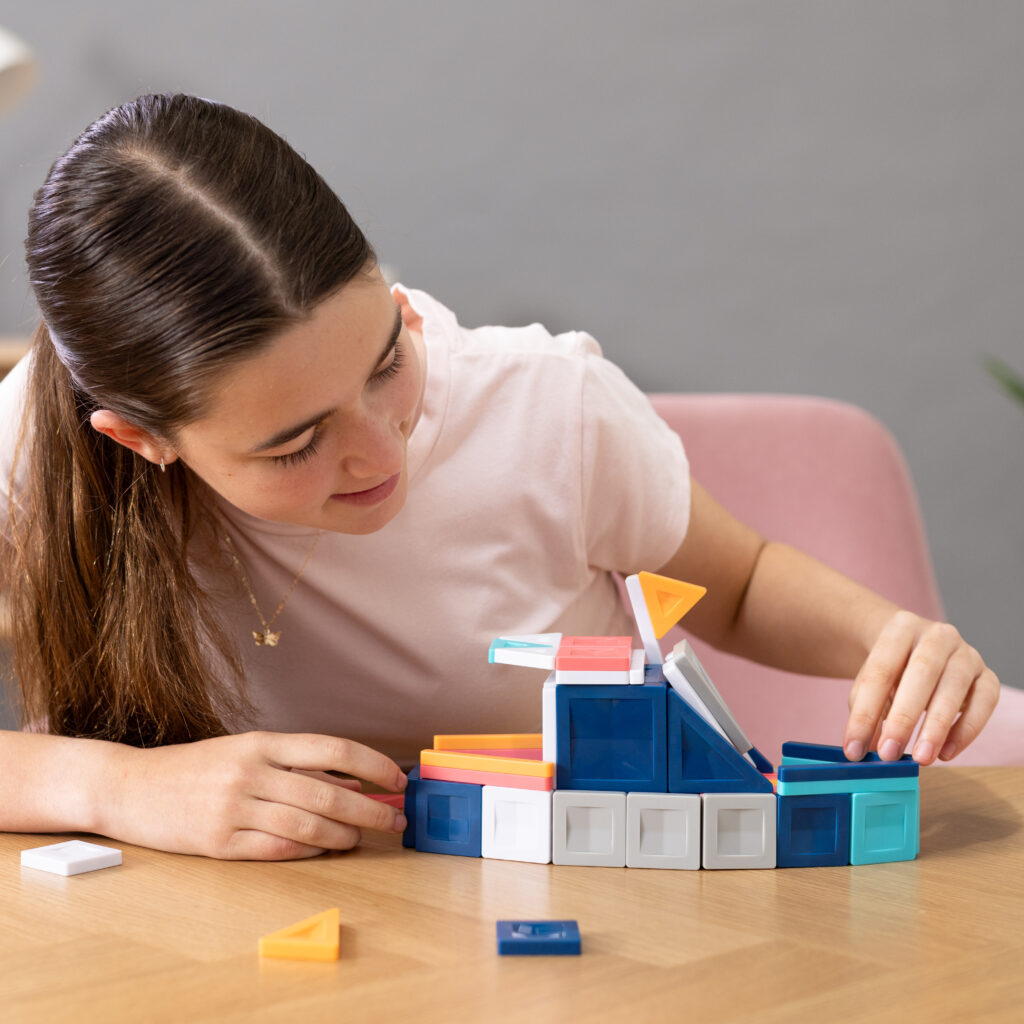
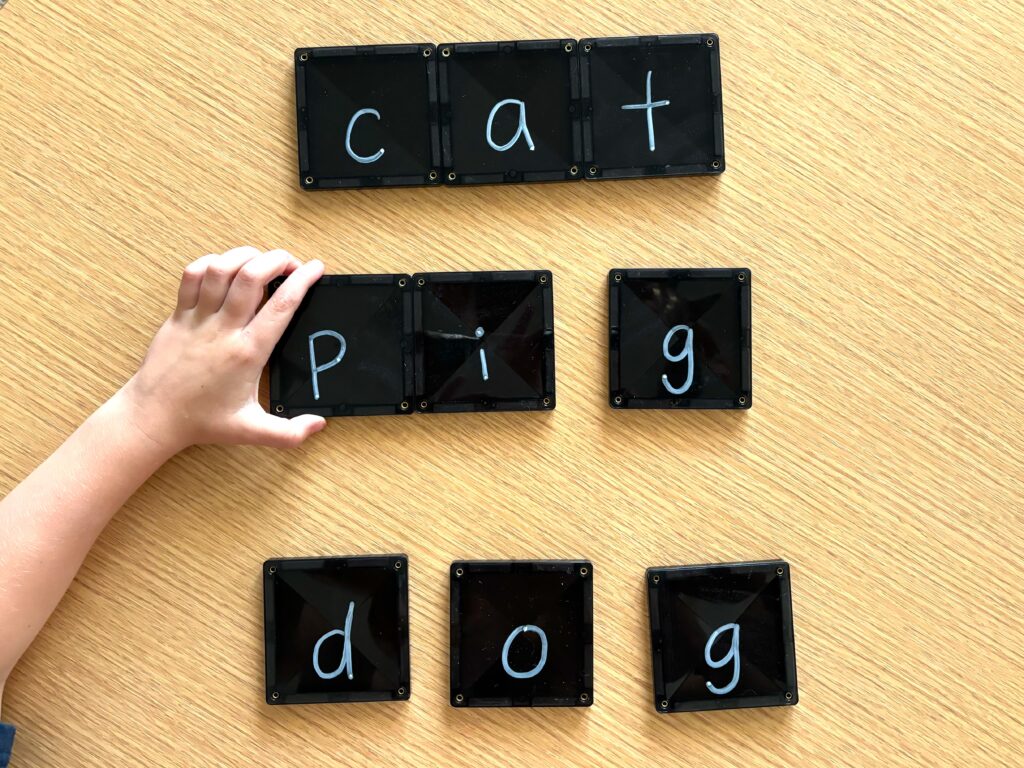
  • Building something elaborate over the course of a few days
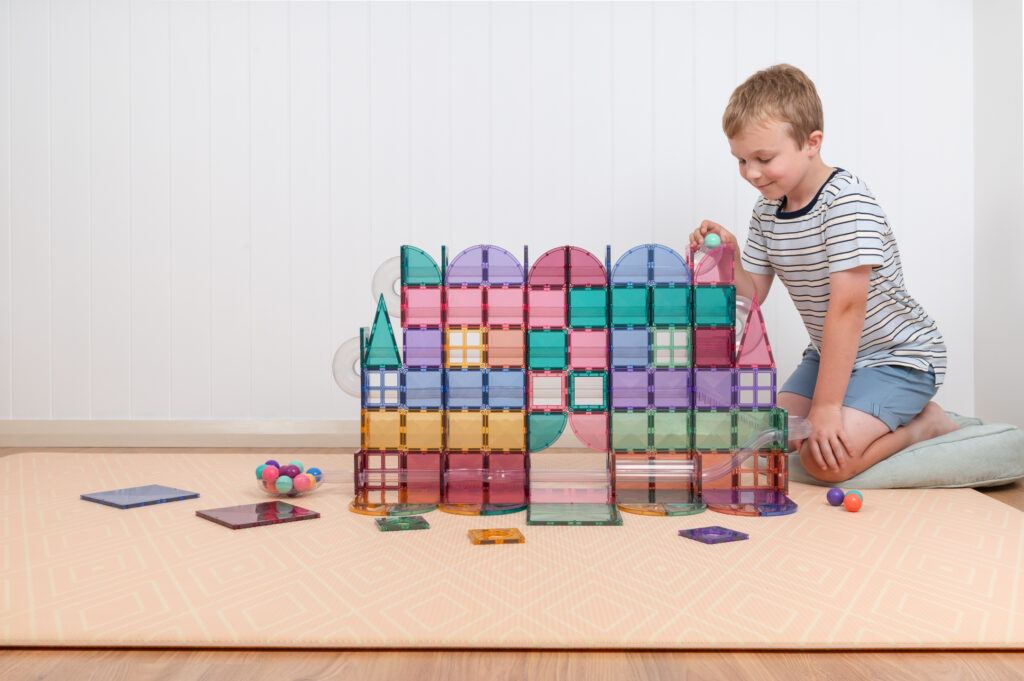
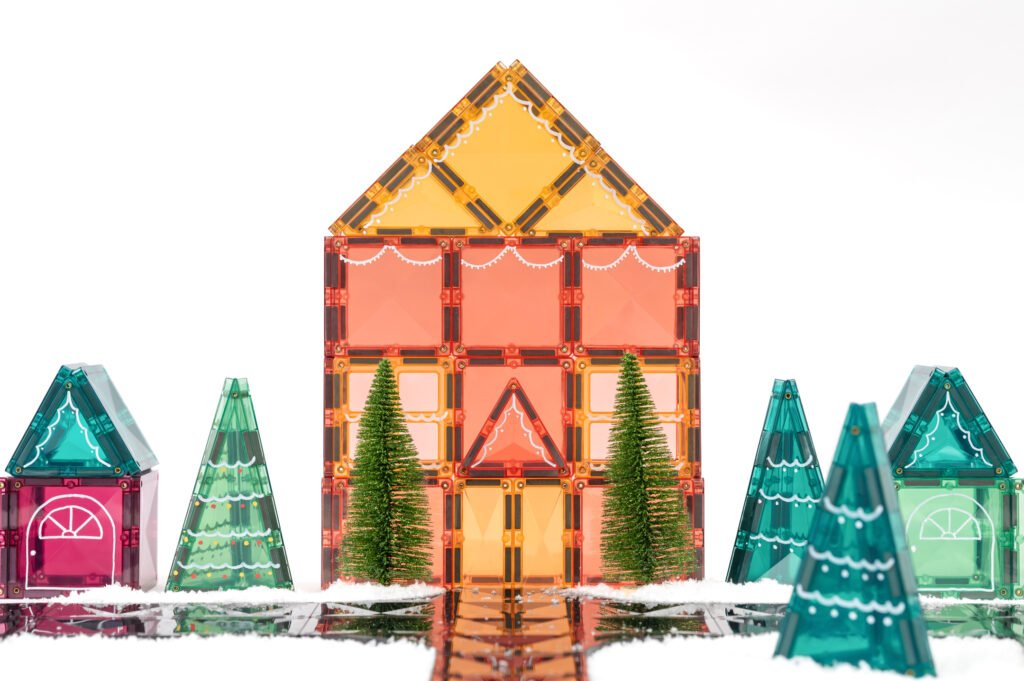
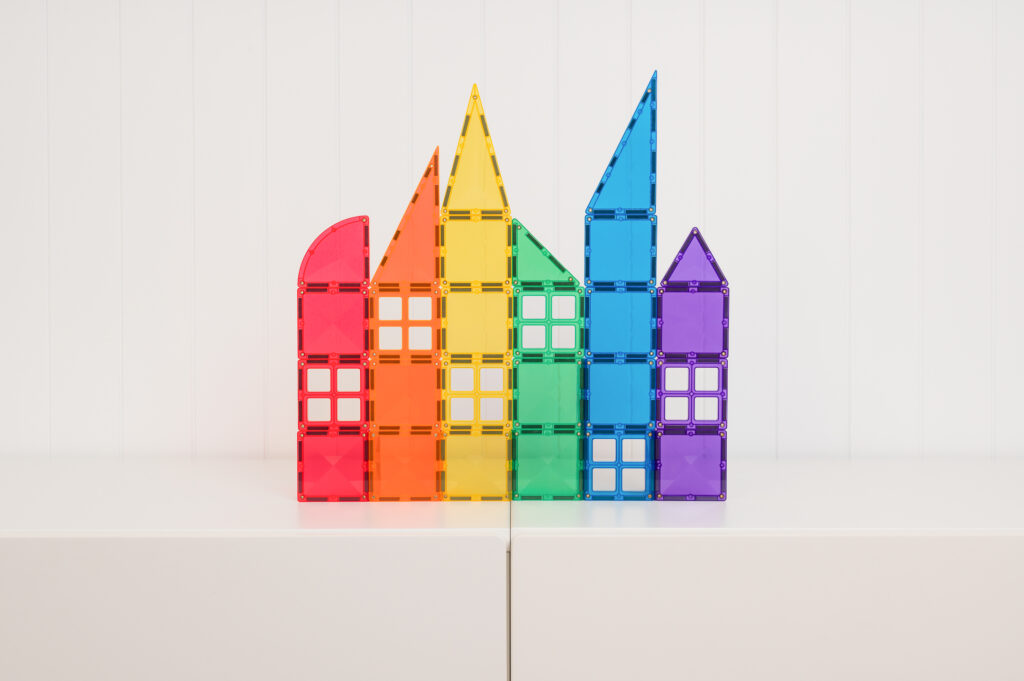
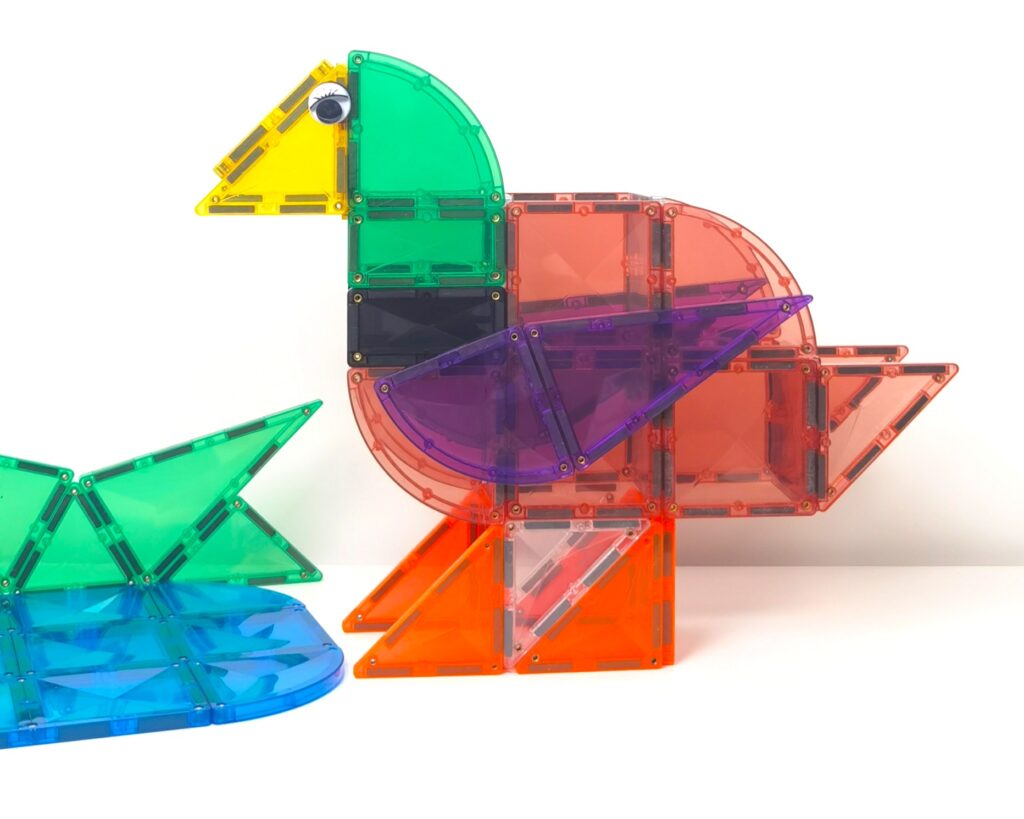
  • Creating miniature worlds or cityscapes
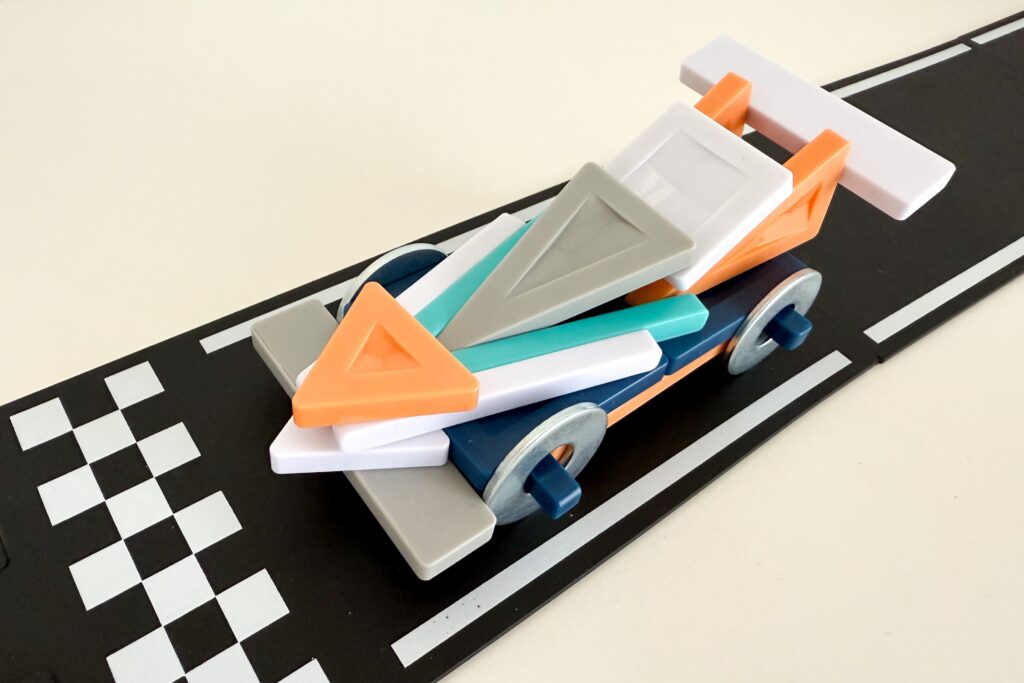
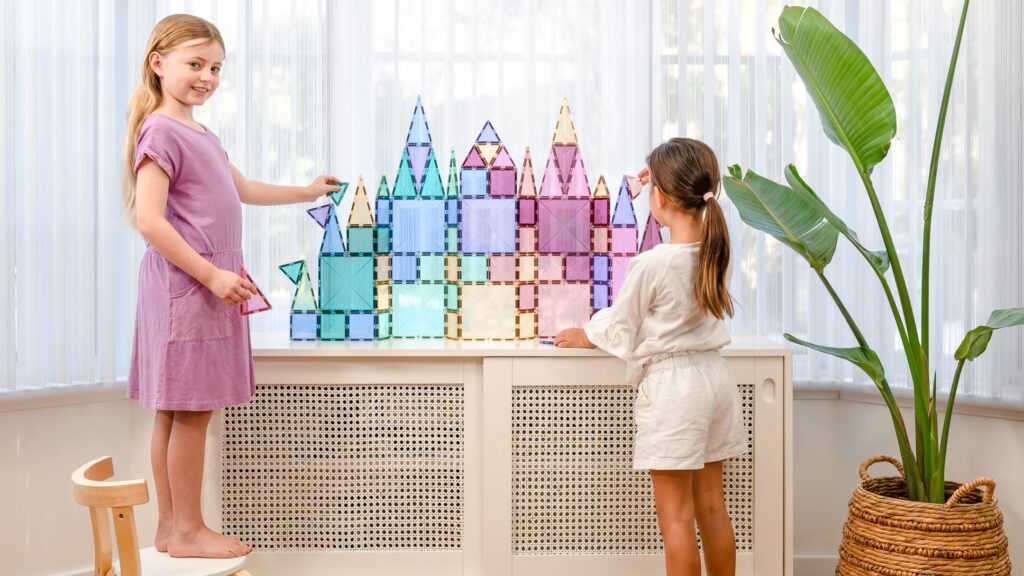
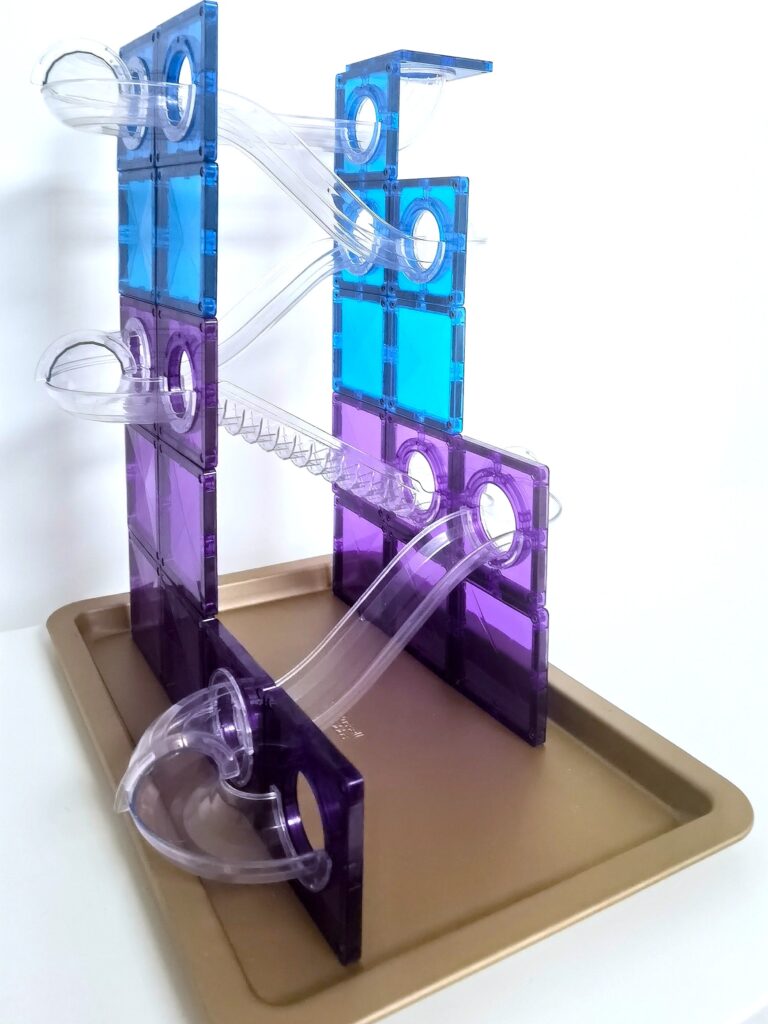
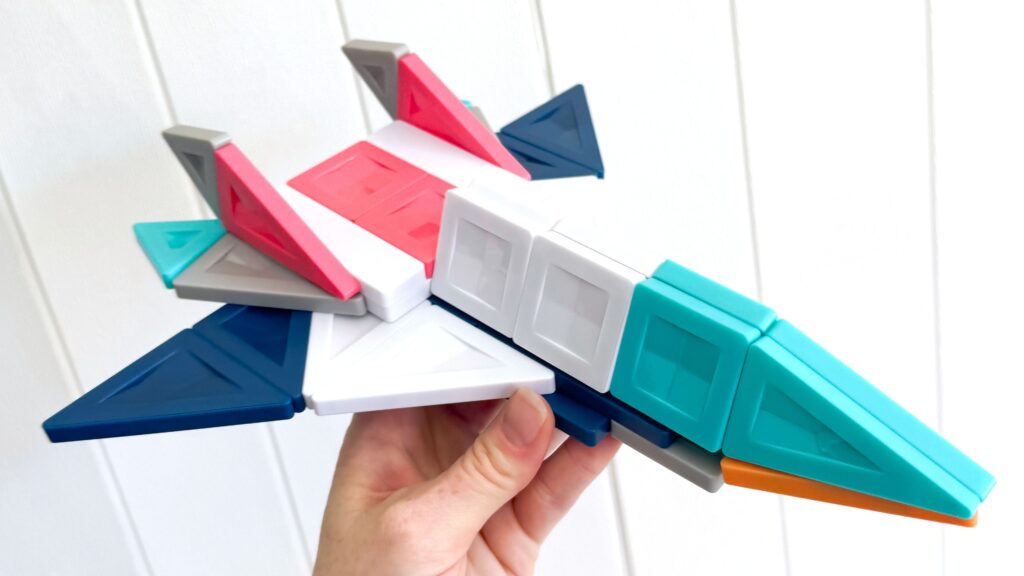
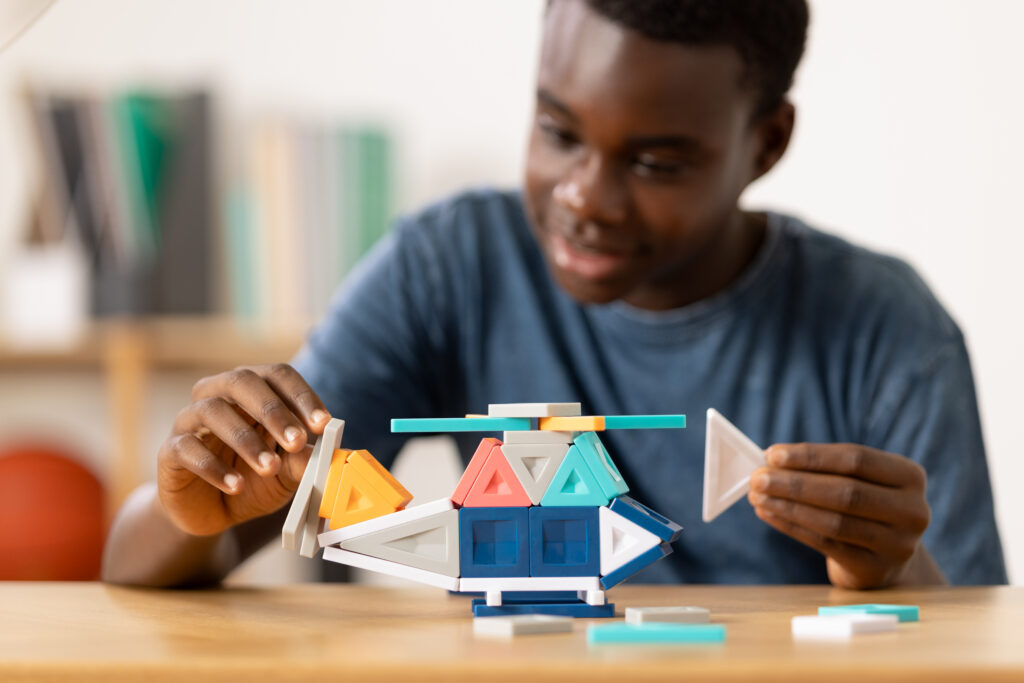
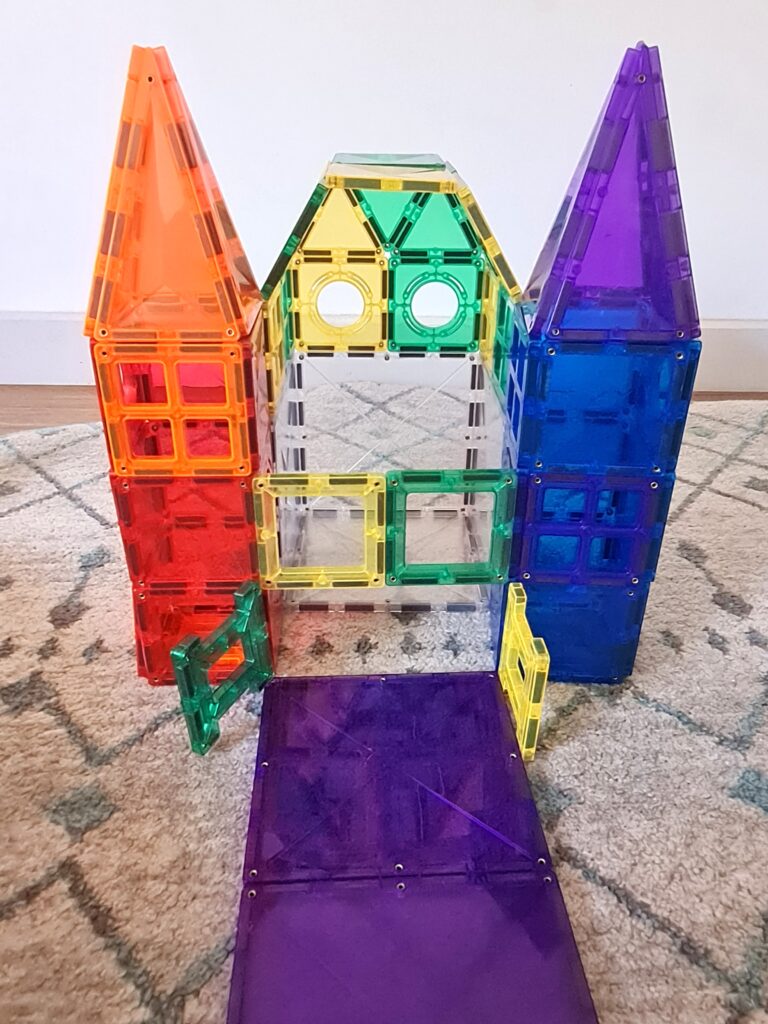
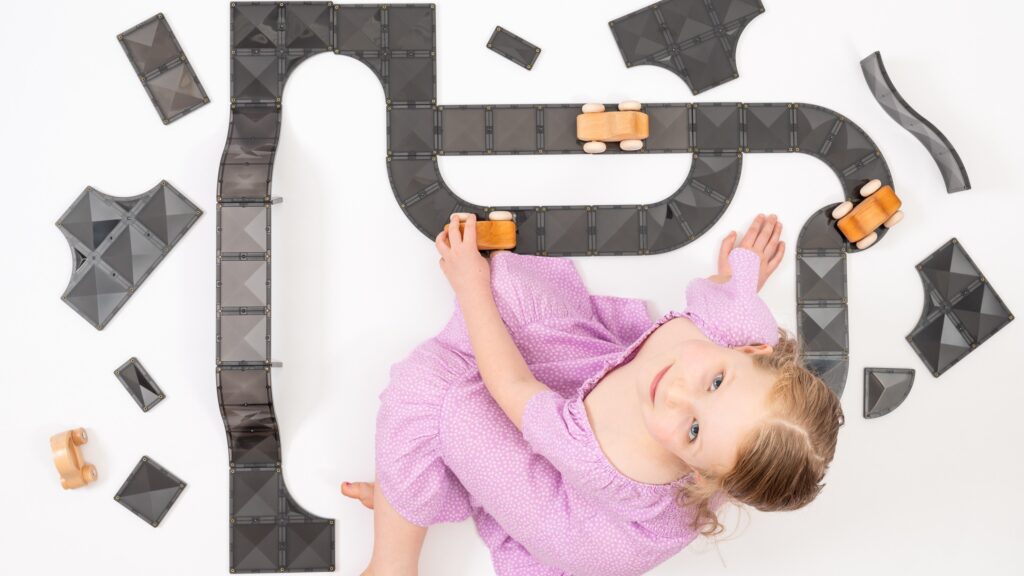
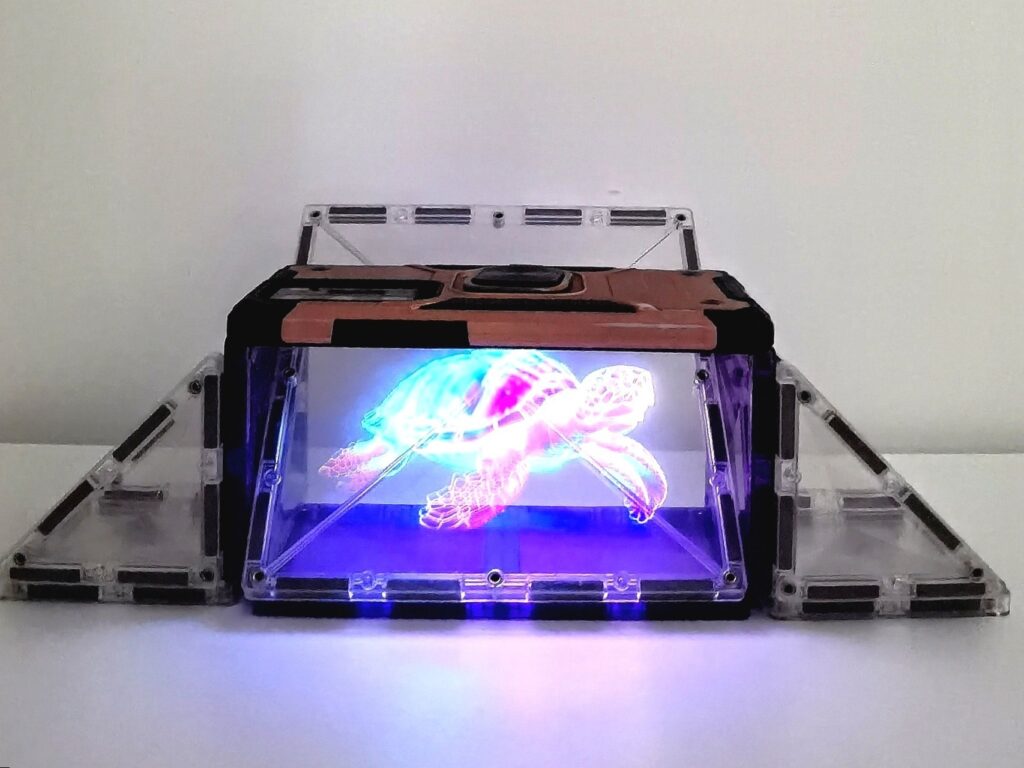
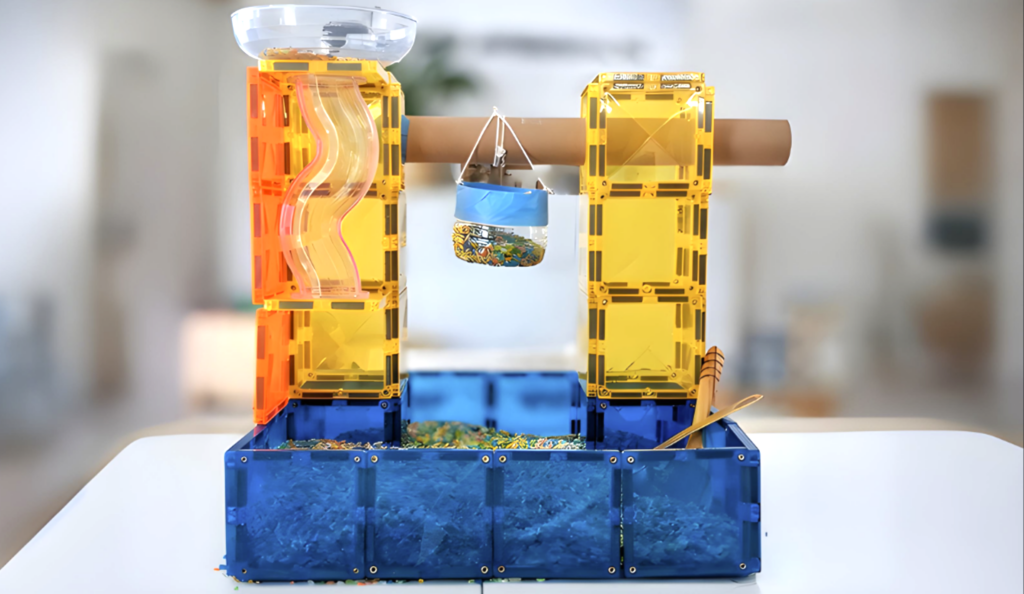
  • Designing complex mazes, vehicles or architectural structures
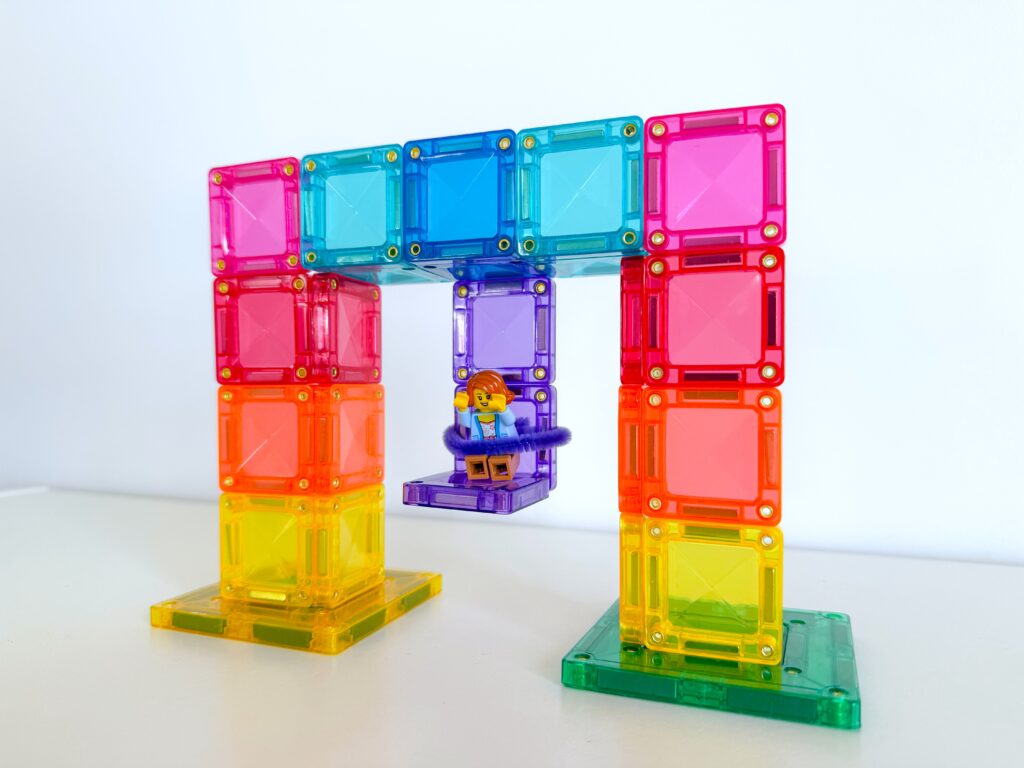
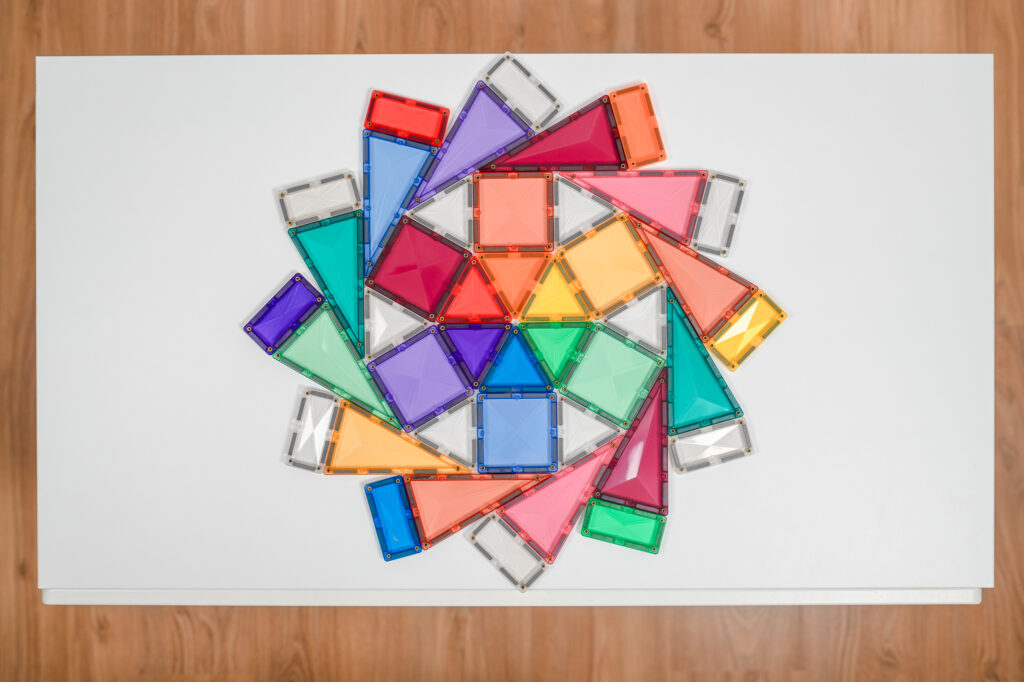
  • Experimenting with balance, symmetry and stability
  • Creating quiet moments of solo construction to decompress

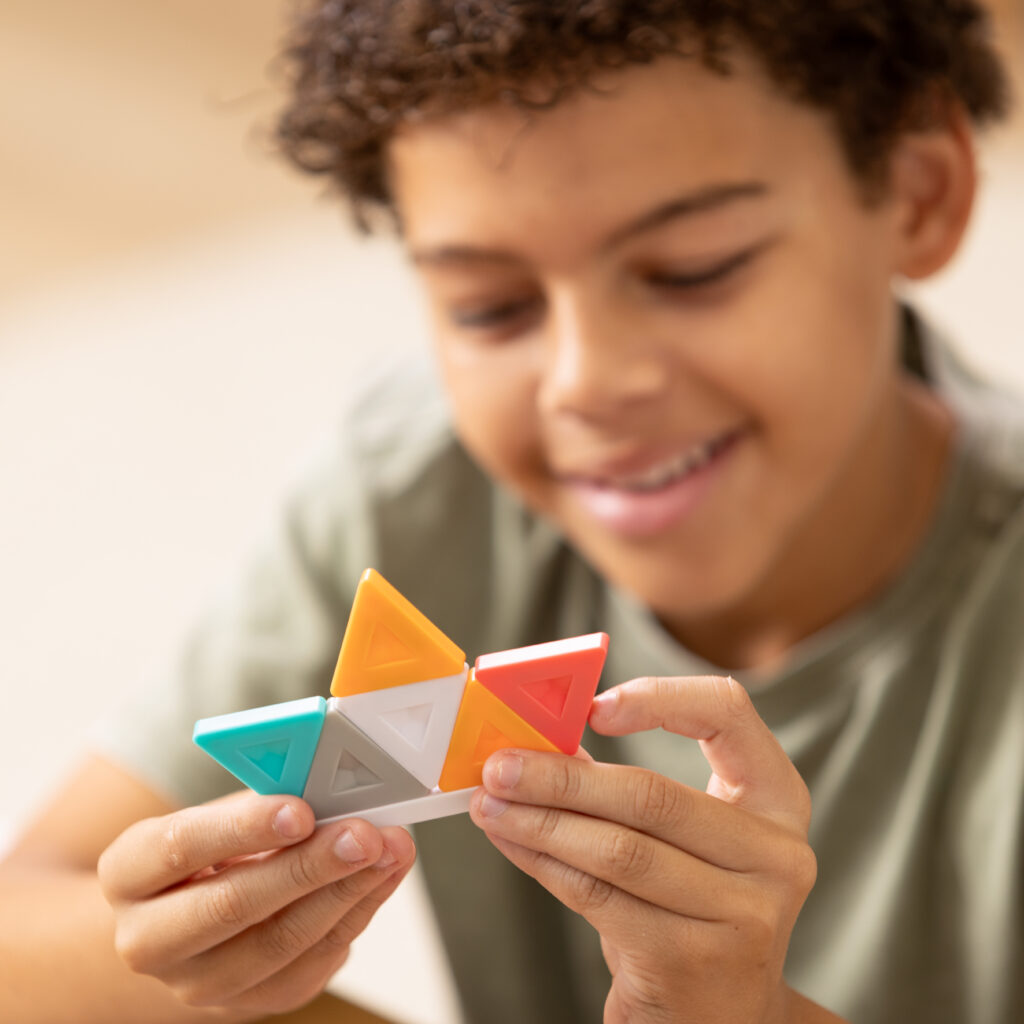
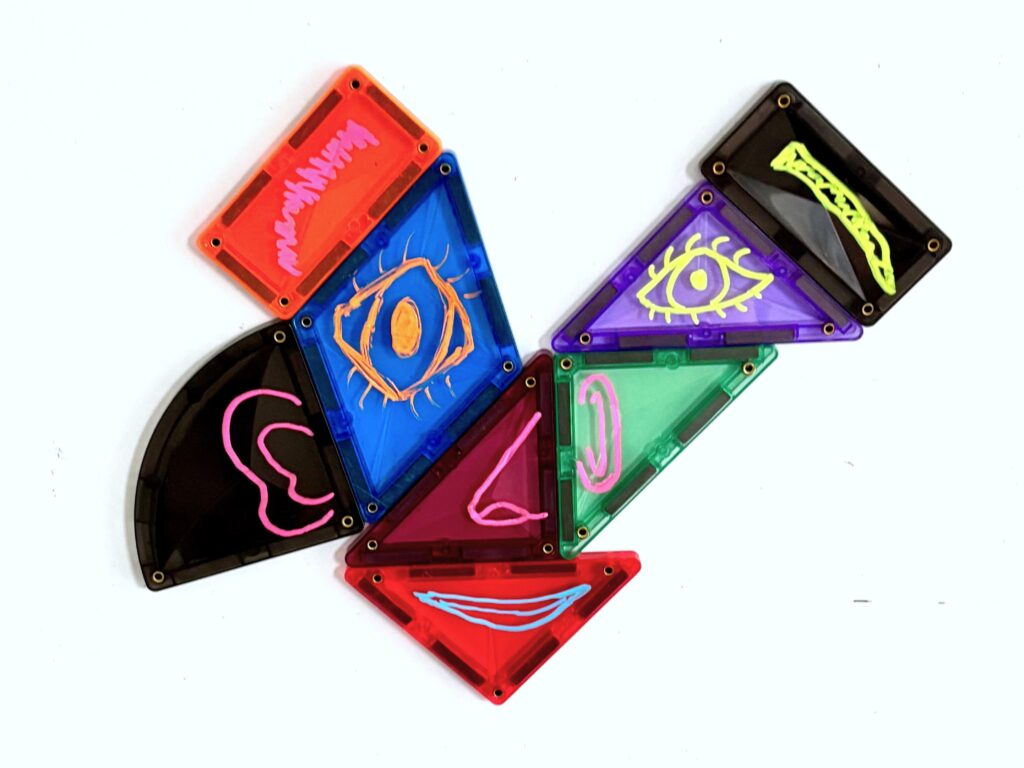
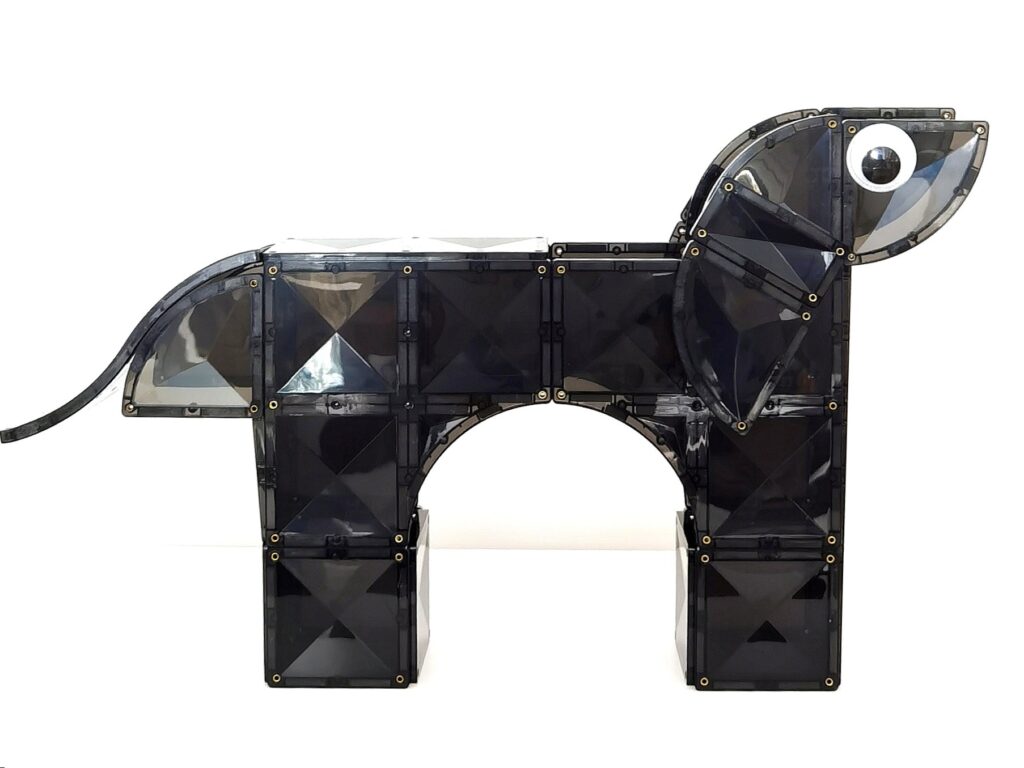
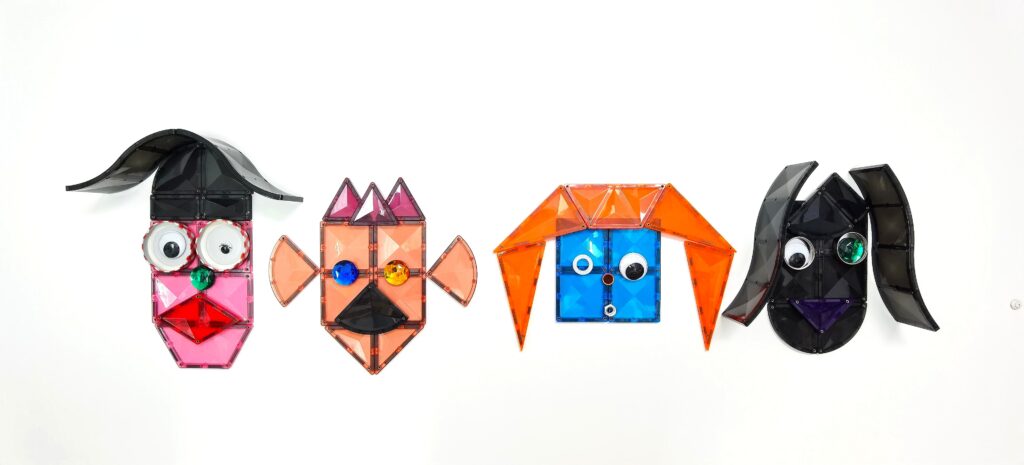
Many kids this age still love using tactile materials: blocks, CONNETIX tiles, cardboard, fabric, tech tools, but they benefit from a shift in how it’s framed.

Instead of “Come play with the tiles,” try:

  • Want to build something strong enough to survive an earthquake?”
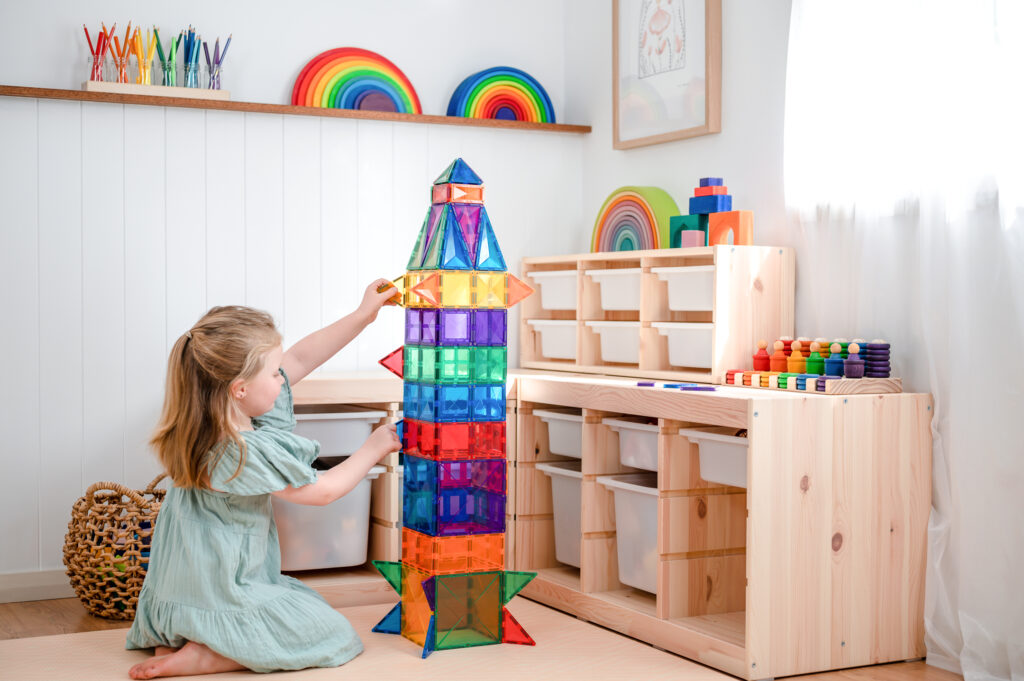
  • “Let’s see who can build the tallest structure that stays up for 10 seconds.”
  • “Do you think we could recreate the Eiffel Tower with these shapes?”

It’s about inviting curiosity, not dictating the outcome.

Why Building Still Builds Brains

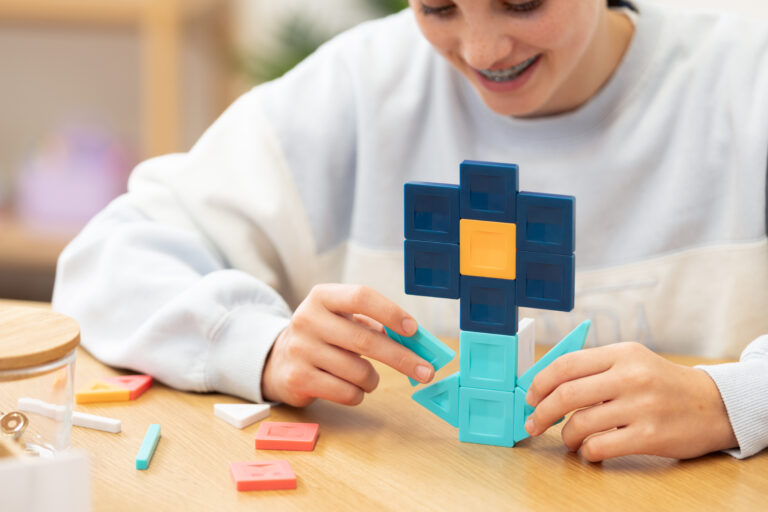
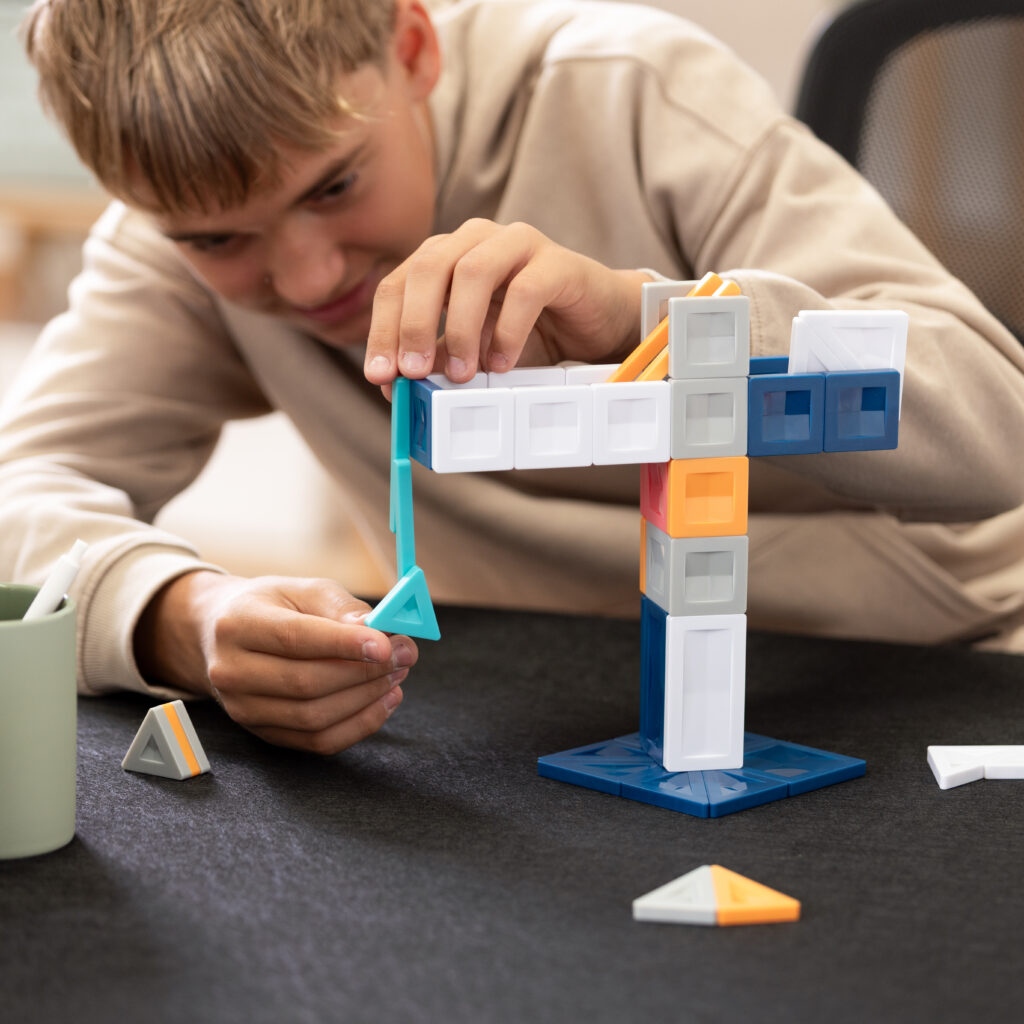
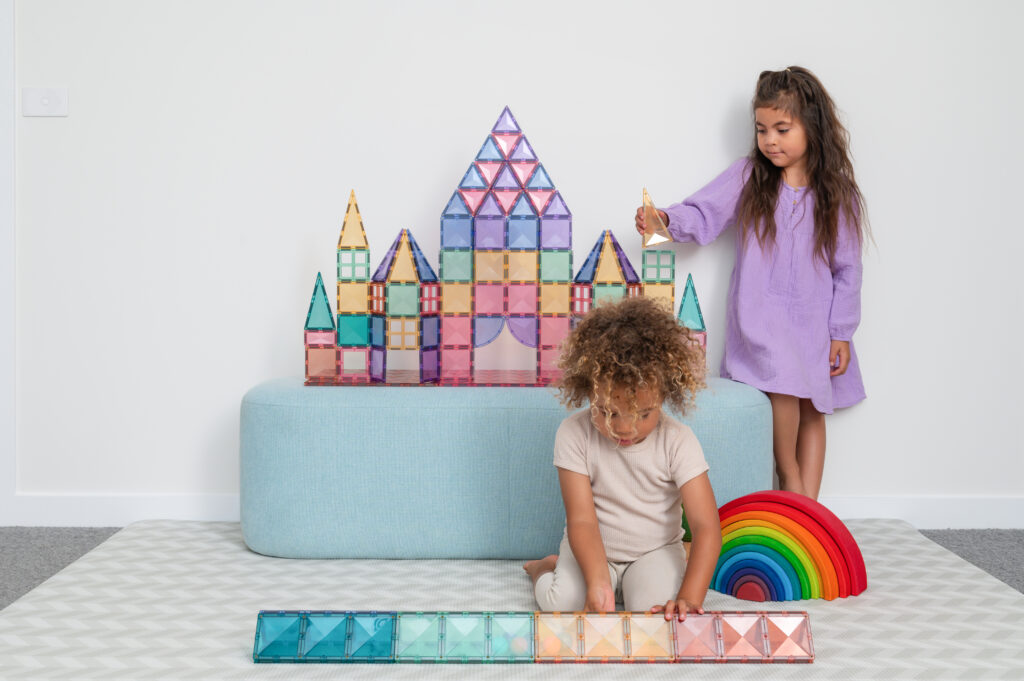
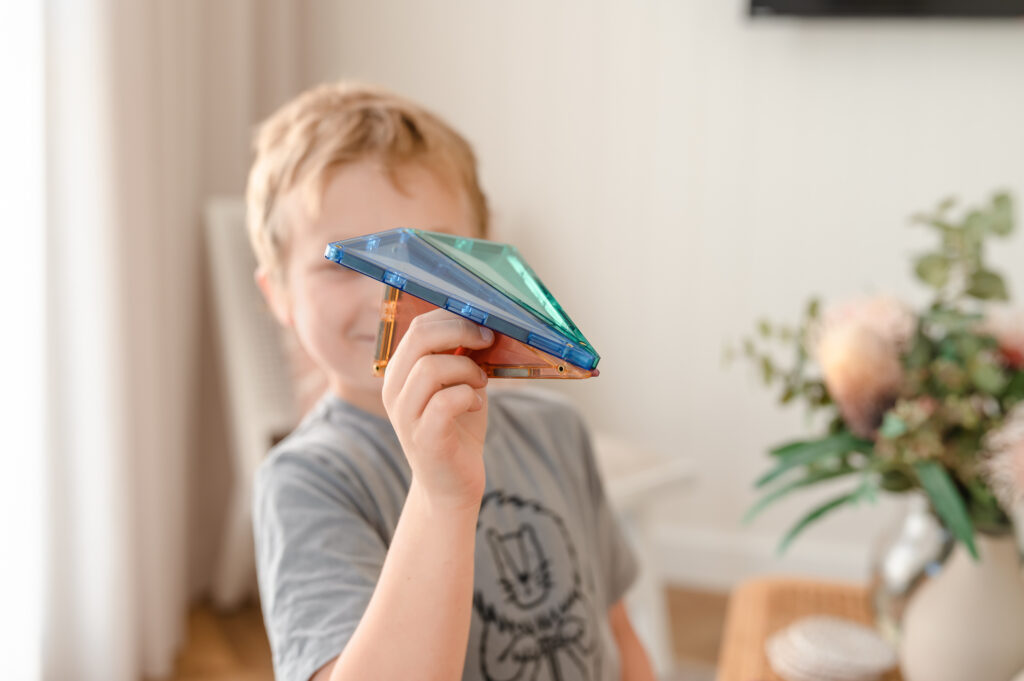
When kids engage in open-ended construction play, using materials like CONNETIX PRO tiles, they’re activating key areas of development that often get pushed aside once formal learning ramps up. But the cognitive load of building, particularly with increasingly complex shapes and design challenges, is anything but simple.

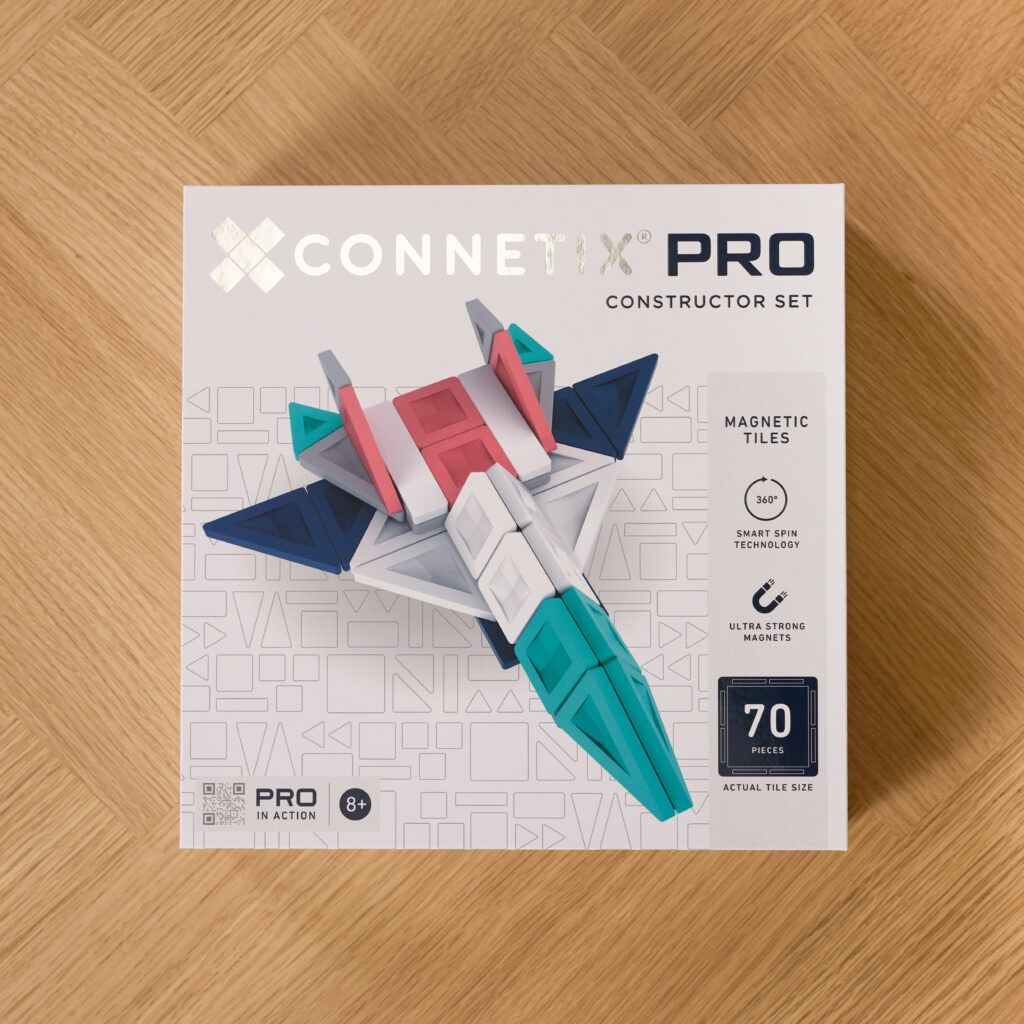
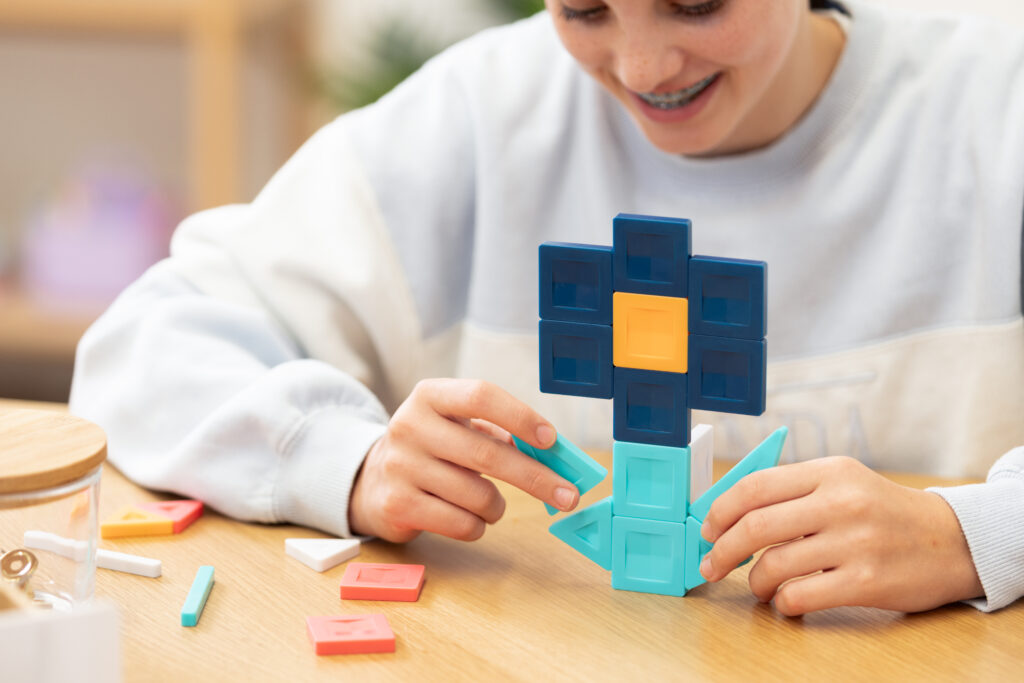
Just like when we select toys for younger children, it’s important to be intentional about choosing play-based resources for older kids that continue to invite creativity and imagination – open-ended materials that offer endless possibilities rather than fixed outcomes. Tools like the CONNETIX PRO tiles meet older children exactly where their brains are developmentally: craving deeper challenge, creative control and meaningful outcomes. Older children are invited to think more critically about balance, symmetry, angles and design.

The introduction of Smart-Spin magnetic technology means that these builds don’t just go up, they twist, rotate and extend in new directions. These multiple connection points allow for creative engineering that feels less like stacking, and more like solving a 3D puzzle. And thanks to the extra-strong magnets, structures can be built higher, wider and with more precision, which appeals directly to the cognitive drive for mastery in this age group.

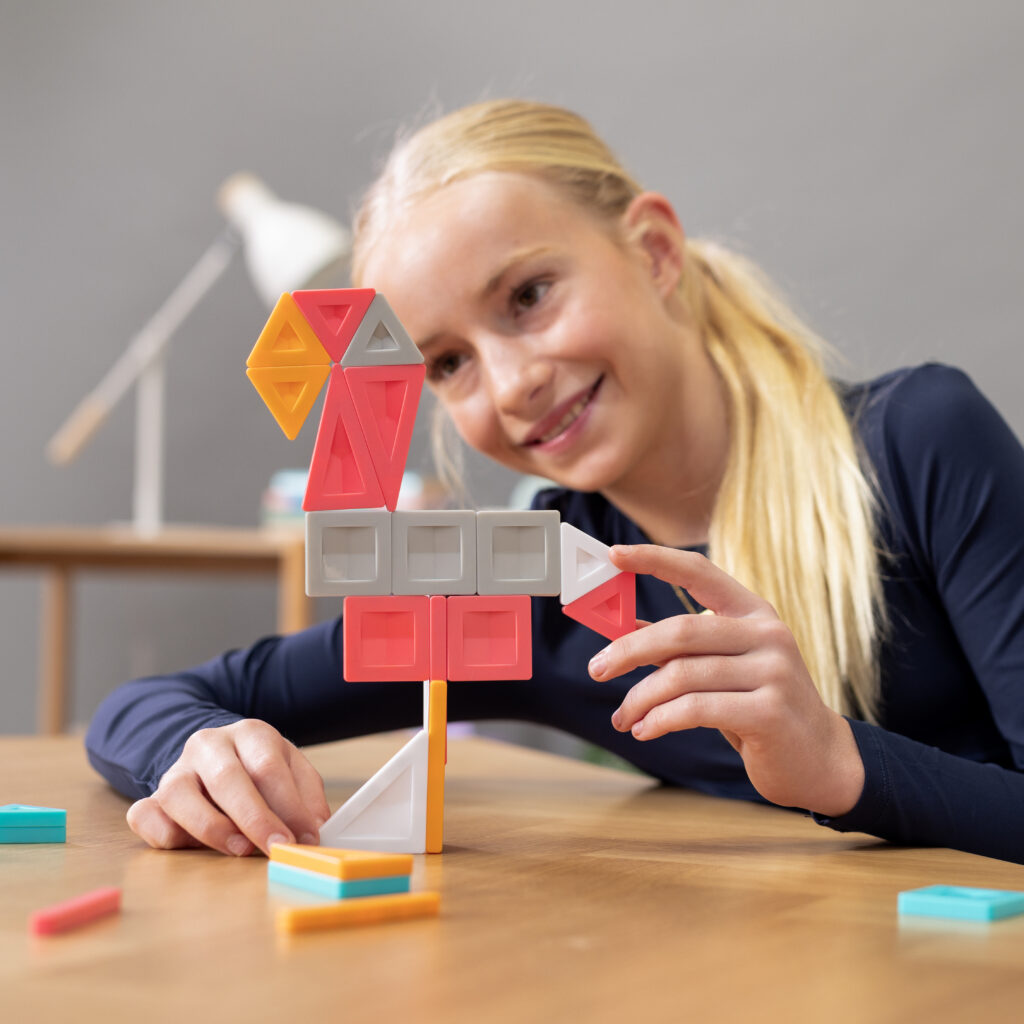
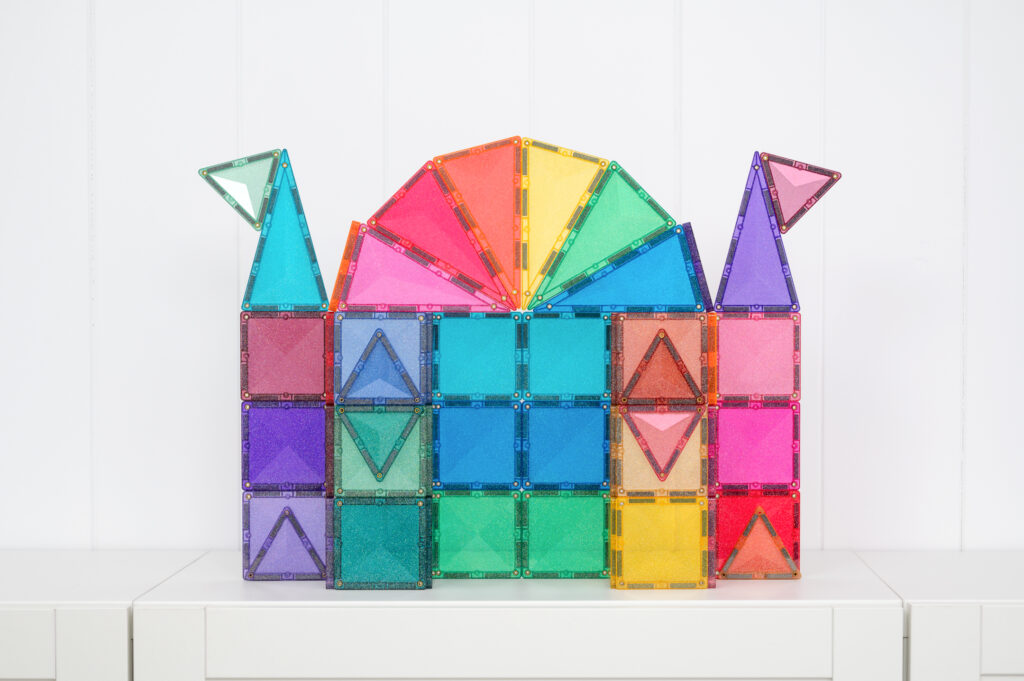
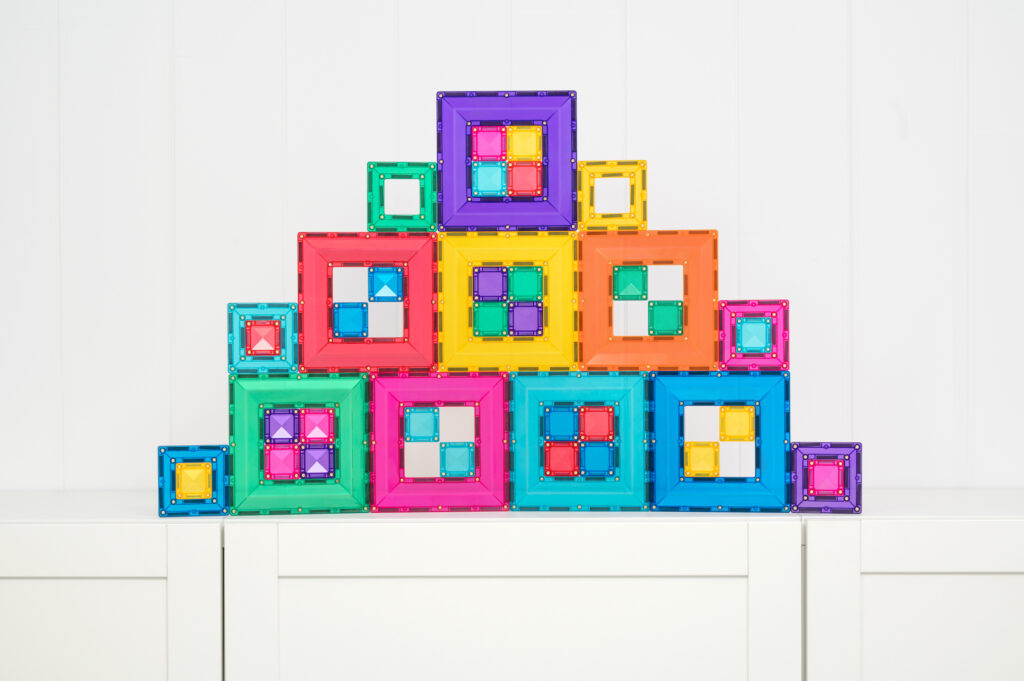
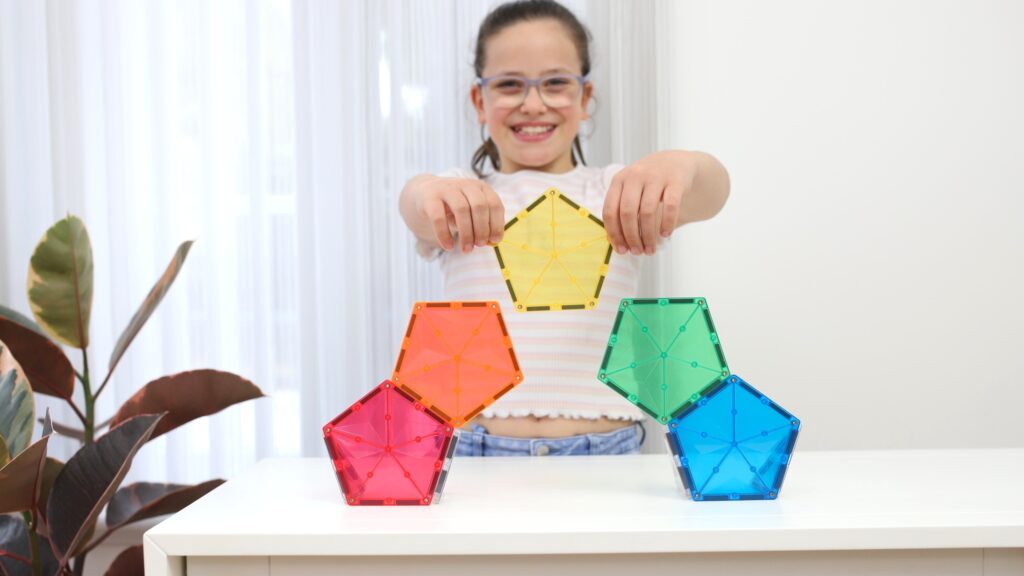
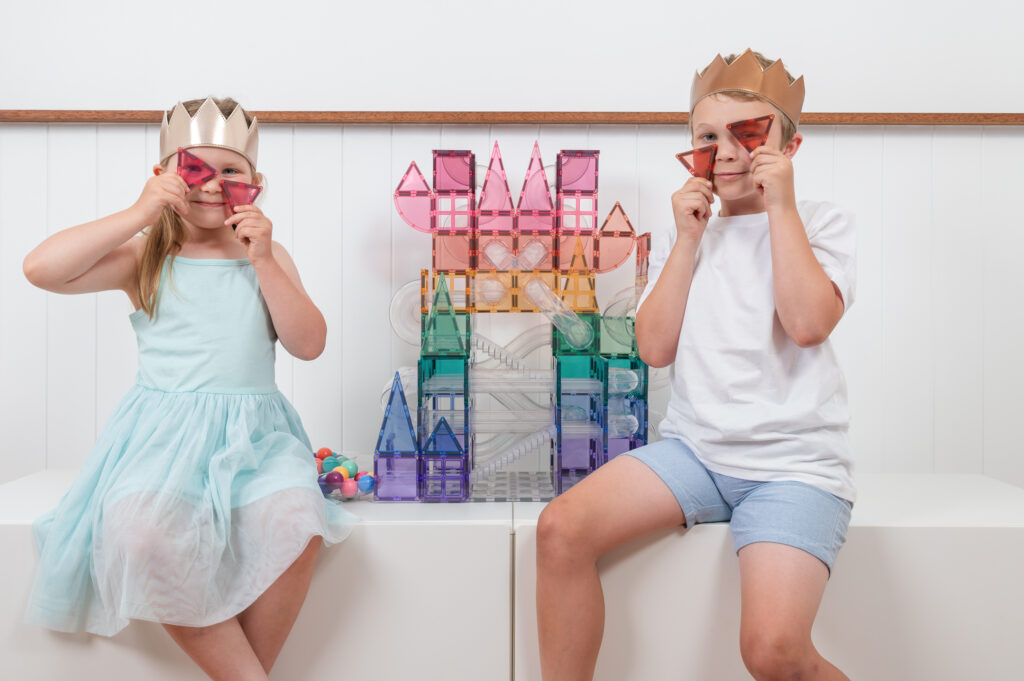
Even the refined, modern colours serve a purpose, they elevate the aesthetic and make the creative process feel more grown-up, more design-forward, and less “little kid toy.” For many tweens and kidults, this shift in tone makes a huge difference in how willing they are to re-engage in imaginative, hands-on learning.

What’s happening under the surface?

  • Executive functioning is engaged as kids plan, adapt and test structural ideas.
  • Working memory is used to keep mental blueprints in mind while building.
  • Spatial reasoning is challenged as they consider load, balance and rotation.
  • Cognitive flexibility kicks in every time something falls over or doesn’t go to plan.
  • Creative problem-solving is constantly at play as they design, trial and refine.


All of this, wrapped in what looks like simple construction play, is actually a high-level brain workout. And, unlike many educational experiences at this age, it’s driven by intrinsic motivation, not adult-imposed goals.

So, when your child spends an hour designing a spiral ramp or troubleshooting how to build a roof that won’t collapse, you can rest easy knowing they’re not just playing. They’re learning, flexing and growing; mentally, emotionally and socially. And they’re doing it in a way that honours their need for independence, agency and creativity.

These skills support not just academic learning, but confidence, emotional resilience and social adaptability.

You won’t always hear a child say, “Mum, I just enhanced my cognitive flexibility!” But you will hear things like, “Wait! I’ve got an idea!” or “What if I use this piece instead?” And that’s where the magic lives.

Play in Action: A Few Ideas

Below are some ways to re-introduce or reframe building-based play in a way that feels engaging for older kids, especially those who might say they’ve “outgrown” it.

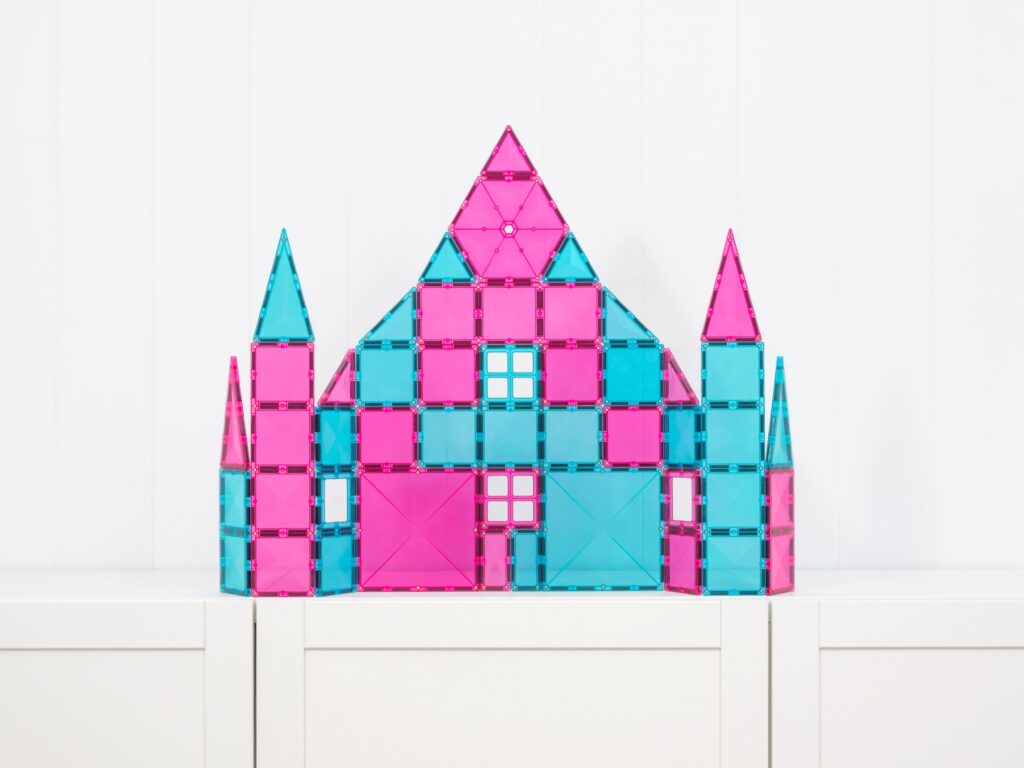
  1. Architect’s Challenge: Ask your child to recreate a real-world building or structure (Sydney Opera House, Golden Gate Bridge, your own house!) using shapes and tiles. Add layers by introducing constraints, limited colours, shapes or a time limit.
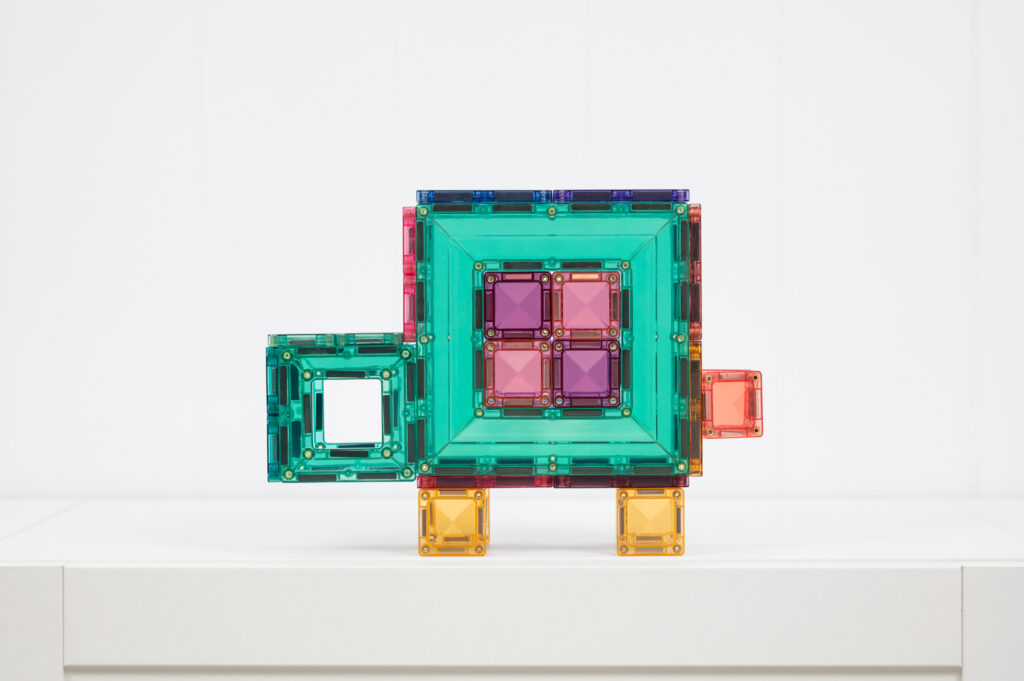
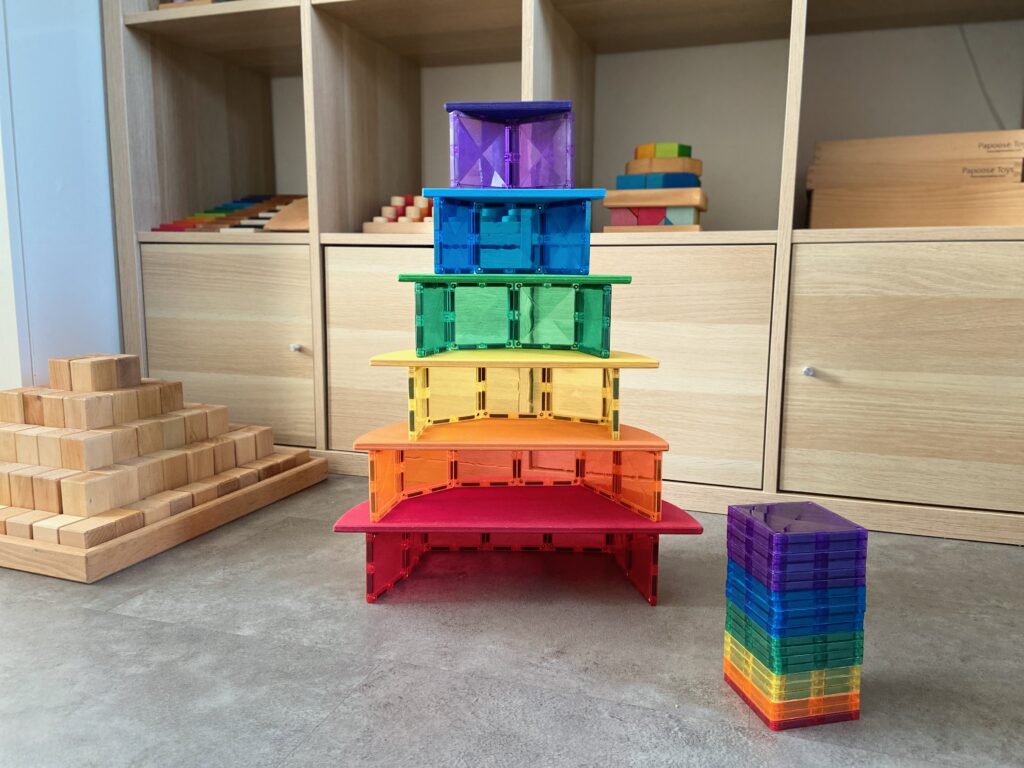
  2. Crash-Test Zone: Build a tall structure and introduce intentional instability, then invite your child to fix or reinforce it using their own ideas. This is especially powerful for developing engineering thinking.
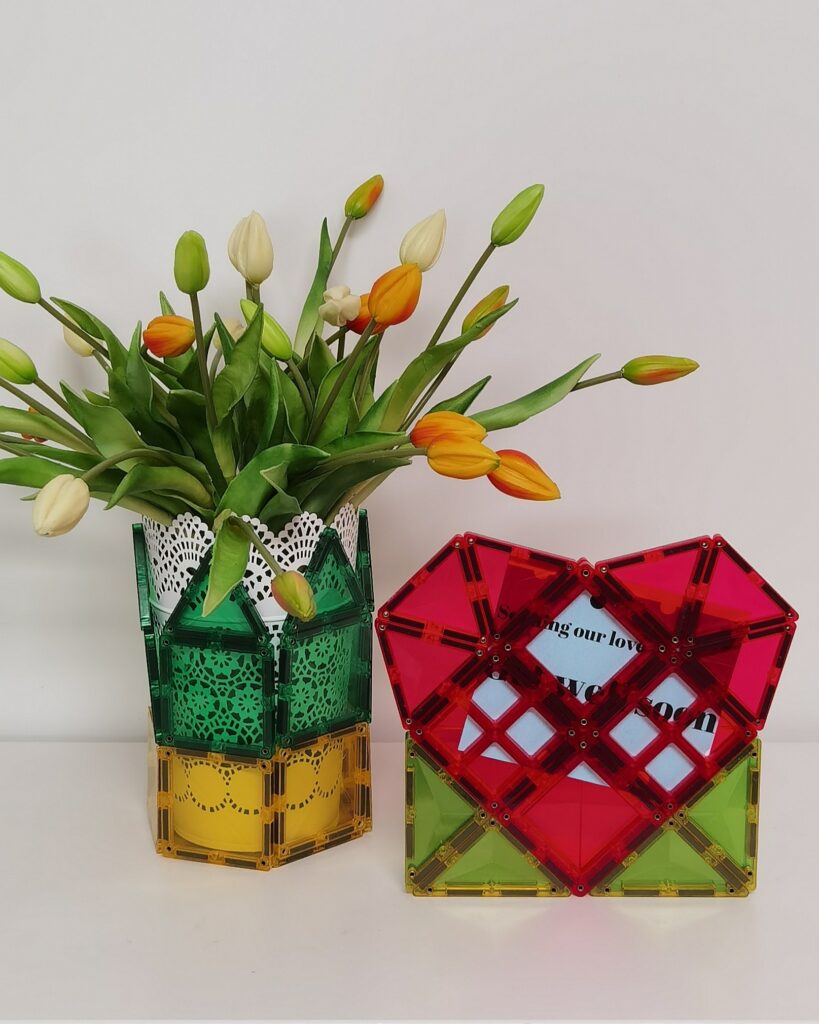
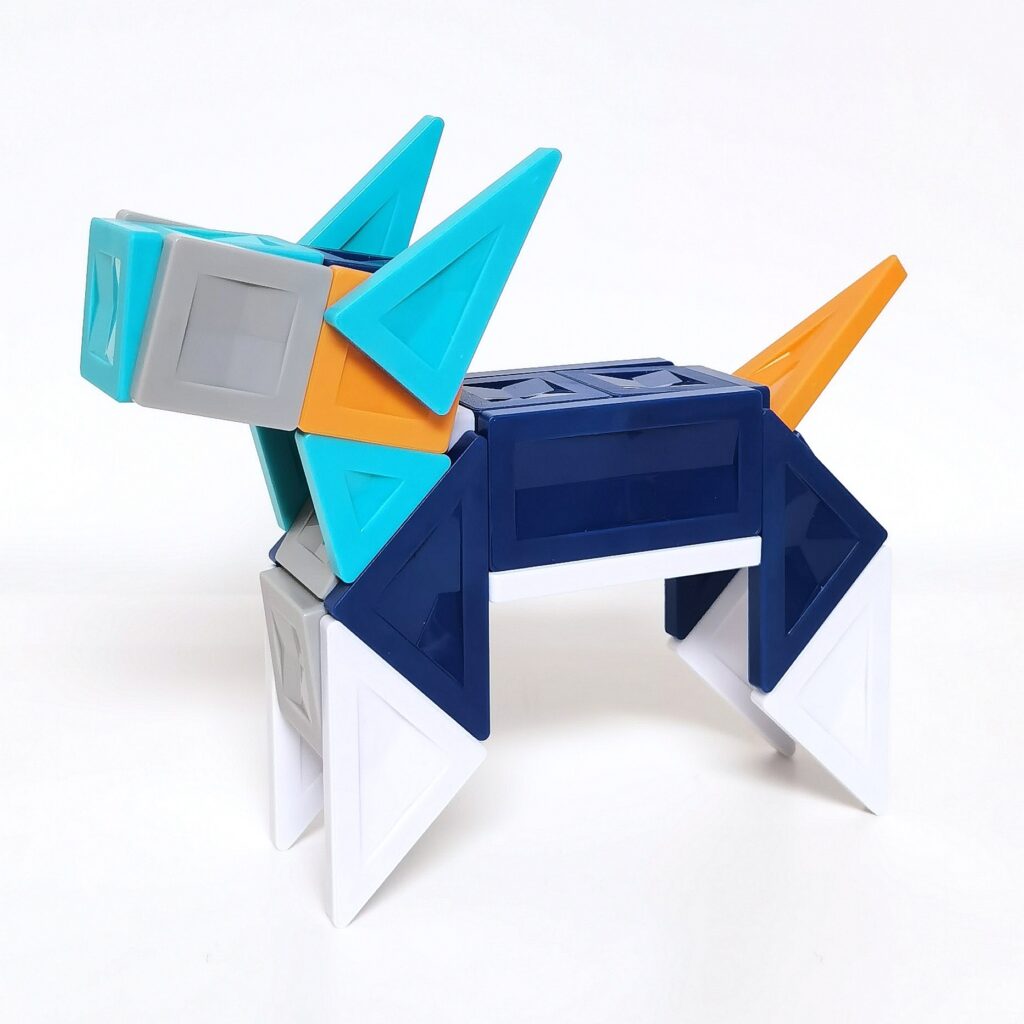
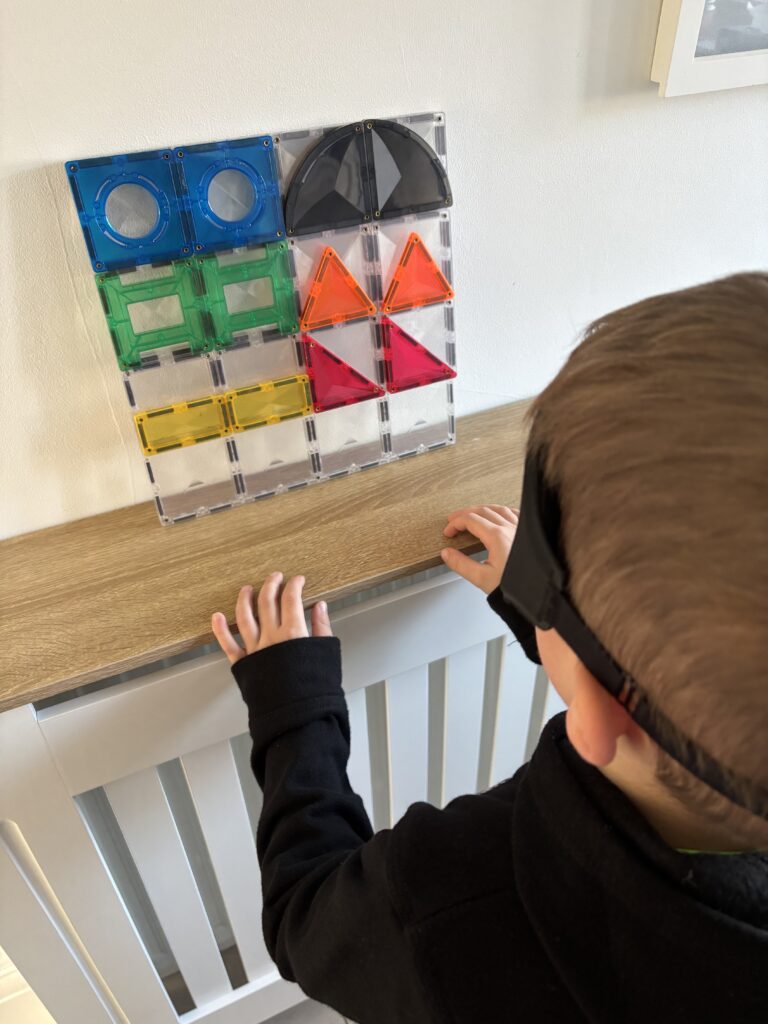
  3. Creative Symmetry: Invite them to make mirrored structures using tiles of the same colour and shape on either side. Use it as a launching point to explore pattern, balance and design.
  4. Solo Wind-Down Builds: Not all play needs to be loud or collaborative. For some tweens, especially those with big feelings or sensitive systems, solo building can be grounding. Think of it like mindful construction.

Supporting Their Language Around Learning

As children build using CONNETIX PRO tiles, the real growth often happens in the reflection, not just the result. Here are some phrases that help scaffold insight:

  • “What part was hardest to figure out?”
  • “I saw you thinking when that collapsed, what changed your plan?”
  • “What did you learn about structure?”
  • “You kept going even when it wasn’t working, what helped you stick with it?”


This kind of debrief builds metacognition, emotional insight and confidence, all without a whiteboard or worksheet in sight.

The MESH Connection

If you’ve read previous blog posts, you would remember we have spoken a lot about MESH learning. This type of learning is just as important for older kids as it is for our younger ones. When older kids engage in this kind of play, they’re not just “keeping busy.” They’re strengthening the three key pillars of development:

  • Mental Health: Exploring ideas builds a sense of competence, curiosity and intrinsic motivation.
  • Emotional Health: Coping with frustration and seeing projects through builds regulation and resilience.
  • Social Health: Collaborating (with siblings, parents or friends) builds communication and flexible thinking.


These skills don’t come from doing things perfectly, they grow through trying, failing, tweaking and laughing along the way.


Reframing Play for This Stage

We often assume that by age 10, kids are “too old” for play that doesn’t have a scoreboard or assessment tied to it. But these in-between years are ripe with opportunity for learning through doing.

Play isn’t childish. It’s creative. It’s complex. And it’s still incredibly valuable.

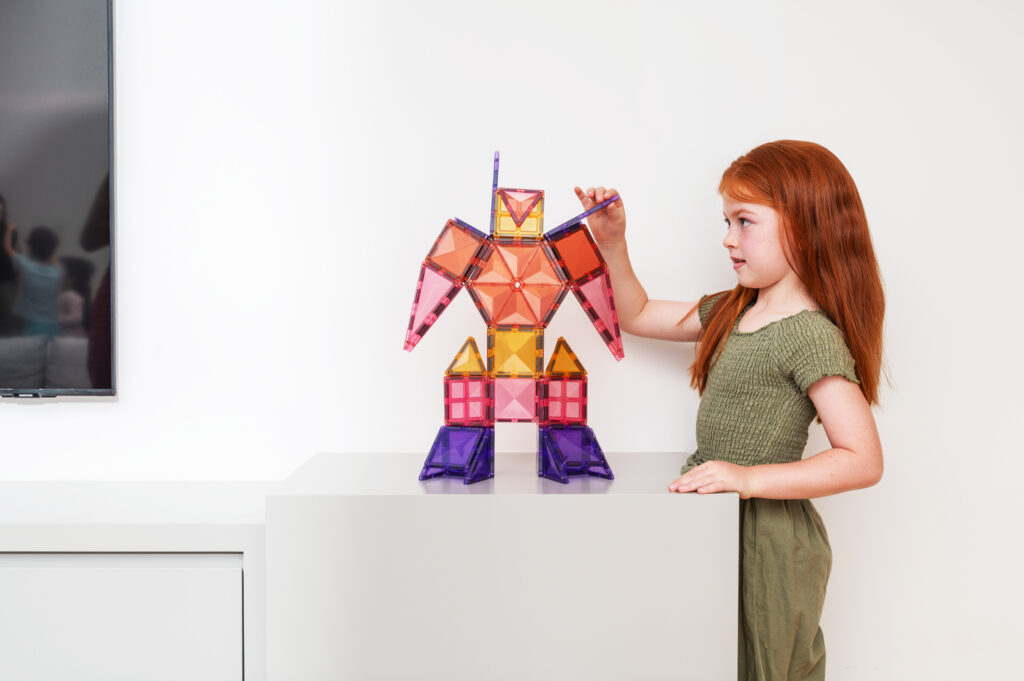
So, if your 11-year-old is sprawled on the floor building a spiral staircase that leads to nowhere… lean in. They’re not wasting time. They’re testing gravity, developing spatial reasoning and calming their nervous system all at once.

And if they’re using a CONNETIX PRO tile set with fancy colours and extra-strong magnets, well, even better. Because challenge, aesthetics and engineering possibilities are often the spark that brings older kids back to the table.

You don’t need to schedule more activities. You don’t need to buy a curriculum. You just need to protect a little space in your child’s world for open-ended creation, and trust that it matters, even if it doesn’t look like traditional learning.

Middle childhood isn’t the end of play. It’s just a chance to level it up. 

And those scattered tiles on the floor? That’s not just a mess. That’s mental, emotional and social growth in progress.

You might also enjoy

Stay Updated

If you’d like to be informed when we release one of our new articles about open-ended play and STEAM concepts, please subscribe below.

Join the CONNETIX Club

Access free downloads, exclusive offers, sneak peeks & more!

You might also enjoy

Sign up to the CONNETIX Club!

As a CONNETIX Club member you will be the first to receive the latest play inspiration, expert advice, exclusive updates on our products and giveaways, as well as special offers JUST for Connetix Club members.