Maximising educational impact with “Hands-On” learning approaches
In a world that is fast-paced and rapidly changing, have you ever wondered what this means for future generations and in particular, what this might mean for their education? You might also question, how can teaching practices meet the needs of today’s developing young minds? In this article, I will be sharing insights of “Hands-On” learning approaches and how they ultimately provide the tools for children to thrive in their learning and in life!
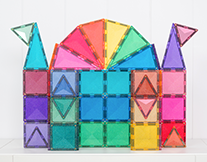
CONNETIX Tiles are the epitome of practical and experiential learning resources. I will share the benefits of hands-on learning and how resources like CONNETIX can be easily applied to either a classroom setting, small group or simply when engaging in play at home.
What is “Hands-On” learning?
In essence, Hands-On learning is learning “by doing.” It’s a meaningful approach that focuses on the process of learning and skill acquisition, basically, it is learning how to learn! This practical teaching method allows children to learn through their experiences and encourages the use of trial and error, curiosity, and flexible thinking to achieve an outcome. It is in “doing” that children grasp that there are often many ways to reach a goal which helps to foster creativity and build entrepreneurial skills. Through real-life scenarios and project-based tasks, children develop self-awareness and gain invaluable insights into the world around them. What I truly love about the Hands-On methodology is that it allows learning to occur organically; it can be spontaneous and incidental, which often means children are having FUN and engaging in PLAY – all whilst building their confidence and the connections in their growing minds.
Student engagement – it’s at the heart of learning:
The importance of nurturing a lifelong love of learning cannot be underestimated! As we all might have experienced at some point either through our own experiences or within our children’s education journey, traditional teaching approaches and rigid classroom environments can exacerbate learning challenges. Believe me, working in a mainstream Secondary Education setting as a Wellbeing Coordinator, I have unfortunately had many encounters with young people that have difficulty engaging in school, more often due to the education approach not meeting their learning needs. Students with learning difficulties, disabilities or simply most children can find it challenging to sit for long periods of time to process verbal or written information often loose interest in the content. This can lead to a decrease in motivation to complete the task, a lack of confidence in their own abilities and consequently, gaps in their learning.
Understandably, school disengagement has adverse effects on children however the good news is there is certainly a better understanding and progression in the education system to meet the needs of 21st-Centuary learners.
Benefits of Hands-On learning approaches:
I have had the privilege of being involved in a Hands-On learning program in a school setting and have first-hand insights of the remarkable benefits on children’s educational outcomes.
Fostering a love of learning
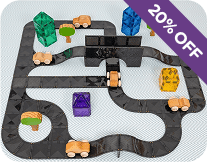
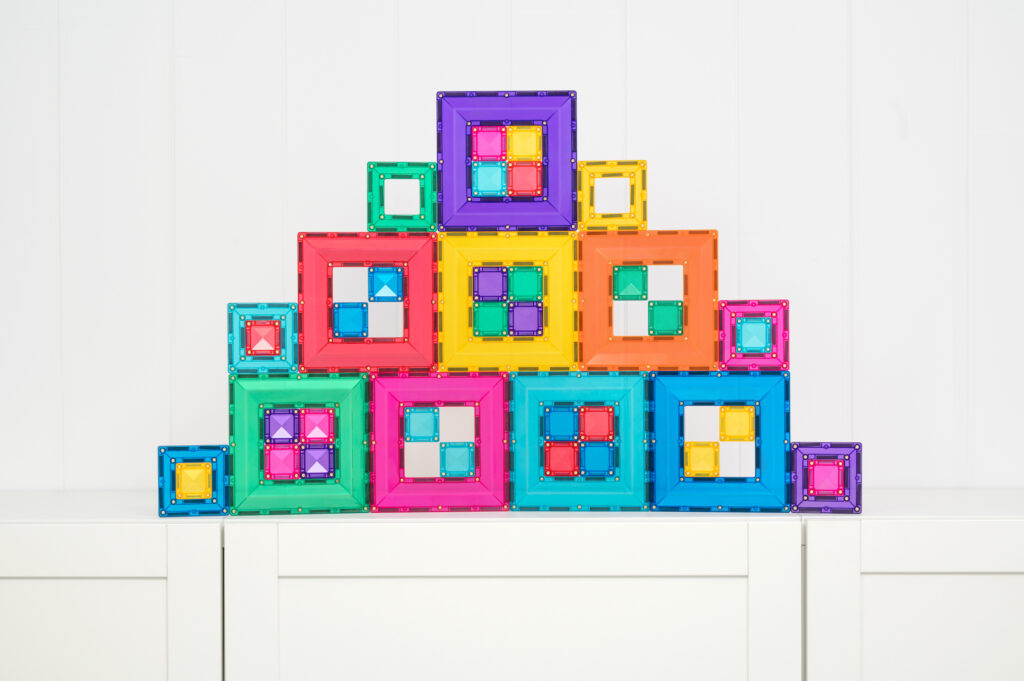
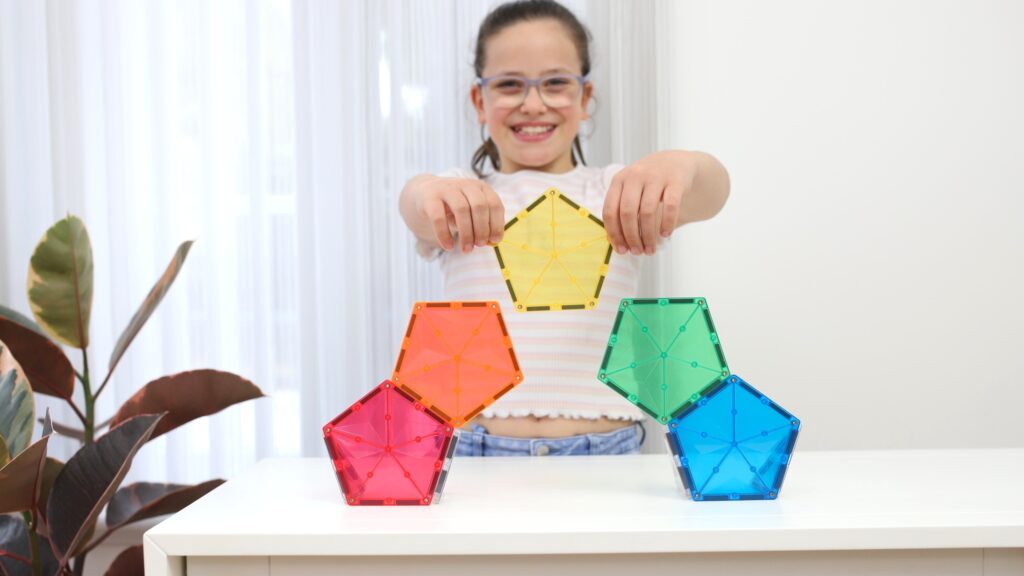
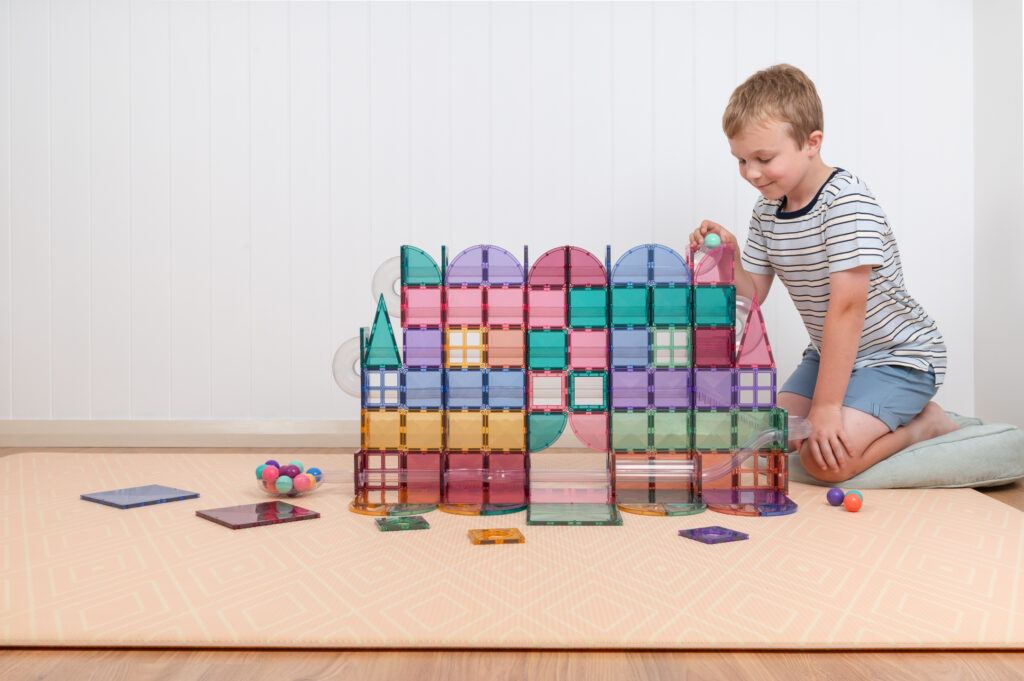
It’s a no-brainer that if a child has a willingness and enthusiasm to learn they will grasp the concept much easier and be able to apply these insights across all areas of life. Hands-On learning is certainly a motivation-booster; when a child values their learning, is engaged in a project that has real-meaning and is having FUN in the process, they are inspired to learn more! With bright and aesthetically pleasing colours, a huge range of tile packs and signature add-ons like the ball run, children will be effortlessly immersed in any lesson with magnetic tiles.
Builds curiosity and flexible thinking
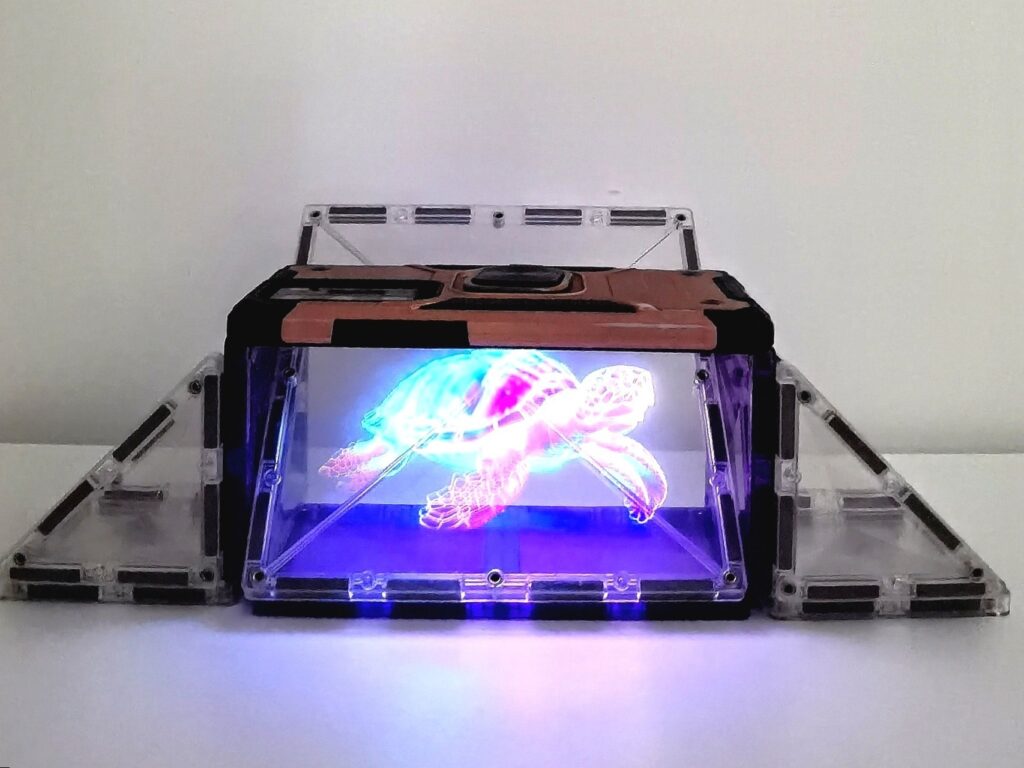
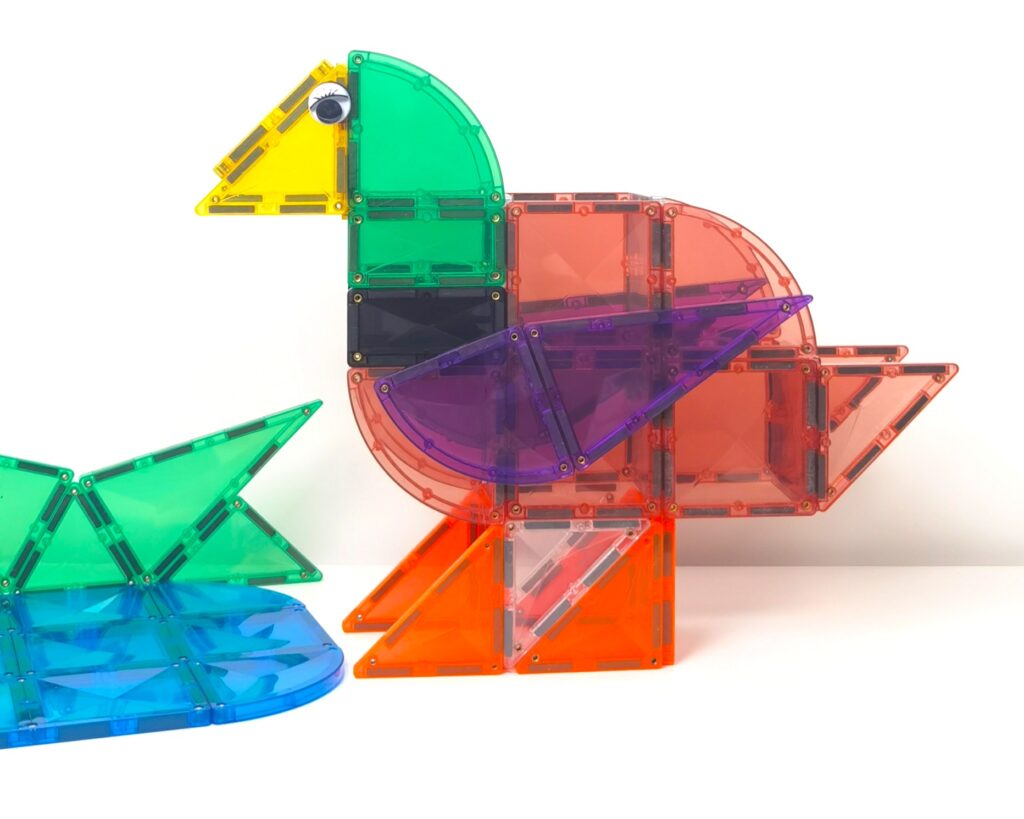
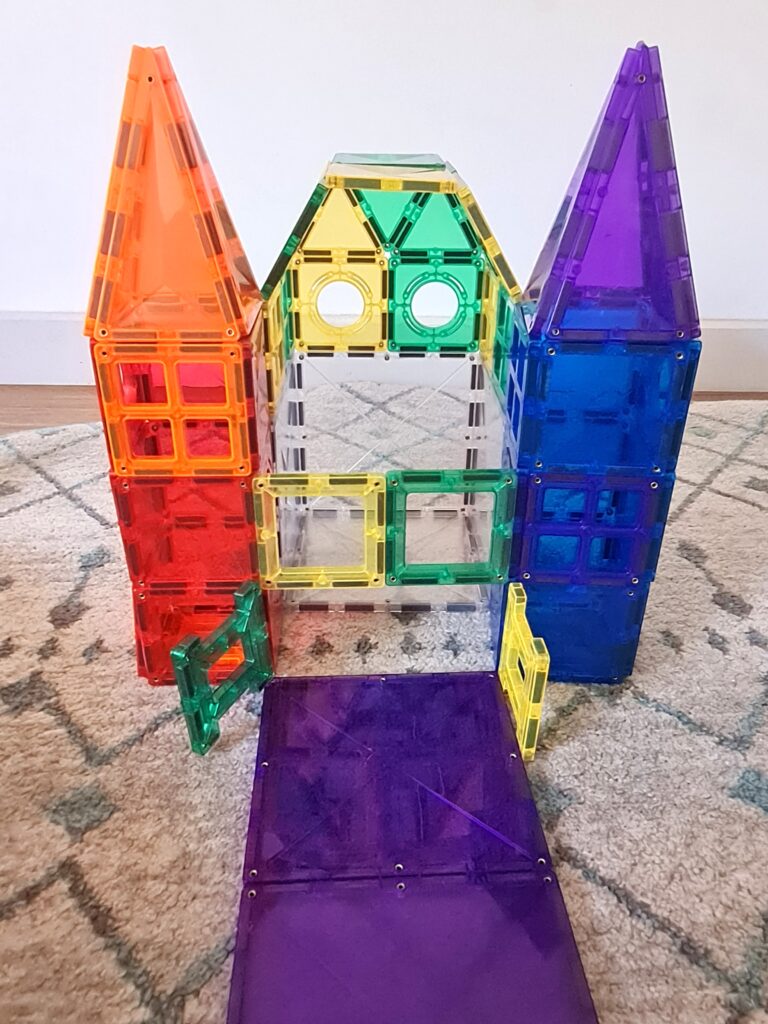
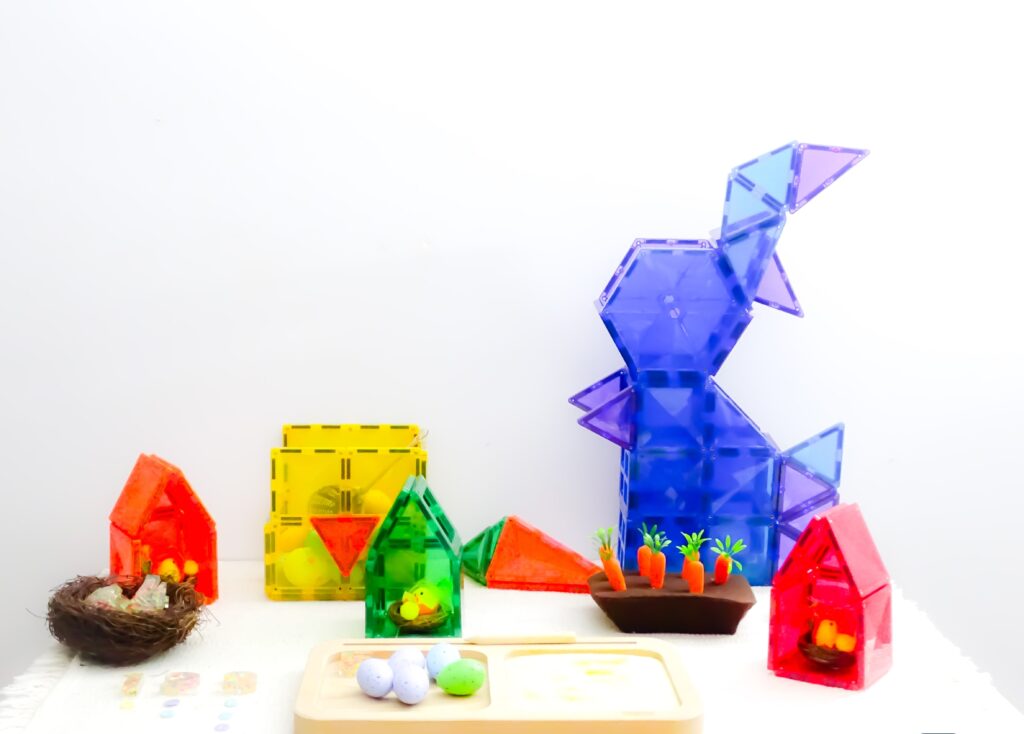
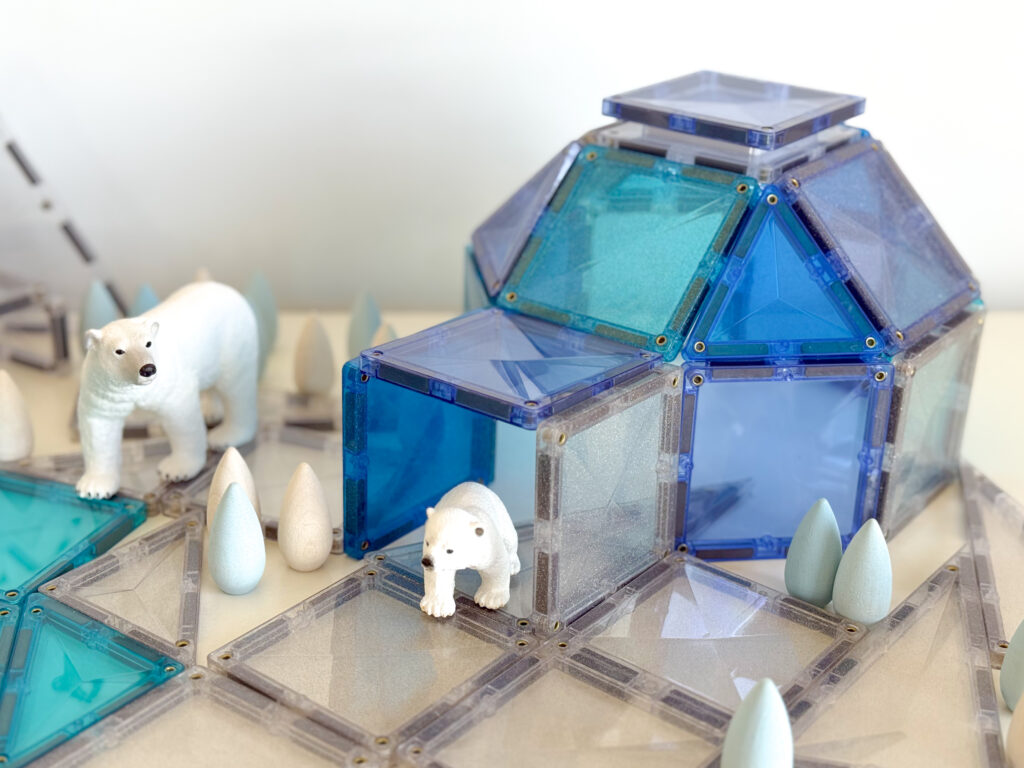
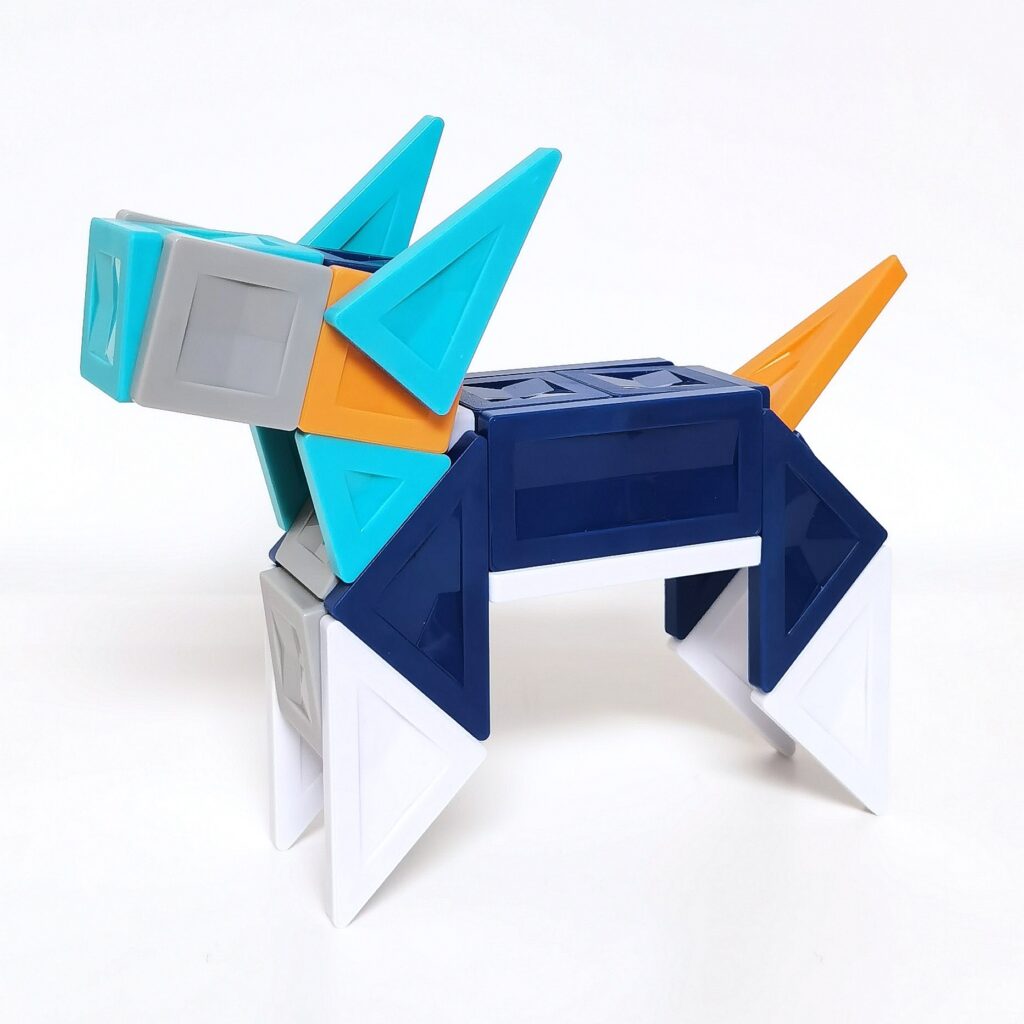
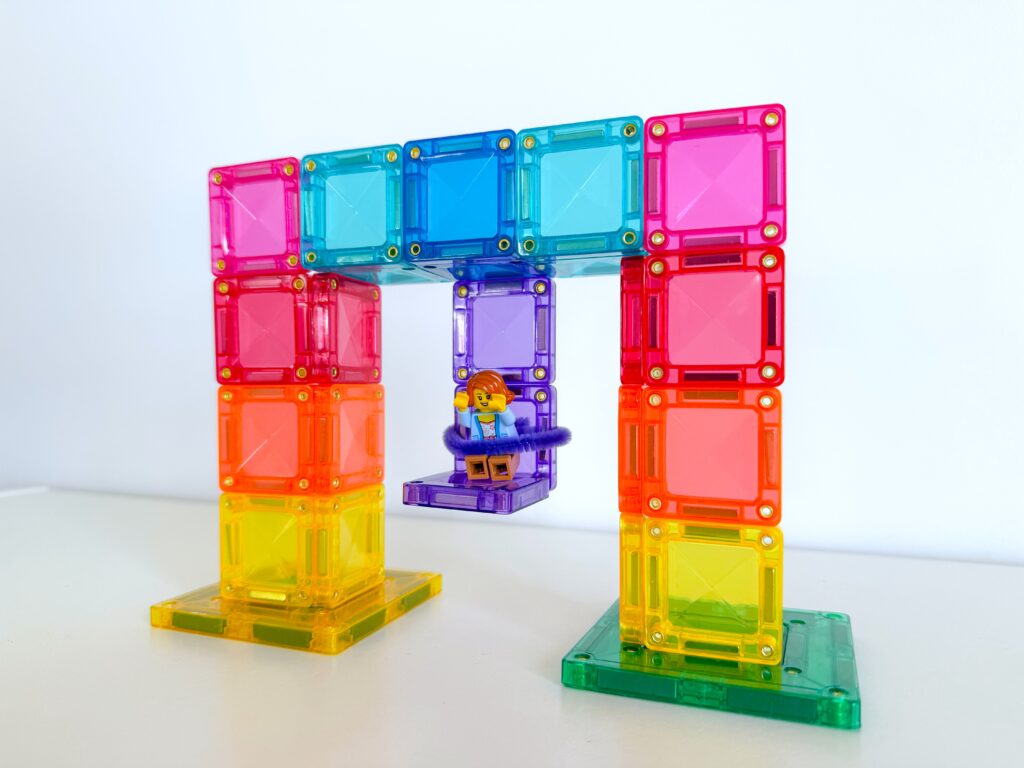
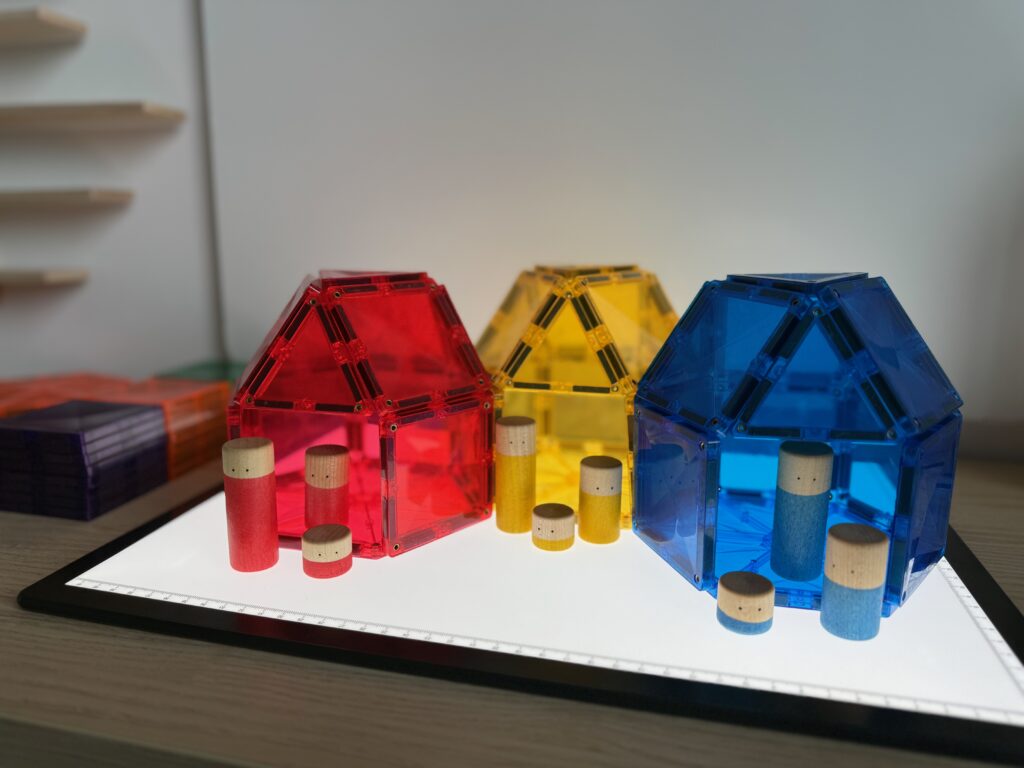
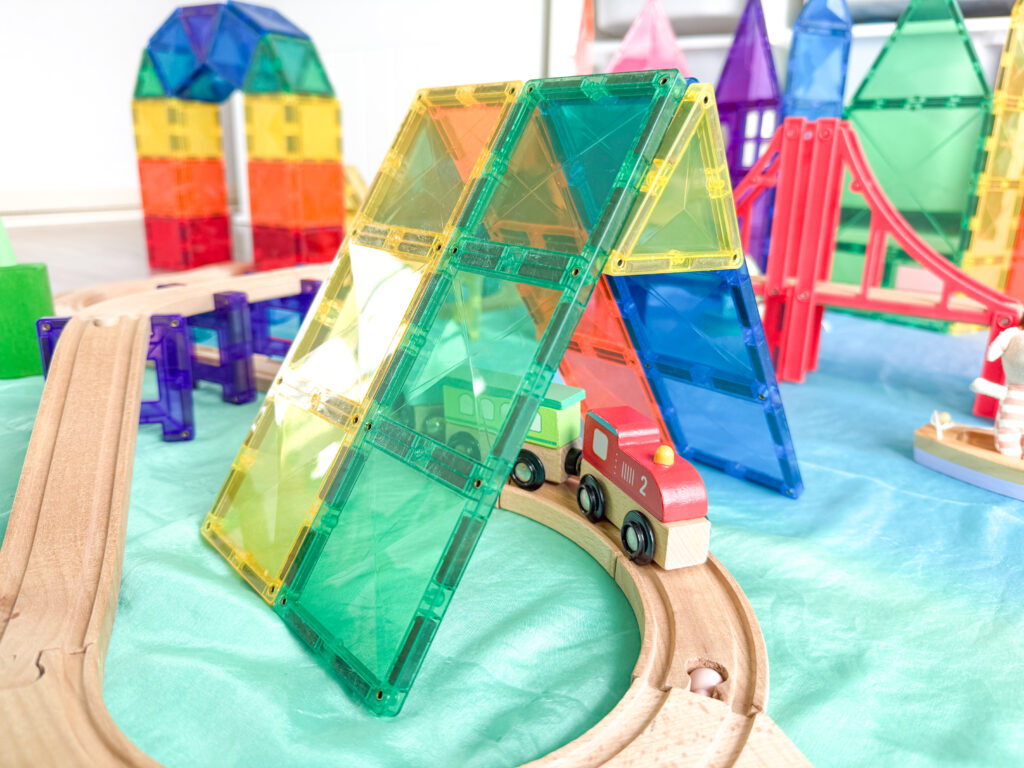
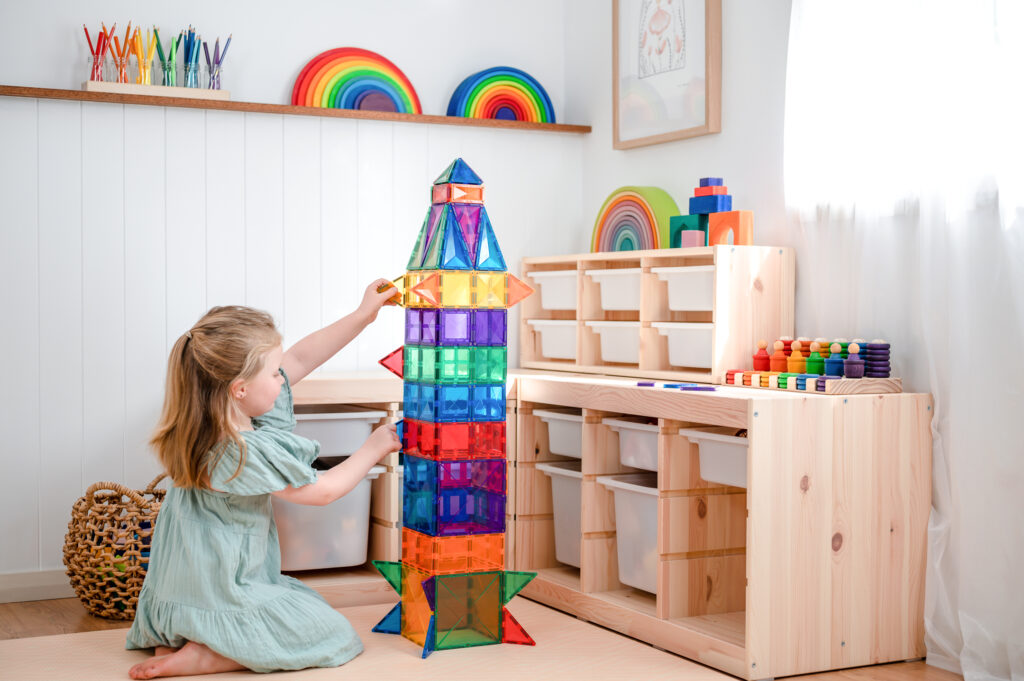
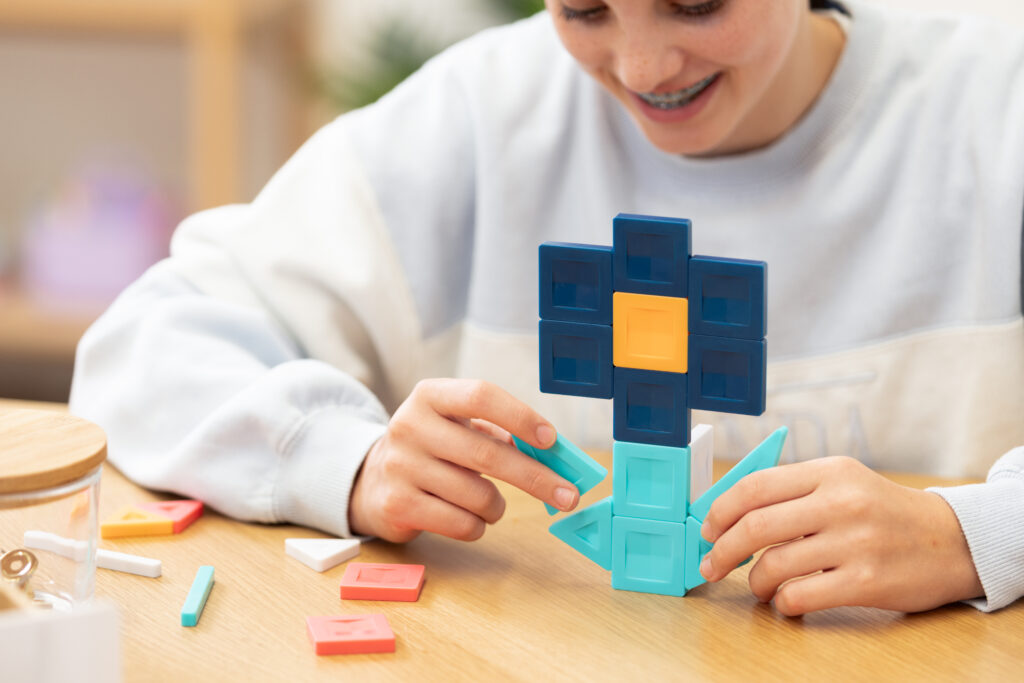
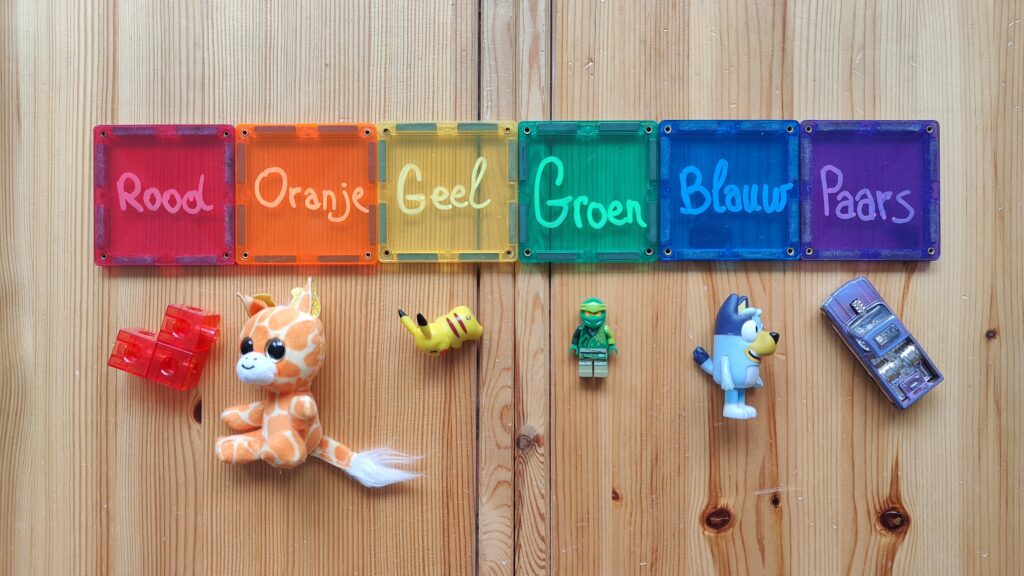
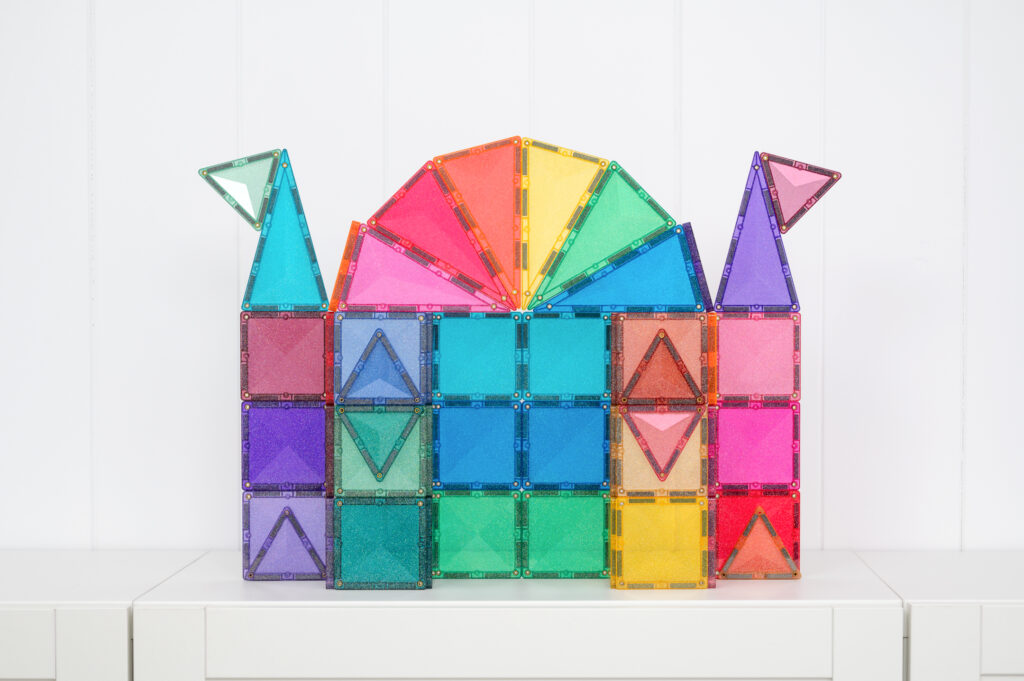
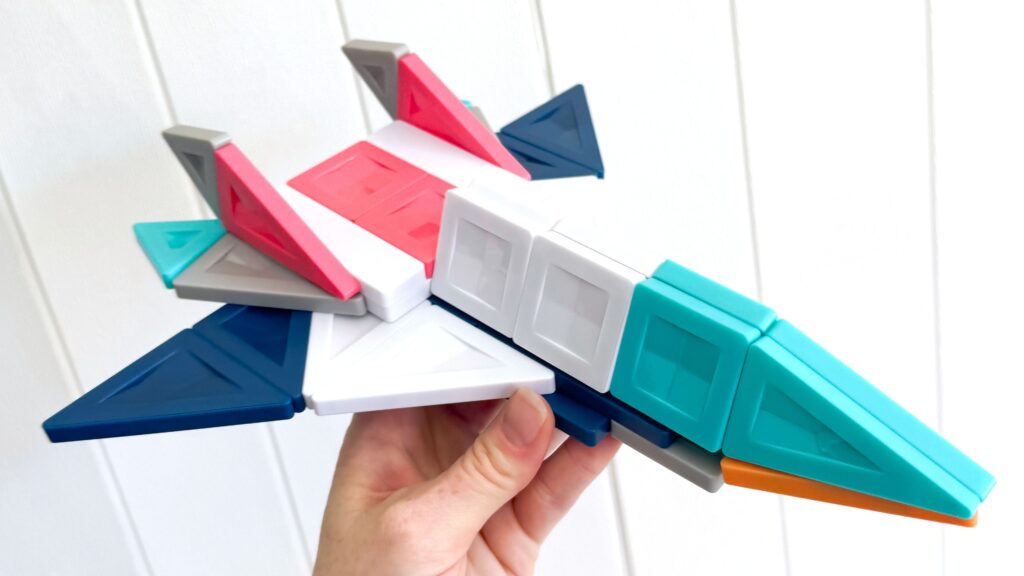
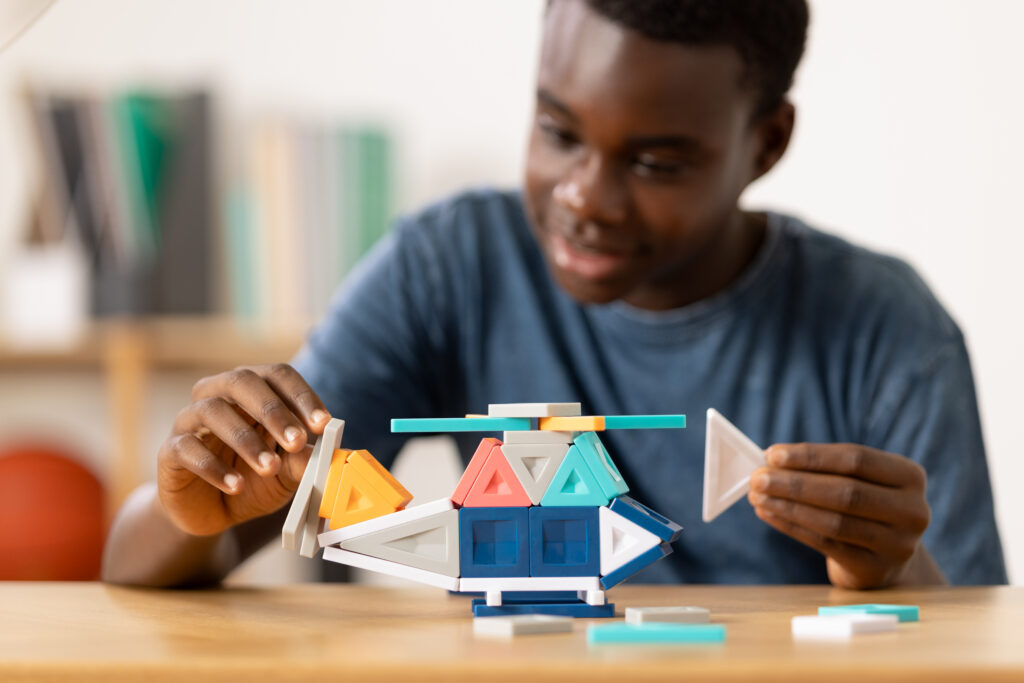
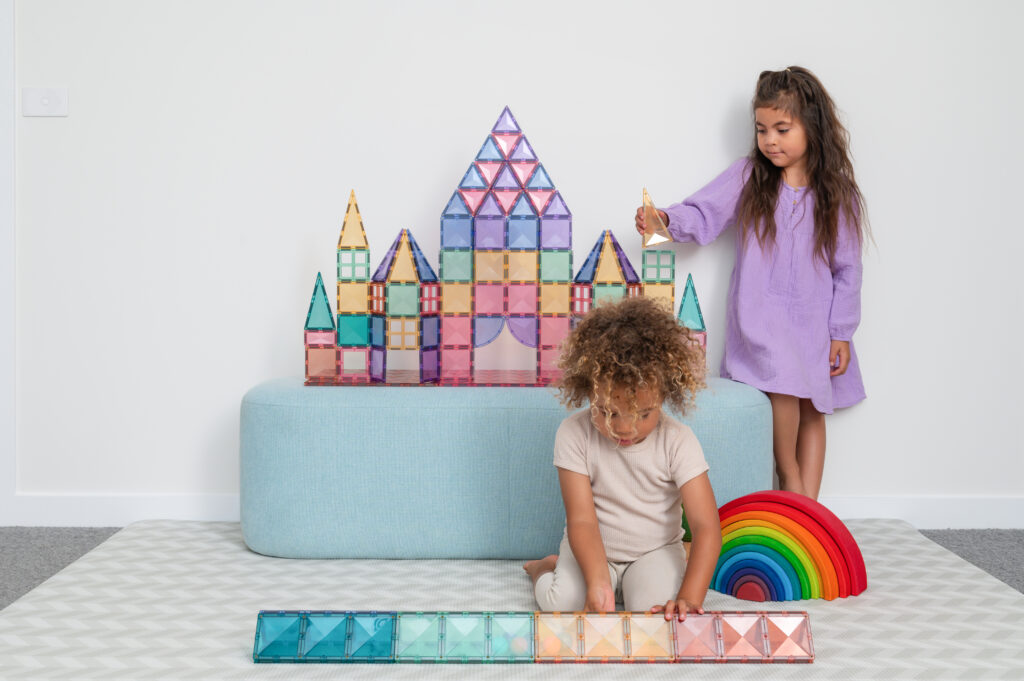
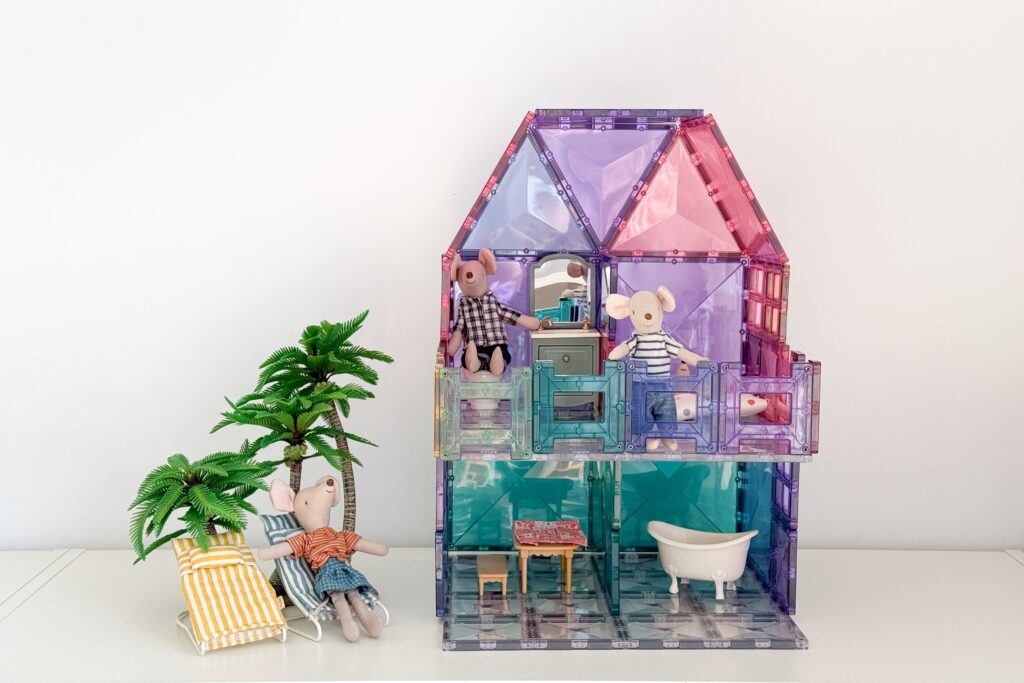
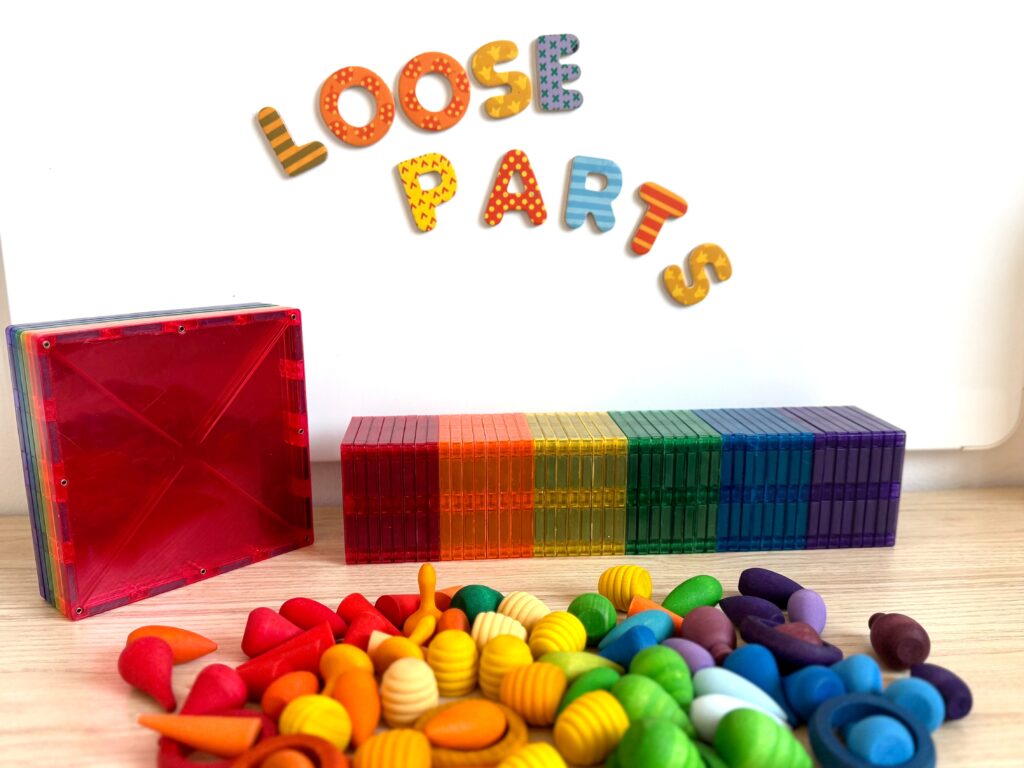
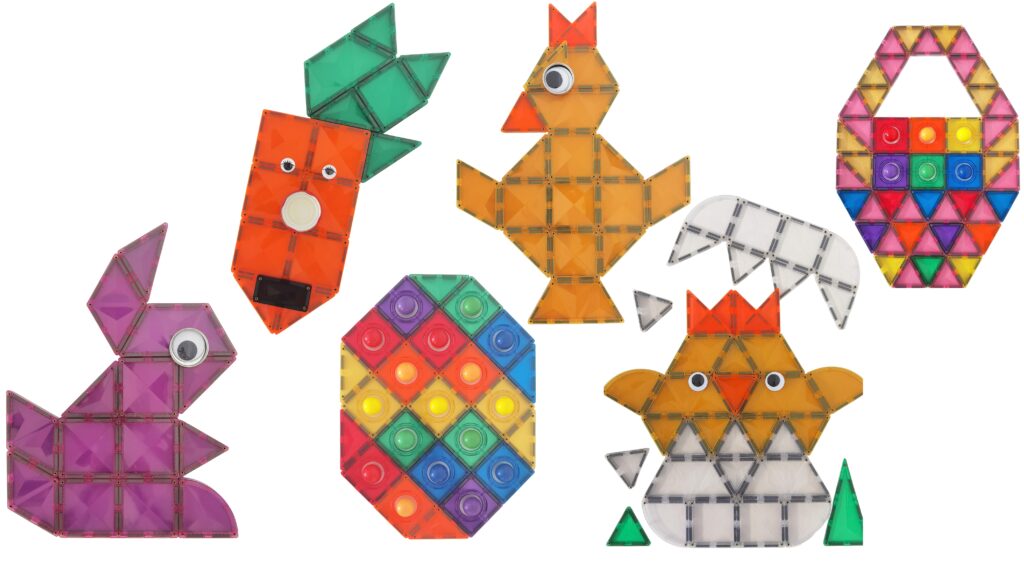
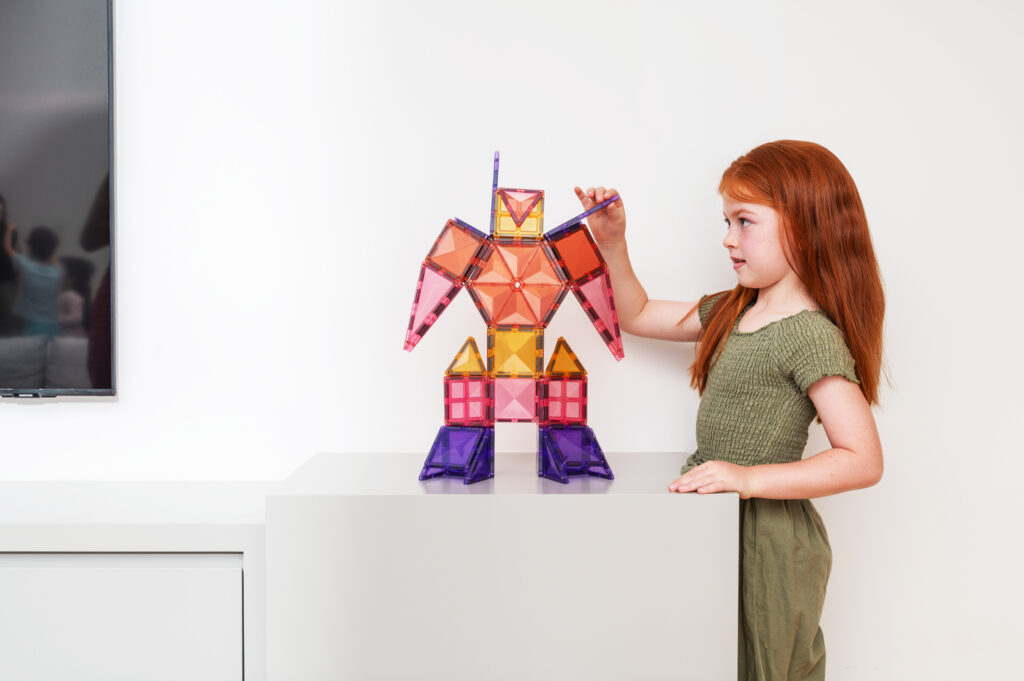
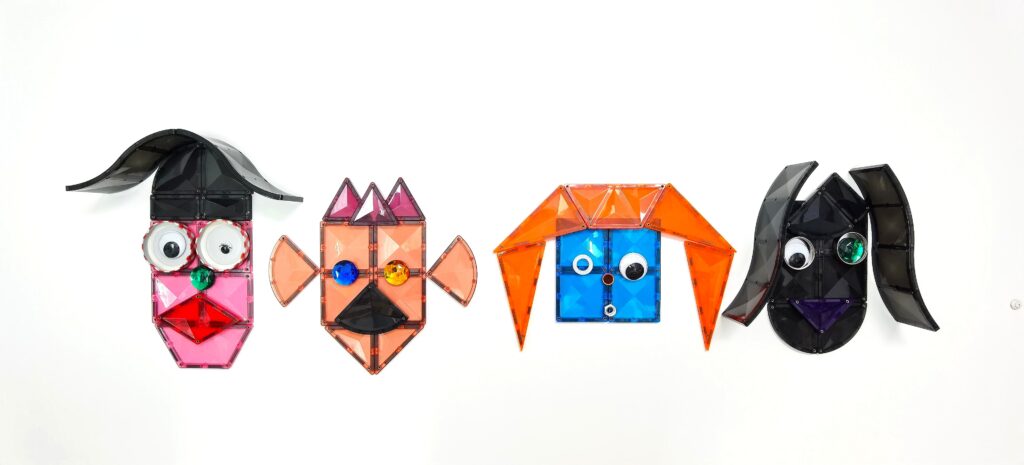
Children are naturally curious and want to explore their environment. Hands-On learning provides the space for wholesome learning to occur. When engaging in “doing” activities children are more likely to be curious about other possibilities and demonstrate resilience in doing so. It is within this “growth mindset” that creative and “outside the box” thinking is truly ignited. Open-ended and versatile resources like CONNETIX allow children to develop their curiosity and imaginations. From spaceships, carousels, skate parks, train tracks to cafes; families are creating incredible builds within the CONNETIX community and each of these can be seamlessly applied to theoretical concepts.
Promotes outdoor and nature-based learning
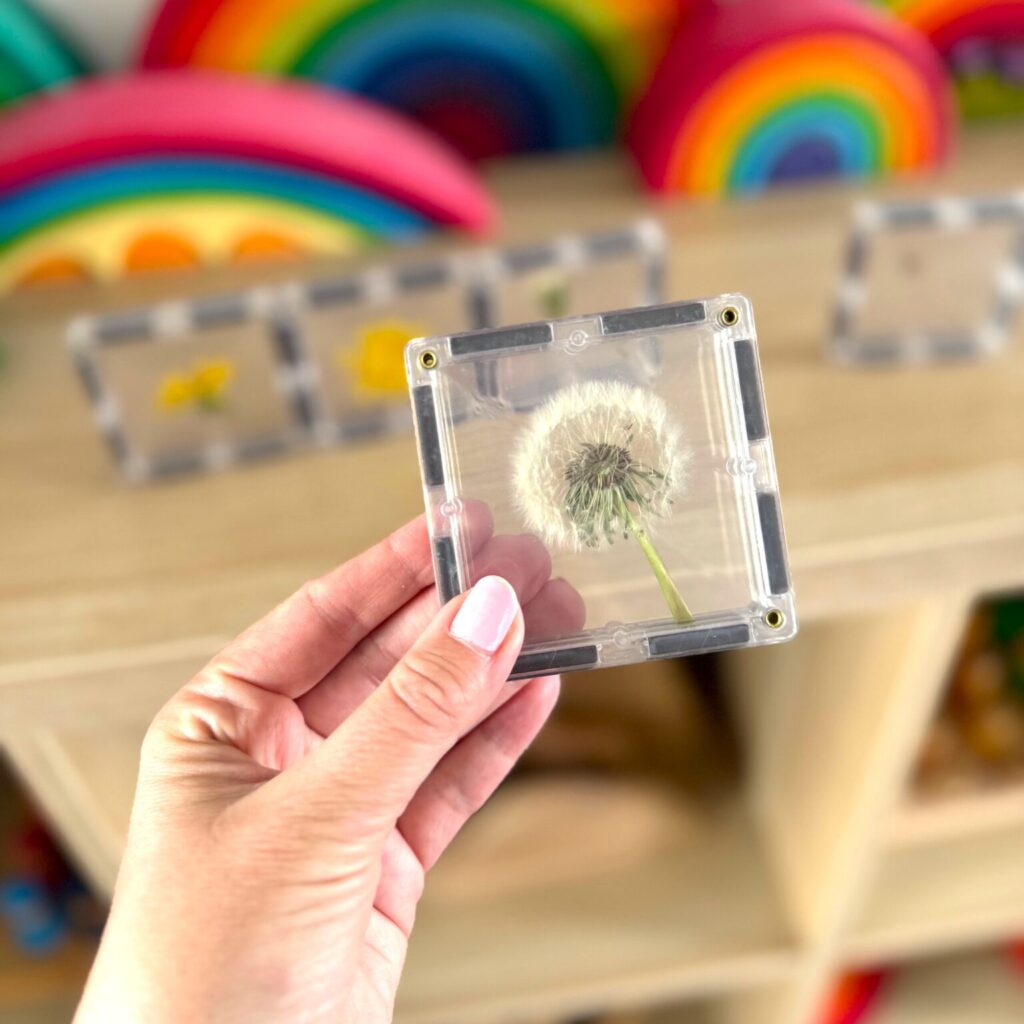
Both research and wisdom prove that children thrive in their natural environment and the possibilities of outdoor learning is endless! There is so much scope to provide nature-based experiences when engaging in Hands-On learning and when coupled together, this is when magic truly happens! CONNETIX champions outdoor education with so many opportunities to explore aesthetically pleasing reflections and refractions, through creating vertical builds on windows or garage doors, and even preserving flowers!
Participation and teamwork
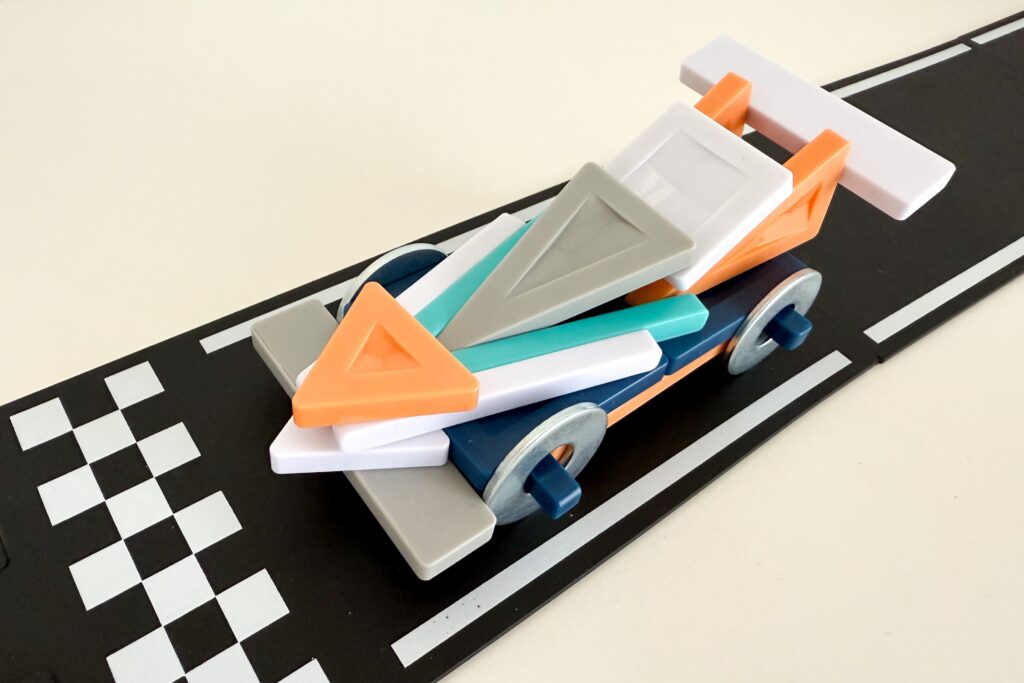
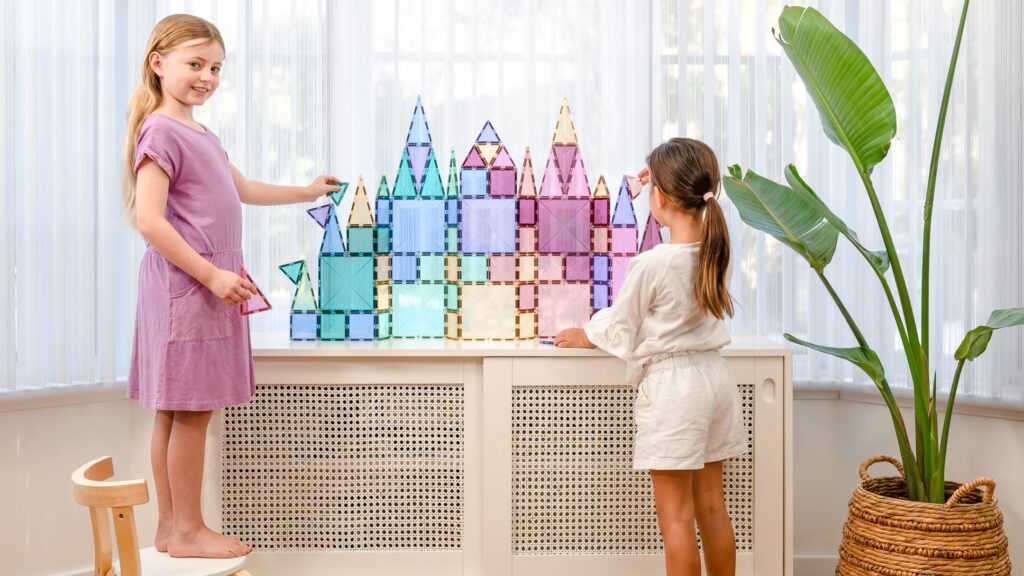
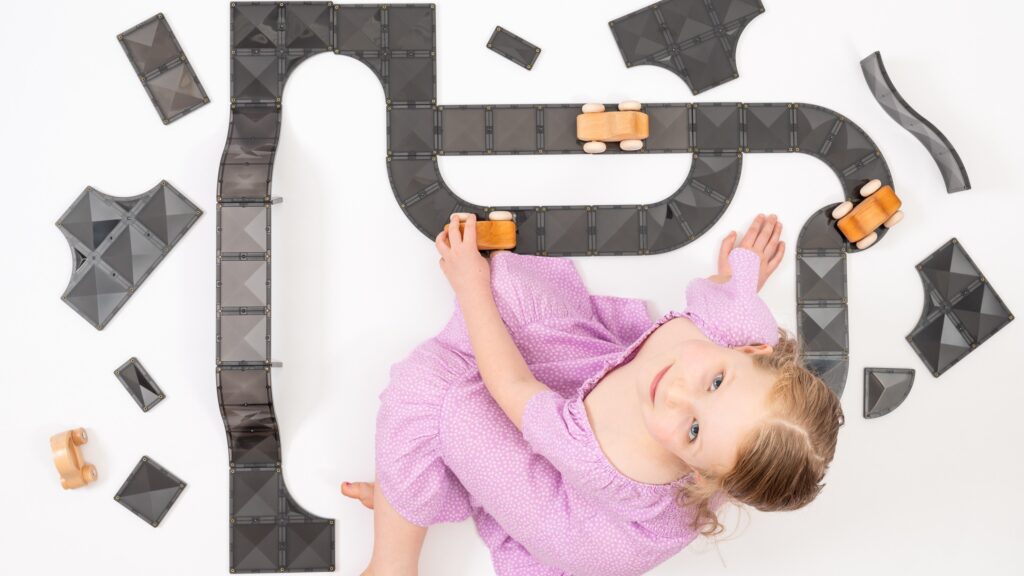
Children are truly ACTIVE participants in Hands-On learning! These applied approaches encourage children to be involved increasing their engagement. Often, project-based tasks involve other peers, meaning children learn how to negotiate, respect differences, collaborate, build relationships and work towards achieving a common goal. It cannot be underestimated how rewarding and beneficial it is for young people to feel a sense of belonging with their peers, often naturally occurring through teamwork. If you are seeking a high-energy and jam-packed session for a group of children, look no further than the CONNETIX ball-run! Child can team-up to build their signature tracks and race one another; a feel-good activity all whilst gaining invaluable skills like collaboration, teamwork, communication, and cooperation.
Self-awareness and emotional regulation
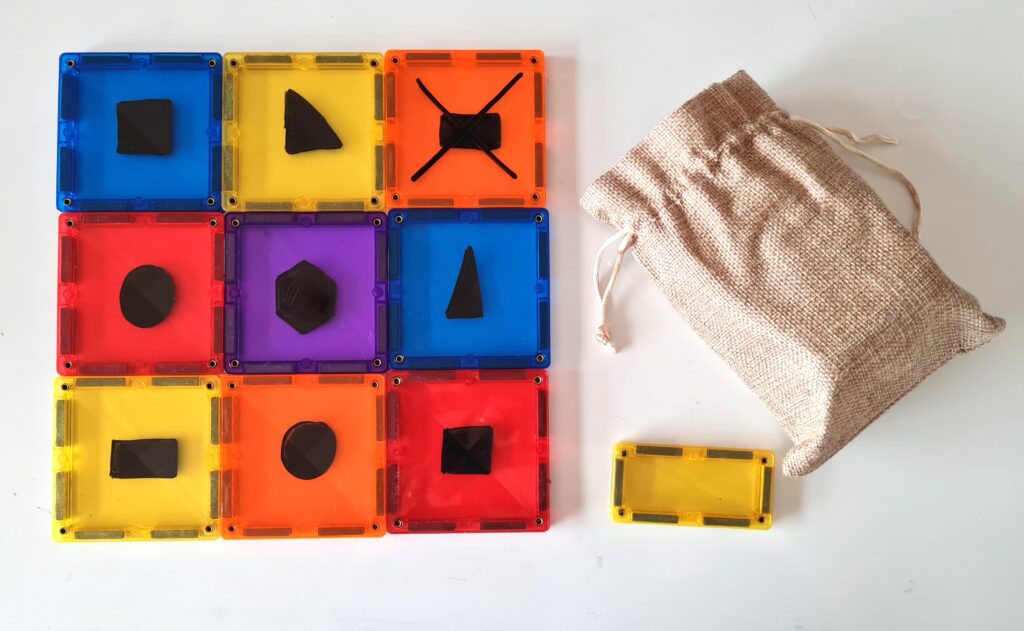
For a child to learn they must first display a “readiness to learn” and feel calm in order to activate their executive functioning. When a child is moving their body, they are naturally better able to regulate their emotions and concentrate on the task at hand. Hands-On learning allows for introspection and a better ability to tune into oneself. Coupled with the benefits of peer reflection, Hands-On learning approaches enhance fundamental social and emotional skills. CONNETIX can be easily implemented as a sensory based and self-regulation tool to support children to self-manage their arousal levels. Through creating calming shapes like mandalas, solving puzzles, simply used as a fidget tool or from the therapeutic soundscapes of a ball travelling through a staircase; each of these activities provide opportunities for children to self-regulate and consequently, optimise their learning.
Real-time feedback
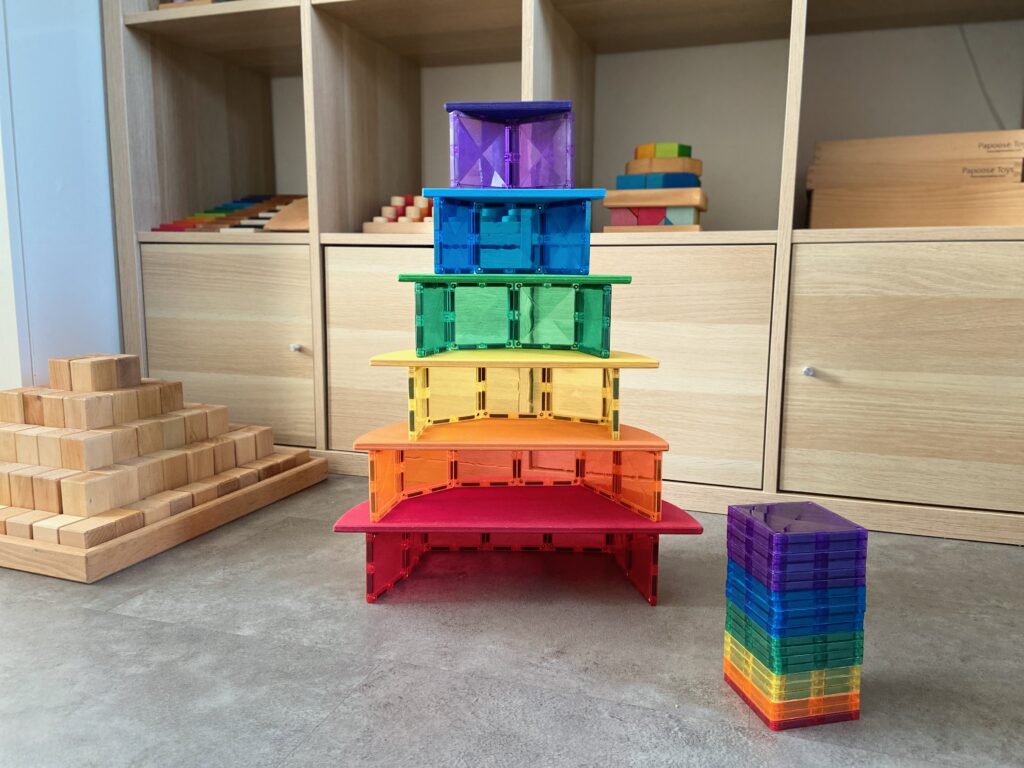
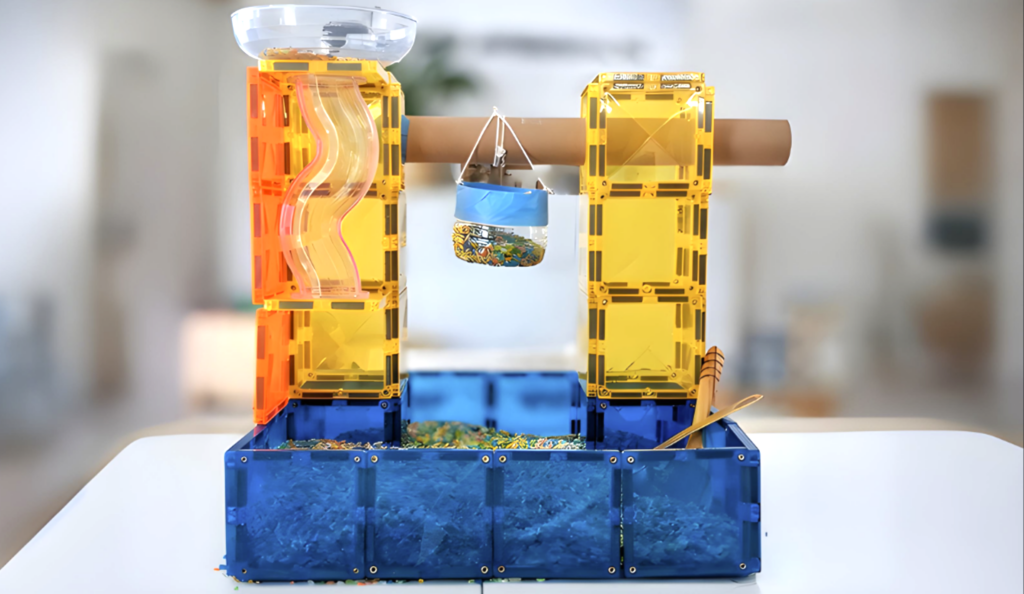
A key benefit for children is receiving feedback while engaging in a task. This can be individual feedback through trial and error, cause, and effect, or through insights from their peers. Hands-On learning allows children to adapt and apply new learnings while engaged in a task and when it matters, which has the biggest impact on their learning. As we know, PLAY is key in enhancing childhood development. Particularly during the early years, children rely on tactile feedback to learn about the world around them, this is a primary example of “real-time” feedback. Whether it is through creating a large vertical build, constructing dominos, or engineering a ball-run, CONNETIX provide endless possibilities for children to explore concepts of gravity and motion. Children can manipulate, re-design and innovate their builds based on their insights of “real-time” feedback from the task at hand.
Retention
It is no surprise that when “doing” we are more likely to retain information. A fantastic example of this is thinking back to your own schooling years; what classes and information can you still remember? The first subjects that come to mind are Science, Physical Education, Art, and Cooking, and what do they all have in common? Hands-On based learning!
Diverse learning modality
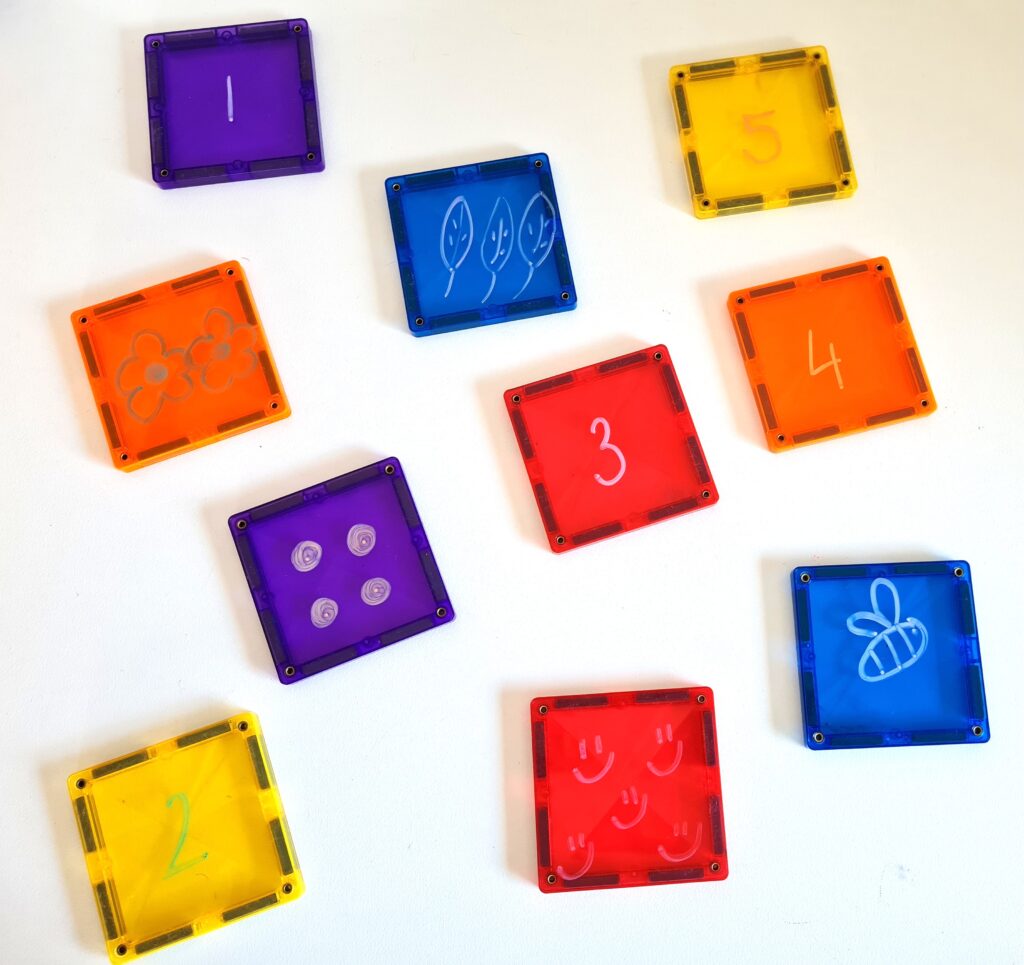
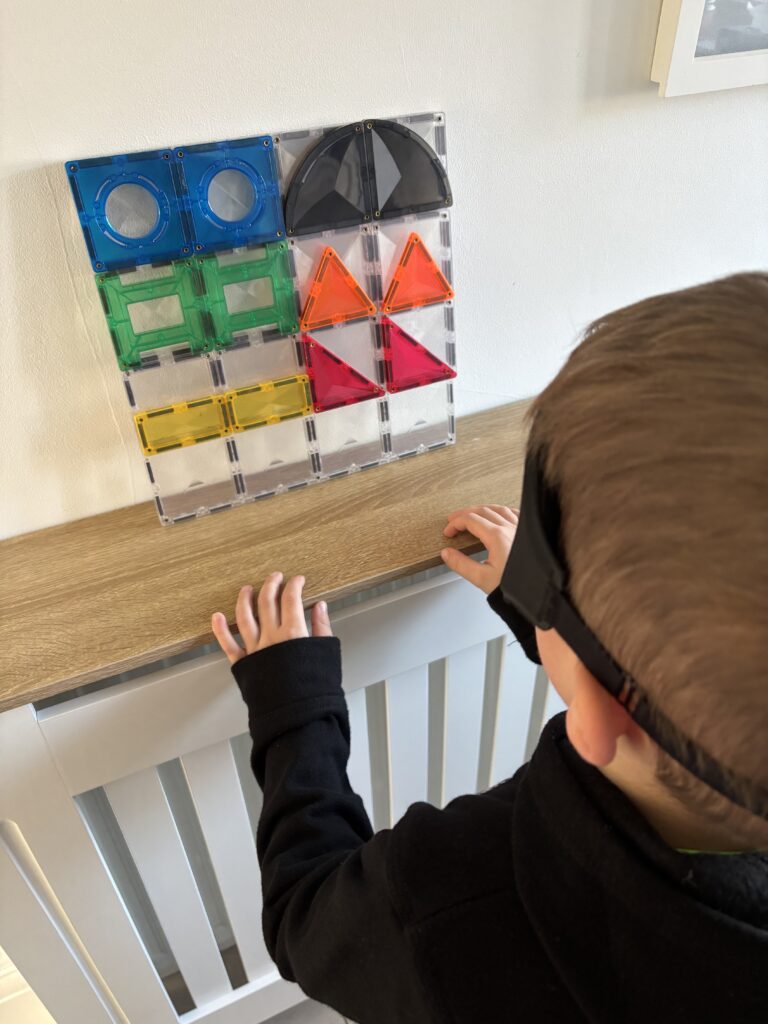
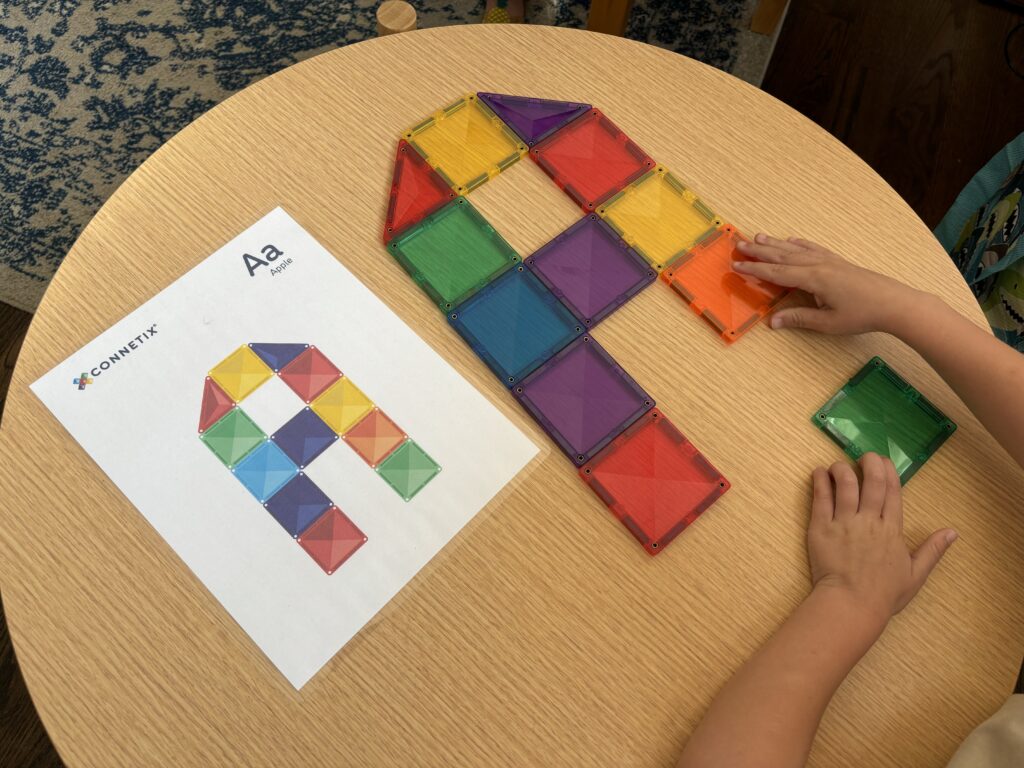
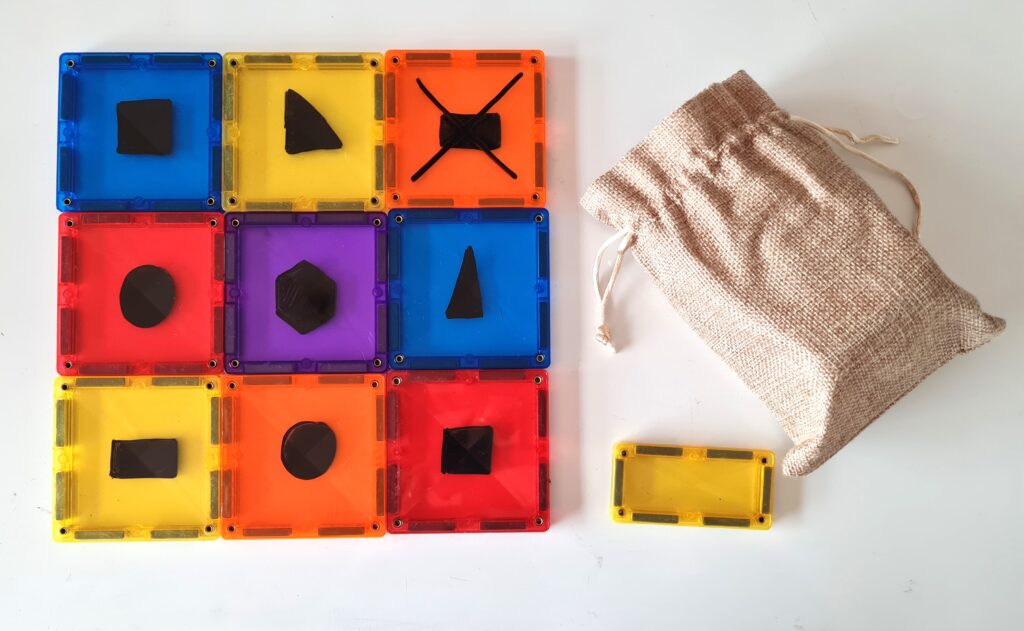
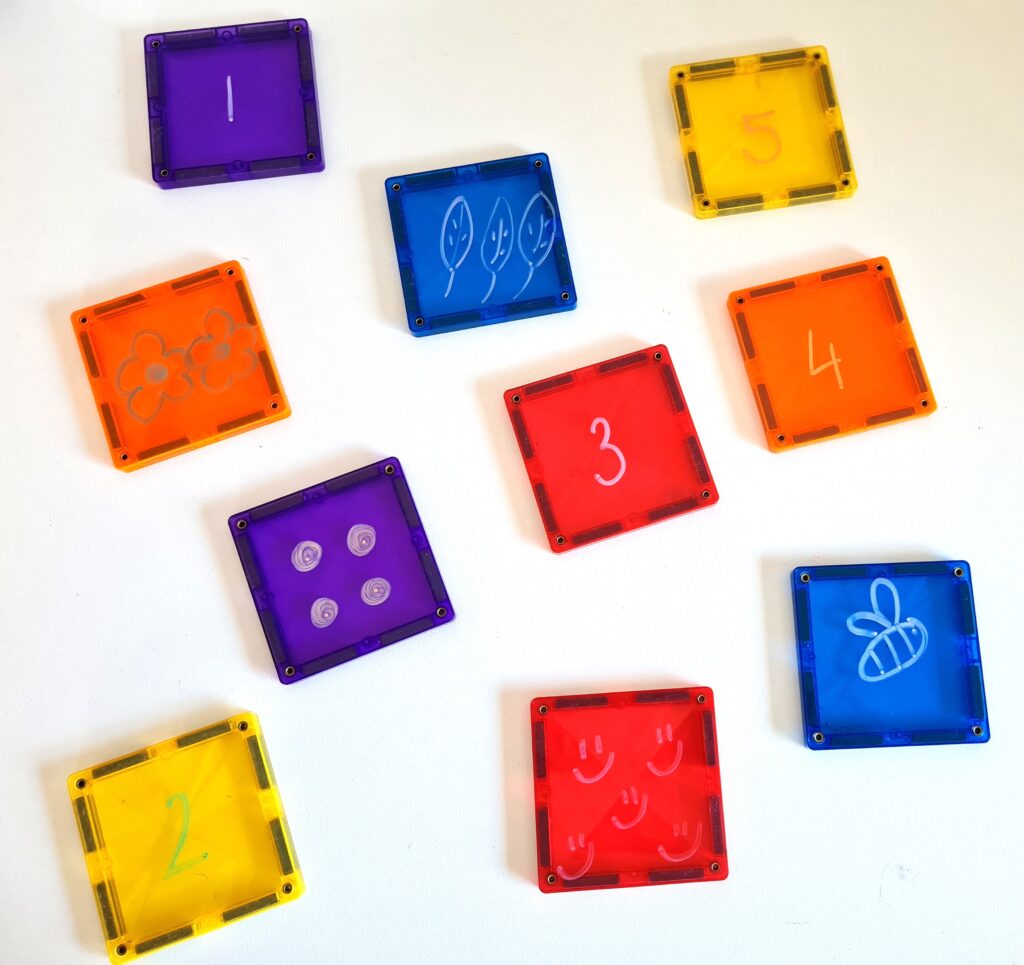
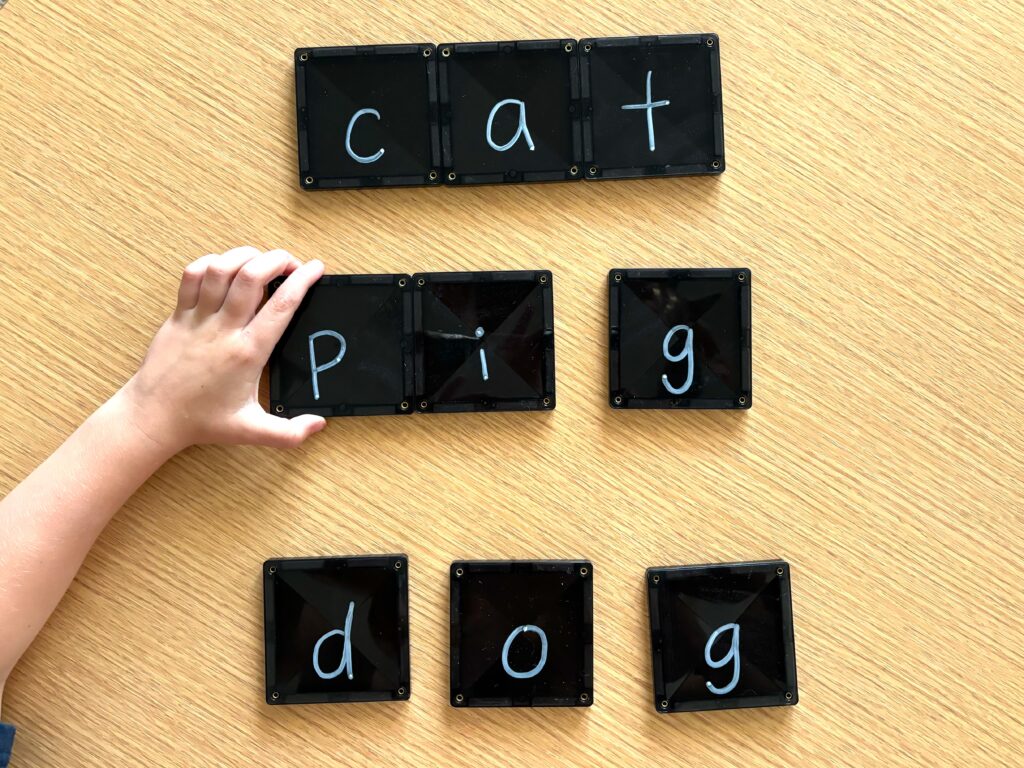
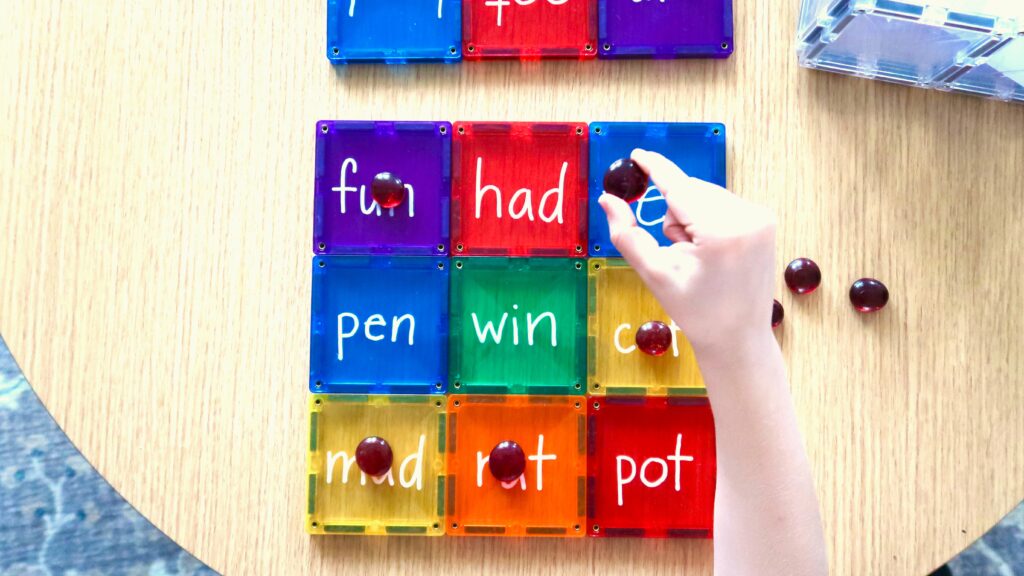
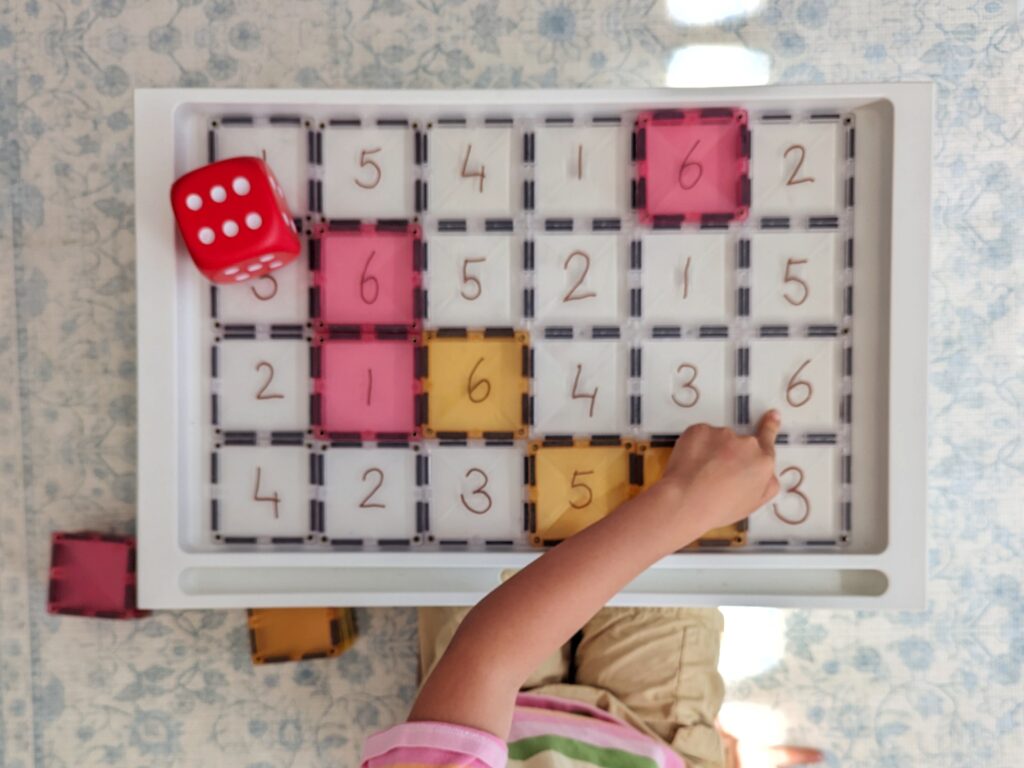
When engaging in an experiential task, children are provided a wider range of learning styles; such as visual, auditory, and kinesthetic. Having a broader scope in teaching methods maximises children’s ability to grasp information as it aligns with their strengths and how they learn best. Want to know a genius way to help children remember the periodic table, multiplication, the alphabet, learn how to tell the time or even the map of the world? – use stimulating visual resources like CONNETIX Tiles!

Enhancing teacher-student relationships
The role educators play in facilitating learning is truly immeasurable! Strong teacher-student relationships are the foundation of RICH and HIGH IMPACT learning. Engaging together in Hands-On tasks allows for a deeper connection and understanding of students unique learning needs, interests, and strengths. When immersed in an activity like CONNETIX, children are more open to communication, they feel valued and are having FUN – which is the perfect recipe for nurturing relationships and increasing willingness to learn!

Incorporating Hands-On learning approaches truly optimises educational outcomes and thankfully, versatile resources like CONNETIX can be seamlessly applied to any setting! Head to #connetixtiles for more inspiring educational ideas from the passionate CONNETIX community.