How to make factors, multiples, prime and composite numbers fun!
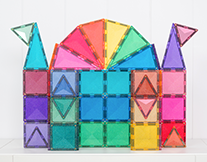
For students aged 11 to 12 years, the content covered in the curriculum for number and place value is huge! Understanding the concepts and mastering these skills are so beneficial for future mathematical content and most importantly, being able to apply these skills to the events that occur in everyday life. Rather than going back to the traditional methods I’m sure most of us were taught, such as using pen and paper and a whole lot of rote learning, why not open your learners up to a more stimulating experience where they can be present, excited and immersed in mathematical content? Let’s explore some ideas for teaching factors, multiples as well as prime and composite numbers using CONNETIX.
Factors and multiples
A multiple is a whole number that can be divided equally by a smaller number, without a remainder. Factors are used to divide a large number where the answer results in a whole number and there are no remainders. Put simply, factors are the multiplying numbers and a multiple is the answer. For example, the multiple 12 has the factors 1, 2, 3, 4, 6 and 12. This concept is linked to multiplication and division fact families, critical for the use in daily life-skills such as budgeting.
Activity: Factor trees
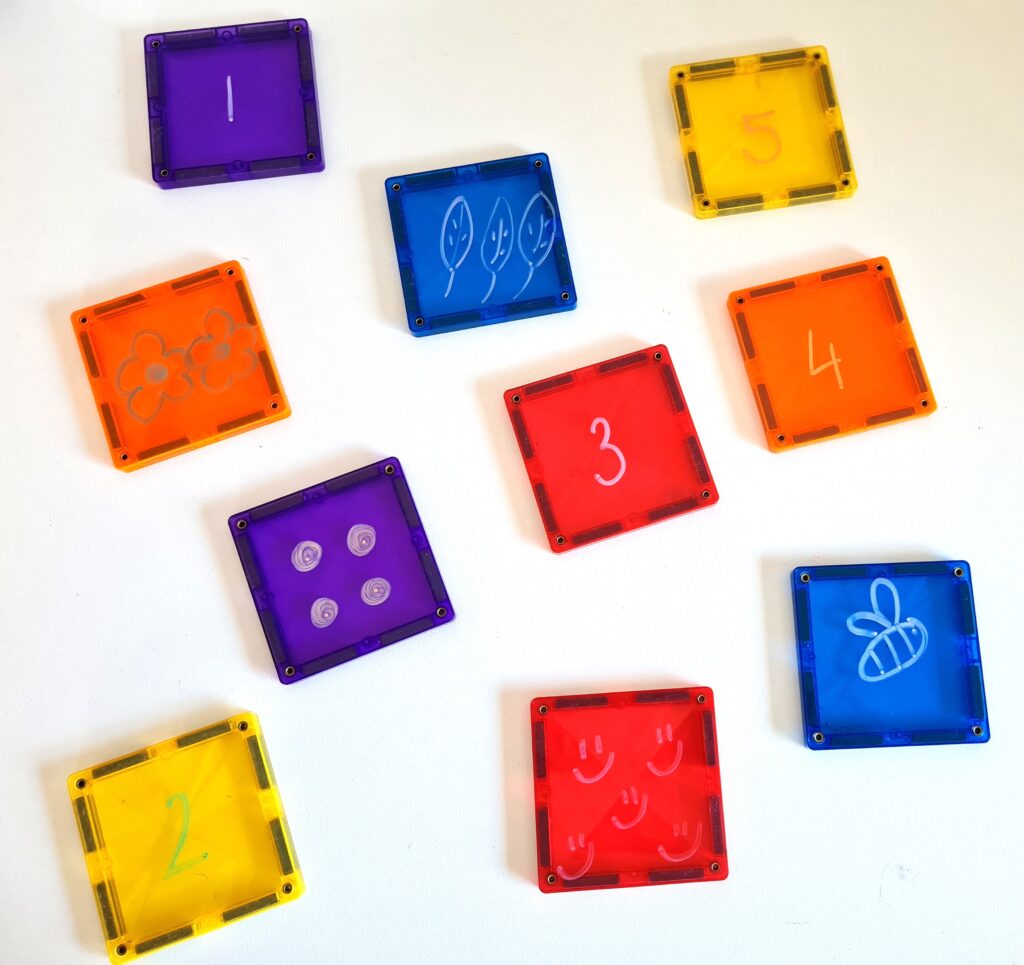
Factor trees are a visual way to see all the factors for a single multiple. The multiple sits at the top and its factors branch off like a tree below it. If the multiple is 30, we can write this number on a tile and place at the top of the tree. Then, below it we can list all its factors on their own tiles, these being 1, 2, 3, 5, 6, 10, 15 and 30. A great way to help kids understand this concept is to link it back to their multiplication and division facts. Some kids might benefit from hands-on input to grasp this concept, ask them to take 30 tiles and find as many ways as possible to group them into equal amounts. Hopefully they’ll see that they can make one group of 30 or 30 groups of one, two groups of 15 or 15 groups of two, and so on. Then using this information, they can create their own factor tree.
Activity: The factor game
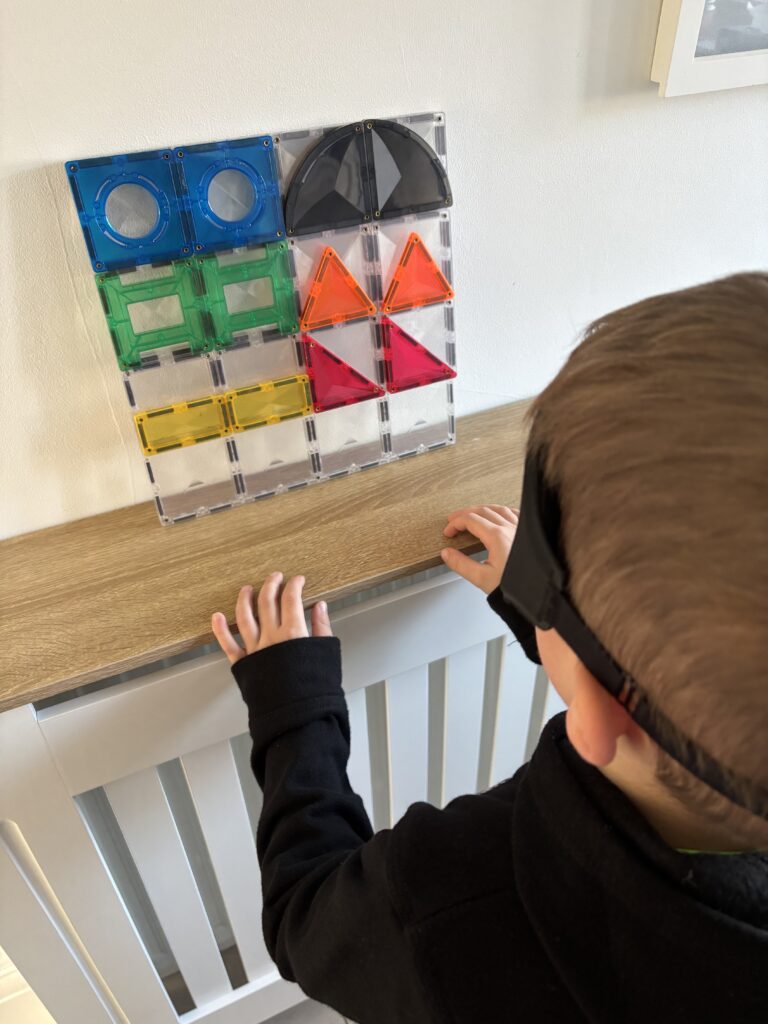
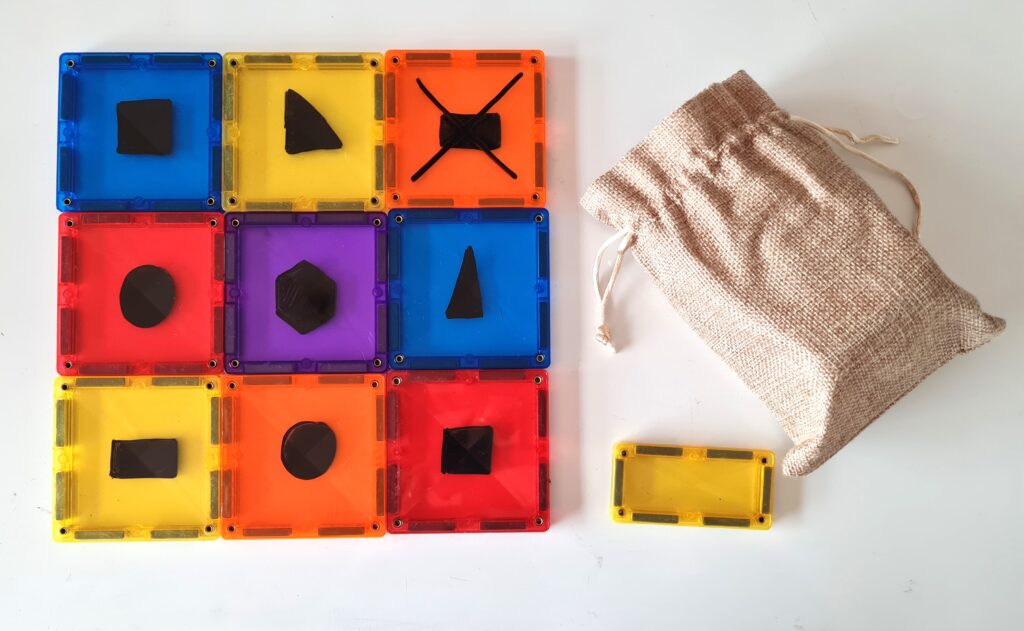
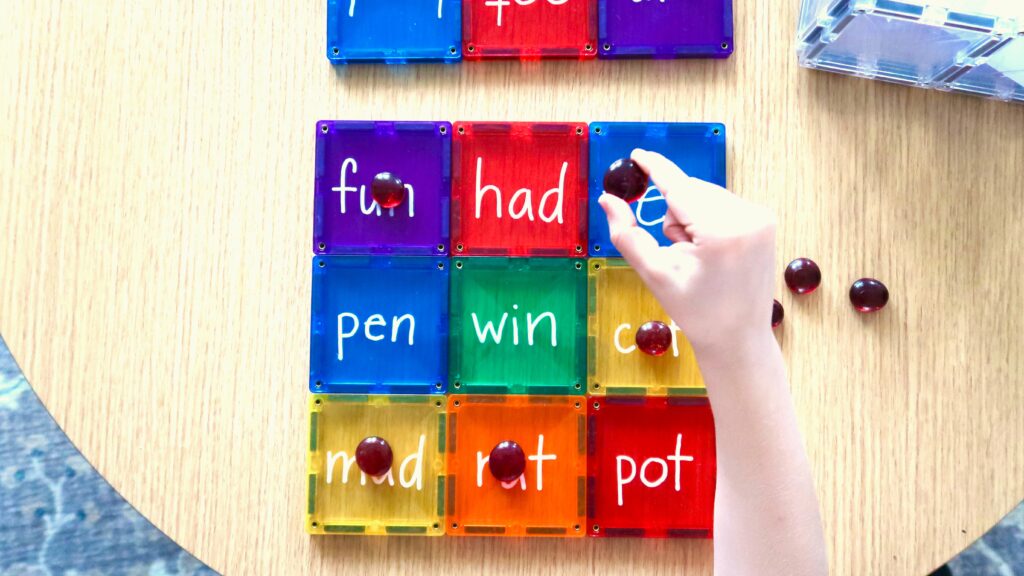
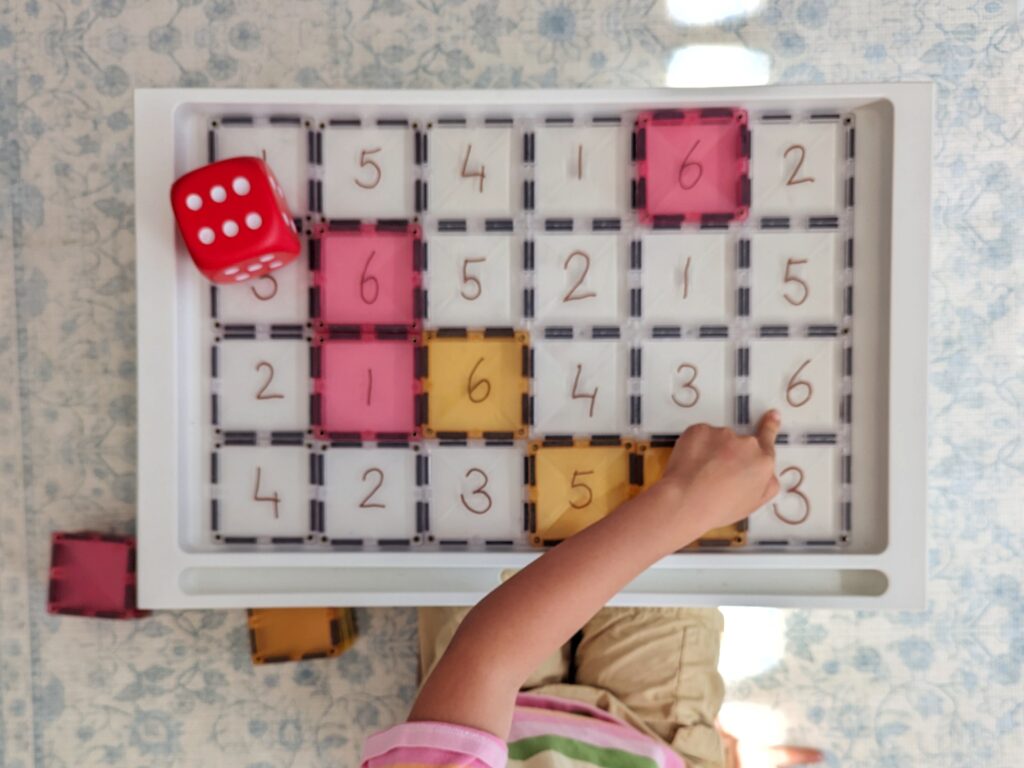
You’ll need two players for this one! Create a 5×6 grid with your tiles and write each digit from 1-30 in each, you only need one board between two. Player one chooses a number which is added to their score. Player two then circles and writes down all the factors for player one’s number. All these numbers become part of player two’s score. Now repeat the process with player two choosing a multiple for player one to find its factors. After all the multiples have been chosen and their factors have been found, each player needs to add their total. The person with the highest total wins!
Prime and composite numbers
Prime numbers can only be multiplied by one and themselves, meaning they only have two factors. A composite number is a positive, whole number that has more than two factors.
Activity: The factor game continued
To explore these concepts, you might like to continue on from ‘the factor game’ mentioned above and discuss why some numbers haven’t been chosen to be a multiple, such as 7 or 13. These numbers can clearly be seen on the CONNETIX game board because they won’t have been circled. Composite numbers will also be seen easily as the multiples chosen will have more than two factors on the scoreboard.
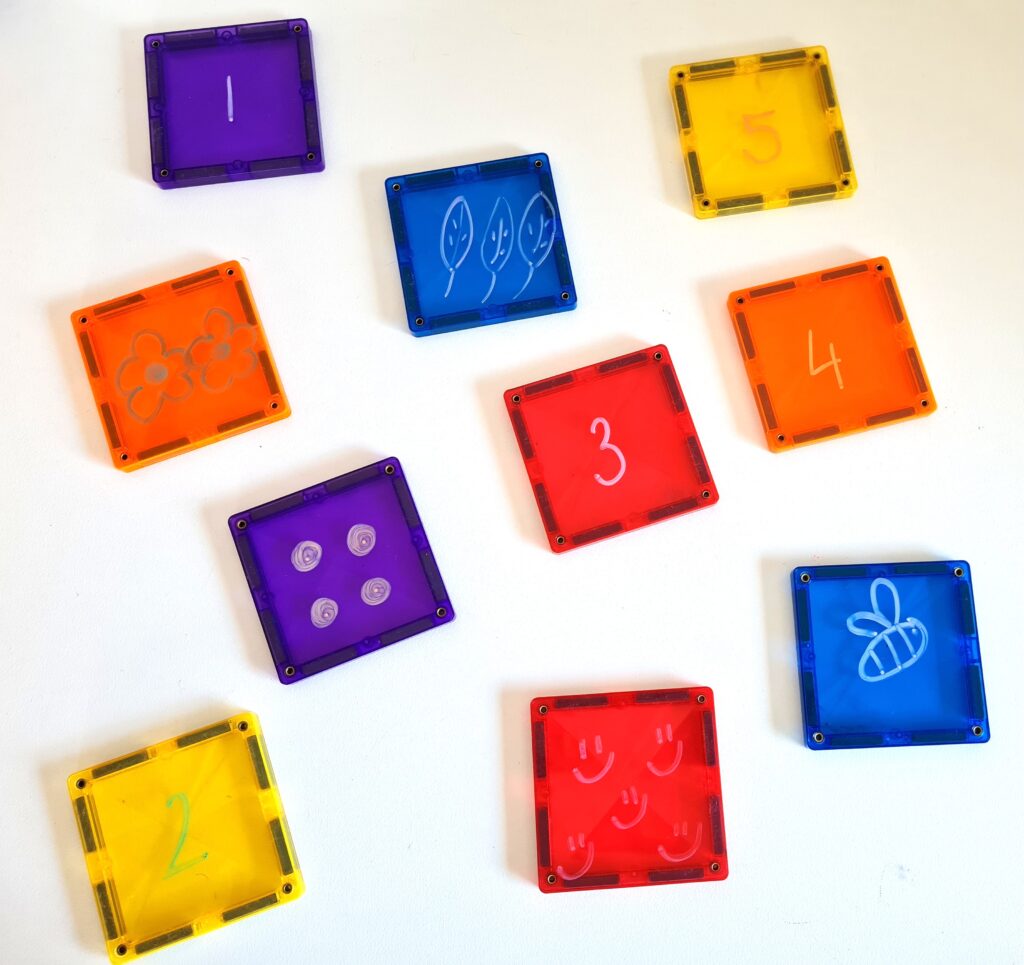
Activity: Open-ended exploration
Option 1: give your learners a range of numbers and ask them to prove which numbers are and aren’t prime numbers. Children can take the amount of CONNETIX tiles needed and share them as many ways as possible.
Option 2: another engaging idea is to ask them to find all the prime numbers below 30. Using their square CONNETIX tiles, have them create as many rectangles as possible to prove which are and aren’t prime numbers. For example, when creating a rectangle with 3 or 13 tiles they will be able to visualise that it can only be made by 1 row. Hence, it is a prime number. In comparison, when making a rectangle with 6 or 15 tiles they will discover that it can be made in multiple ways. Therefore, it’s not a prime number, but rather a composite number. This allows students to understand how prime and composite numbers are created.
It’s so important to have learners clearly explain what makes the number a prime or composite number using mathematical language. With a solid understanding of factors, multiples, prime and composite numbers, learners can connect their importance to multiplication and division.
Here’s a few reasons why I love CONNETIX for these methods of teaching factors, multiples, prime and composite numbers:
- They promote hands-on learning which creates a more engaging learning environment. When kids are enthusiastic participants in their learning, the brain is activated on a deeper level and retention is higher.
- Incorporating visuals in learning offers an opportunity to analyse information, think critically and make connections between concepts.
- The colourful tiles come in all shapes and sizes so they are versatile and can be used for so many games and activities. No matter what CONNETIX pack you have, the tiles can be used for the activities mentioned.
- They’re easy to carry around so learning (or play) can happen anywhere, anytime!
- The strong magnets click together easily so the tiles don’t move. They also pull apart easily, making them a flexible, manipulable learning tool.
- They’re so much more fun than pen and paper! Gone are the days of writing everything down, over and over again. With resources like CONNETIX, kids can learn without feeling like they’re learning, making learning a more positive experience for everyone. (Simply take a picture to record what you’ve been working on and look back on it when you need it too!)
Happy exploring!