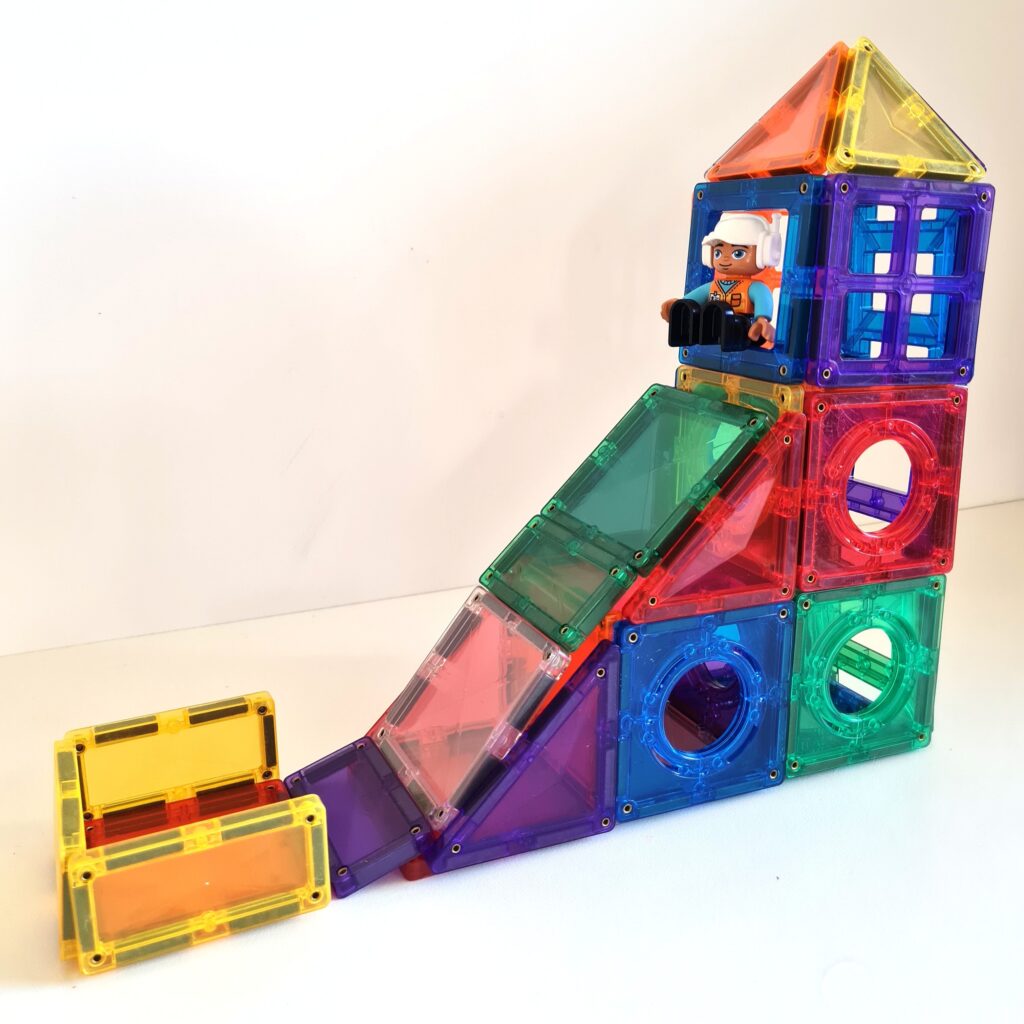
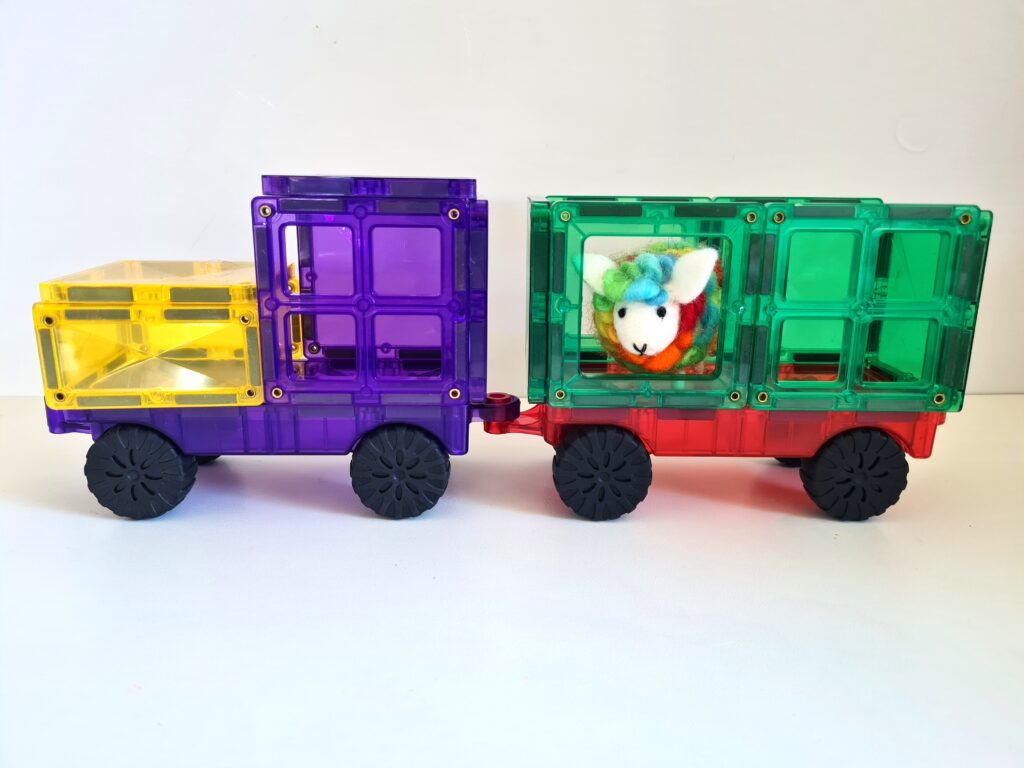
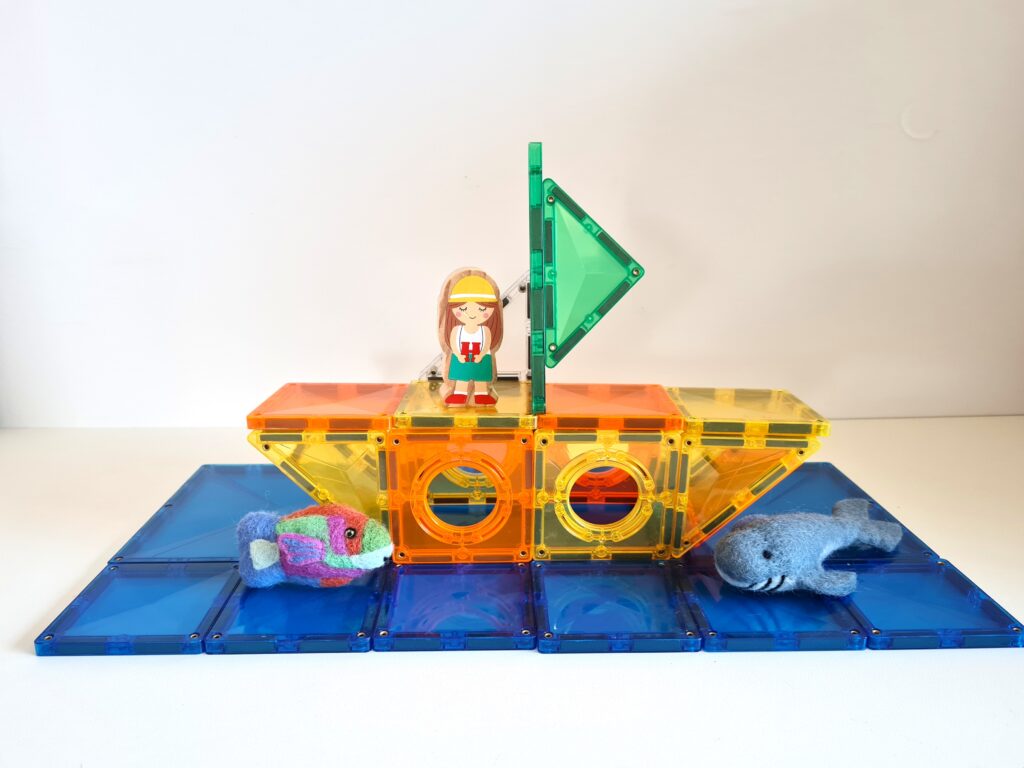
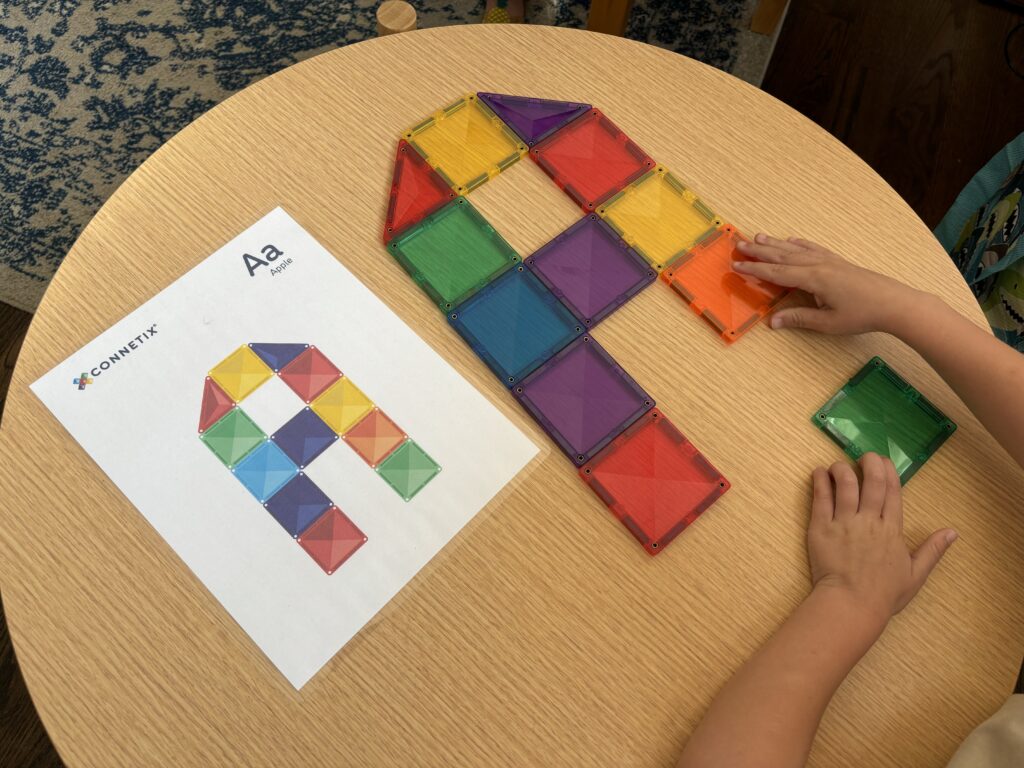
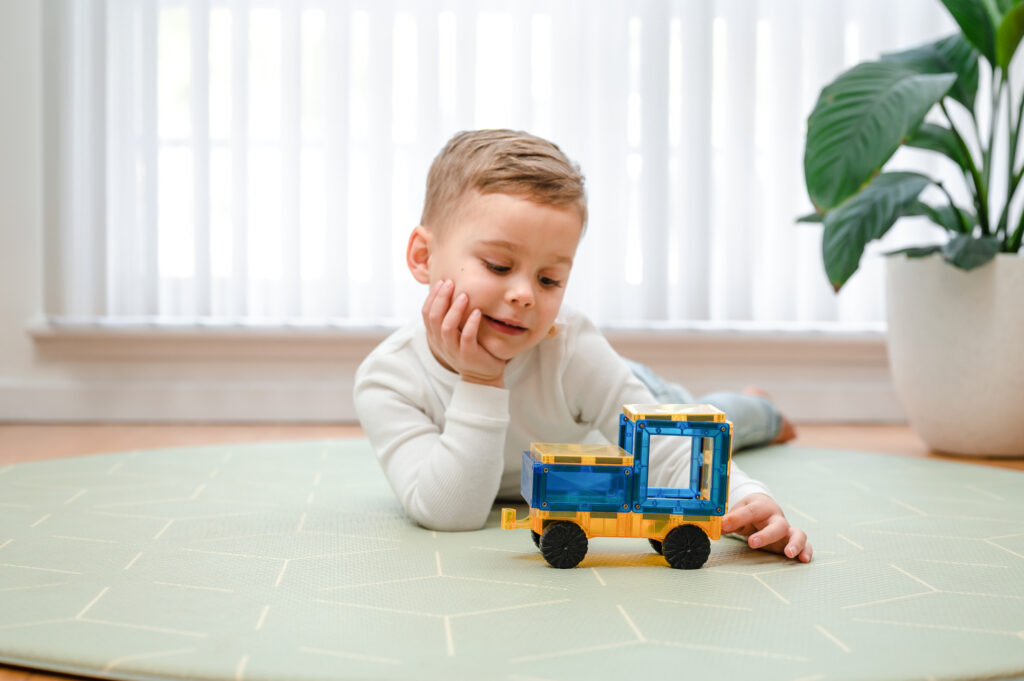
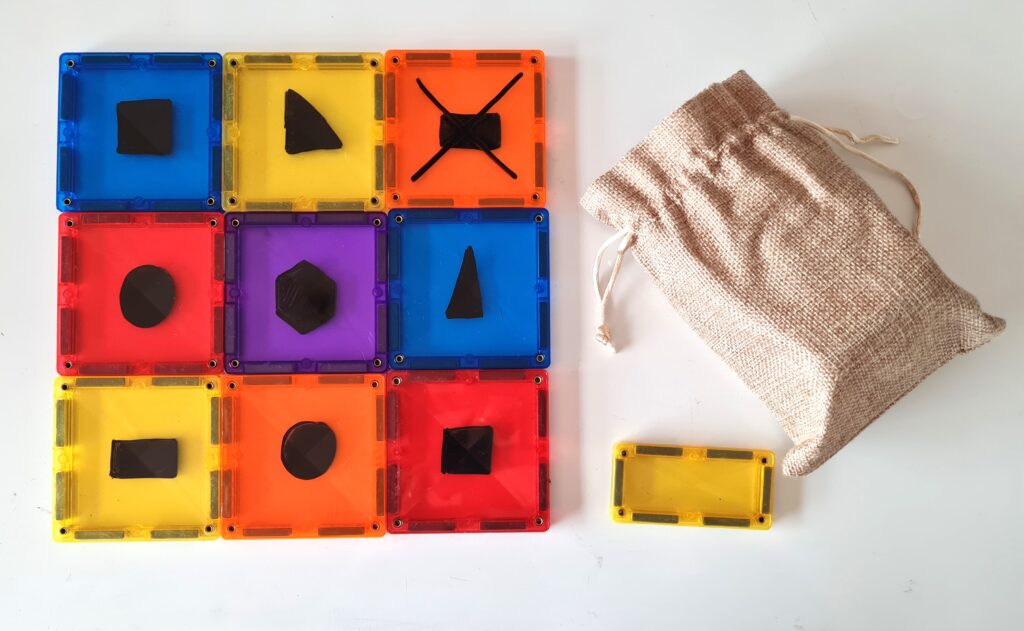
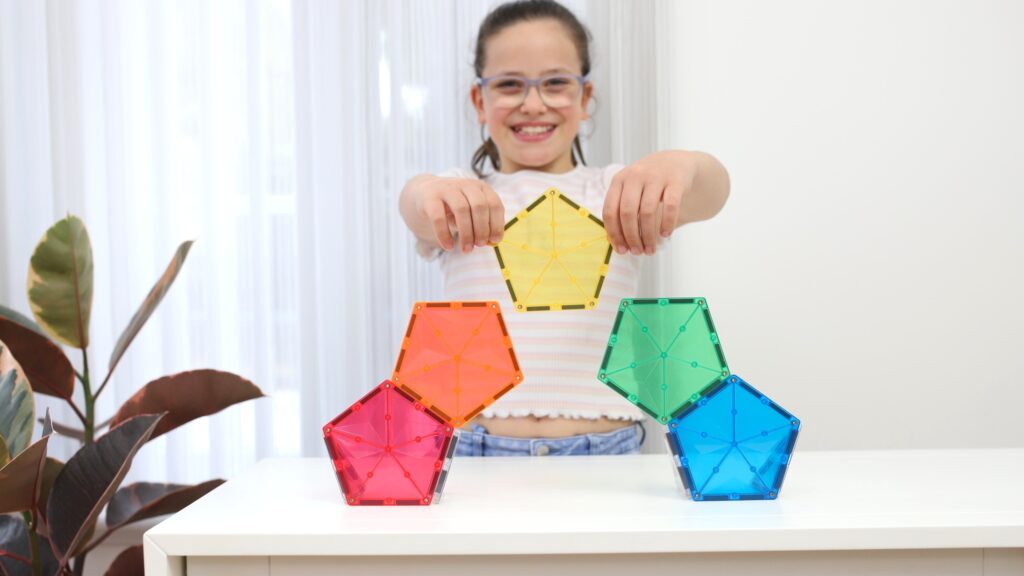
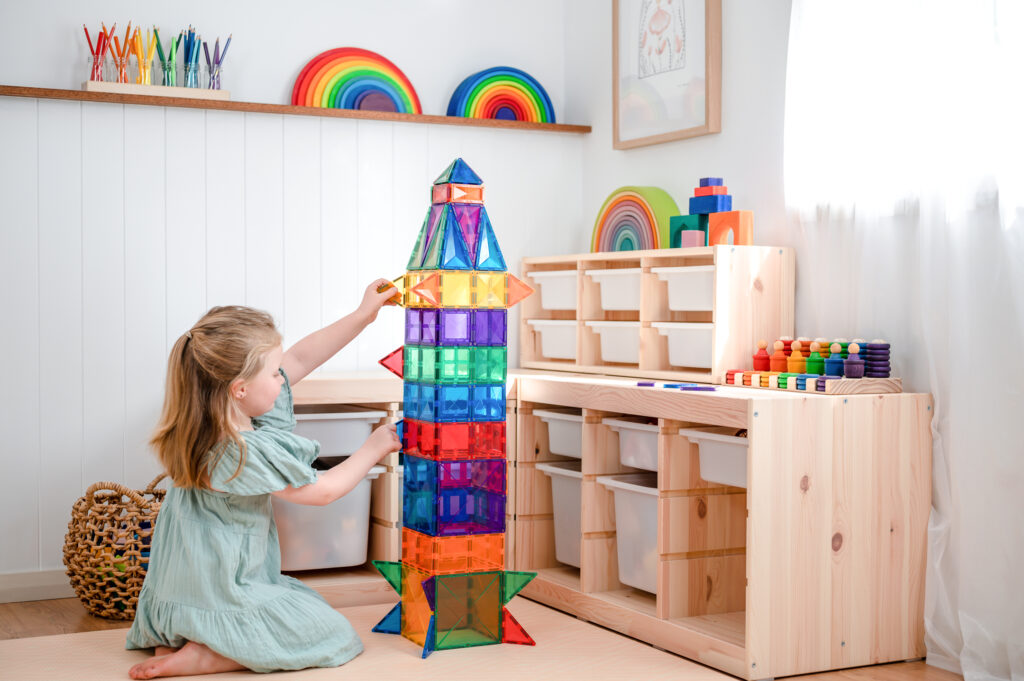
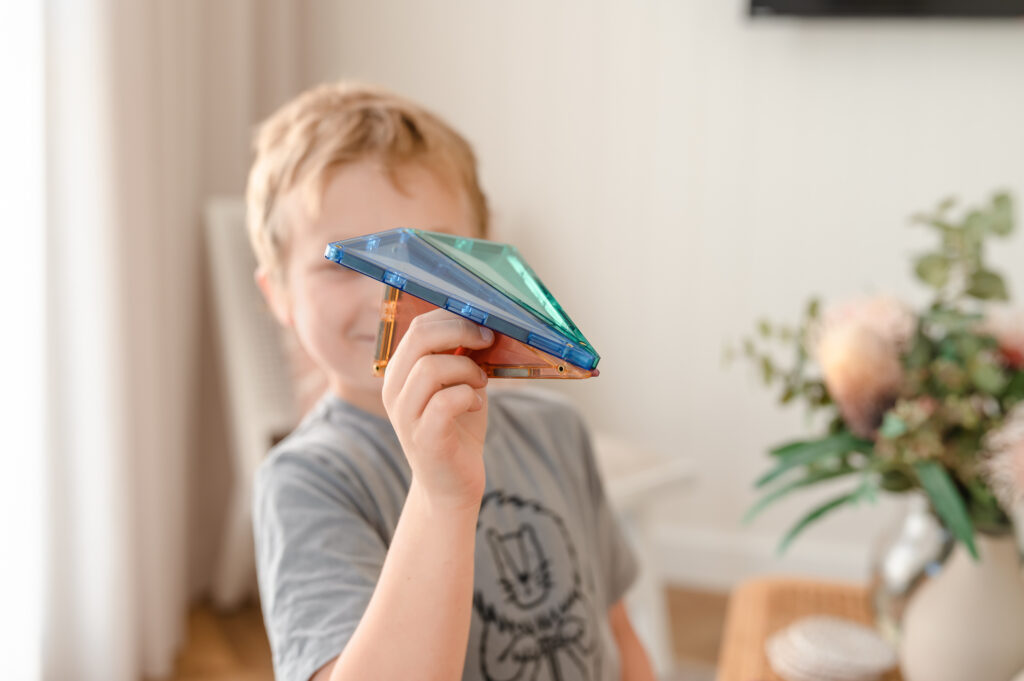
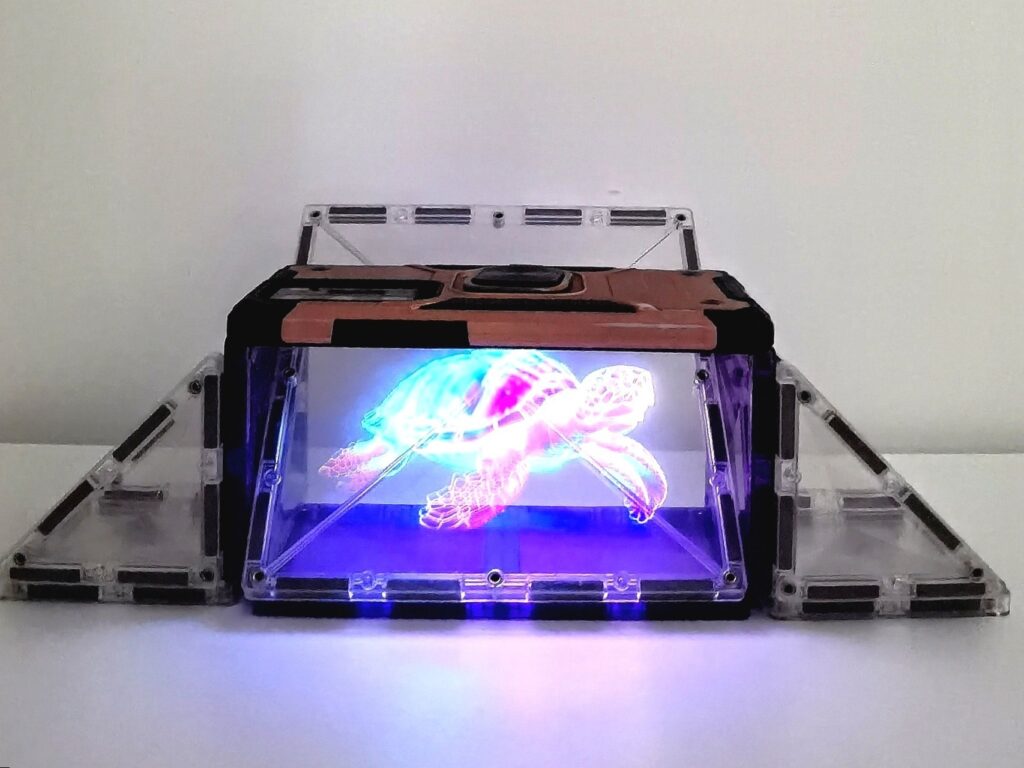
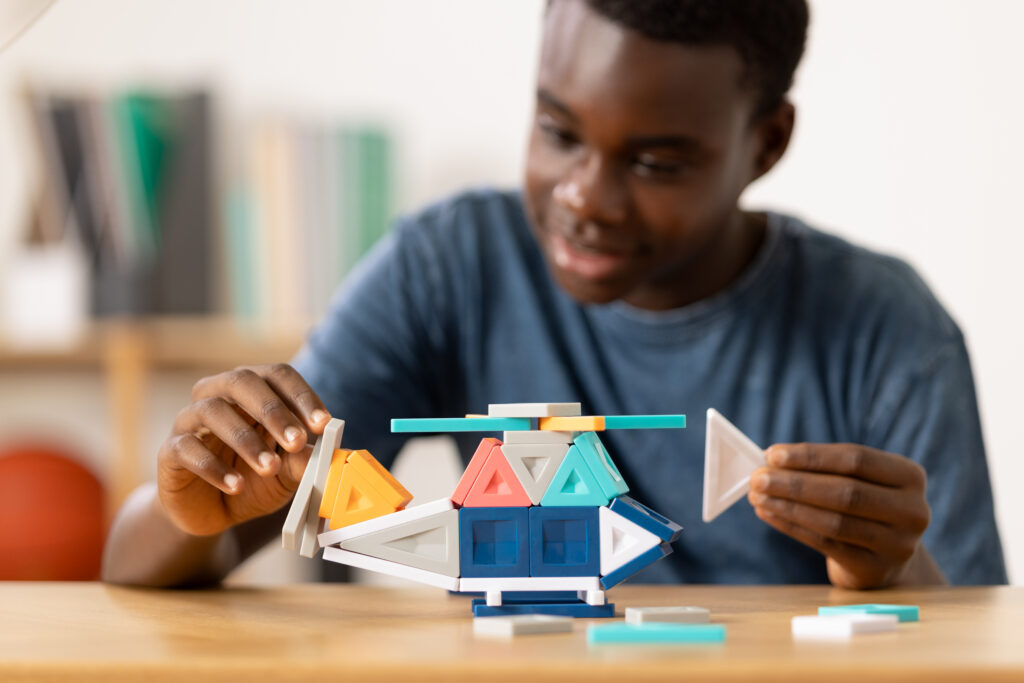
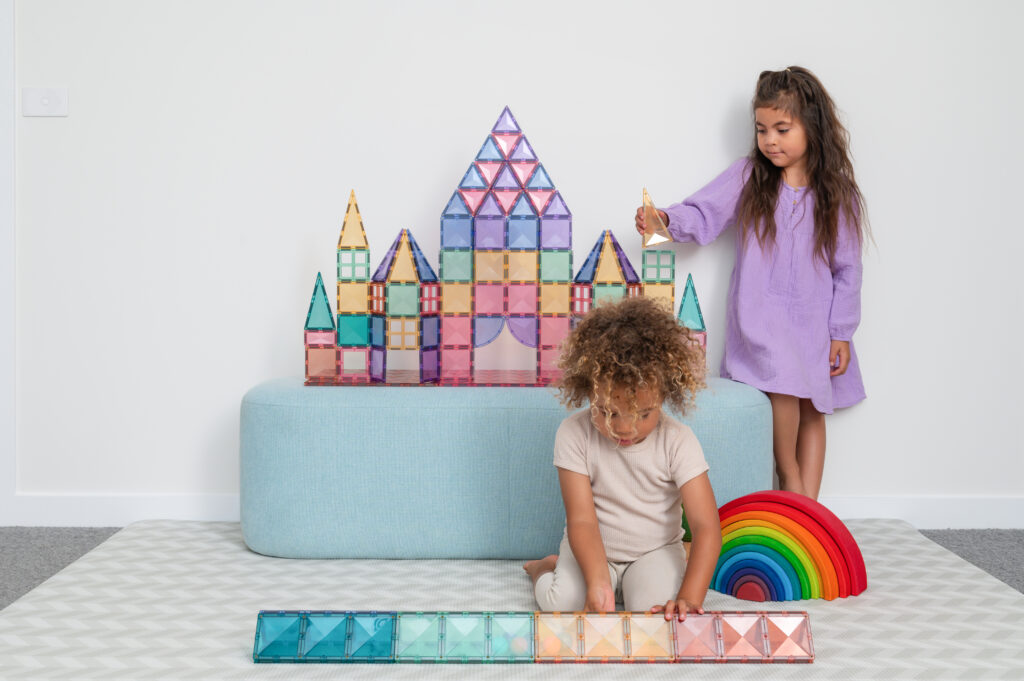
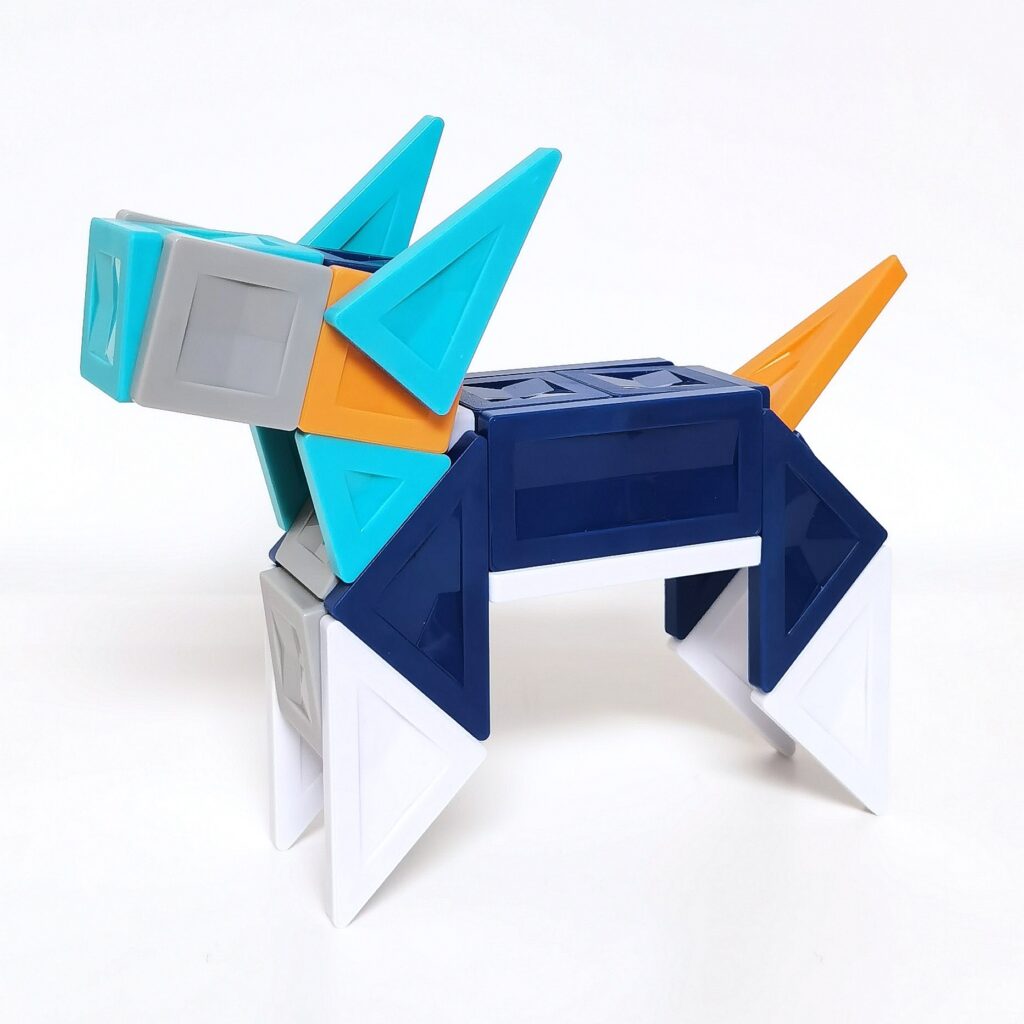
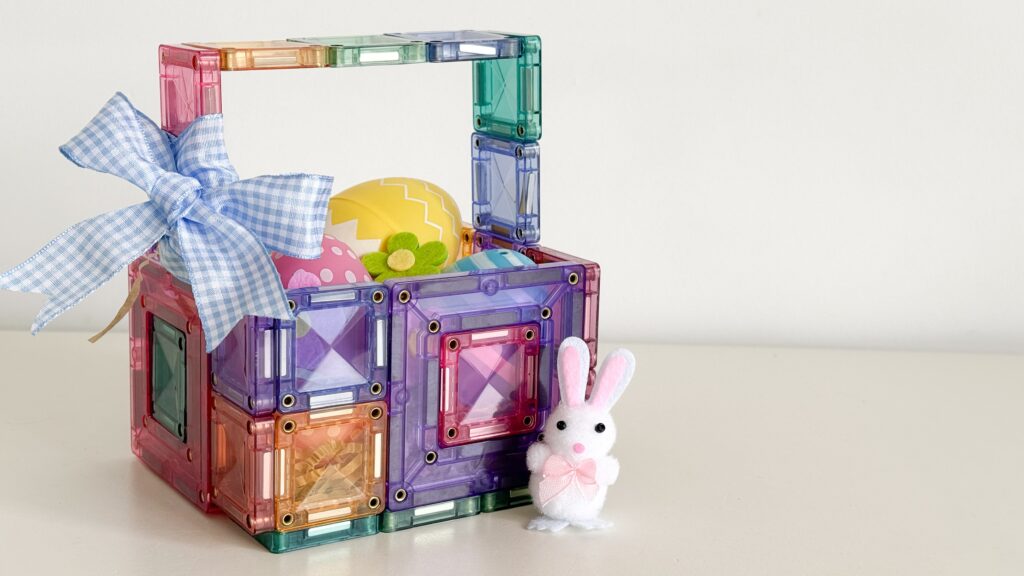
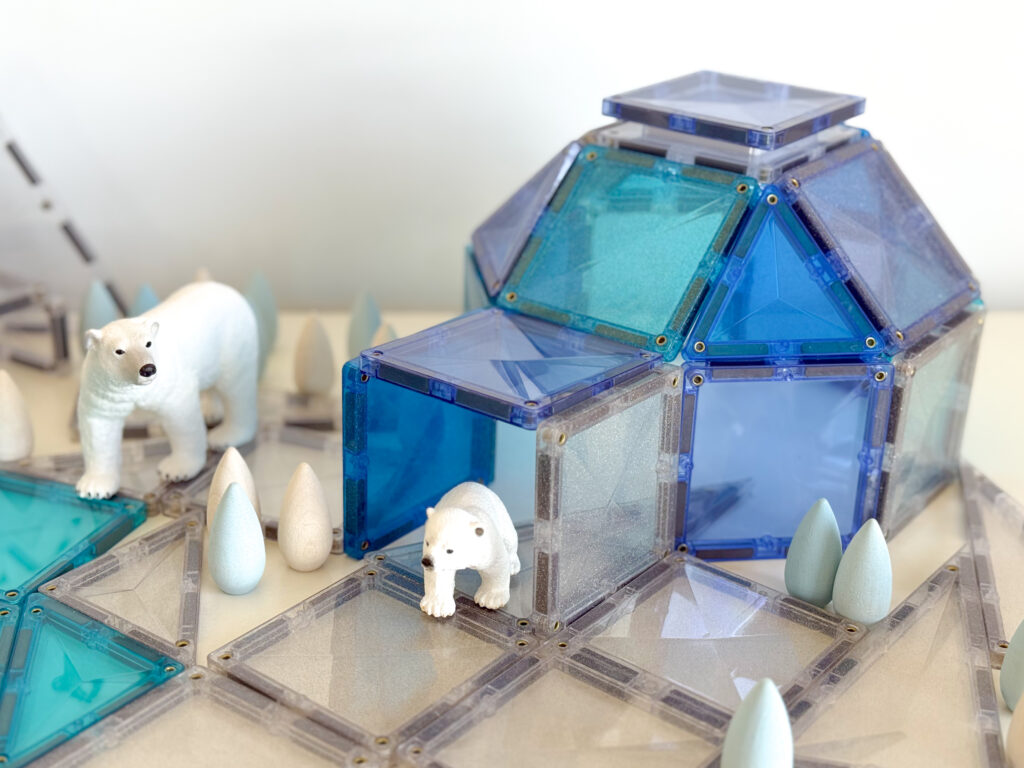
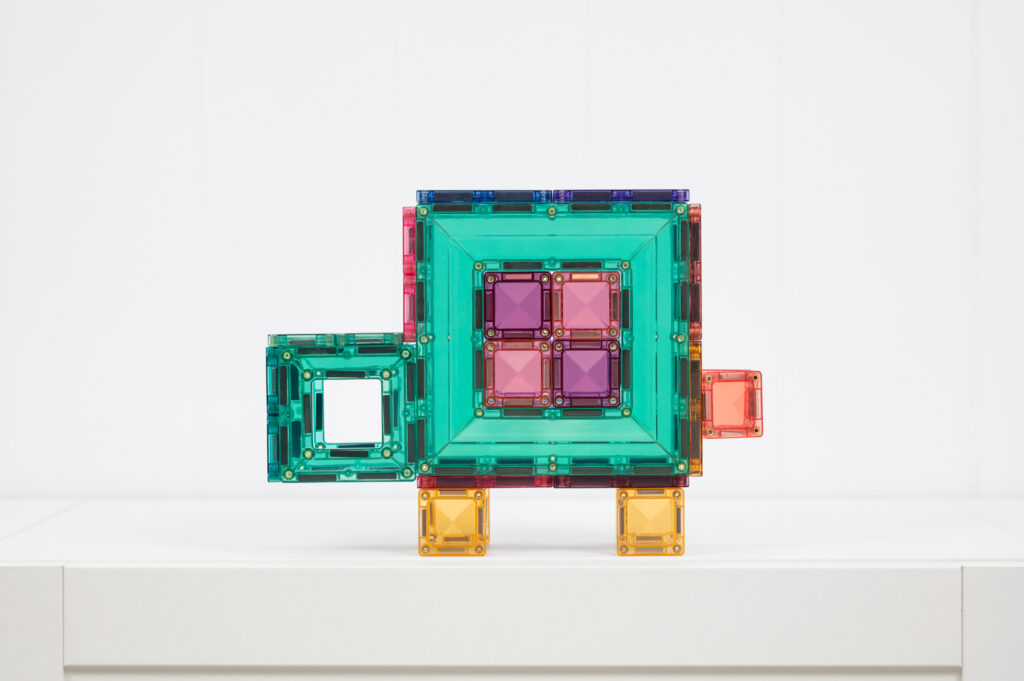
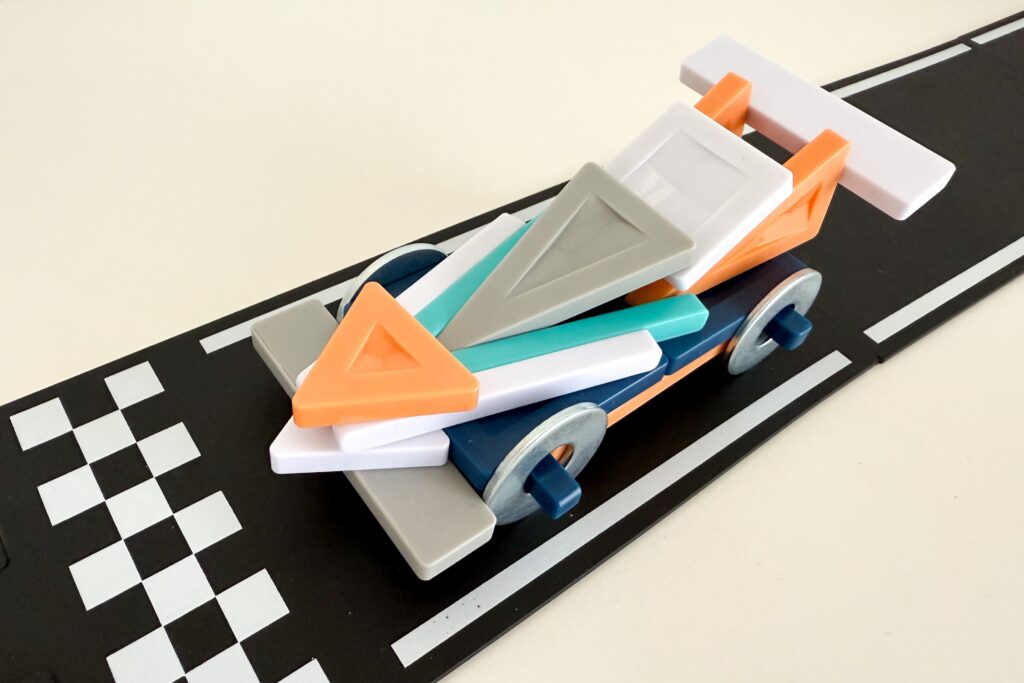
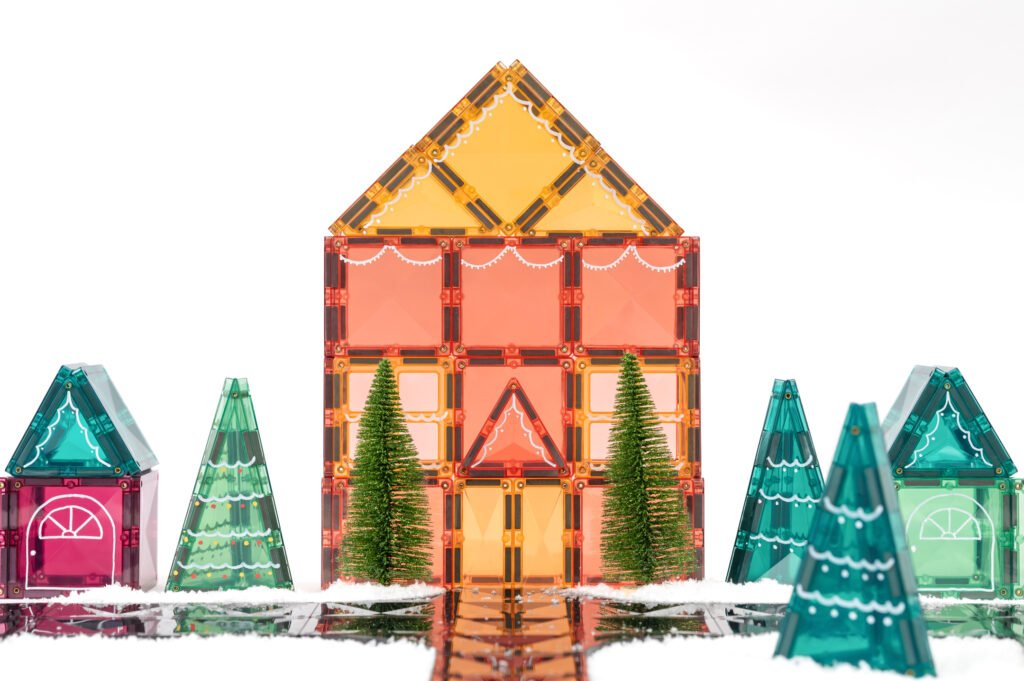
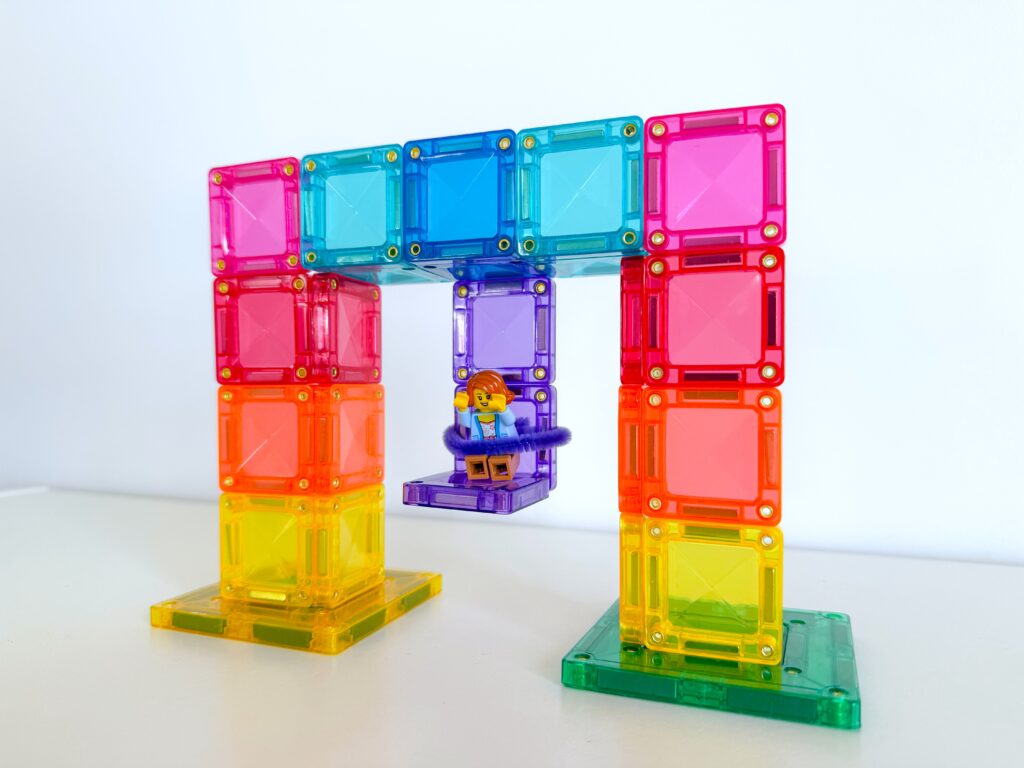
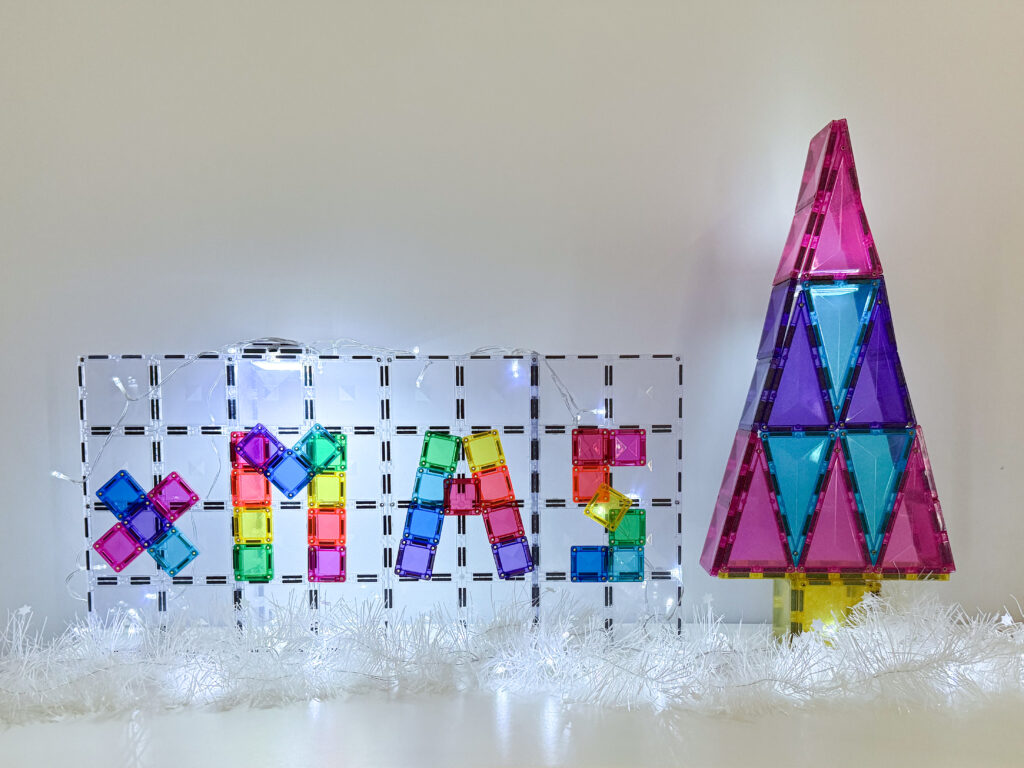
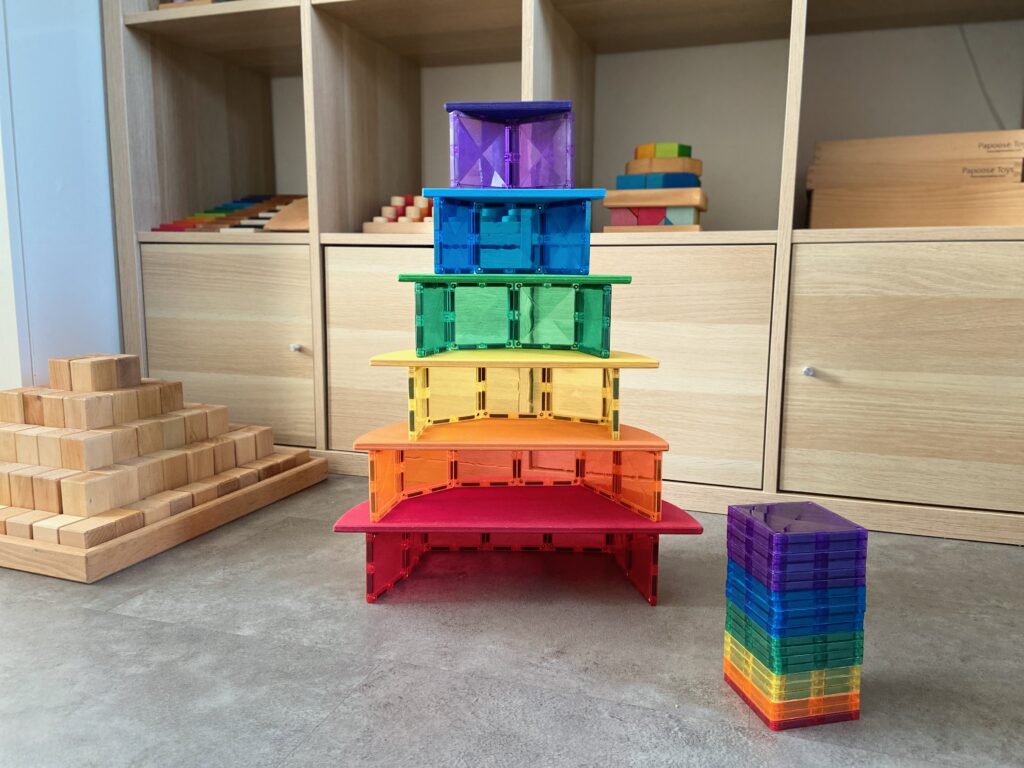
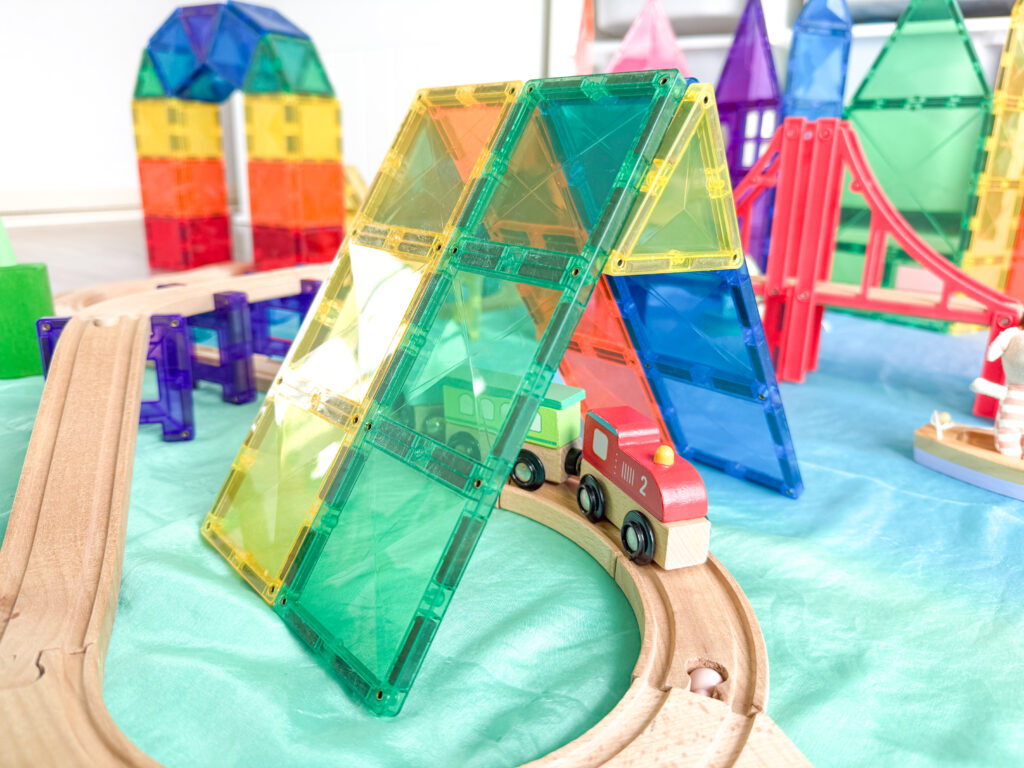
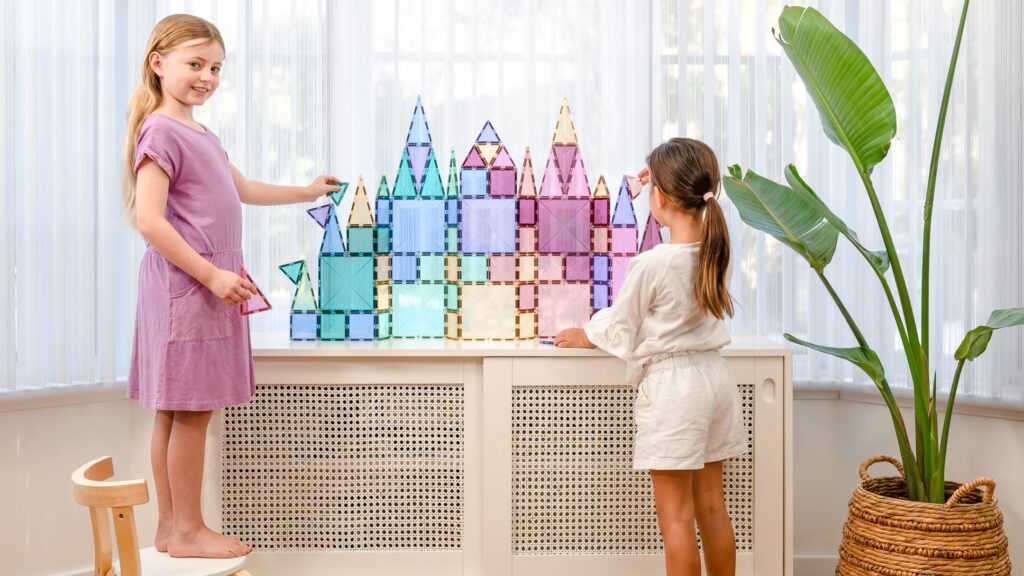
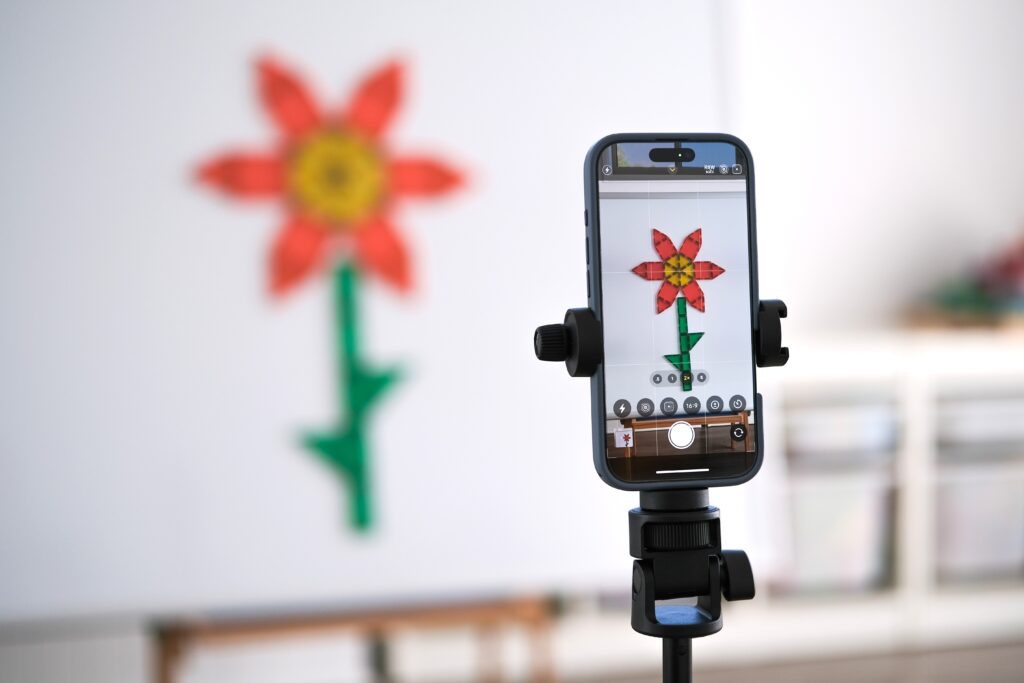
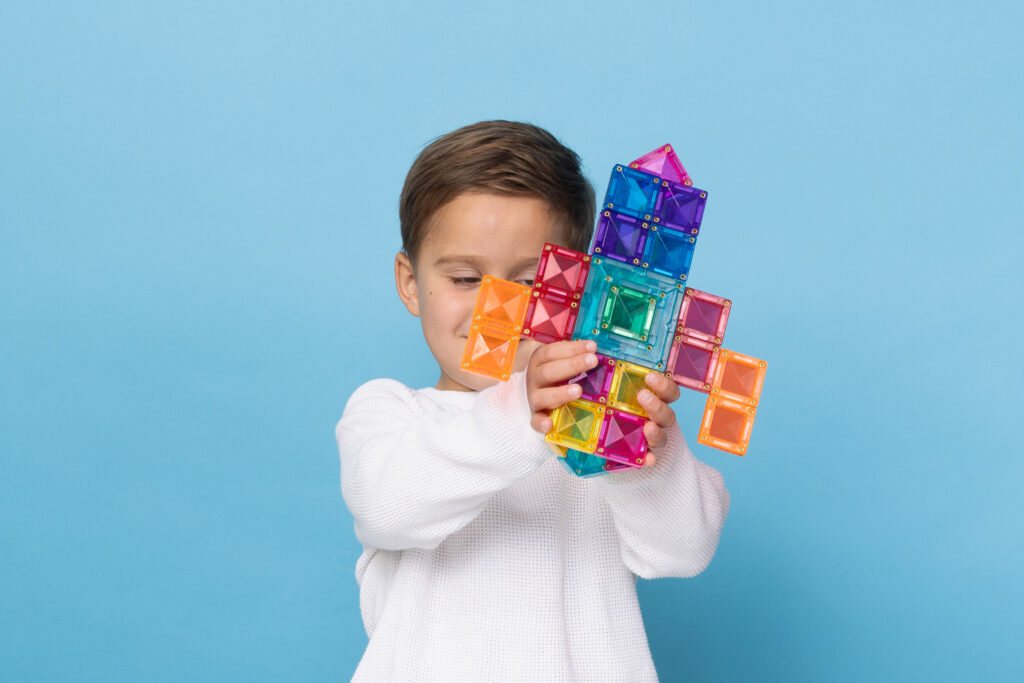
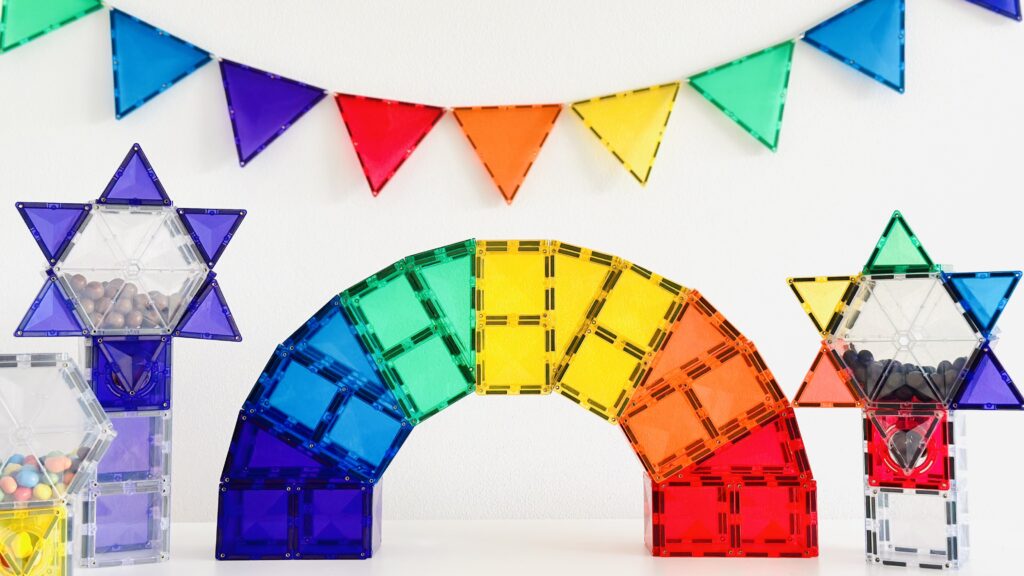
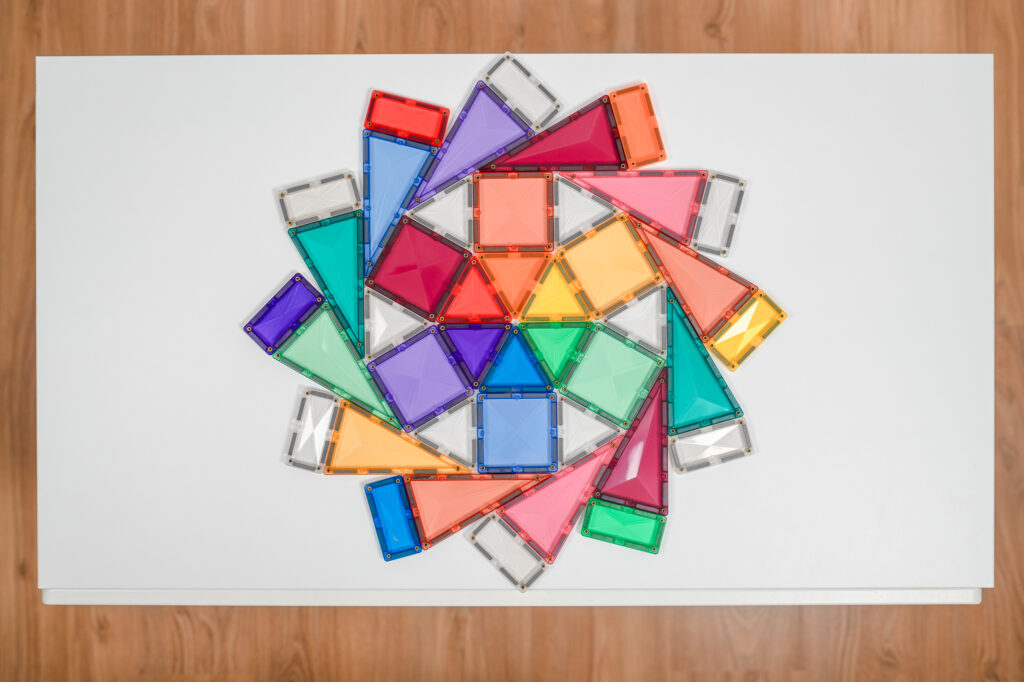
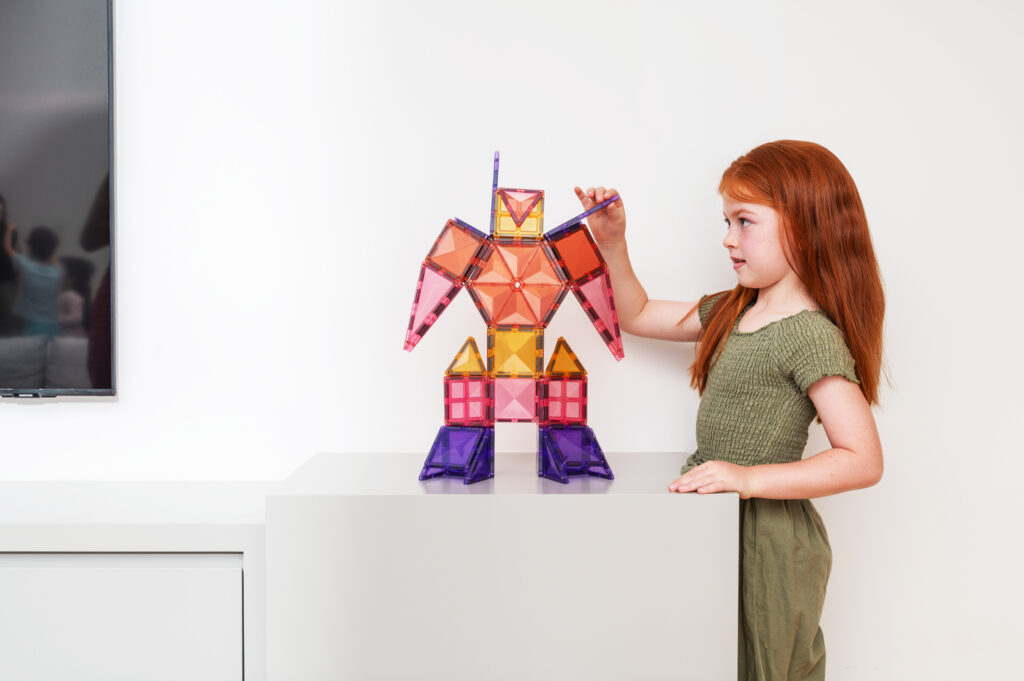
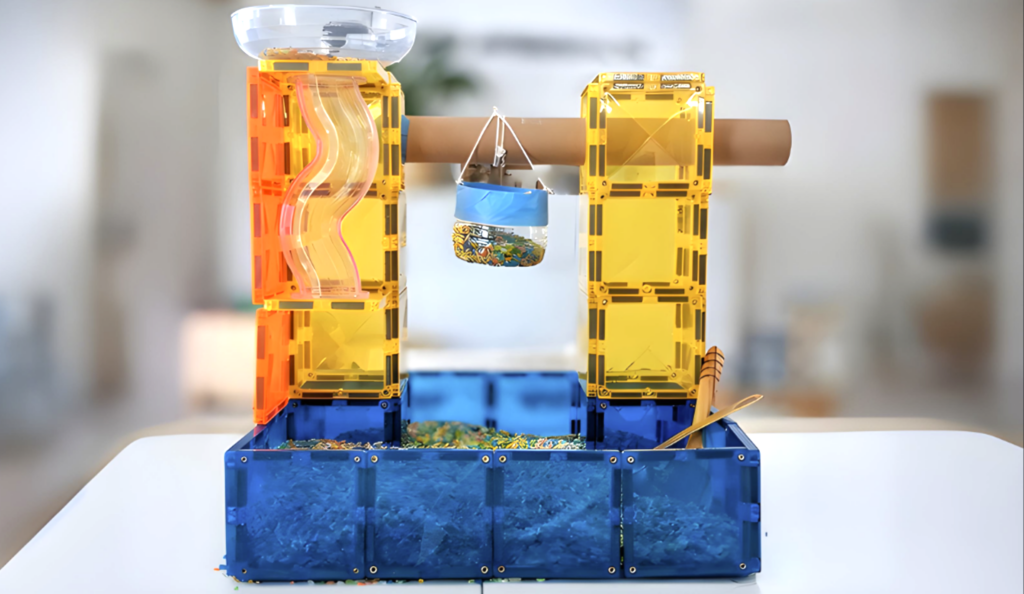
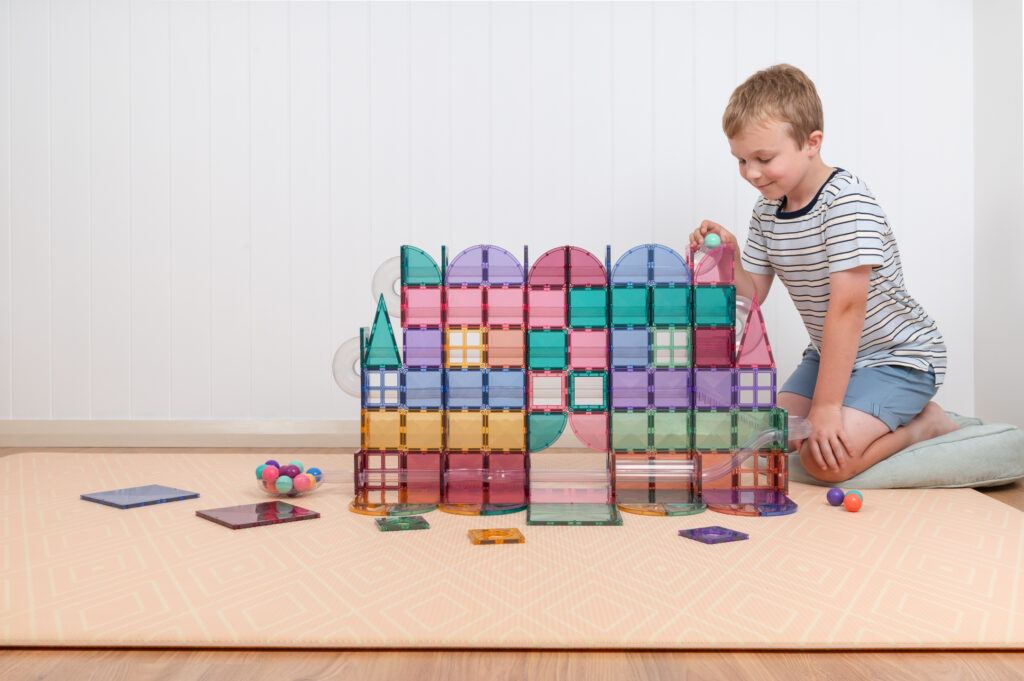
Play is such an important part of a preschooler’s development. Play offers children the opportunity to be in control of and at the center of their experiences. While engaged in play, children develop critical skills that they will use throughout their life. This includes creative thinking skills as well as social and cognitive skills. Being an open-ended tool, CONNETIX tiles offer children the opportunity to engage in continuous play over and over again, allowing preschoolers to have fun while developing these valuable life skills.
What are the Benefits of Open-Ended Toys in Unstructured Play?
- Allow children to engage in limitless unstructured play
- Promote independence
- Allow child to learn from a child-centered approach
- Support children to be in control of their play and make their own choices about their creations and playtime
- Are available for repetitive use, being taken apart and used in many different ways
- Promote concentration and focus
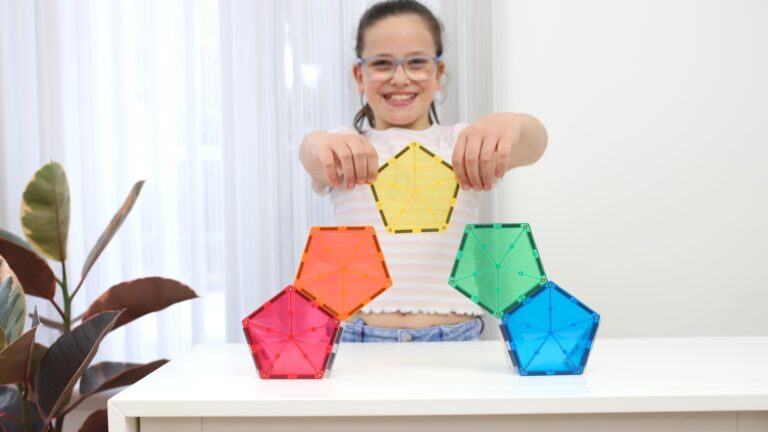
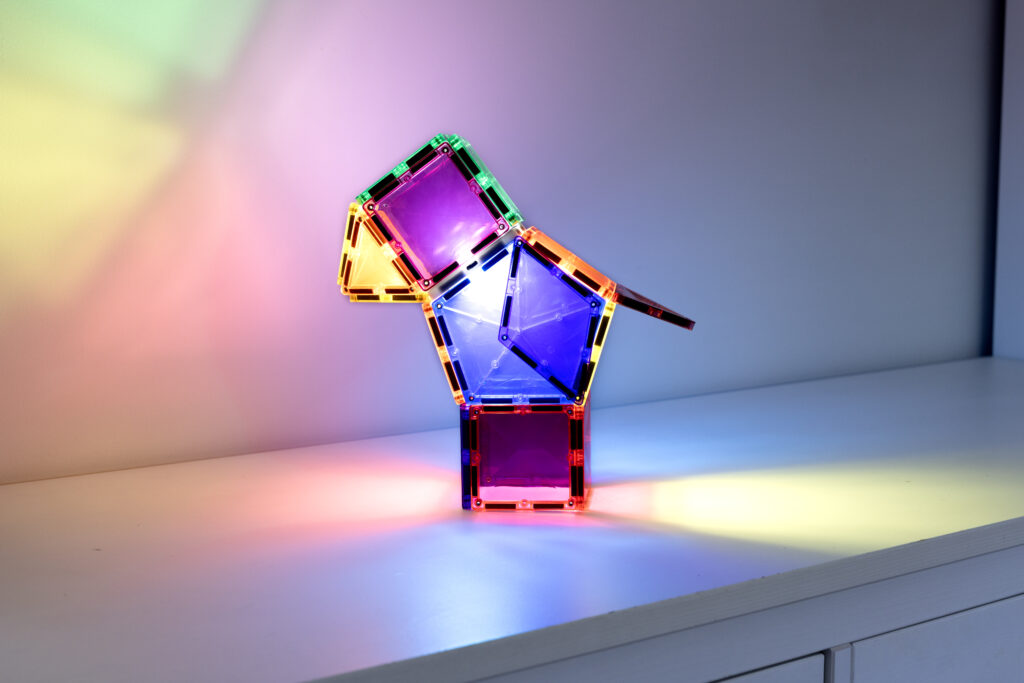
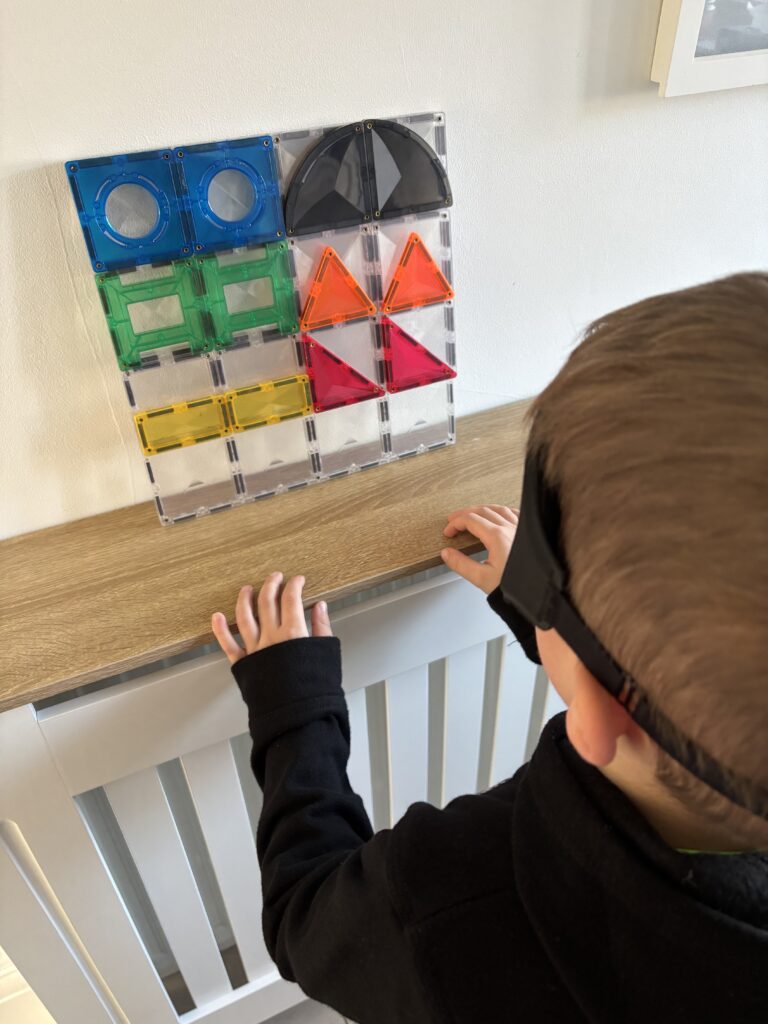
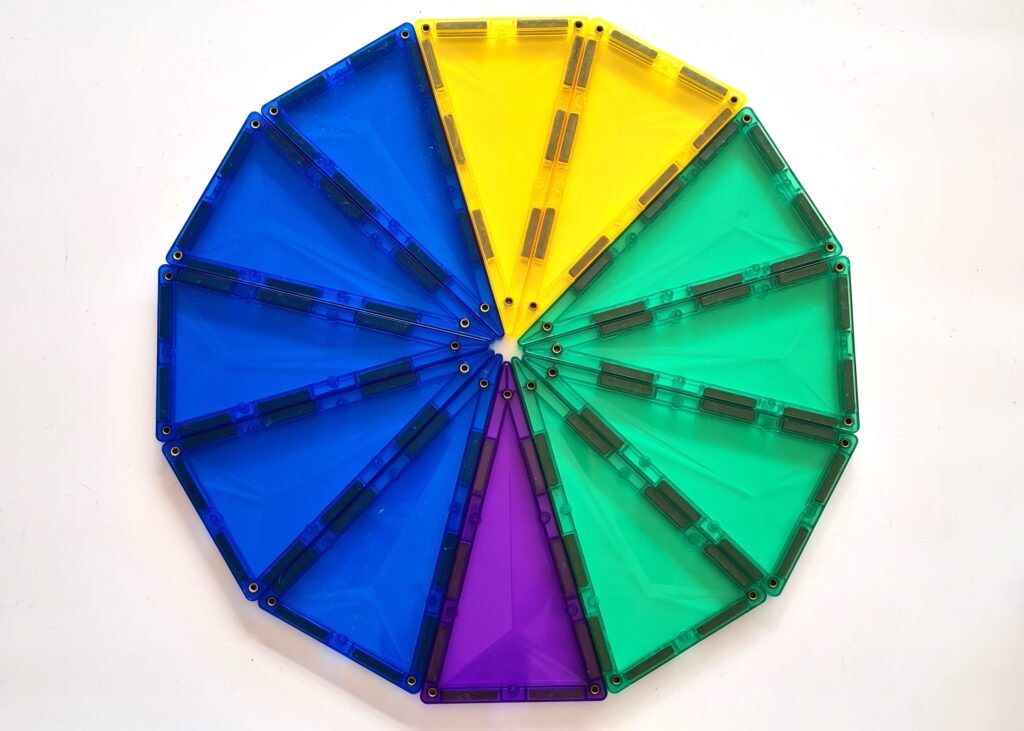
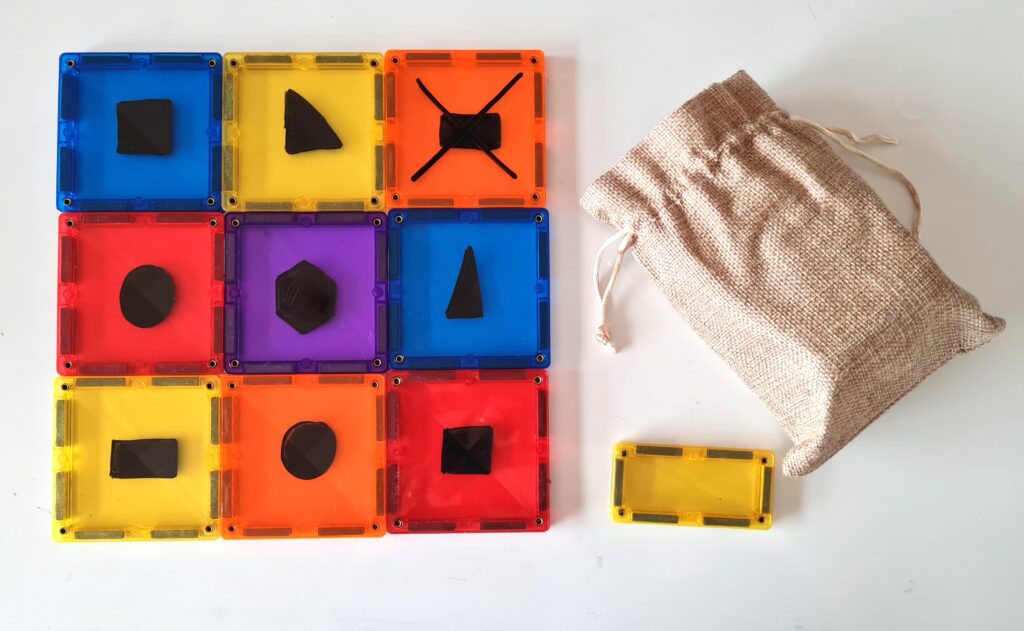
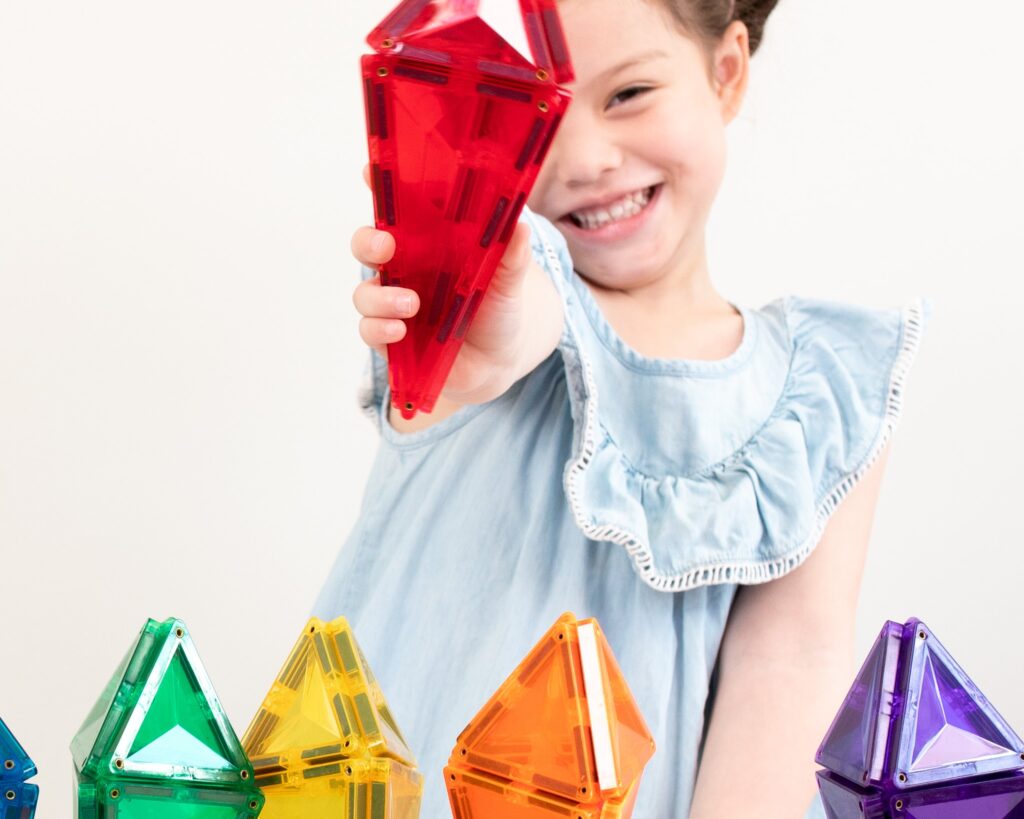
- Promote exploration of the toy, for example, CONNETIX allows for the exploration of the properties of the magnets and shapes, discovery of push and pull forces, colours and the size of the objects
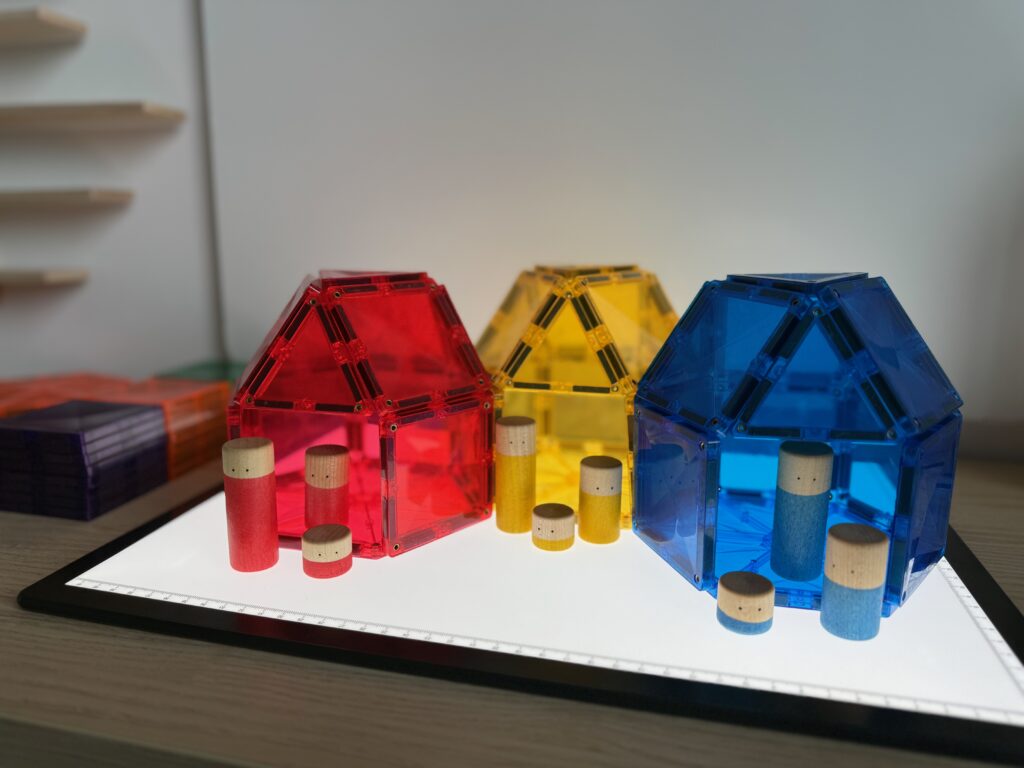
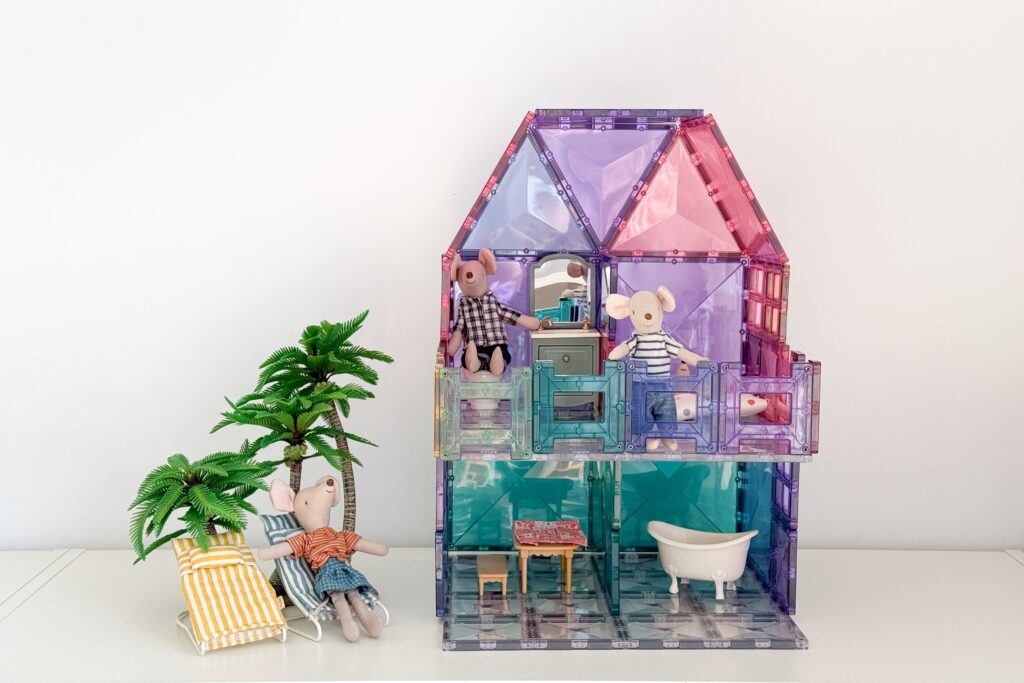
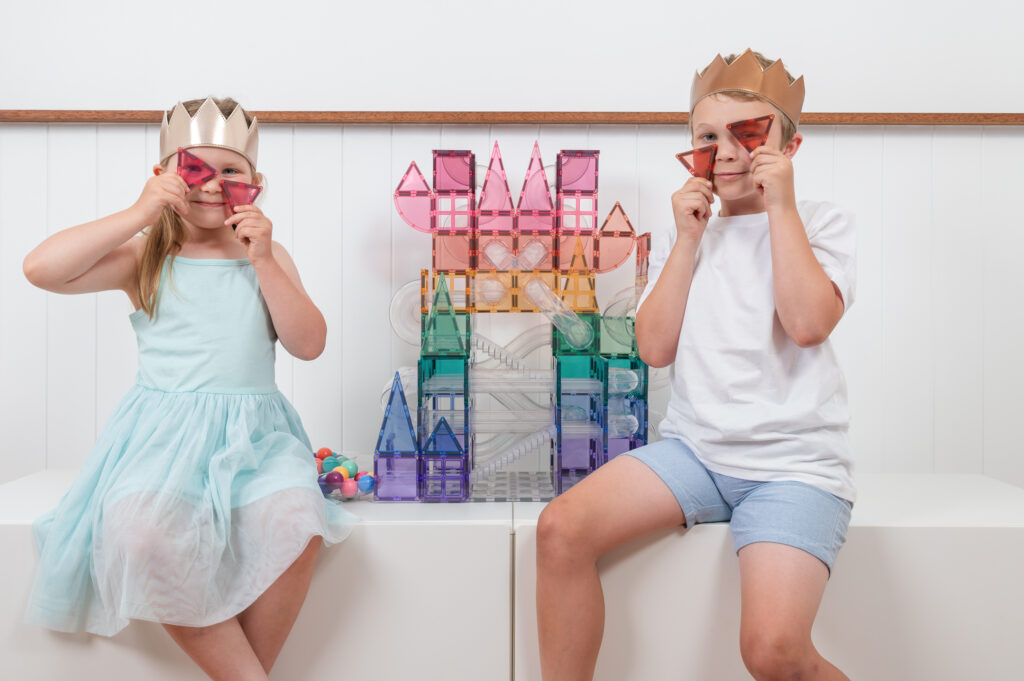
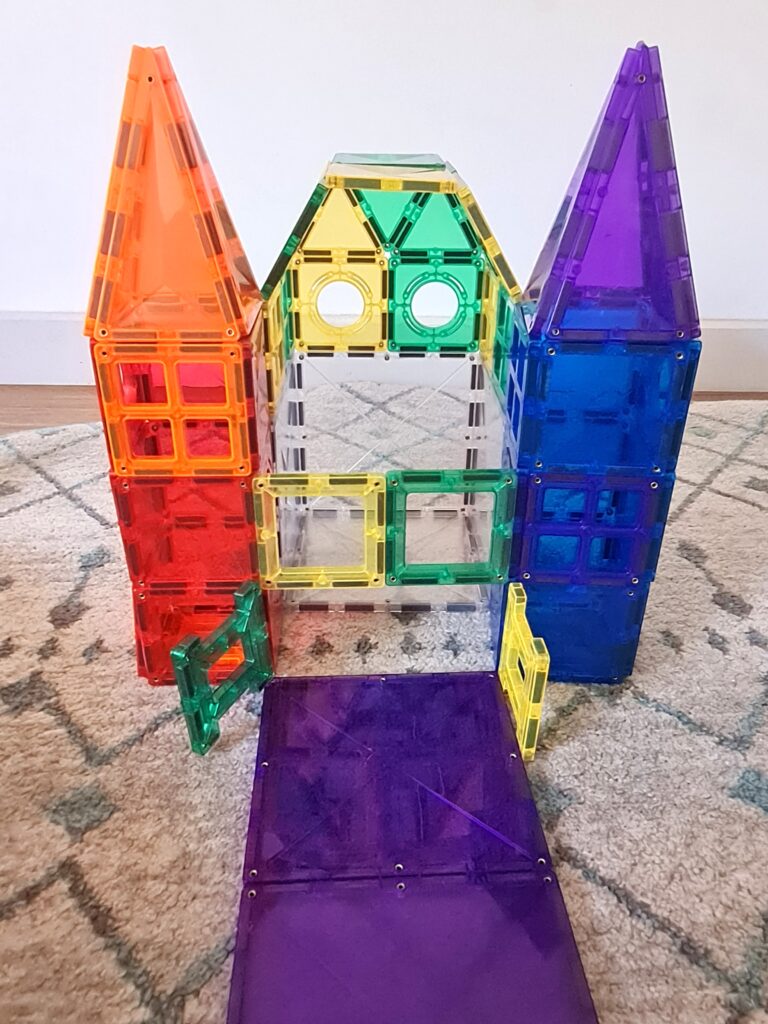
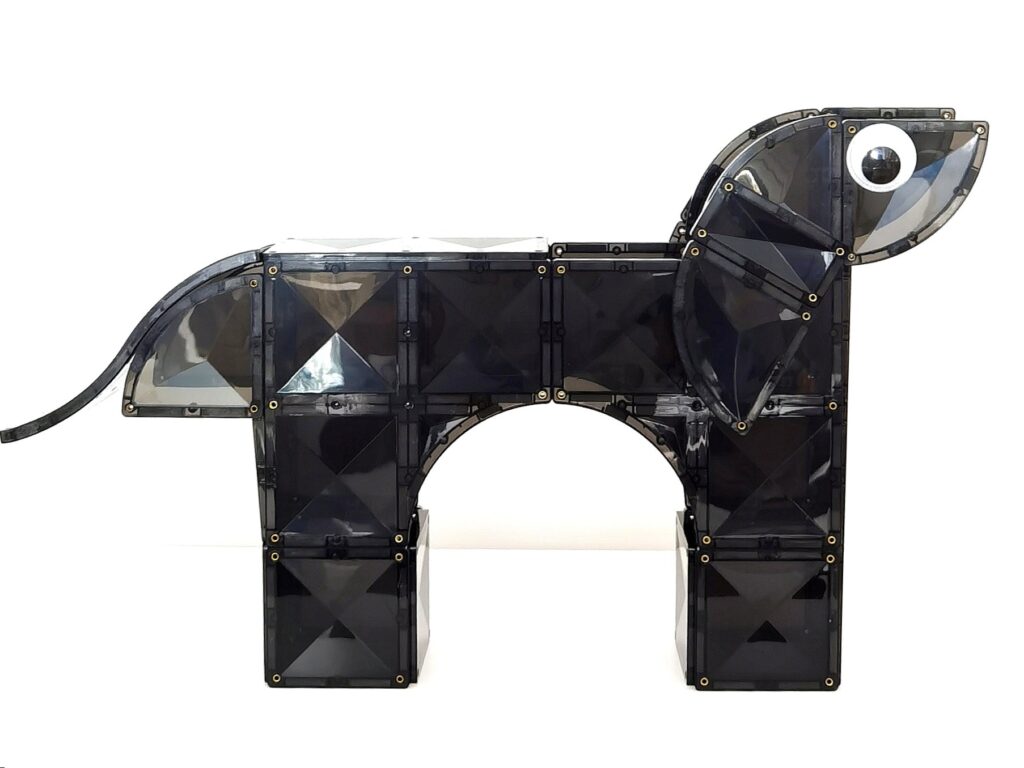
- Promote different play experiences such as building, design, dramatic play and physical play
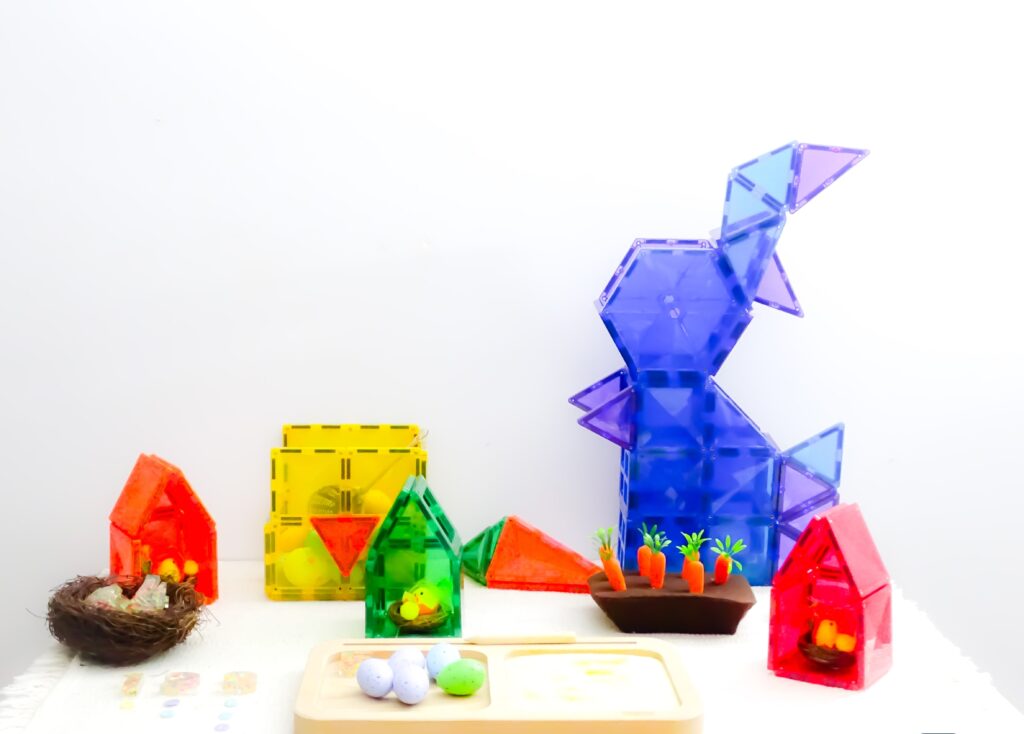
- Allow children to make connections between their lived experiences as well as the ideas found in books and other texts, then being able to apply this to their play, recreating environments and making sense of the world around them
- Develop their language skills when they are playing with others or while telling the story of their play
- Allow a sense of pride in their own creation
- Develop motor skills
- Support social skills development
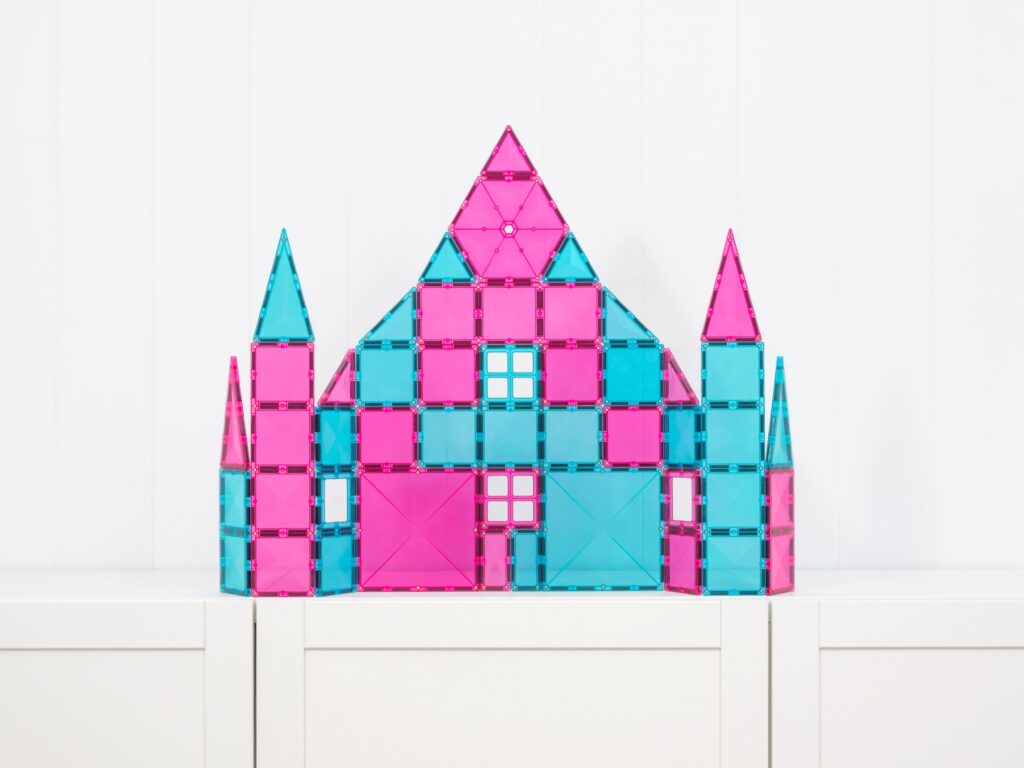
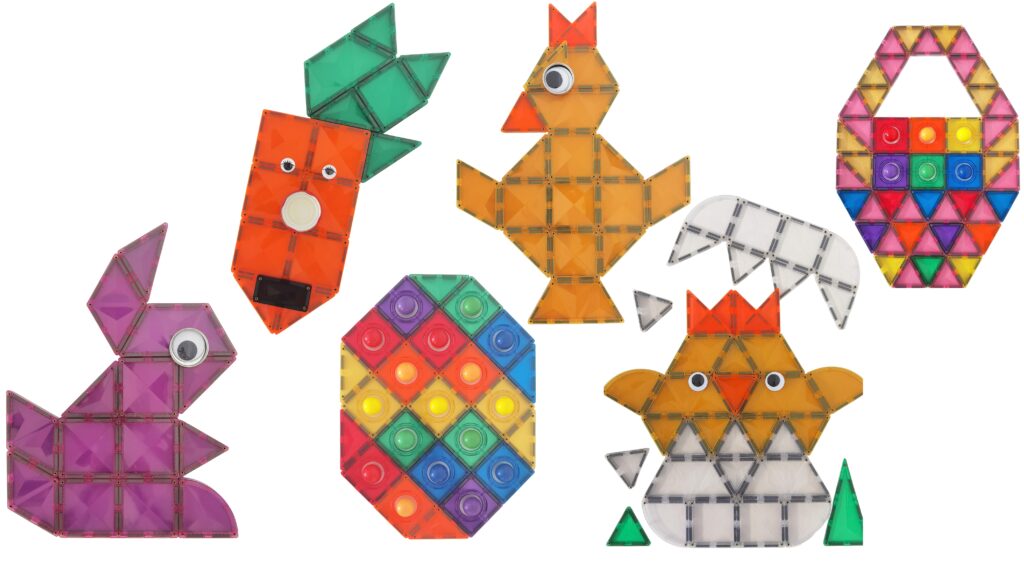
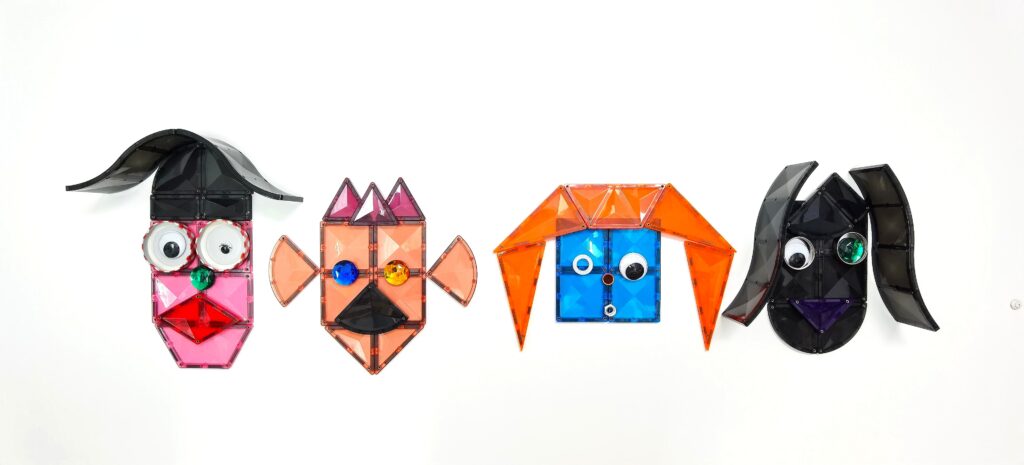
- Allow children to be creative and express their ideas uniquely
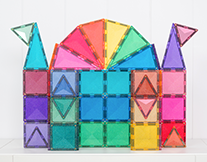
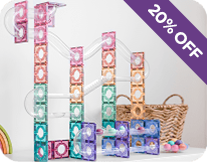
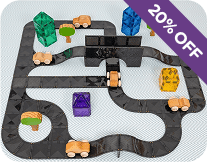
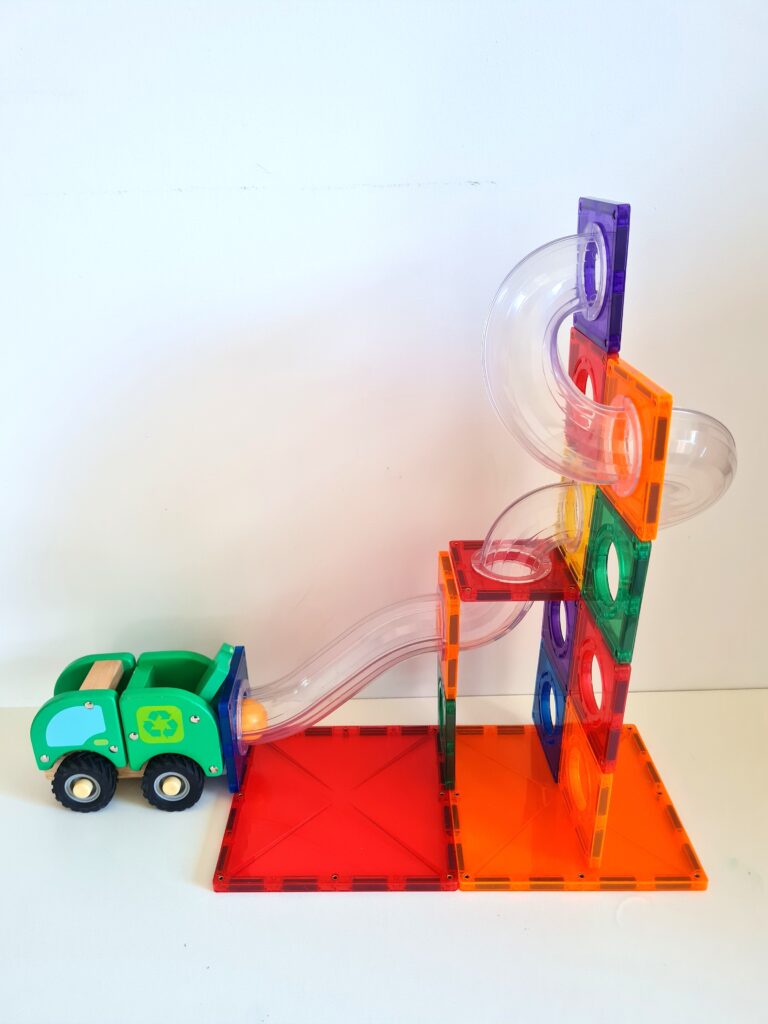
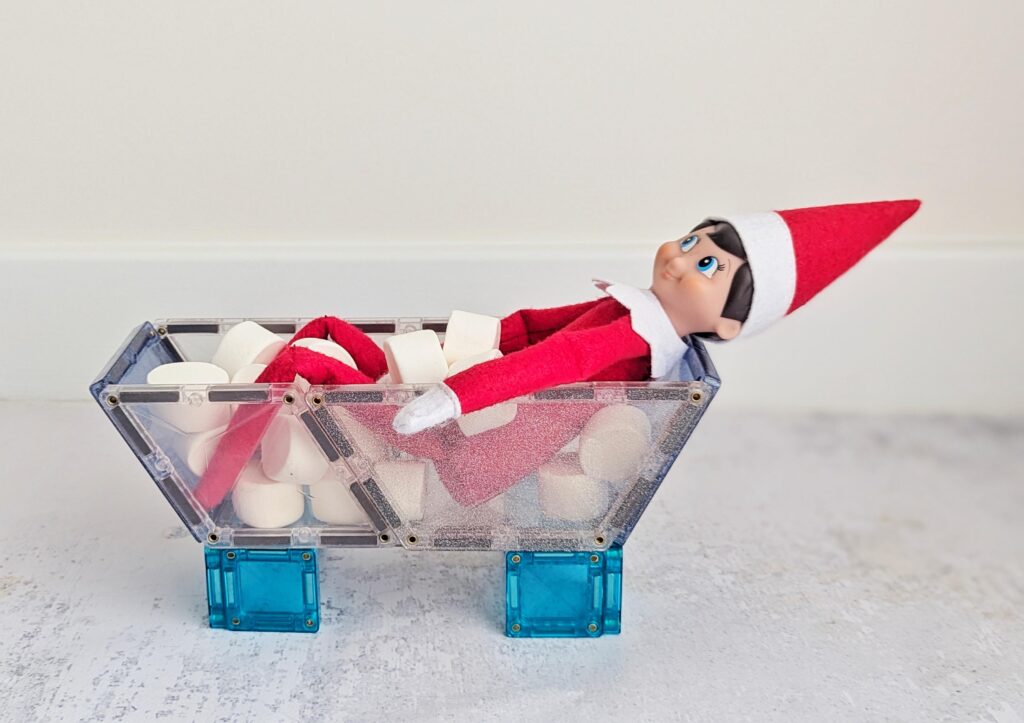
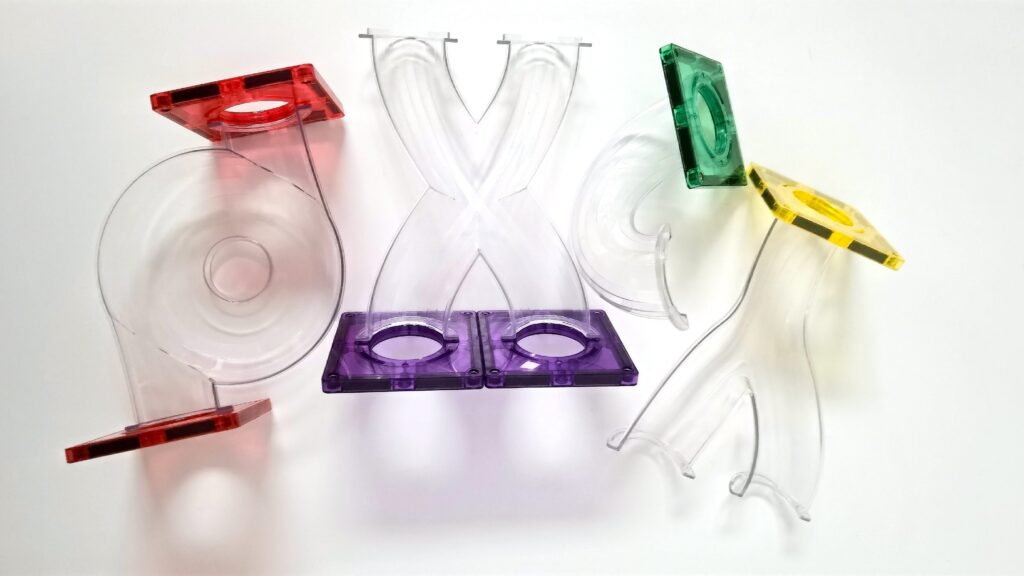
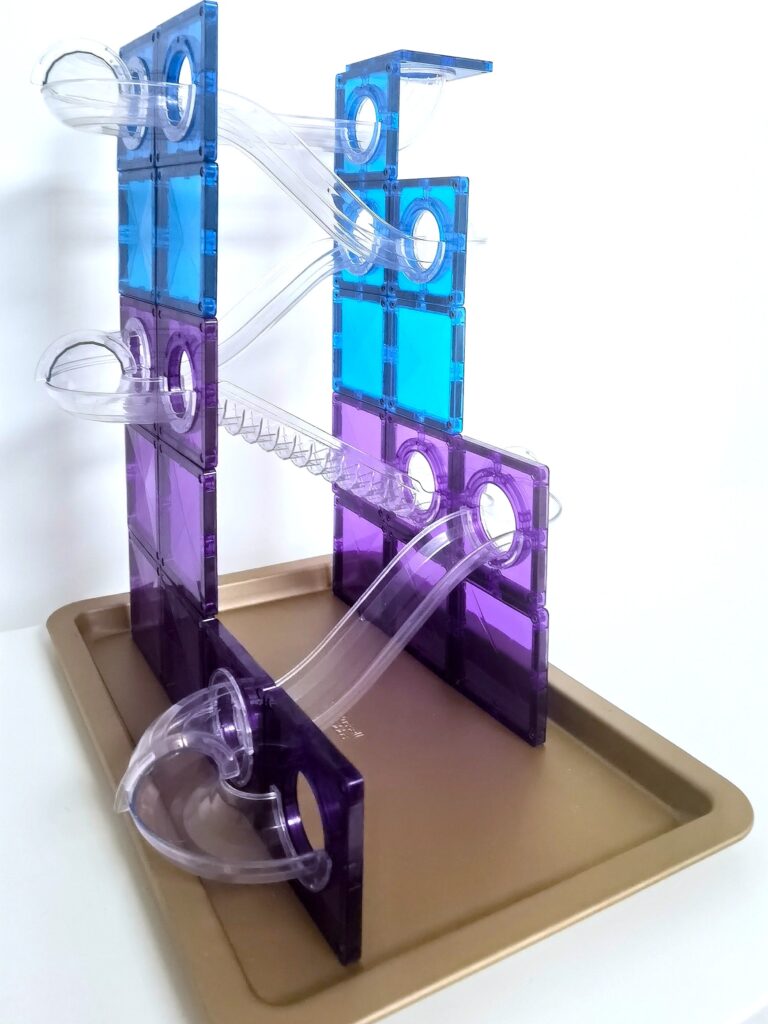
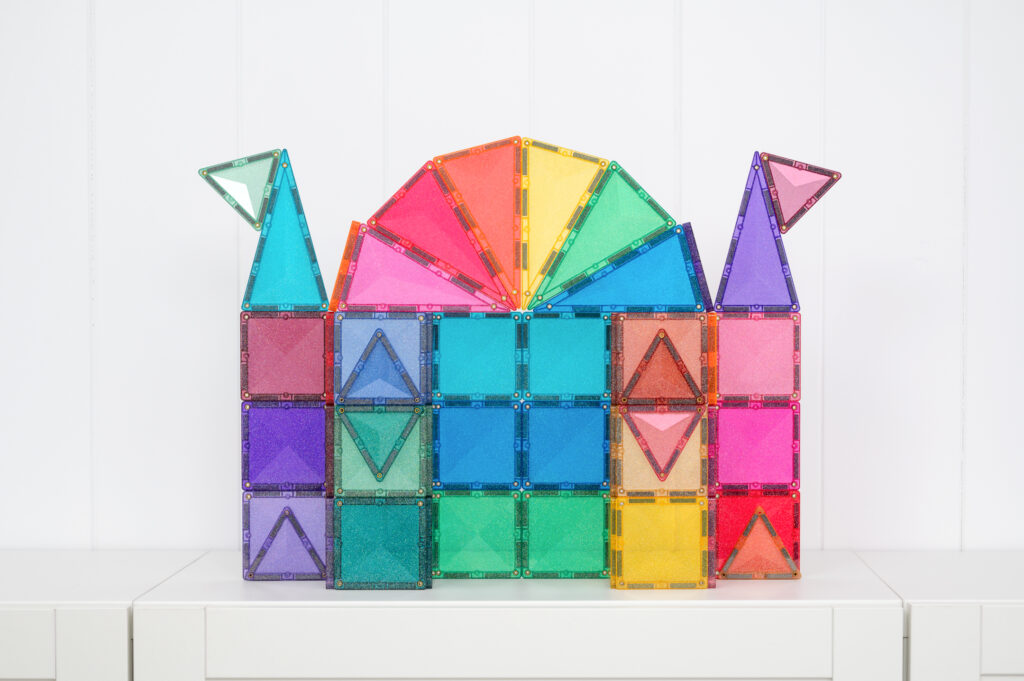
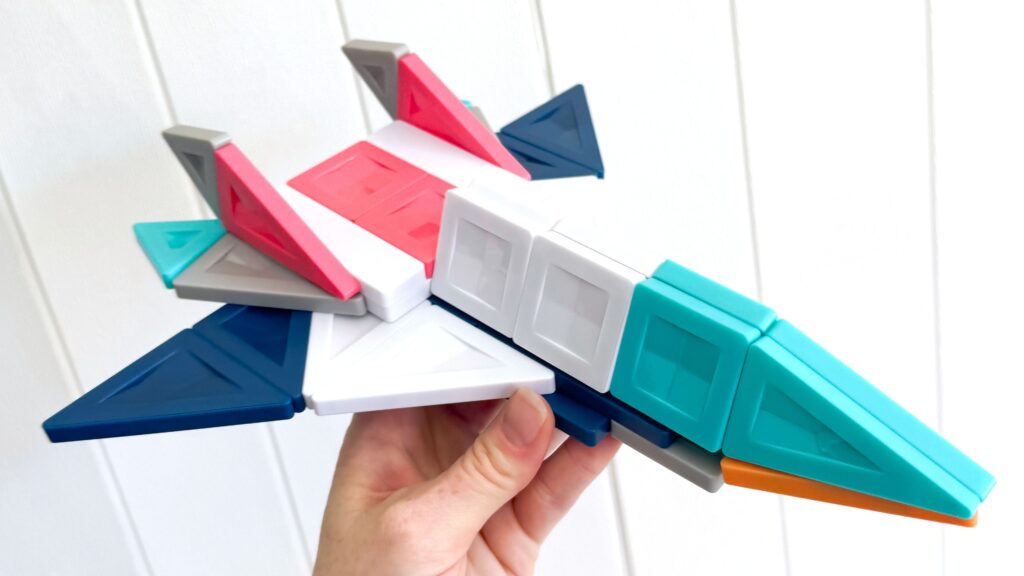
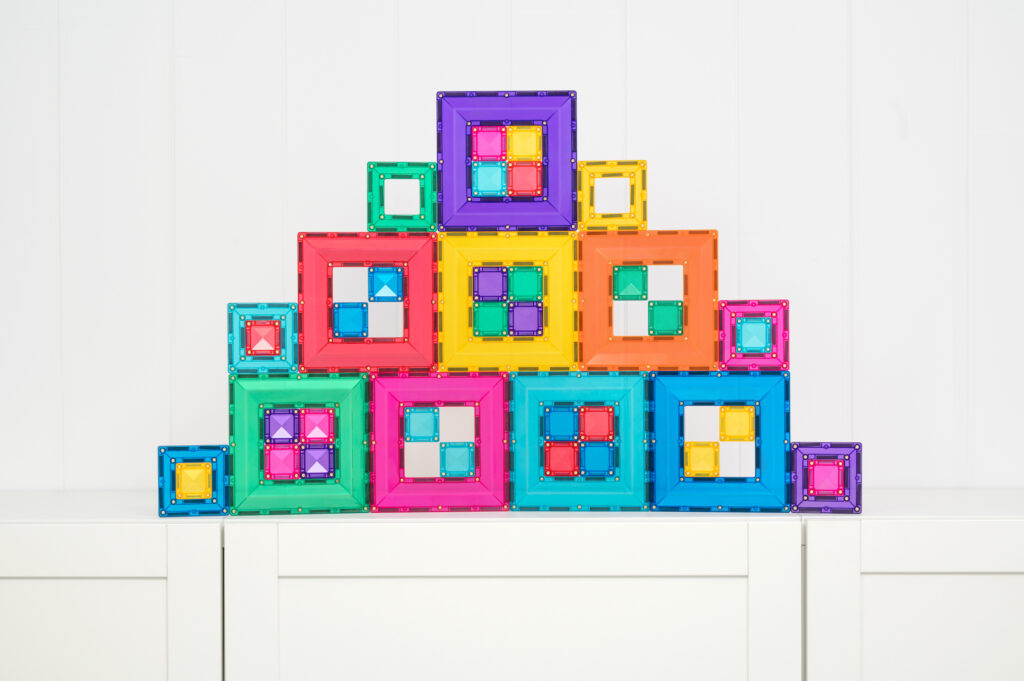
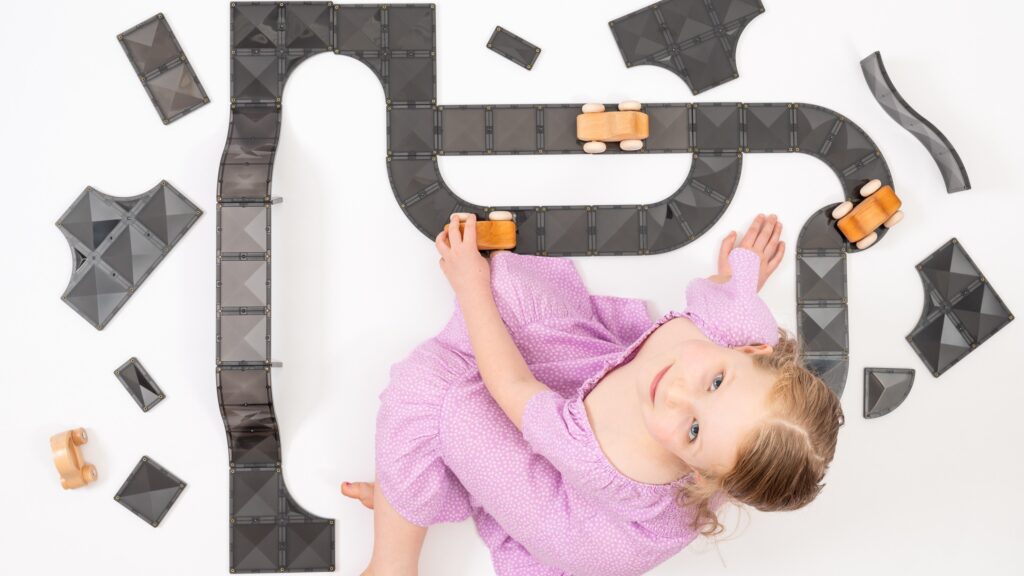
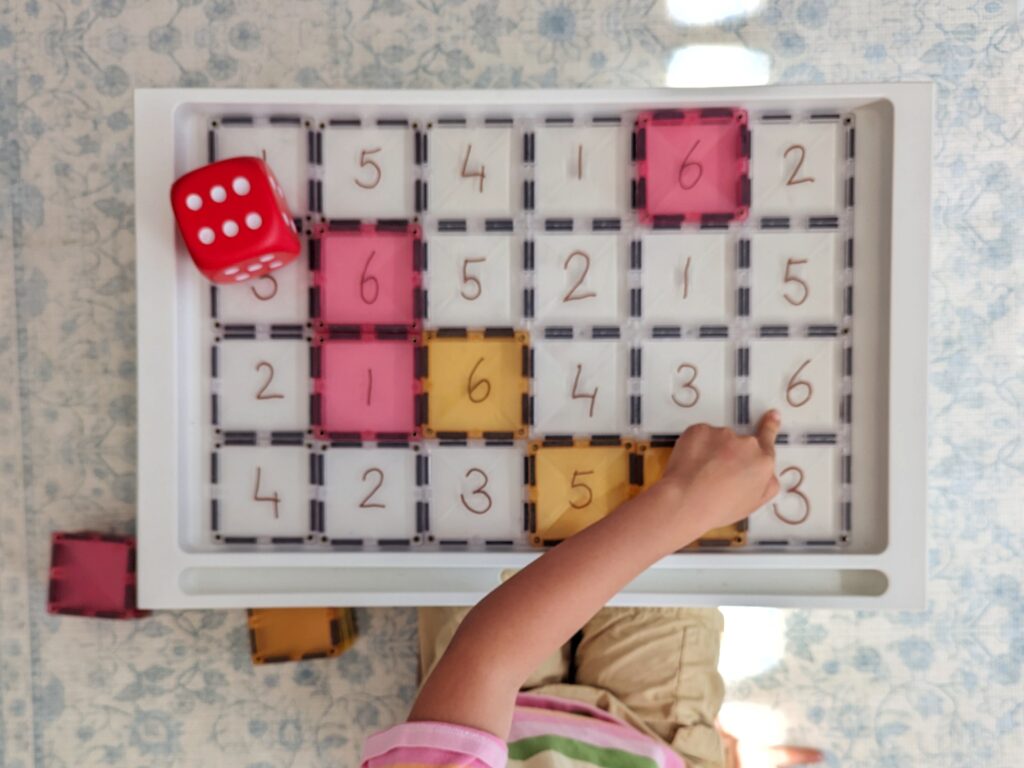
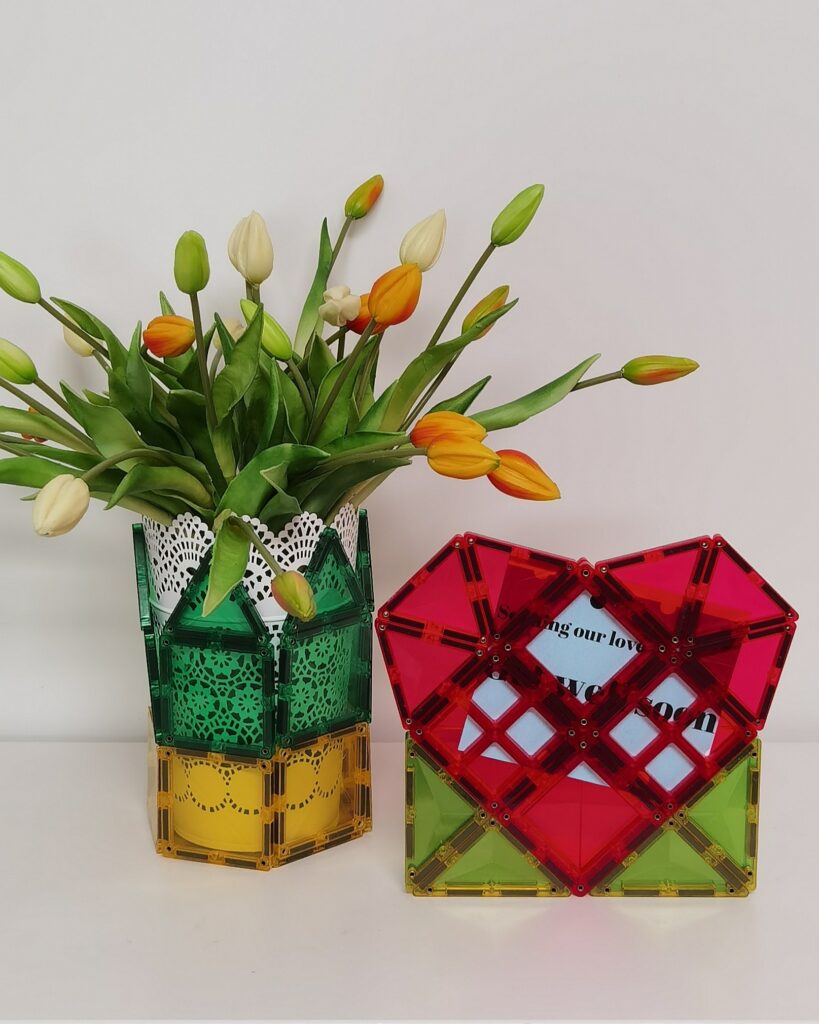
CONNETIX has a wide variety of pack options that allow all users to experience the benefits of play. Whether you choose the Transport Pack, one of the Shape Expansion Packs or the new Roads Range, you are choosing a resource that allows preschoolers to enter into a world of unlimited and unrestricted play. Although some packs are designed with a purpose, such as the Ball Run Pack, the pieces within can be used to create anything. Making them ideal for everyday play, and for formal and informal learning experiences. For example, a preschooler could create a ball run that could be used for a role play game of trucks taking items to the tip or to identify different colours depending on where the ball falls.
Creative thinking is a vital skill that we develop throughout childhood and continue to refine as we grow into adulthood. It helps us in all kinds of daily situations and provides us the opportunity to question and evaluate information, make connections between different pieces of information and think more deeply about the ideas we are presented with, as well as the world around us. When preschoolers engage in unstructured play, they begin to develop skills which they will utilise throughout their lives. However, often our lives are so busy with work, catch ups with friends and family, weekly sports practices, games and activities that unstructured play becomes overlooked or even undervalued. Making time for simple, unstructured play is so important for preschooler’s overall development as it allows children to:
- Be bored, and navigate their own boredom creatively
- Socialise with others effectively, solve conflicts, share and work together
- Develop independent thinking
- Make decisions independently
- Regulate their own emotions
- Develop an awareness of others and their feelings
- Strengthen their creativity
Having open-ended tools available to preschoolers is so important as they are able to manipulate and creatively use toys that meet the unique purpose of their play, time and time again, while also supporting them to meet developmental milestones.
Creative Thinking is a Vital Skill
Often, creativity is associated with art-based subjects such as visual arts and painting, role plays and drama, learning to play and create music, singing and making a physical final product. However, creativity can be displayed in so many other areas of life, including within different academic subjects. For example, someone might be creative in the way they solve a math problem or in the meals they create. Although there is always a final product, creativity truly focuses on the process. From starting a project to its culmination, an individual explores concepts imaginatively, integrates their own individuality and flair into their project, and experiments with their design by analysing themselves. Preschoolers begin to develop their own sense of creativity when they engage in play. They generate and freely experiment with innovative ideas, go with the flow of their storyline and aren’t doubtful of their decisions. This is why unstructured play is so important during the formative years. They are able to use their creative abilities and apply them to a range of other experiences in life, without hesitation or fear. This skill is important to carry into adulthood as it allows individuals to stand out and think outside the box.
Developing Creativity
If you think of any preschooler you’ve ever known, they have wild imaginations and they come up with crazy ideas that are limitless. There are no bounds to what can or can’t be achieved. They are original and express themselves through their creativity. Allowing preschoolers to engage in free play where they are given the space to experiment, not only further enhances their own creativity, but it also assists them to explore new ideas or ways of thinking while engaging in problem solving. Play that occurs free from instructions, a plan or intervention from an adult encourages preschoolers to think for themselves. By designing games, structures and a storyline to their play, this allows them to express their creativity. Additionally, unstructured play forces children to persist with and independently handle challenges that arise. This is a skill that is so necessary as children are then able to think for themselves and fix their own problems more frequently, and often innovatively.
Creativity Builds Self-Confidence and Social and Emotional Intelligence
Creative free play provides preschoolers with the opportunity to establish their own self-expression, build their emotional intelligence, manage their own emotions and develop their self-confidence. Preschoolers are also able to use their play experience to communicate and express their ideas through other non-verbal means, both in independent and group situations. Additionally, it supports their social skills allowing them to build relationships with others and learn beneficial social skills such as taking turns, listening to others and negotiation. Of course there are times where adults need to guide and support children in their play and with their peers, however allowing them the opportunity to try first shows that we see them as capable while giving them the chance to use their own tools from their toolbox first – often ones they’ve experimented with during unstructured play times.
Creativity Develops Cognitive Abilities
Through unstructured play preschoolers are also offered the chance to figure out how things do and don’t work. It might be how parts go together, what shapes don’t fit well, how to connect objects together and even how to stack objects so they don’t topple based on their weight and size. Not only does creative play have so many positive benefits to a preschooler’s cognitive development, but it also promotes fine motor progression by supporting muscle development and hand-eye coordination, which is needed as a pre-writing skill.
Unstructured play is fundamental to preschoolers healthy social, emotional and cognitive development.
Making time for and allowing them the opportunity to engage in free play, especially with open-ended toys, ensures preschoolers have ample experiences to develop their creative thinking and other key skills that can be applied to their everyday life.