How CONNETIX Can Support Neurodivergent Children: A Tool for Emotional and Physical Development
By Tegan Franks
CONNETIX are a versatile and engaging tool for young learners, offering numerous benefits for all children, and in my experience those with different developmental needs.
As the mother of a neurodivergent son and an educator with many years of experience working with neurodivergent students in the classroom, I’ve seen firsthand the positive impact that hands-on, sensory-rich learning tools like CONNETIX can have.
Understanding the Needs of Neurodivergent Children
Neurodivergence, including conditions such as autism spectrum disorder (ASD), ADHD, and sensory processing disorders, can have positive, but also adverse effects to a child’s emotional, social and physical development. Neurodivergent children may face physical challenges like sensory overload, difficulty with communication and struggles with emotional regulation. Each child is unique with unique gifts and talents. Understanding these needs can help in choosing the right tools and strategies to support their growth.
By raising a neurodivergent child, I’ve observed how crucial it is to provide a tailored, understanding approach to learning. The challenges neurodivergent children face is real and varied, but with the right support, they can thrive. CONNETIX tiles offer a unique way to harness individual strengths and address challenges by providing both sensory stimulation and structured play opportunities. They engage multiple senses, making them an excellent tool for children who need support in regulating emotions and enhancing physical and cognitive skills.
The Sensory Benefits of CONNETIX
For many neurodivergent children, sensory processing is a key area of uniqueness. Sensory issues can cause heightened sensitivity to certain textures, sounds or visual stimuli. As a parent and educator, I’ve found that sensory integration is an area that needs careful consideration. CONNETIX offer a hands-on way to engage children with the sensory world around them, providing much-needed input for children with sensory sensitivities.
Tactile and Visual Stimulation
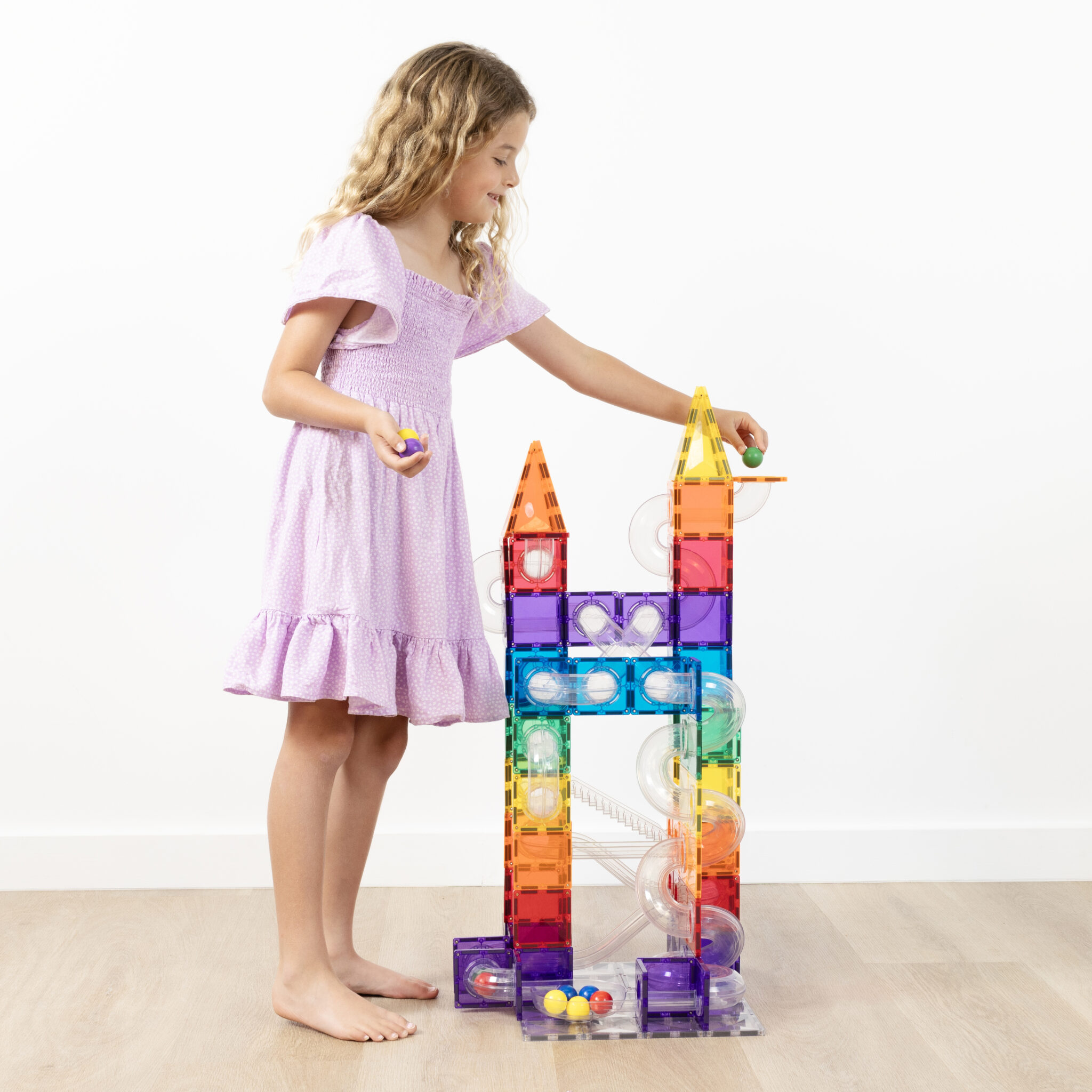
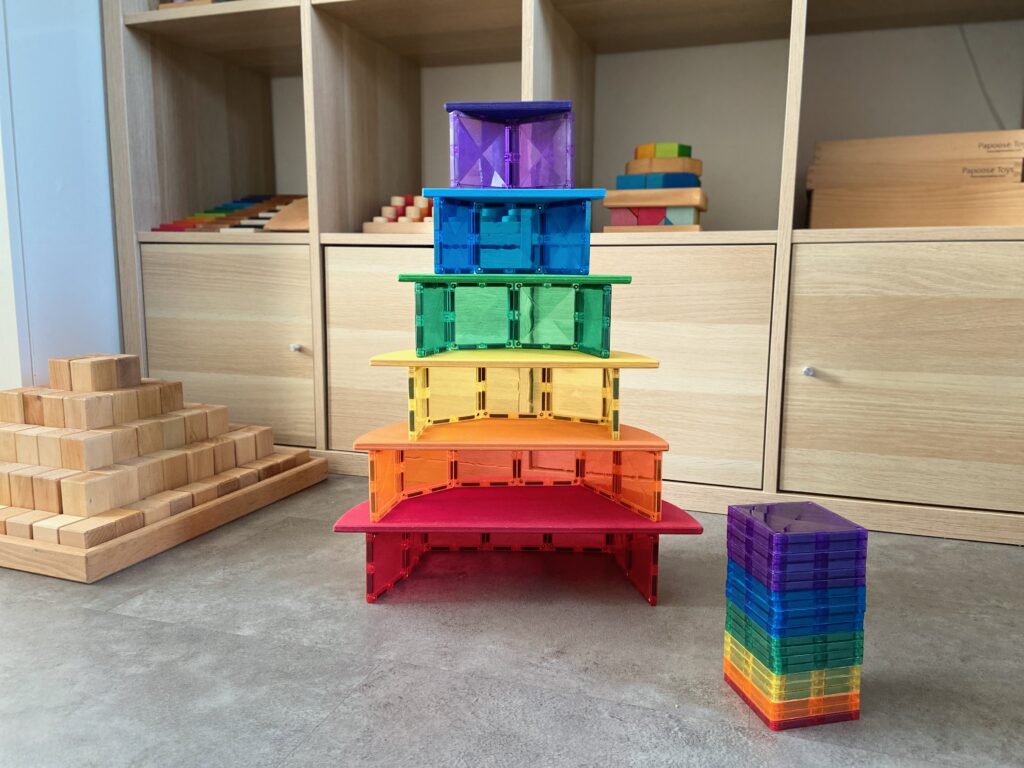
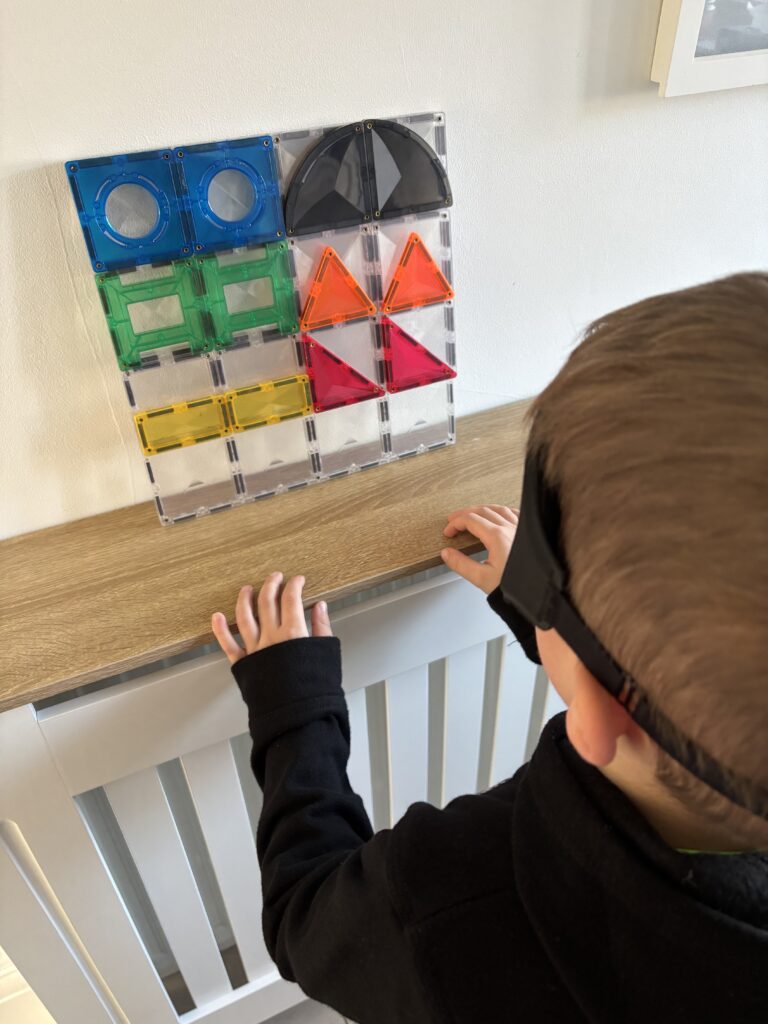
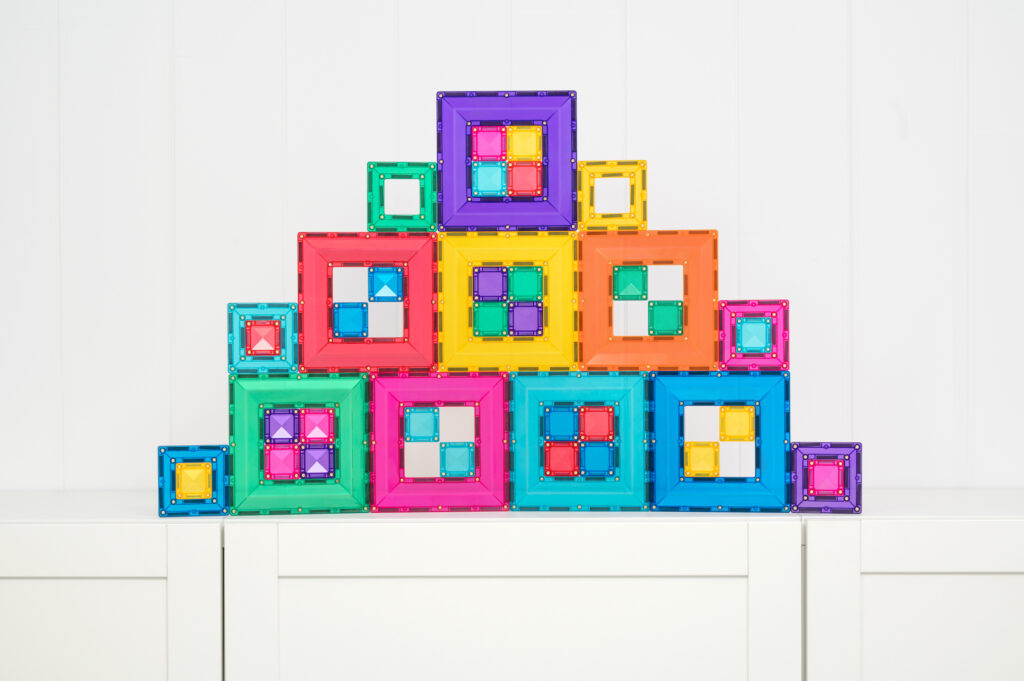
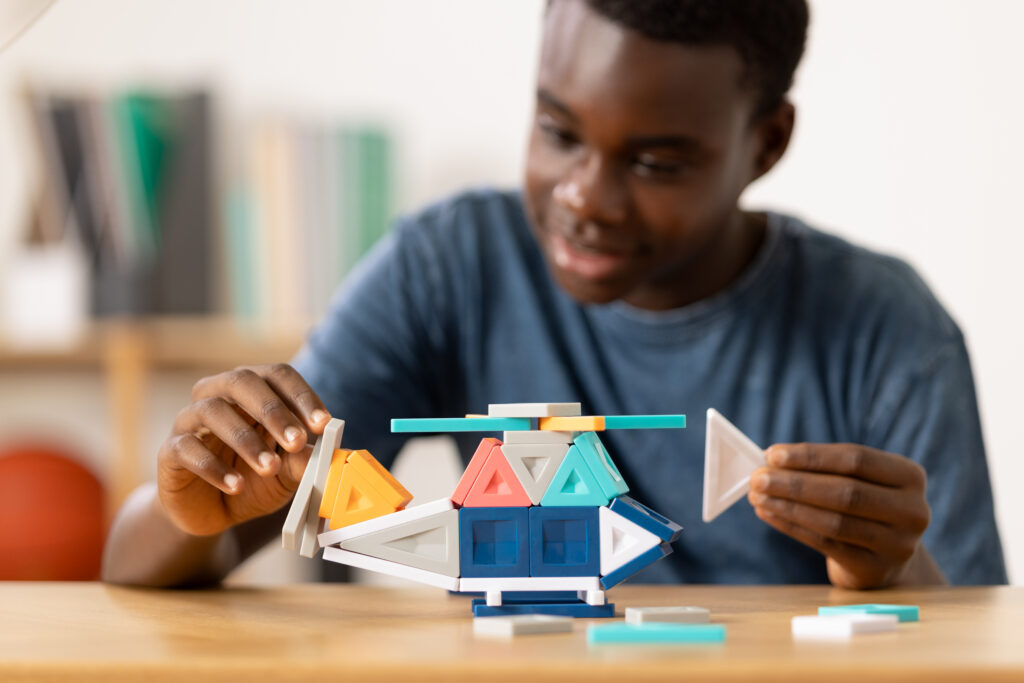
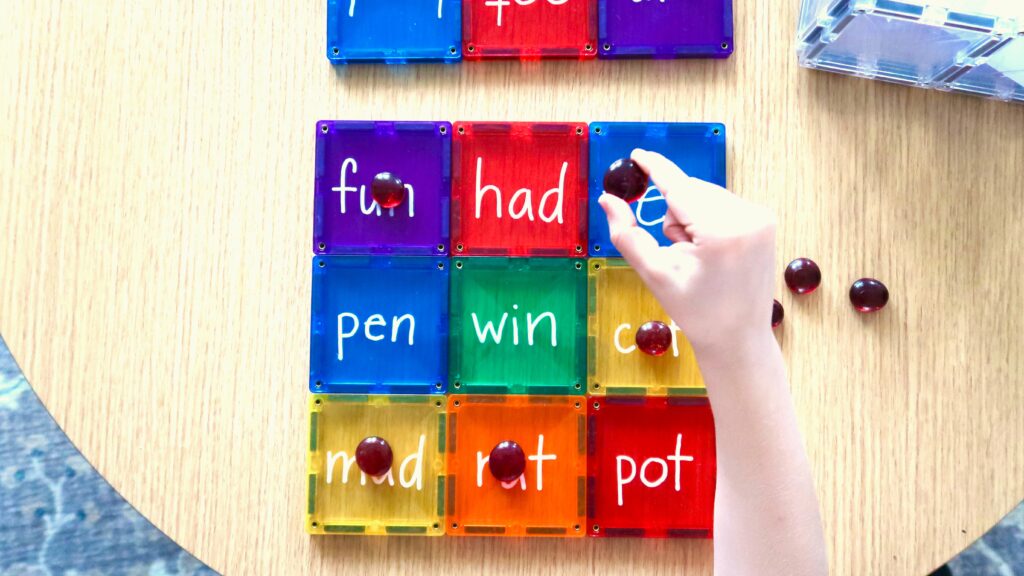
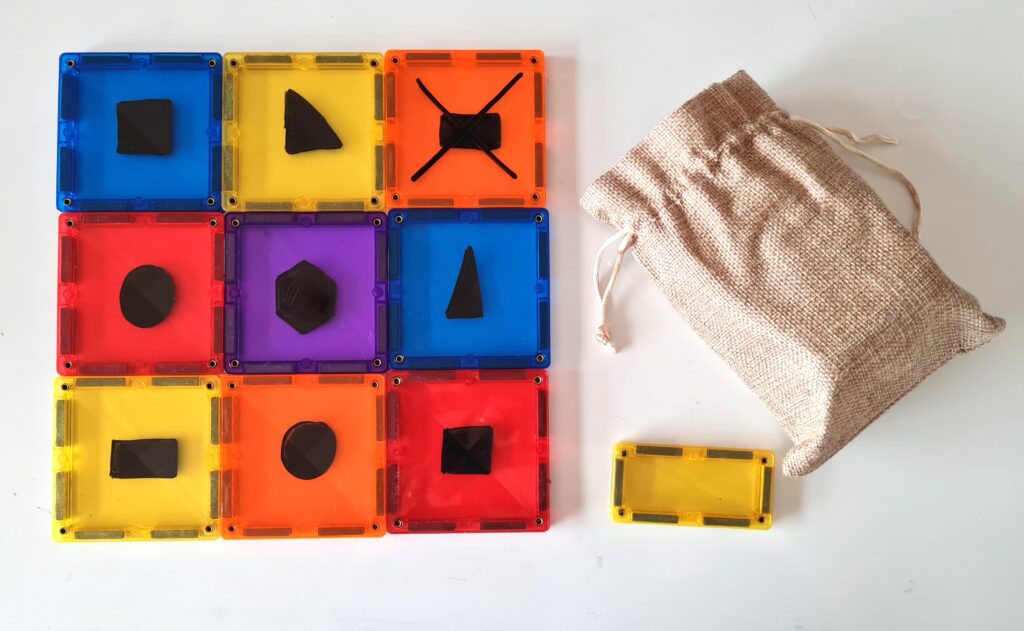
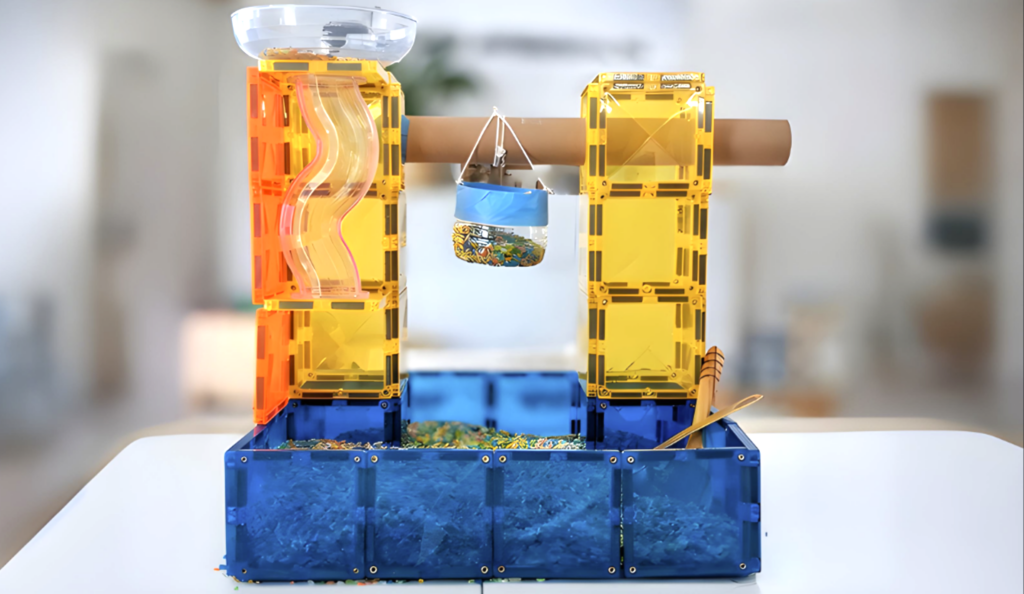
The smooth, magnetic surface of CONNETIX tiles offers a satisfying tactile experience. Manipulating the tiles—snapping them together, balancing them and stacking them—can provide calming sensory input, helping children to regulate their emotions and focus. This tactile engagement can also help with fine motor skills development, which is an area all children can benefit from, particularly neurodivergent children.
It’s fascinating to see how the tactile, repetitive nature of these activities can act as a grounding experience for children when they feel overstimulated or anxious. Taking them to a quite space outside is a great way to develop this area.
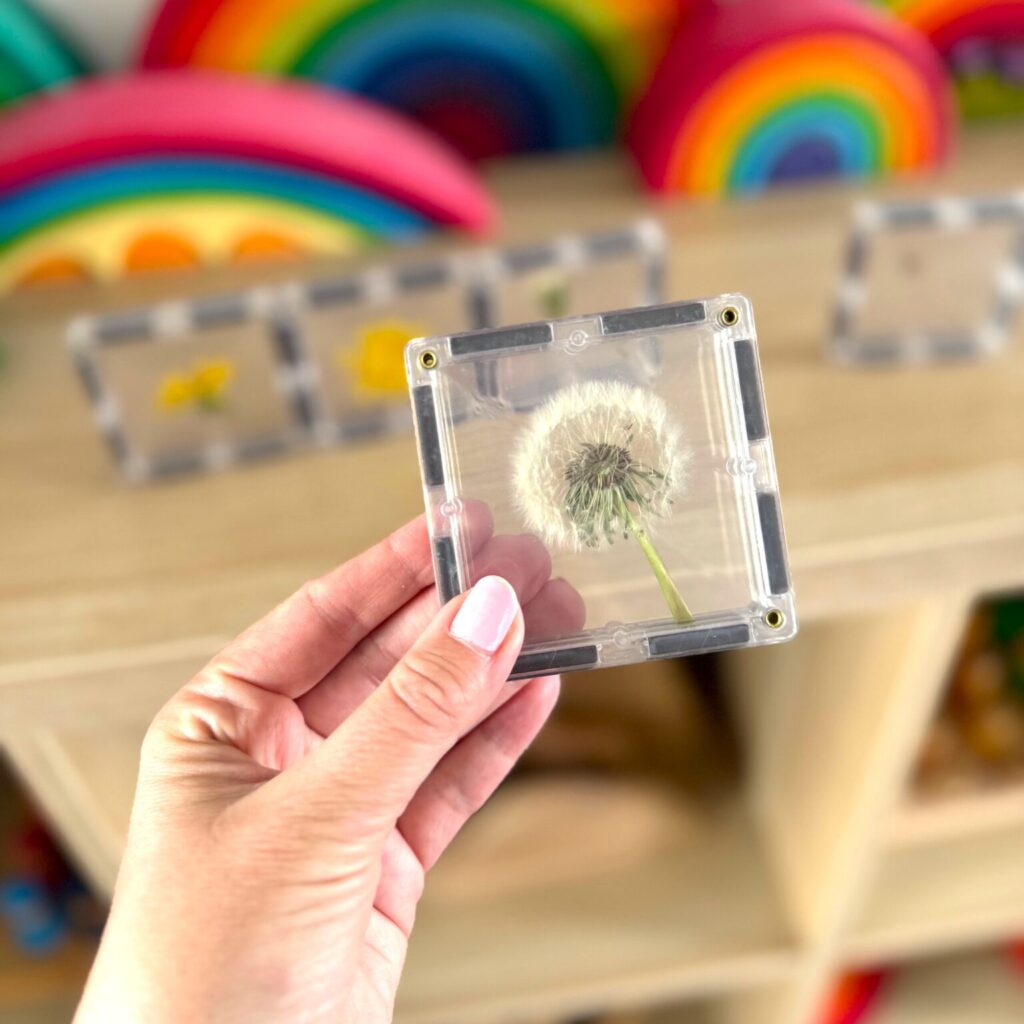
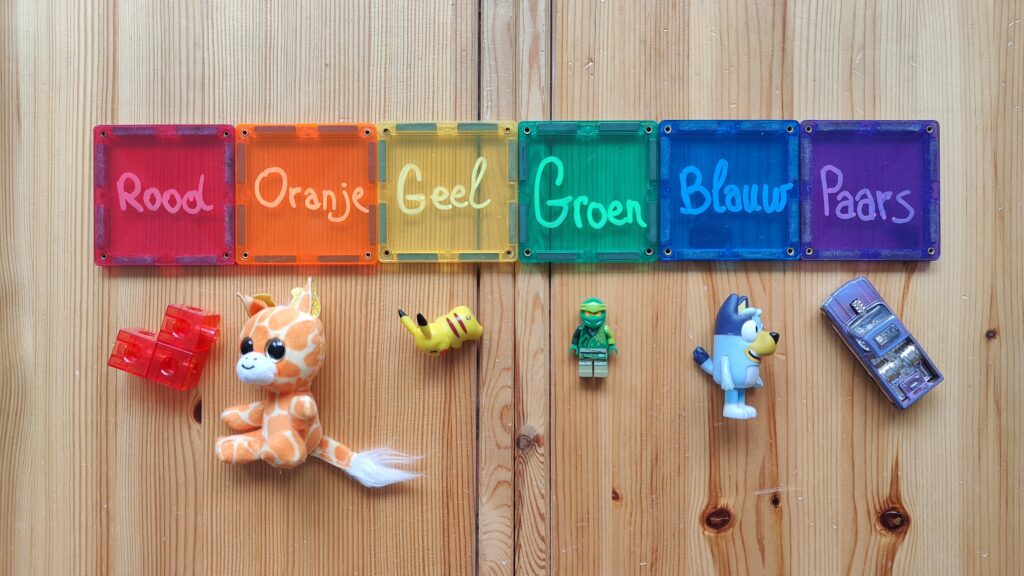
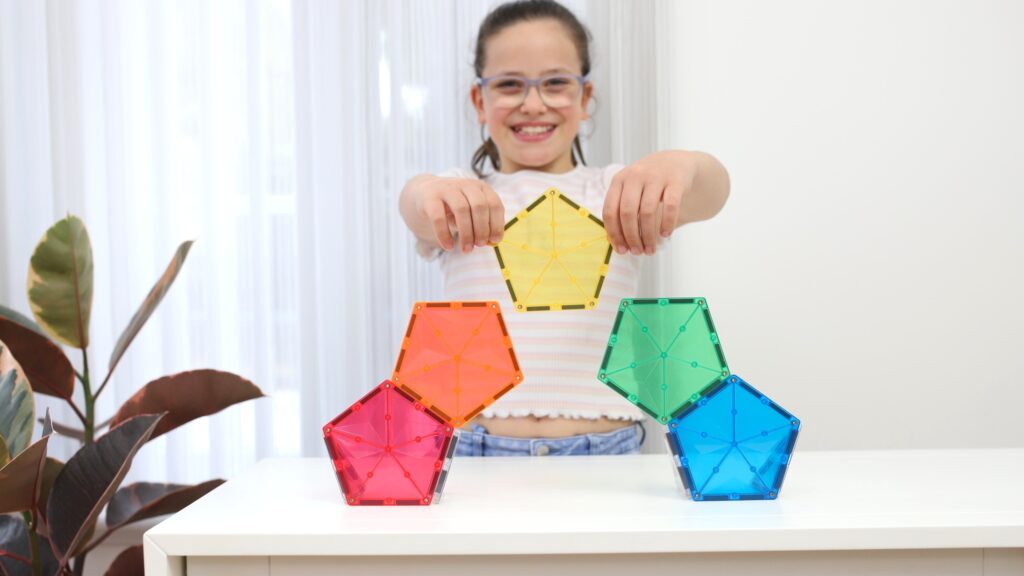
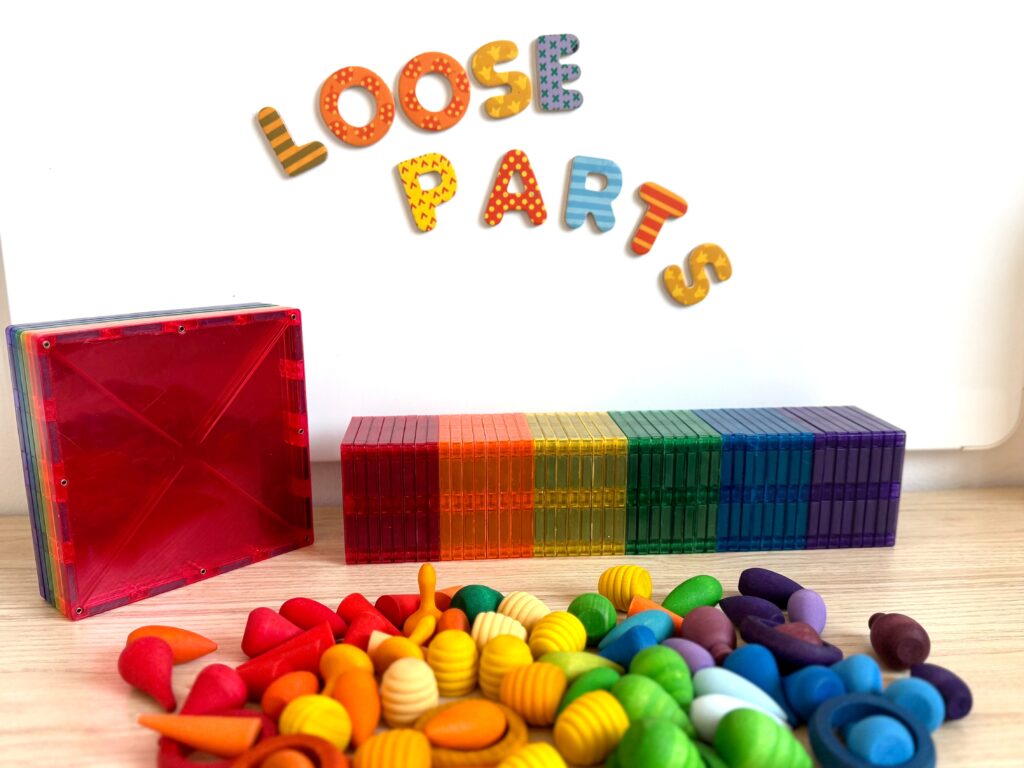
The bright colours of the tiles are visually appealing, which can help children focus their attention. The vibrant hues of the tiles may draw in children who are visually sensitive, helping them stay engaged while promoting visual processing skills. Having a neurodivergent child, I’ve noticed how bright colours can sometimes calm or attract his focus, and the use of CONNETIX provides that perfect balance between stimulation and regulation.
Emotional Regulation with CONNETIX
One of the most significant challenges for neurodivergent children can be emotional regulation. For children with autism or sensory processing difficulties, managing emotions in overwhelming situations can be difficult. CONNETIX can help by offering a calming, structured activity that promotes emotional self-regulation.
Creating a Calm Space
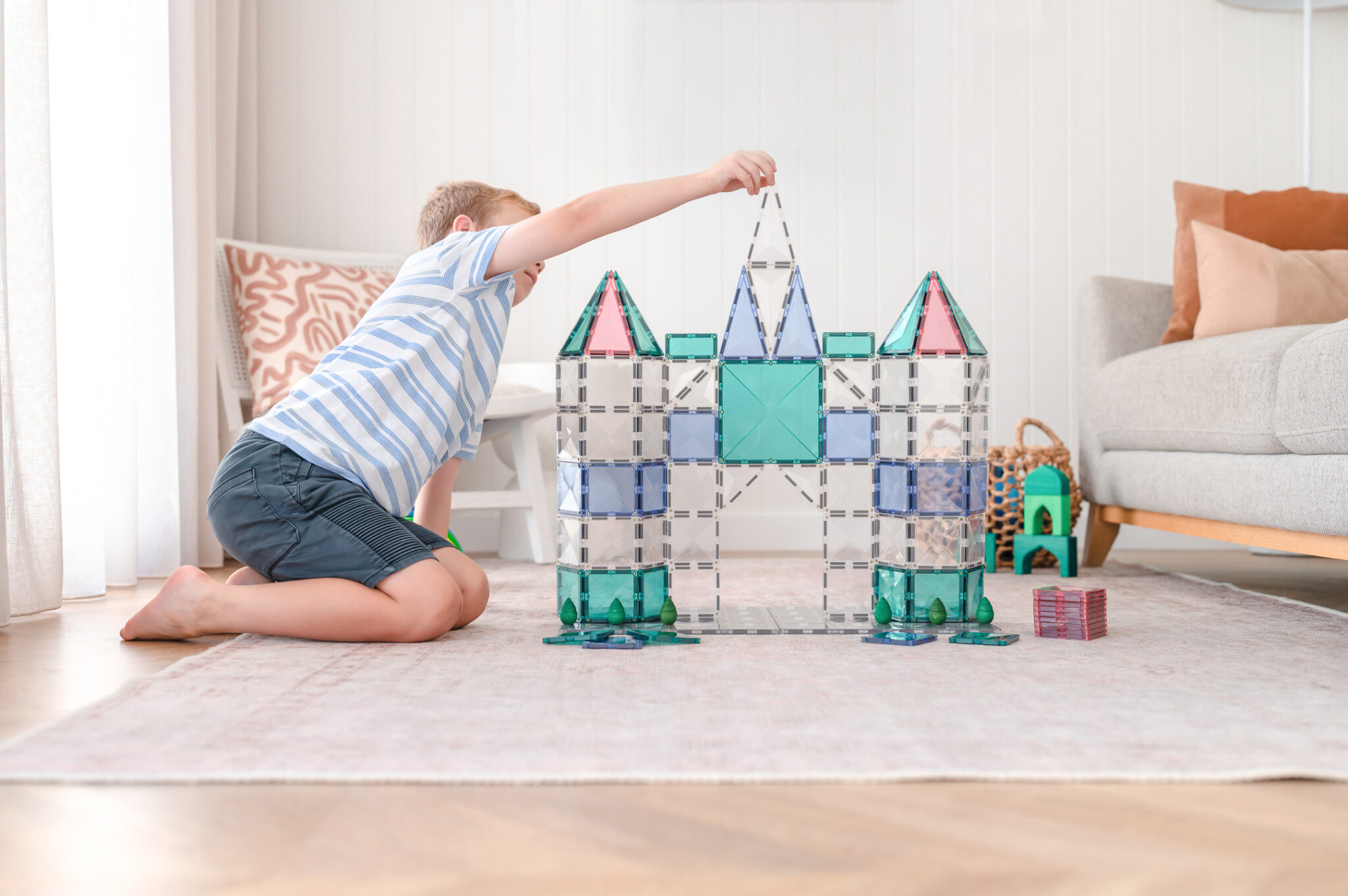
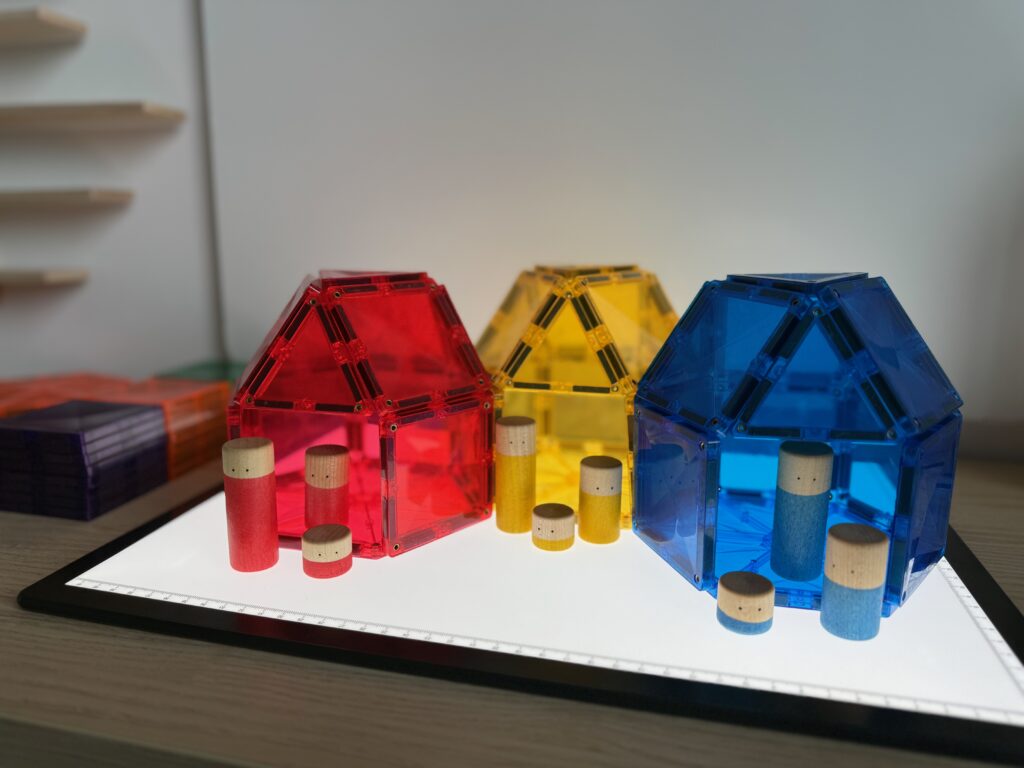
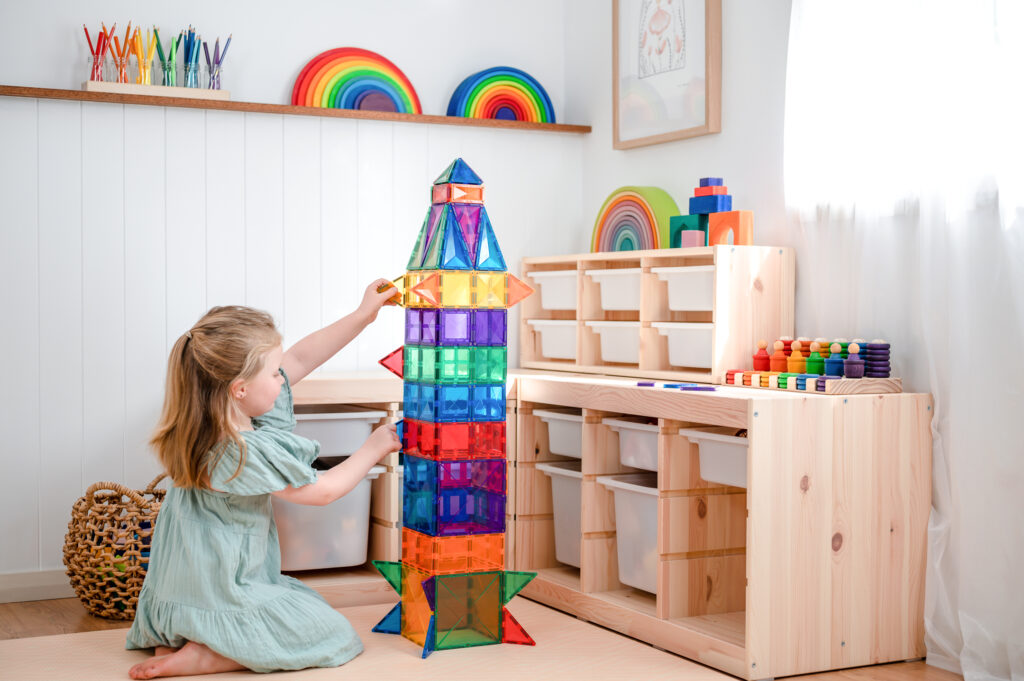
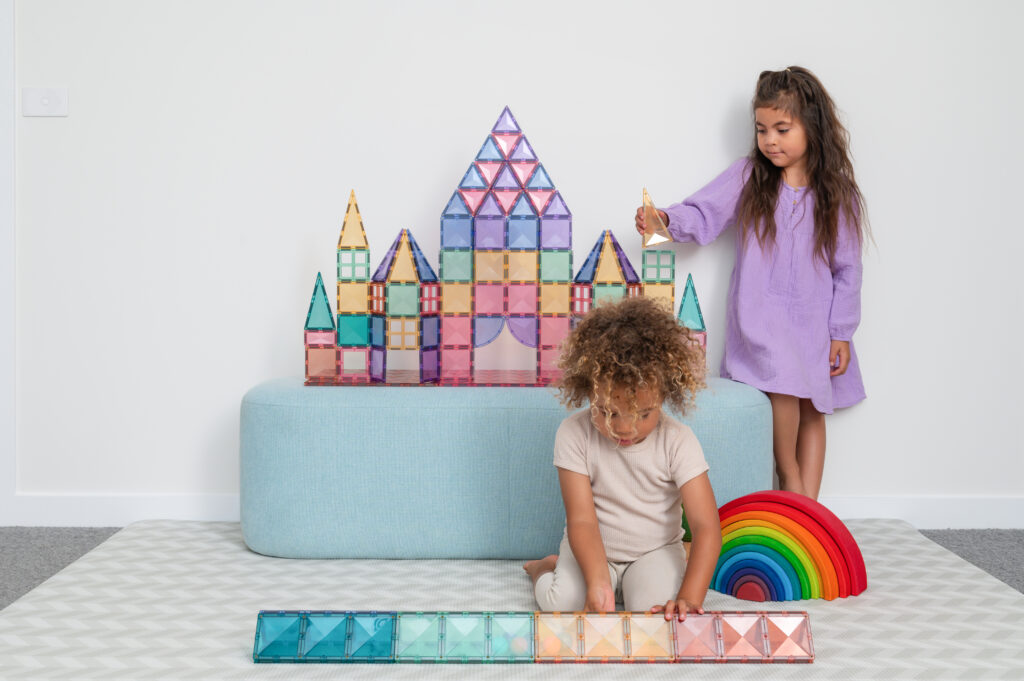
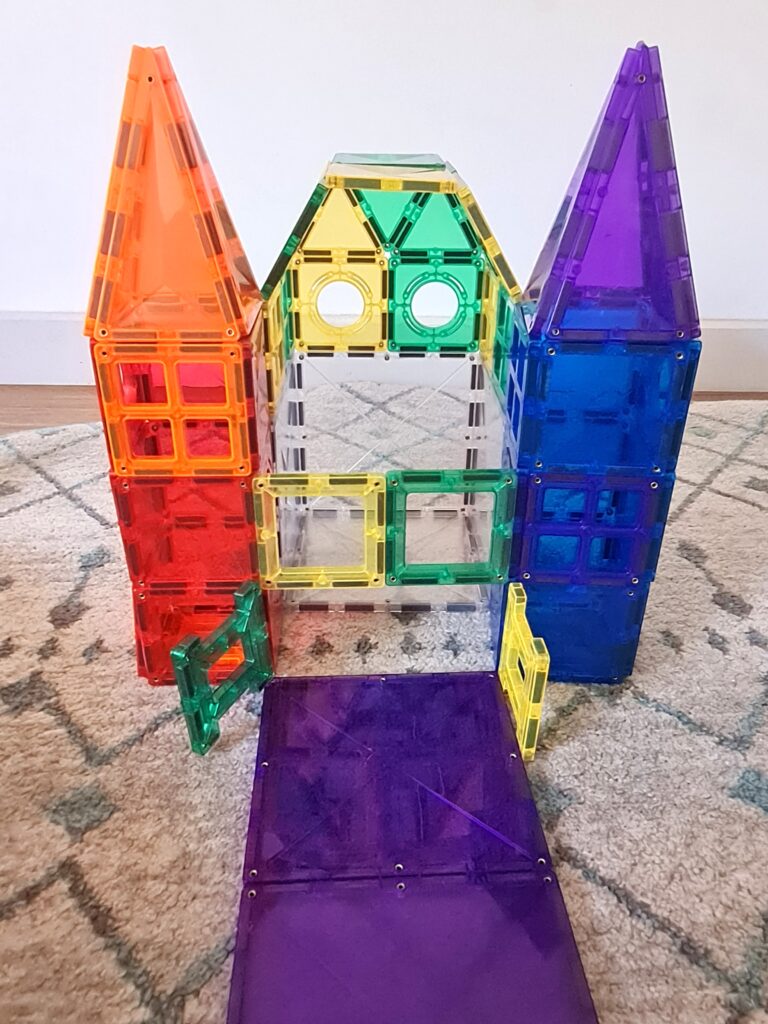
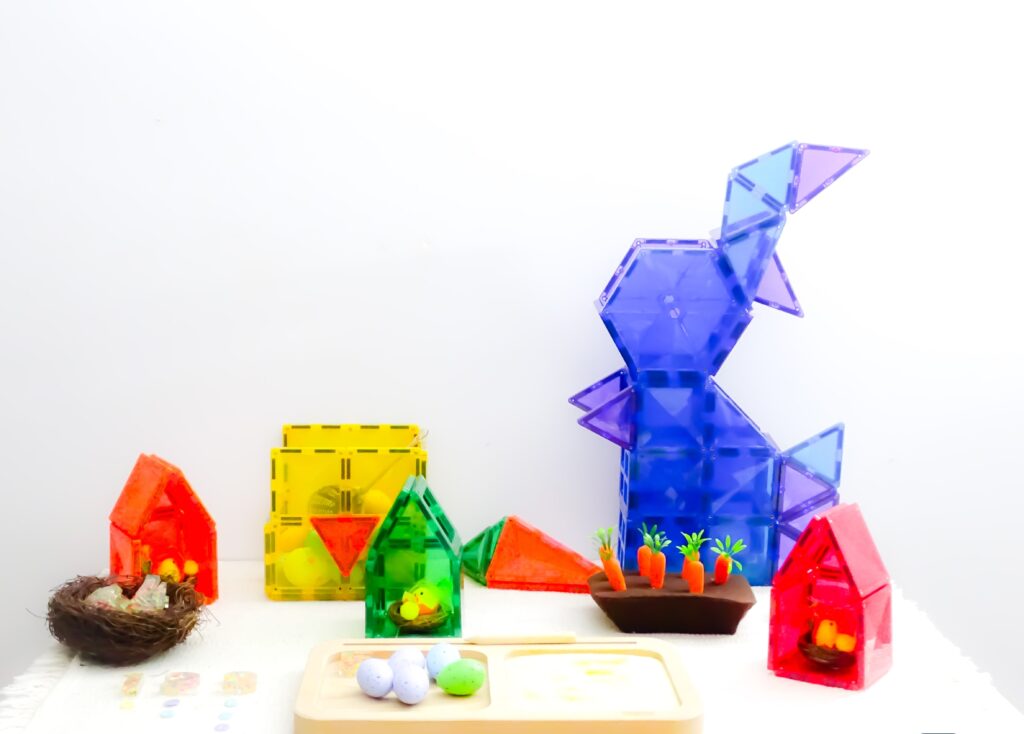
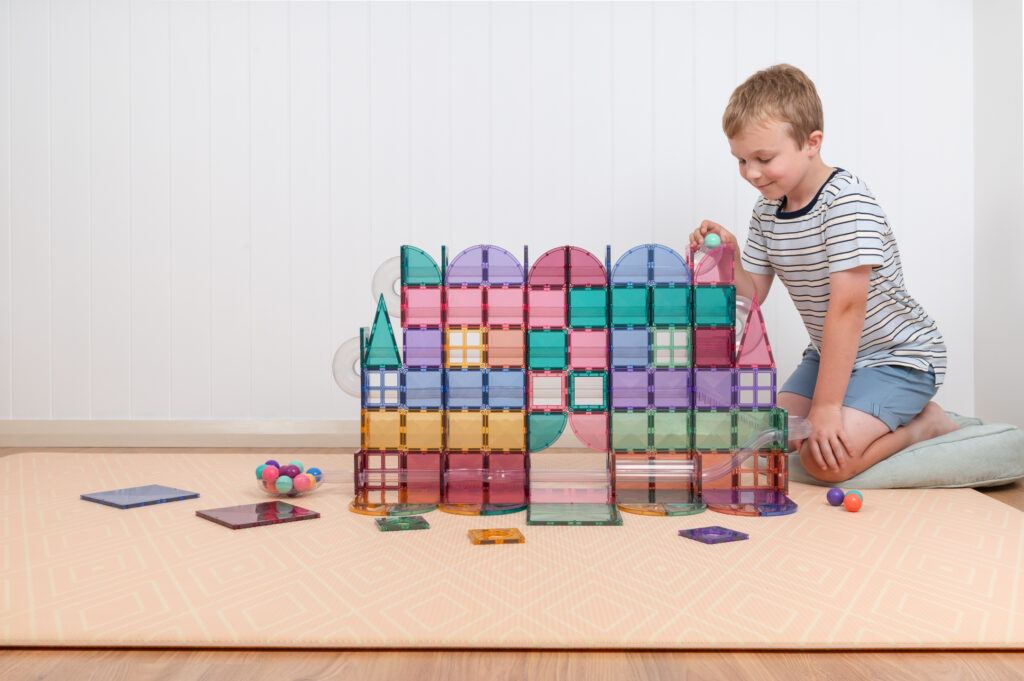
Children can use the tiles to create calming structures, such as small “safe zones” or sensory areas. I’ve found that when children are feeling anxious, having a structured play activity like building a tower or a safe “house” with CONNETIX gives him a sense of control and calm. Building with the tiles offers predictability, which is often exactly what neurodivergent children need during moments of emotional dysregulation. The uniformity of CONNETIX can provide a feeling of safety.
Self-Soothing Activities
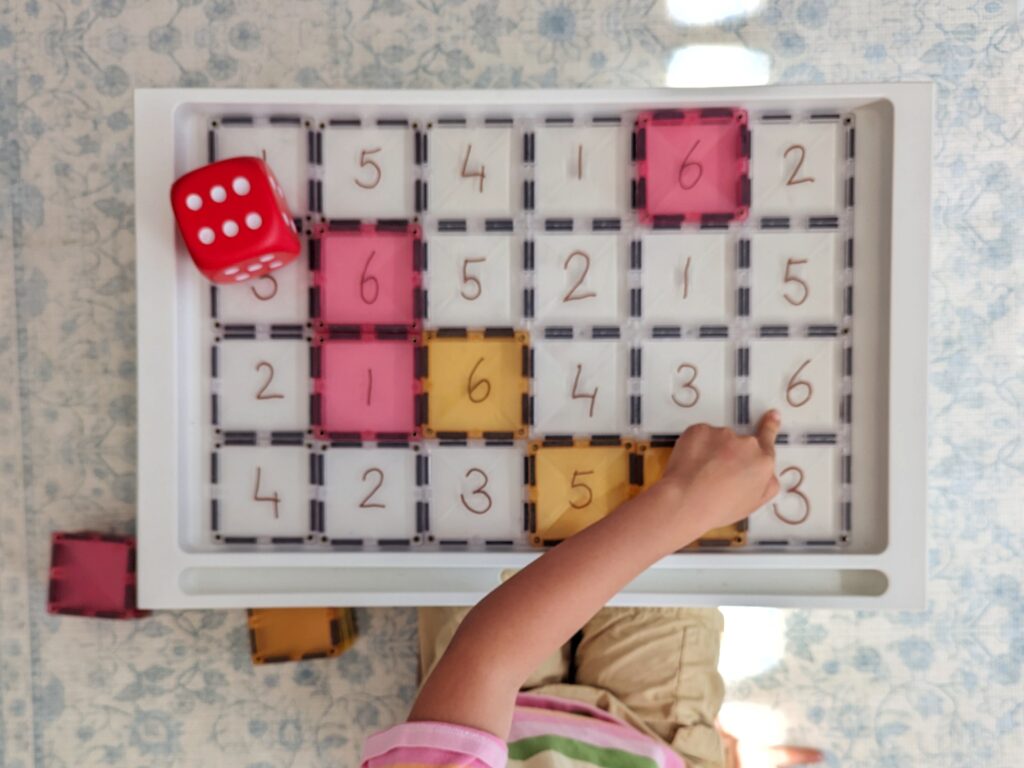
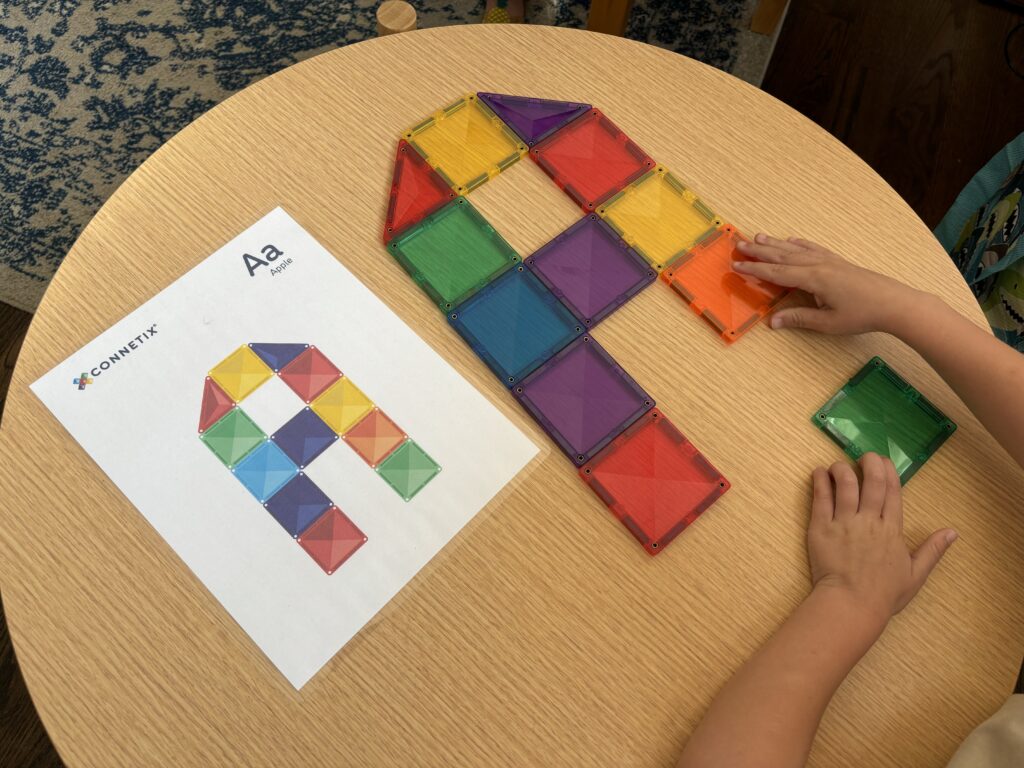
Repetitive activities, such as stacking or connecting tiles in specific patterns, can help children self-soothe. The predictable, simple nature of these activities can promote relaxation, reducing feelings of stress or anxiety. As someone who has used these techniques in both home and classroom settings, I can confidently say that CONNETIX are an excellent tool for helping children to develop calming strategies.
Enhancing Communication Skills
Many neurodivergent children, particularly those with autism, experience challenges with communication. CONNETIX can be a powerful tool to support the development of both verbal and non-verbal communication skills. Visual and tactile tools, such as these tiles, can encourage communication and support speech development.
Non-Verbal Expression
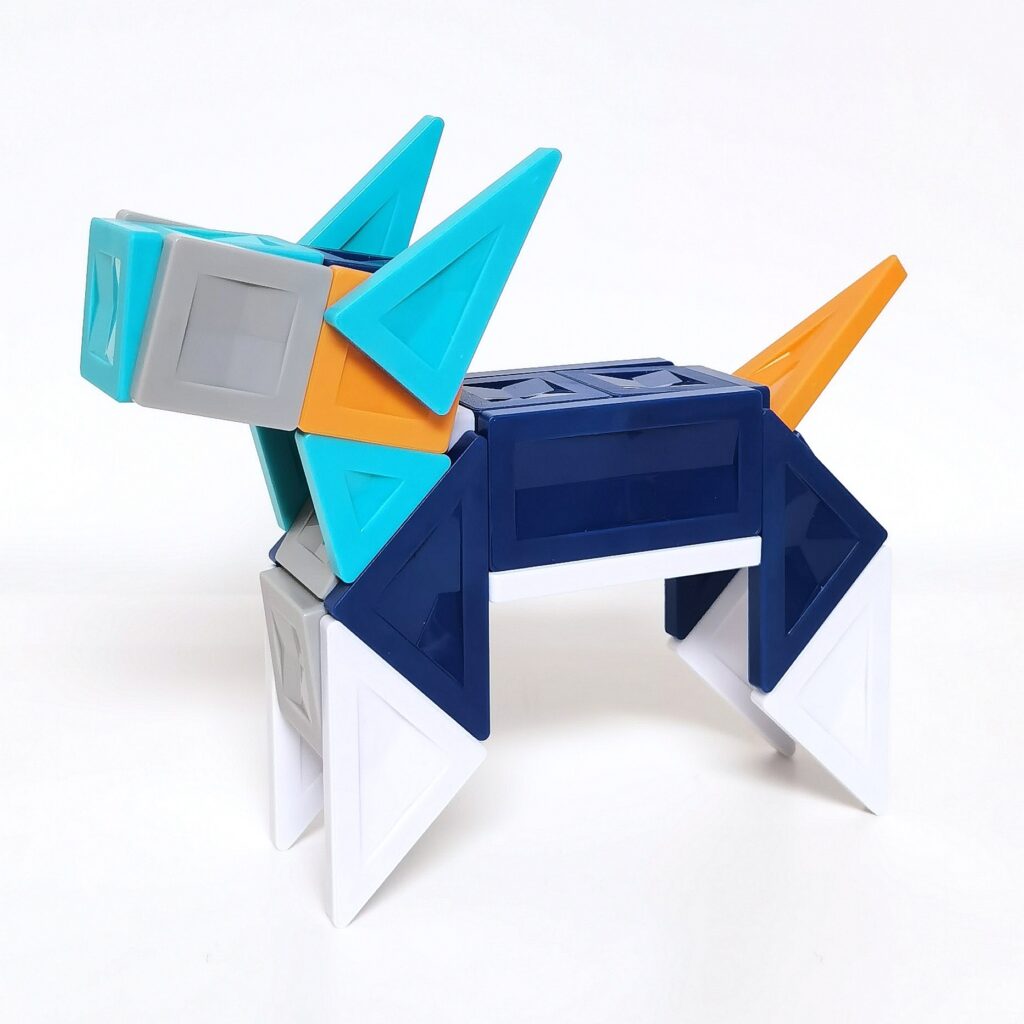
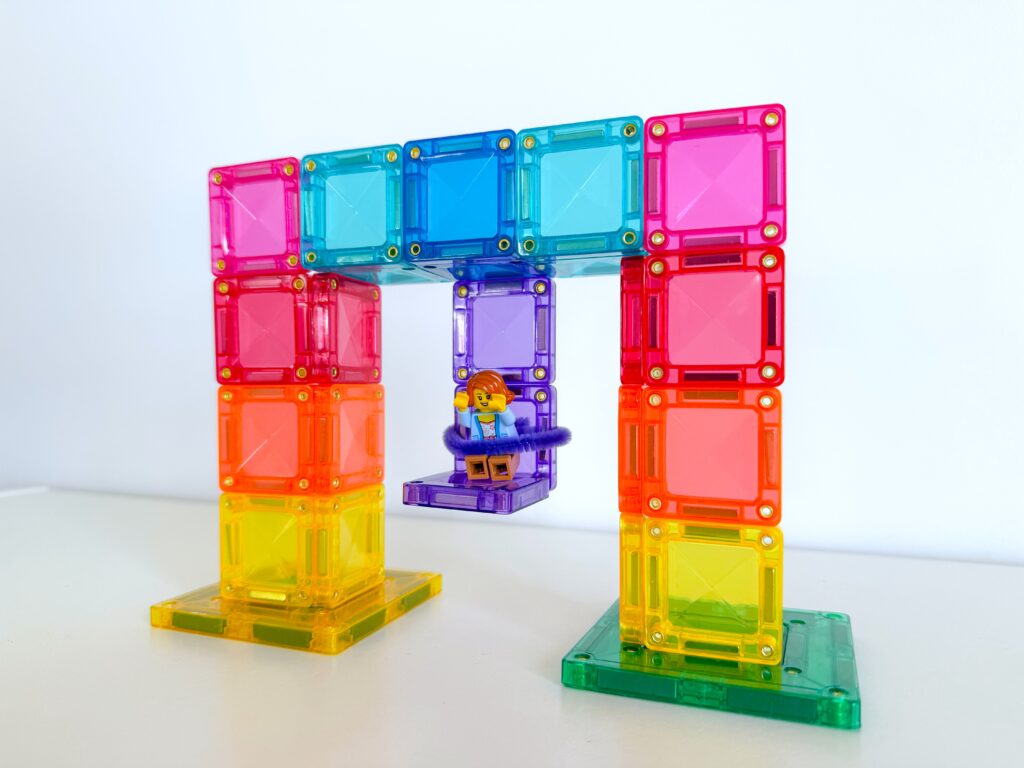
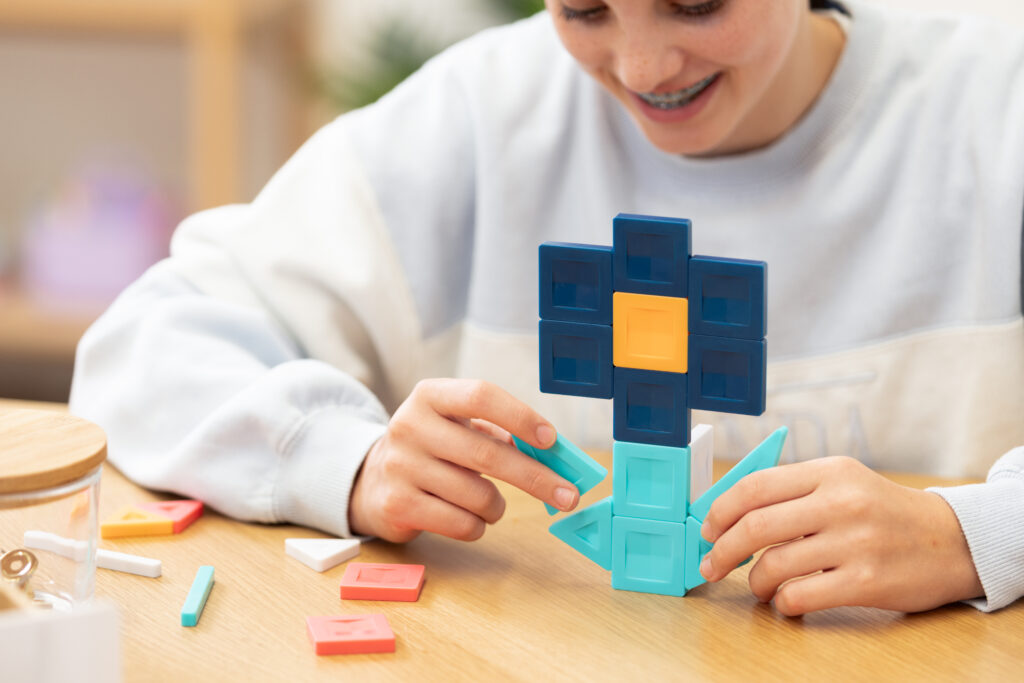
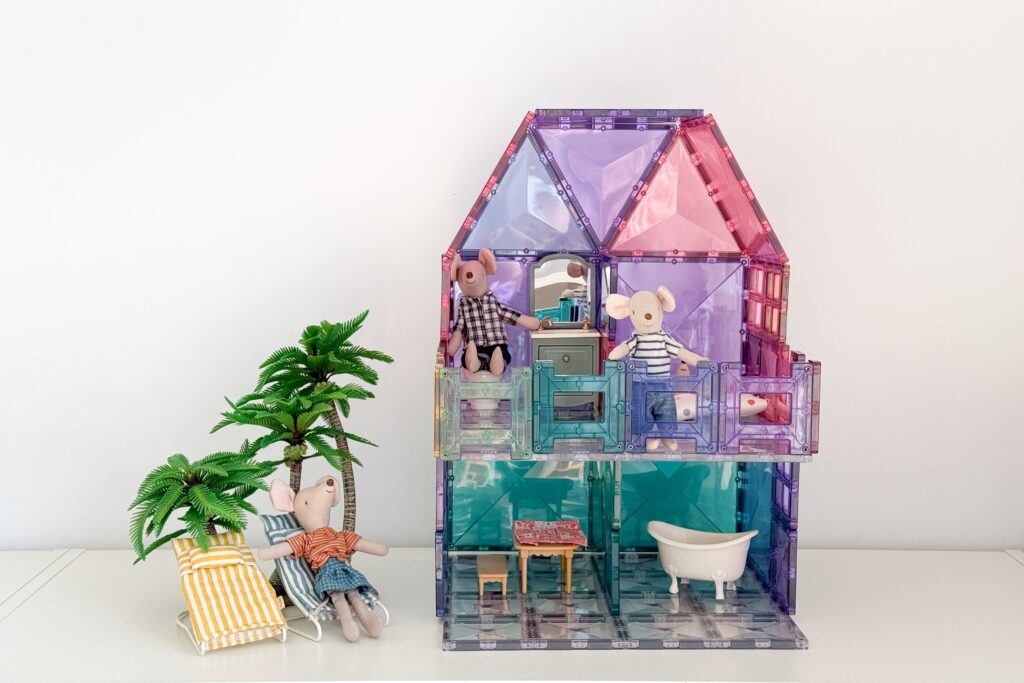
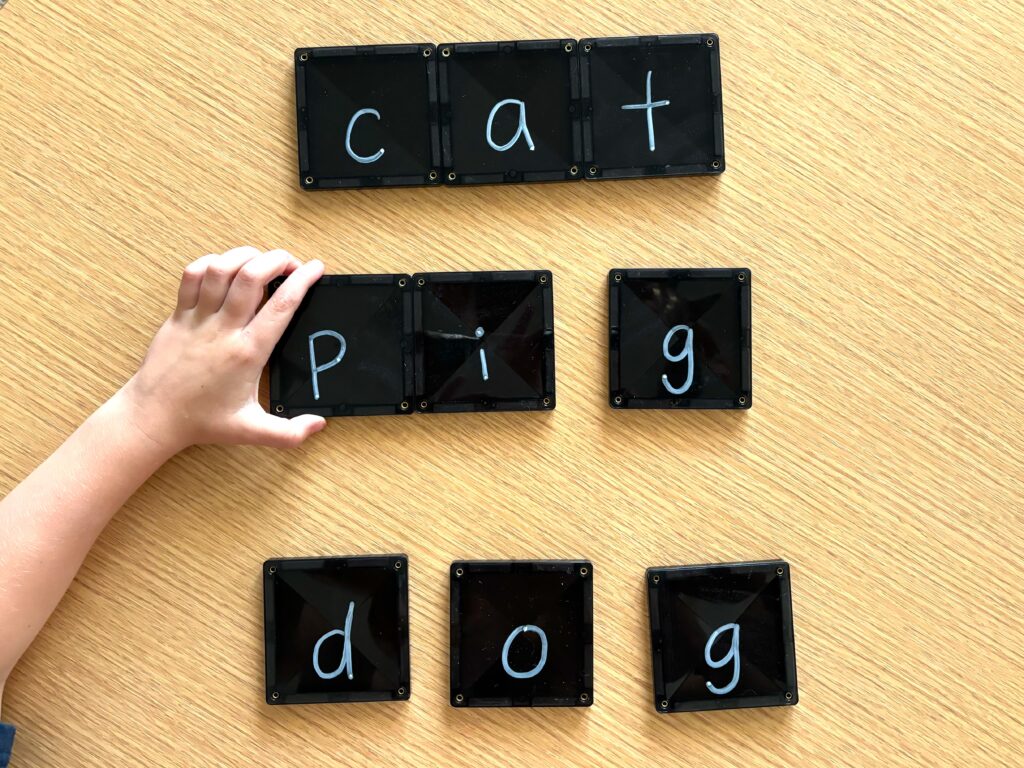
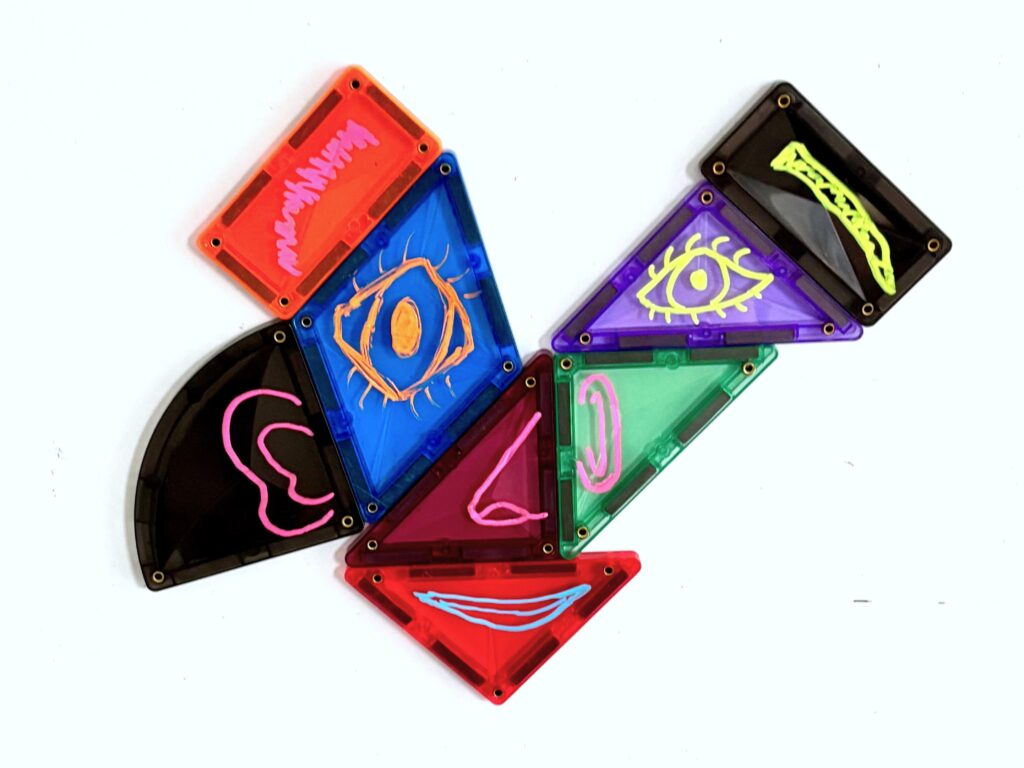
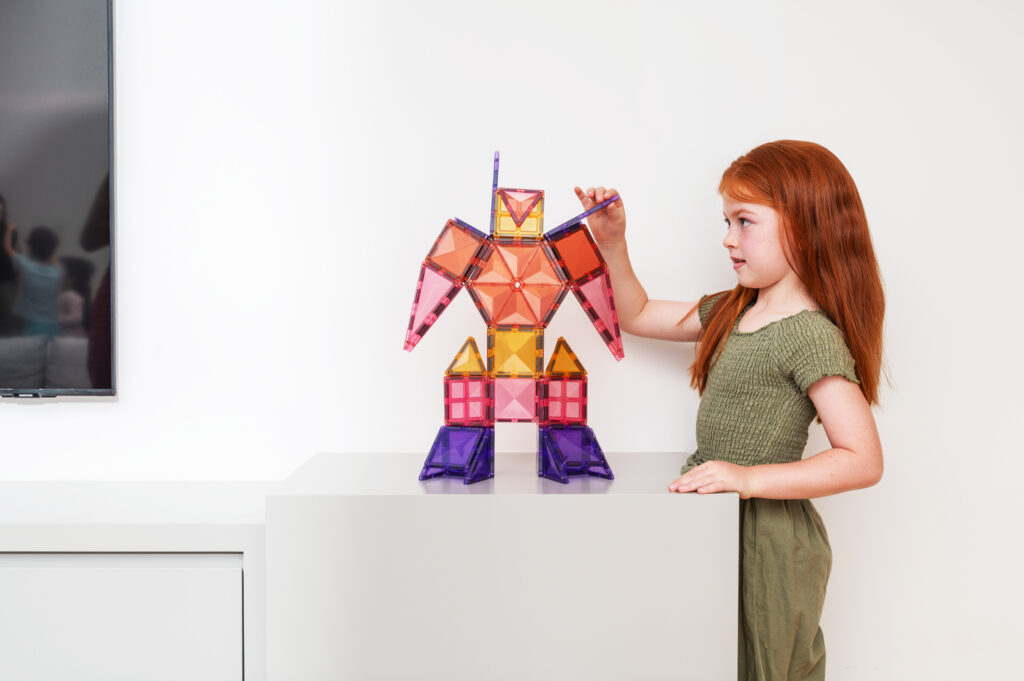
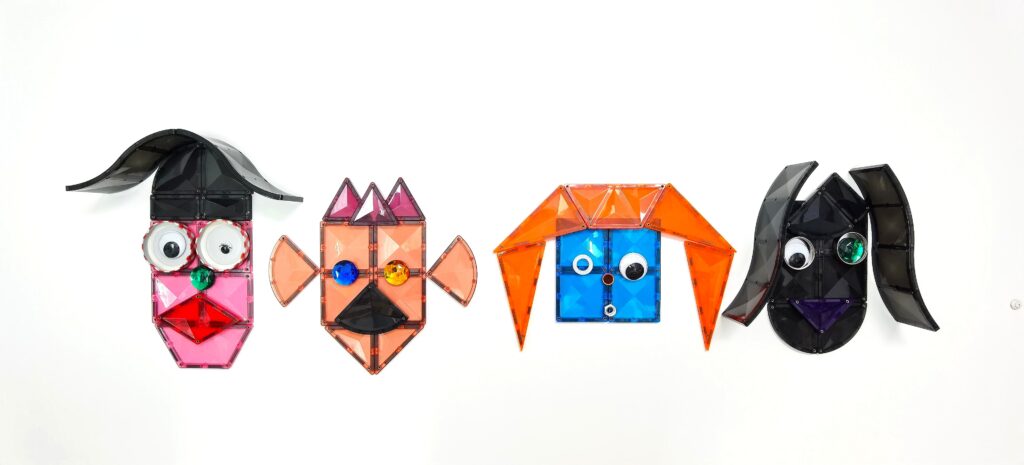
CONNETIX offer children a way to express themselves without relying solely on words. By arranging the tiles in different ways, children can convey emotions, ideas or stories. This non-verbal form of communication can help children develop symbolic thinking and express emotions that they might find difficult to verbalise.
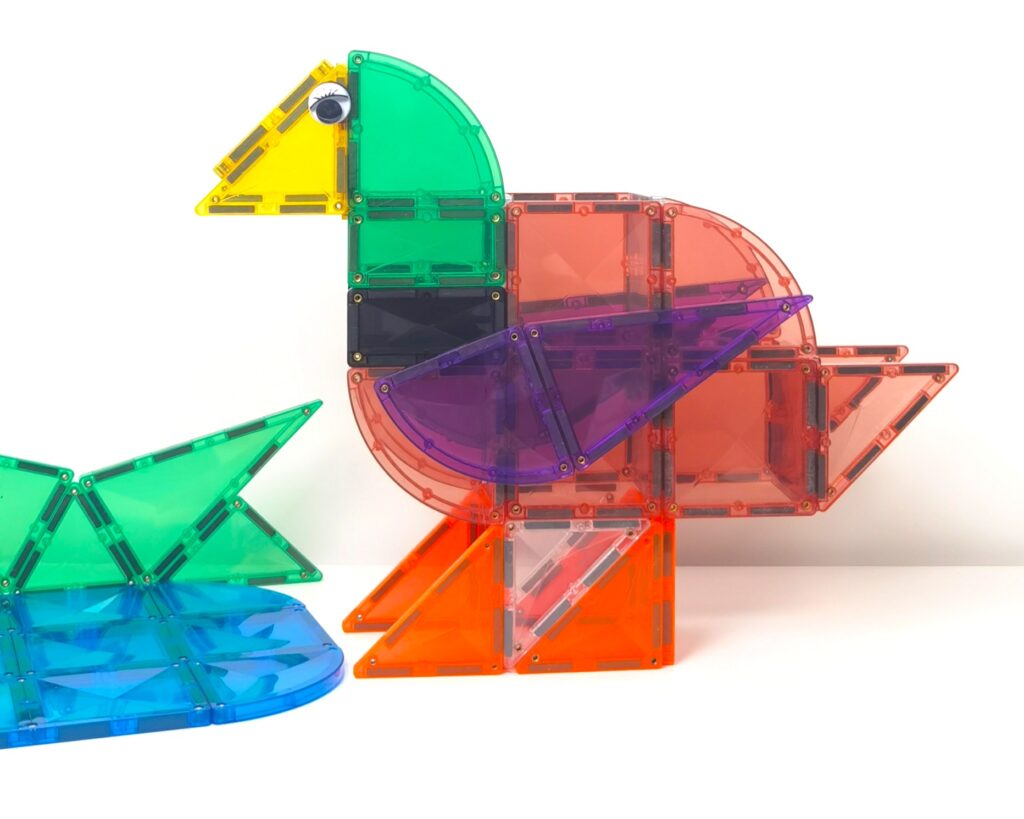
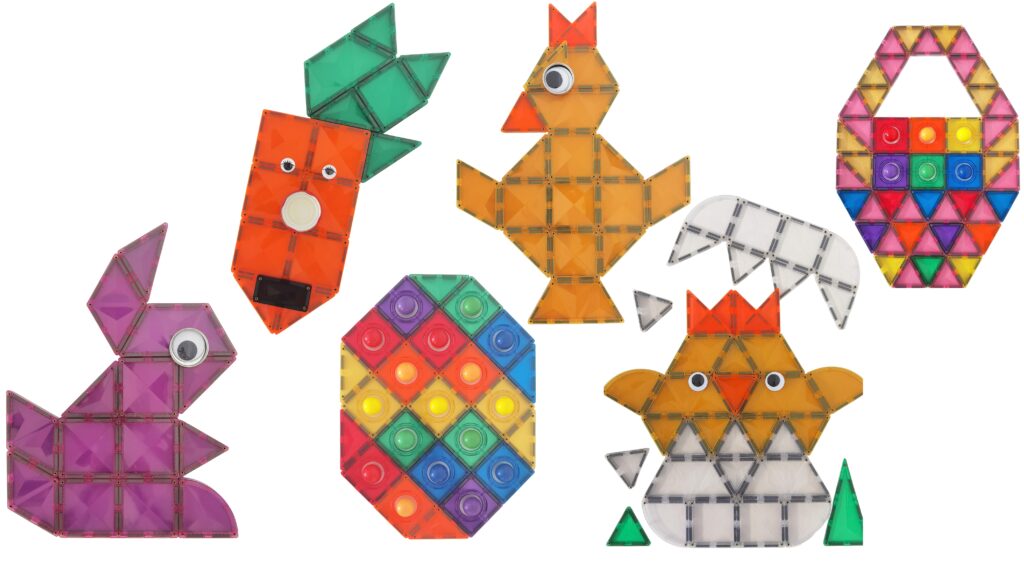
Building structures and creating stories with tiles helps develop symbolic play, which is an important milestone in language development. Using CONNETIX, children can practice this developmental skill in a safe, structured way.
Facilitating Social Interactions
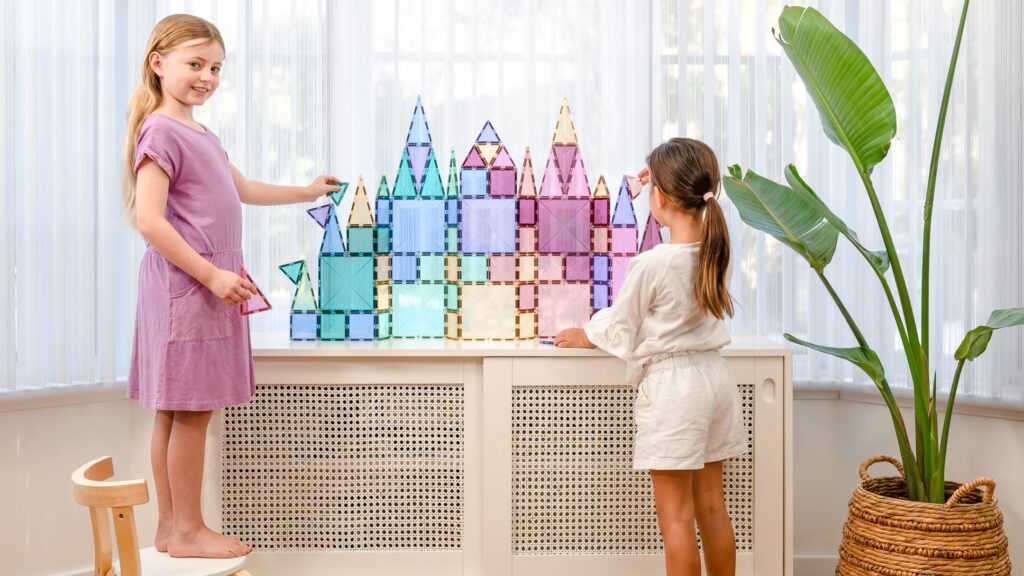
Building together with CONNETIX can encourage communication in a non-threatening setting. When children engage in joint construction activities, they often learn to share ideas, take turns and express preferences, which can support their social communication development. It’s an incredibly valuable experience for neurodivergent children to practice social skills in a relaxed, low-pressure environment. CONNETIX can also assist with resilience and problem-solving, with turn-taking and rebuilding things that break in a supportive environment.
Social Stories
The tiles can also be used to create visual stories, allowing children to make sense of social interactions. For example, children can build different scenarios that reflect real-life situations, helping them learn appropriate social behaviours and emotional responses.
Supporting Physical Development and Coordination
Physical development is another area where CONNETIX can have a positive impact. These tiles provide opportunities for children to improve both fine and gross motor skills, which are essential for overall development.
Customising Learning and Play for Individual Needs
Every child is different, and it’s important to tailor activities to suit their individual needs. CONNETIX are incredibly adaptable, making them an ideal tool for supporting children at different developmental stages. As both a parent and educator, I know that one size doesn’t fit all, and CONNETIX offer the flexibility needed to support a wide range of abilities and challenges.
Adaptability for Different Needs
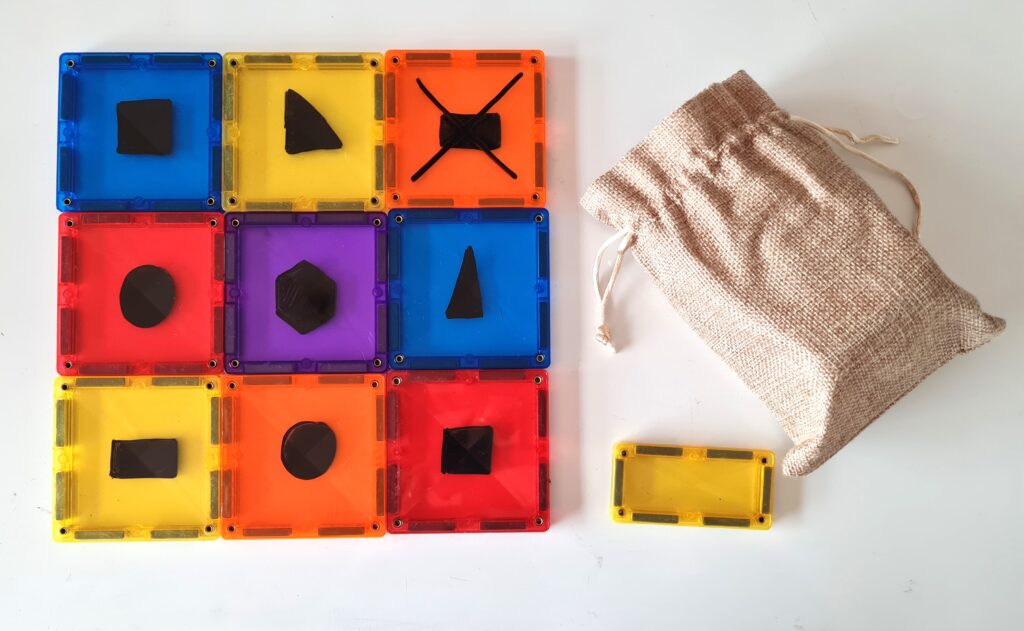
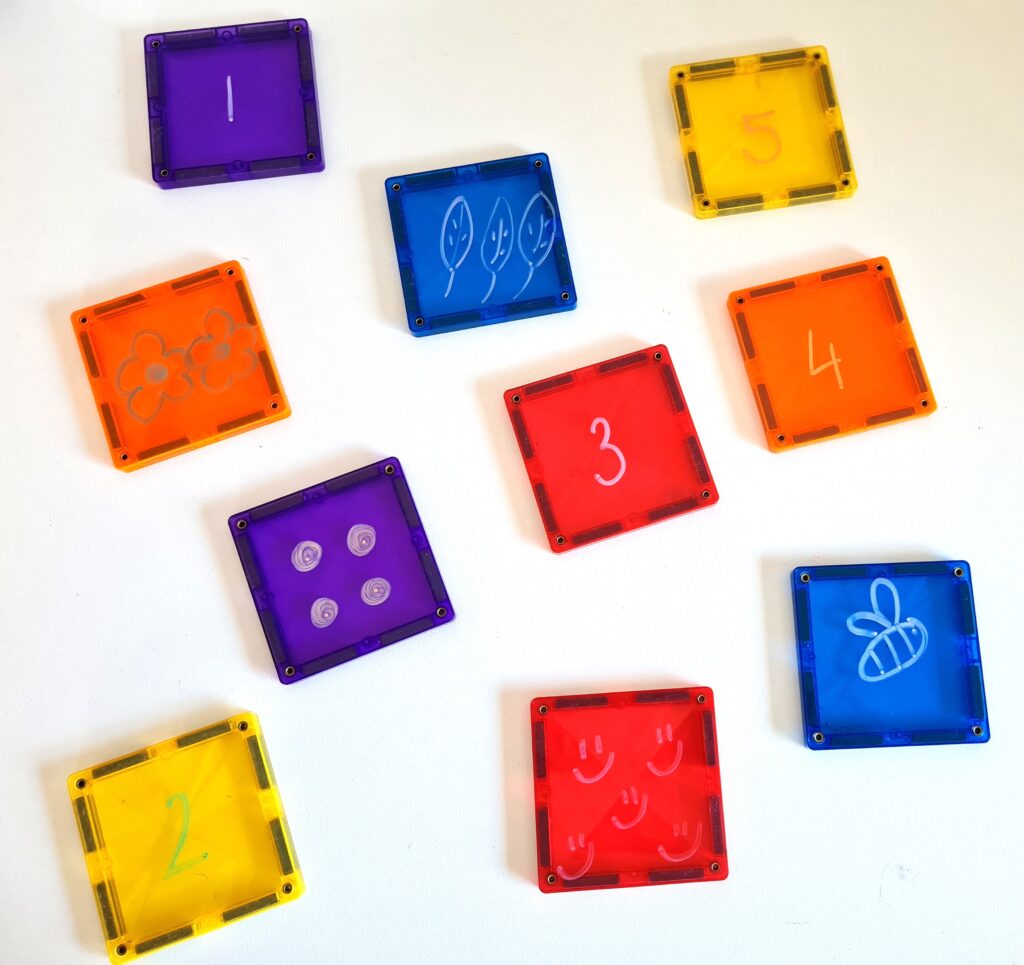
CONNETIX can be used by children at various stages of development. For younger children or those with limited motor skills, simple stacking and sorting activities can be introduced. As children develop, more complex building and problem-solving activities can be incorporated. The level of difficulty can be adjusted depending on the child’s abilities. By offering challenges that match the child’s developmental stage, you can encourage growth without overwhelming them, building confidence as they progress. I have been so impressed with the way I can use this versatile toy to support my child and neurodiverse students.
Tegan Franks
Frankie is a primary school teacher and literacy specialist, with a Masters in early literacy development. She is a passionate mother to three children and the creative mum at @wonder.and.awe on Instagram.
Frankie is a primary school teacher and literacy specialist, with a Masters in early literacy development. She is a passionate mother to three children and the creative mum at @wonder.and.awe on Instagram.
Collecting data, creating graphs and interpreting information is a hands-on...
Sign up to the CONNETIX Club!
As a CONNETIX Club member you will be the first to receive the latest play inspiration, expert advice, exclusive updates on our products and giveaways, as well as special offers JUST for Connetix Club members.
Your amount to pay has been updated
The previous conversion quote has expired. Here is your new quote: