Shipping to: [vcwccr_country_selector]

20% off sitewide* with code CONNETIX20

Introductory offer! 10% off NEW Roads Range.
*20% off code not redeemable on Roads Range. Ends 11.59pm AEST 15th September.

Sale ends in

  • 00Days
  • 00Hours
  • 00Minutes
  • 00Seconds

20% off sitewide with code CONNETIX20*

plus 10% off NEW Road Range. Ends 11.59pm AEST 15th September.

*20% off code not redeemable on Roads Range.

  • 00Days
  • 00Hours
  • 00Minutes
  • 00Seconds

Building Voices: How CONNETIX Can Teach Kids Self-Advocacy

Building Voices: How CONNETIX Can Teach Kids Self-Advocacy

By Emily Hanlon

If you’ve been following along, you already know that CONNETIX magnetic tiles are the unsung heroes of childhood development. We’ve explored how they can help kids build self-regulation (because meltdowns over wobbly towers are basically a childhood rite of passage). But today, we’re shifting gears to talk about something equally vital: self-advocacy.

Self-advocacy is the ability to recognise and communicate one’s own needs, feelings and rights in a way that is confident yet respectful. It’s the skill that helps kids say, “I need a turn with the red tiles,” instead of yanking them from their sibling’s hands like a teeny tiny dictator. It’s what allows them to seek help when they’re stuck, rather than collapsing in frustration. And most importantly, it’s the foundation for strong mental, emotional and social health (MESH).

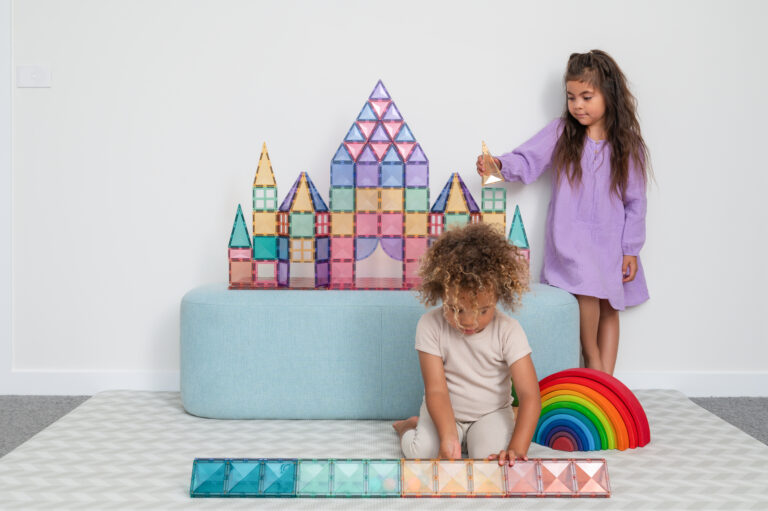
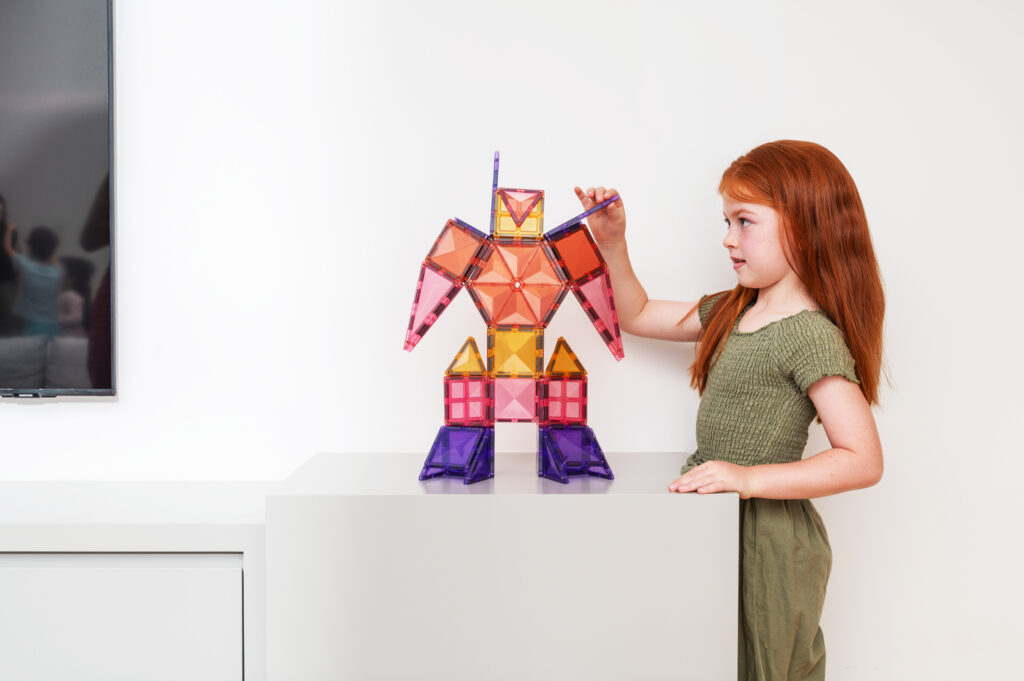
The good news? You don’t need a structured lesson plan or a complicated strategy to teach self-advocacy. You just need a pack of CONNETIX tiles, a bit of playful curiosity and a willingness to let your child take the lead.

What Is Self-Advocacy and Why Does It Matter?

Self-advocacy is essentially speaking up for yourself in a way that is both effective and respectful. It’s about:

  • Mental Health: Knowing when to ask for help, recognising personal limits and expressing needs clearly.
  • Emotional Health: Identifying feelings and expressing them appropriately (“I’m frustrated” instead of “I QUIT FOREVER AND AM NEVER DOING THIS AGAIN”).
  • Social Health: Negotiating with peers, taking turns and setting healthy boundaries.


Self-advocacy isn’t just a “nice-to-have” skill; it’s essential. Children who can advocate for themselves are better able to navigate friendships, manage conflicts, and engage with learning environments confidently. And let’s be real…no parent wants to be the lifelong middleman between their child and the world (“Mum, tell them I want a turn” at age 3 is one thing, but at 23? Less ideal).

So, how do we teach it? Through play.

Using CONNETIX to Foster Self-Advocacy

1. Encouraging Kids to Ask for What They Need

Self-advocacy starts with naming and expressing needs; a skill that many young children struggle with (because snatching is faster, obviously).

Play Idea: “The Missing Piece”

  • Setup: Build a structure together, but “accidentally” keep hold of a tile they need.
  • Encourage language: Instead of handing it over immediately, prompt with:
    • “Hmm, I wonder what you need to finish this part?”
    • “Is there something you’d like to ask me for?”
    • “You can say, ‘Mum, can I have the blue tile, please?’”
  • Reinforce the ask: When they successfully request the tile, celebrate it!
    • “Great job asking for what you need!”
    • “That was such a clear way to tell me what you wanted.”


This simple exercise reinforces that their voice matters, and it gives them practice in identifying and expressing their needs—without resorting to dramatic sighs or silent frustration.

2. Teaching Kids to Speak Up in Group Play

If you’ve ever watched a group of kids play, you know it’s not always peaceful negotiations and democratic decision-making (it’s more like Lord of the Flies with a better snack selection). Teaching kids to use their words to advocate for themselves helps prevent conflicts and build social confidence.

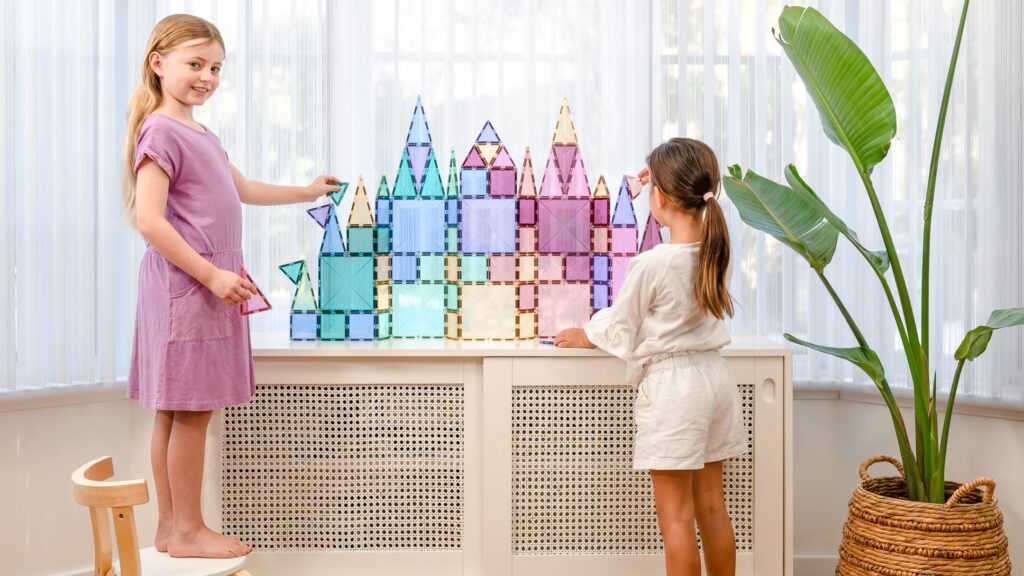
Play Idea: “Build Together, Speak Together”

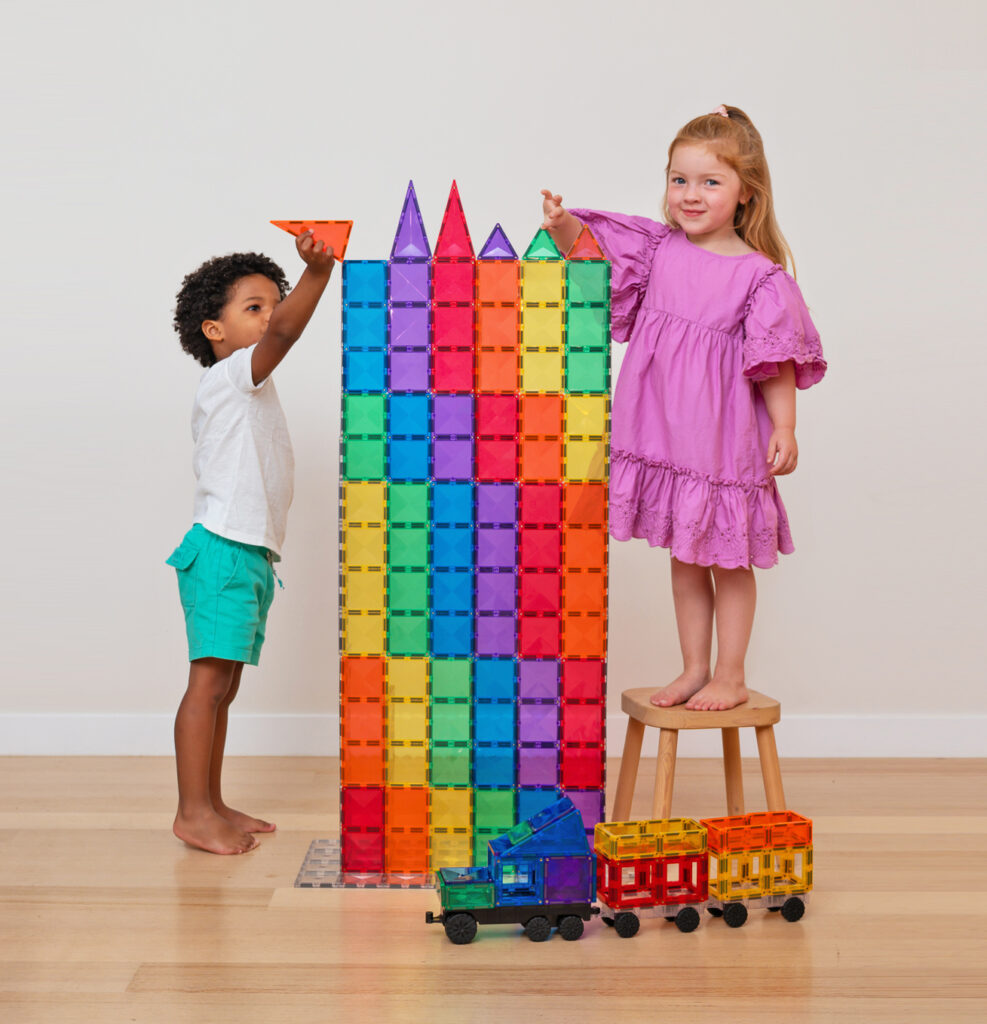
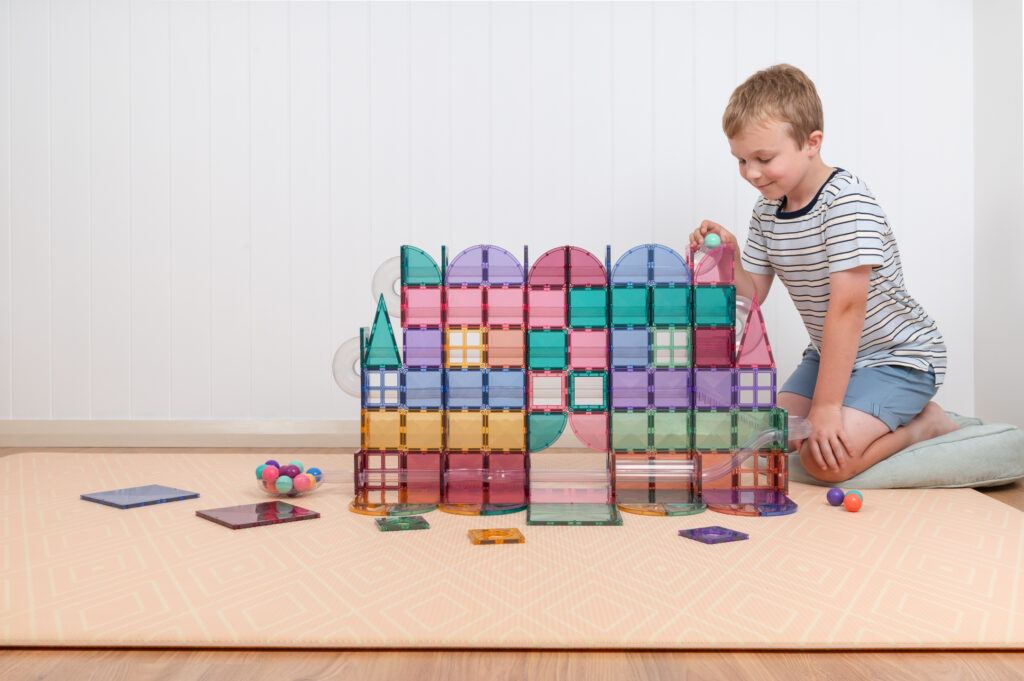
  • Setup: Have two or more kids collaborate on a build.
  • Introduce advocacy phrases: Encourage them to use statements like:
    • “I would like a turn with that piece.”
    • “Can we make space for my idea?”
    • “I don’t like when my pieces get taken without asking.”
  • Coach in the moment: If someone is struggling, model the language:
    • “It looks like you’re feeling upset. You can say, ‘I need that back, please.’”


This helps kids learn that they have a right to be heard, and they can do so in a way that strengthens relationships rather than causing friction.

3. Practicing Problem-Solving and Asking for Help

Self-advocacy also means recognising when you need support and knowing how to ask for it, an essential skill in school, friendships and life.

Play Idea: “The Stuck Builder”

  • Setup: Have your child work on a tricky build—something just a little beyond their skill level.
  • Encourage problem-solving: If they get frustrated, instead of jumping in, ask:
    • “What do you think you could try next?”
    • “Would you like to ask me for help?”
  • Provide scaffolding: If they do ask for help, offer choices:
    • “Would you like me to show you, or just give you a clue?”


This teaches children that seeking support is a strength, not a weakness. (It also subtly reduces the likelihood of a dramatic floor-flopping meltdown.)

4. Helping Kids Set Boundaries and Say No

Part of self-advocacy is knowing when to say no and stand firm—a skill that will serve them well in everything from playground disputes to future peer pressure scenarios.

Play Idea: “The Tile Protector”

  • Setup: Give your child a special “treasured” tile and wait for a time when a sibling or friend tries to take it.
  • Model boundary-setting language:
    • “You can say, ‘No, I’m using this right now. You can have a turn next.’”
    • “You could also offer an alternative: ‘You can use the green ones instead.’”
  • Encourage self-confidence: Praise their efforts:
    • “Great job standing up for yourself!”


This helps kids practice assertiveness in a low-stakes, playful setting—so they feel more comfortable doing it in real-life situations.

5. Using Play to Normalise Emotional Expression

Self-advocacy isn’t just about words; it’s also about recognising and validating emotions.

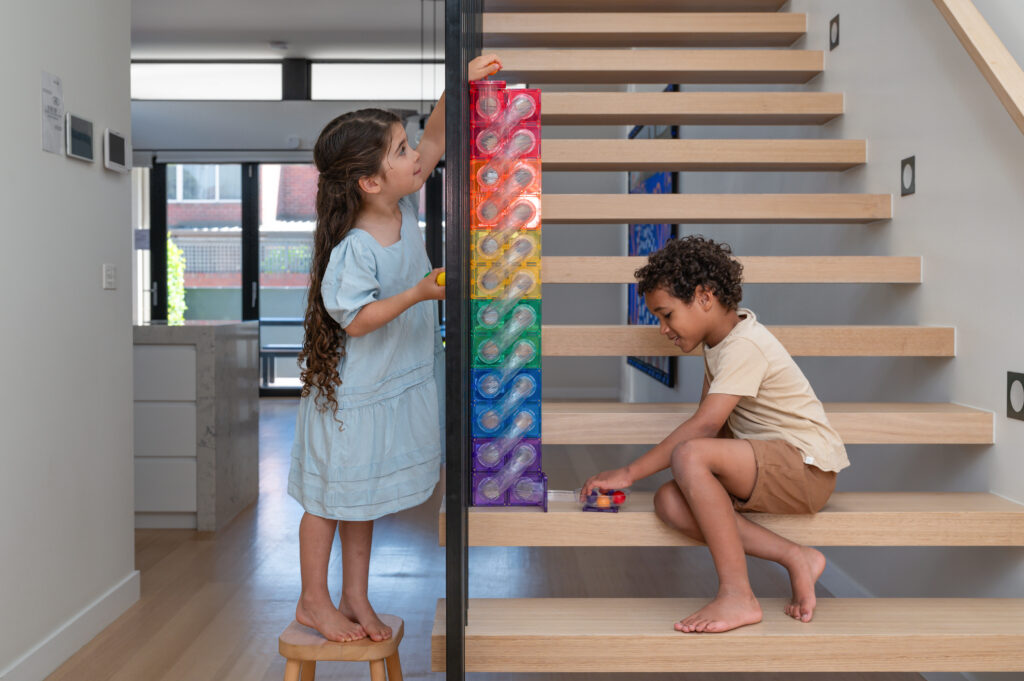
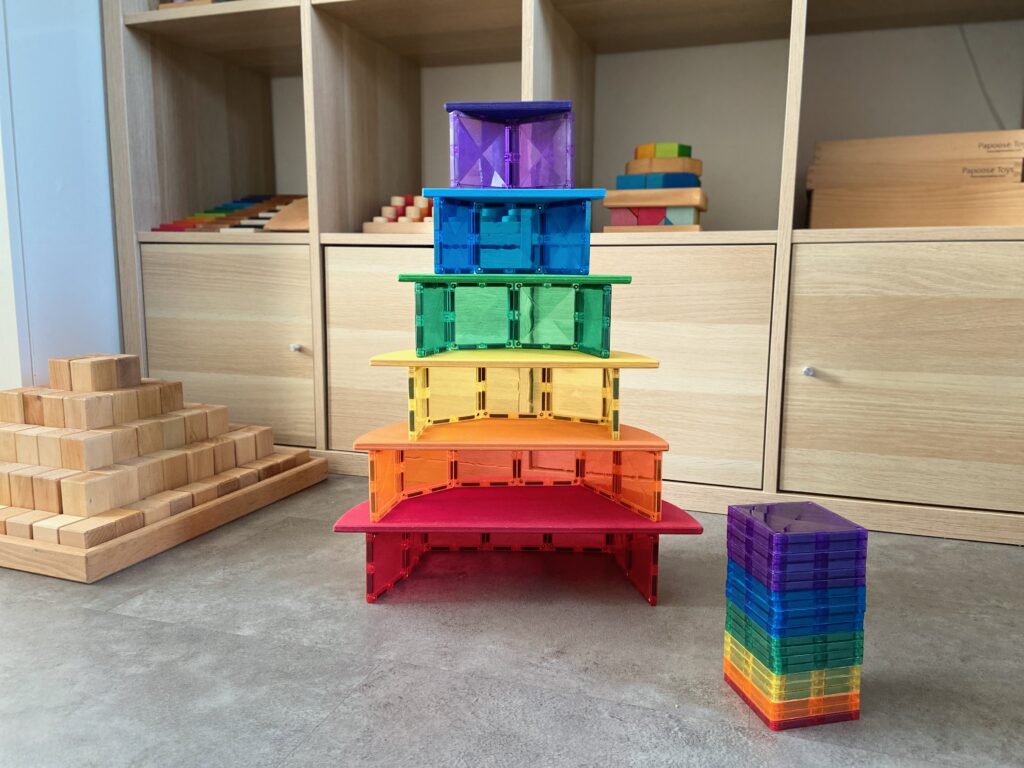
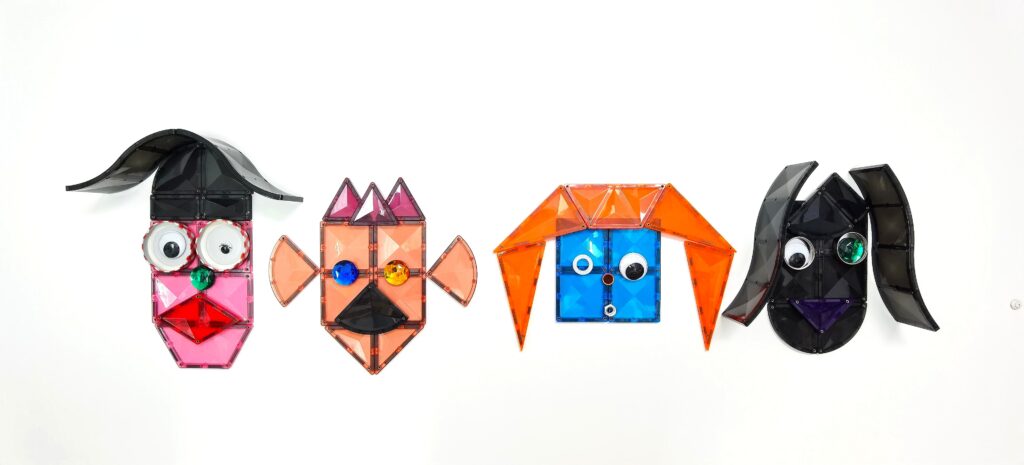
Play Idea: “Feelings Towers”

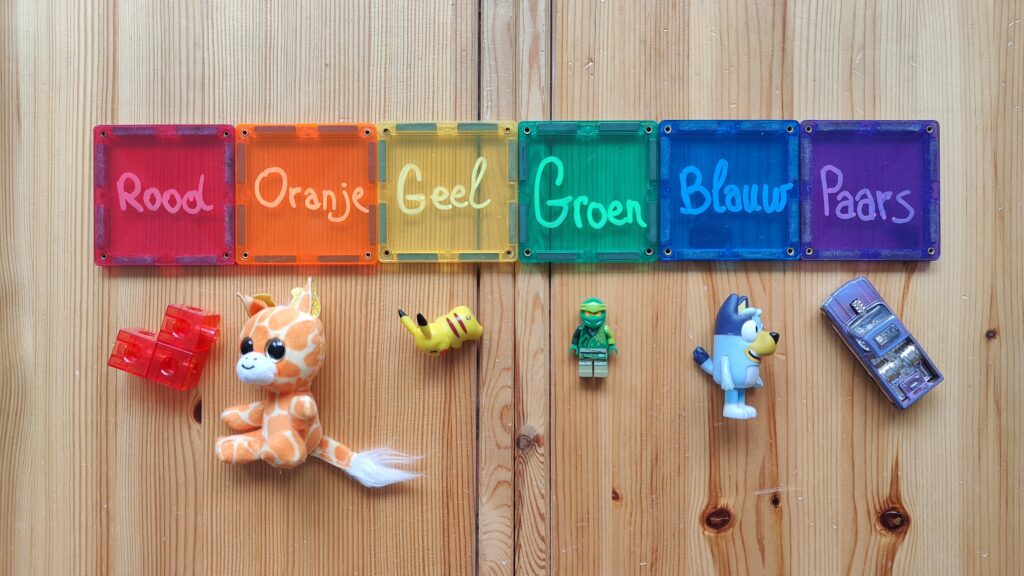
  • Setup: Assign different tile colours to different feelings (e.g., red = frustration, blue = calm).
  • Build a “feelings tower” together while discussing:
    • “What colour should we use if someone is feeling left out?”
    • “What could we do to help a friend who’s feeling frustrated?”


This provides a visual, interactive way to talk about emotions, giving kids the language they need to express themselves effectively.

Giving Kids the Power of Their Own Voice

Self-advocacy is one of the most empowering skills a child can develop. It gives them the ability to express their needs, set boundaries, ask for help and navigate social situations with confidence.

And the best part? It doesn’t require long lectures or forced lessons, just a few CONNETIX tiles and some playful, intentional guidance.

So, next time your child is about to swipe a tile from their sibling’s hand, pause. Instead of intervening, coach them through the process of using their words, setting boundaries and advocating for themselves. Because every “Can I have that, please?” and every “I need help with this” is a step toward raising a child who knows their own voice matters.

And if all else fails…just make them negotiate for the last blue tile. Nothing builds self-advocacy quite like the high-stakes politics of magnetic play.

You might also enjoy

Stay Updated

If you’d like to be informed when we release one of our new articles about open-ended play and STEAM concepts, please subscribe below.

Join the CONNETIX Club

Access free downloads, exclusive offers, sneak peeks & more!

You might also enjoy

Sign up to the CONNETIX Club!

As a CONNETIX Club member you will be the first to receive the latest play inspiration, expert advice, exclusive updates on our products and giveaways, as well as special offers JUST for Connetix Club members.