Underlying the biological need for social relationships is our emotions; the driving vessel for connection and communication! Research indicates that people who have awareness of their own and other’s emotions, otherwise known as “emotional literacy”, have a greater quality of relationships, better health and wellbeing, improved academic outcomes and are more able to achieve their goals. It therefore comes as no surprise to learn that social and emotional learning practices are widely incorporated within education settings today; essentially giving children the tools to thrive in all areas of life!
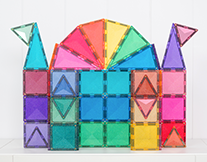
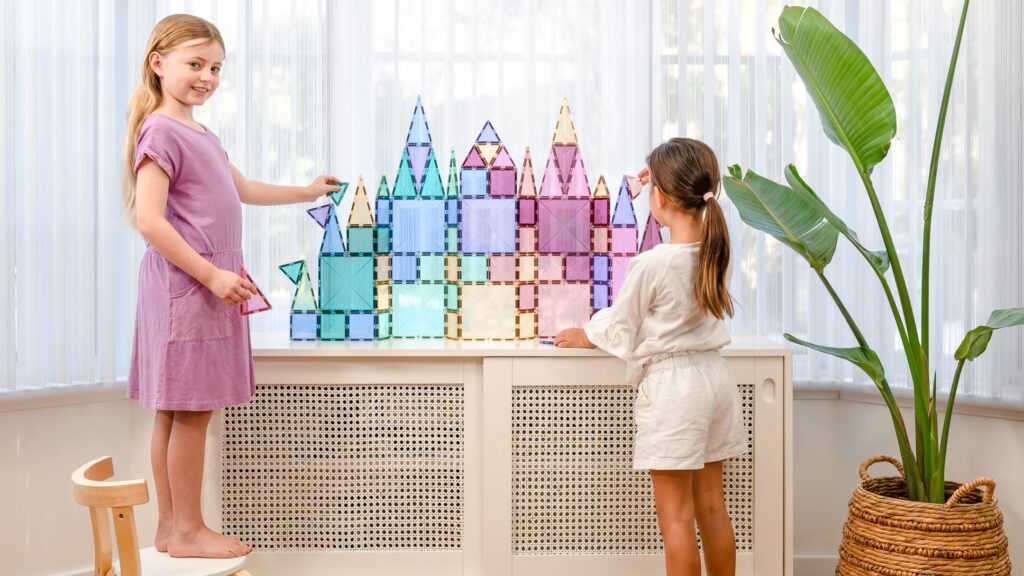
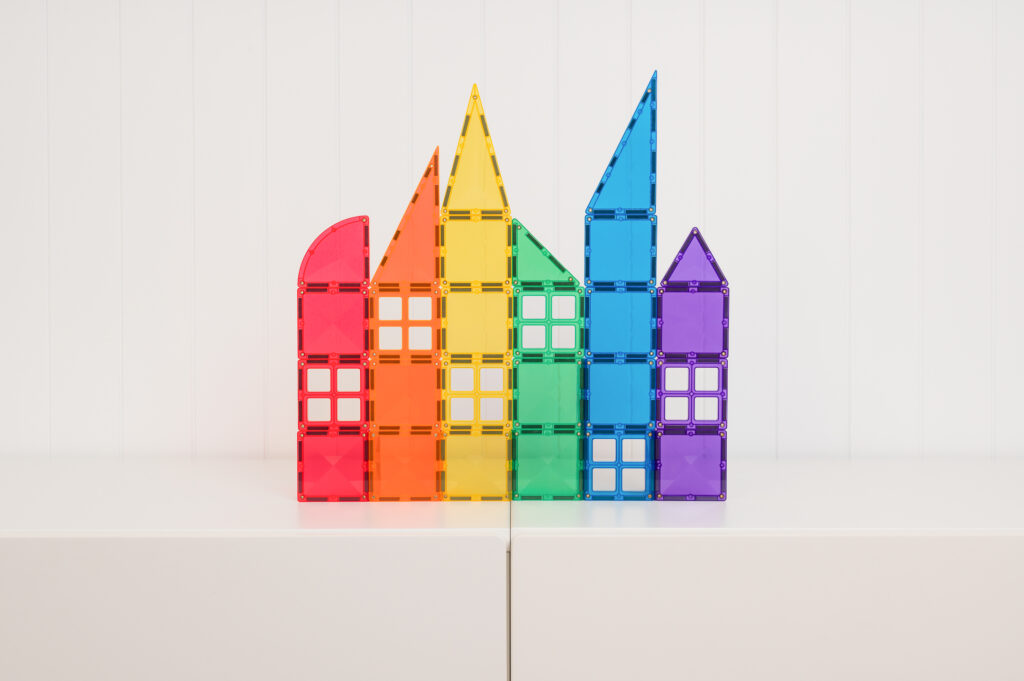
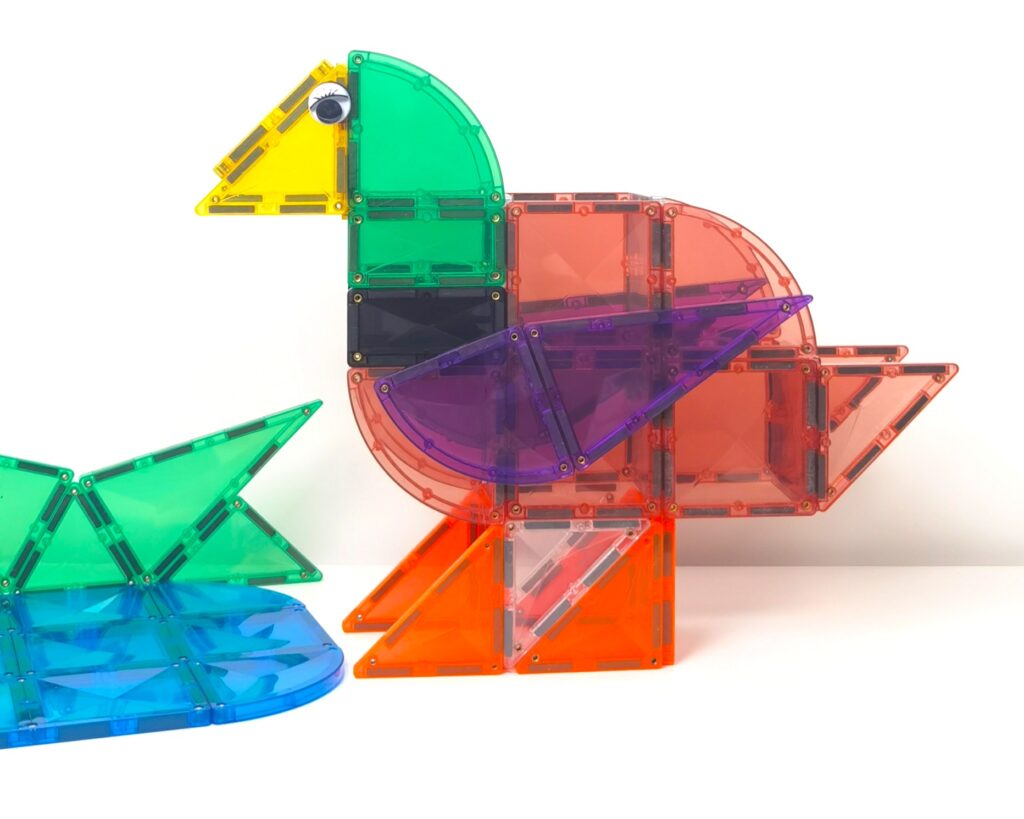
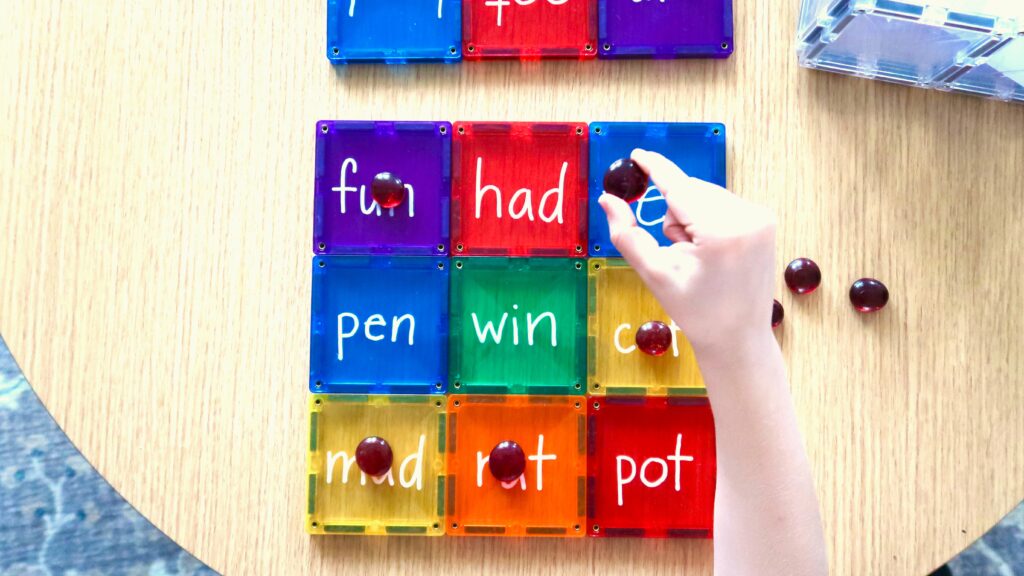
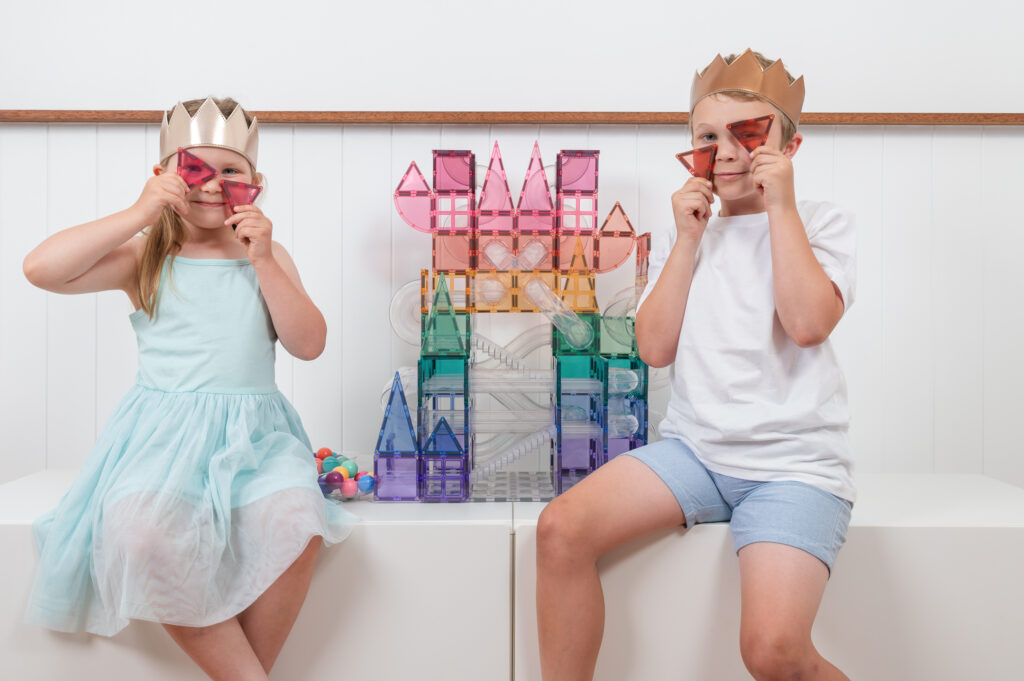
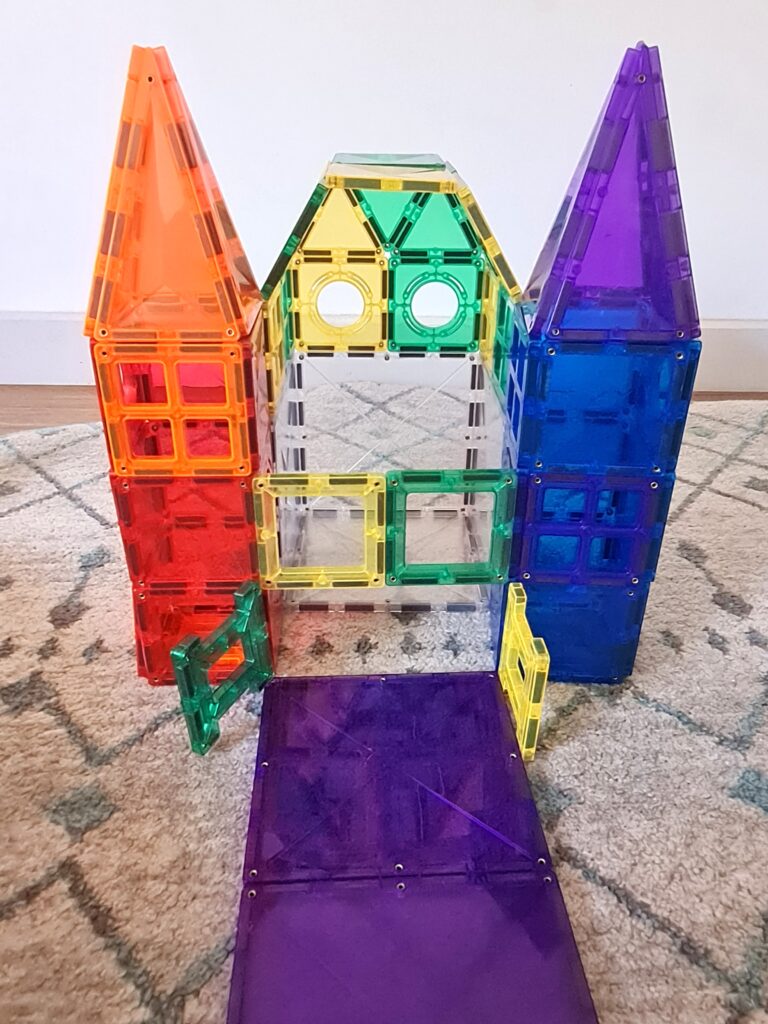
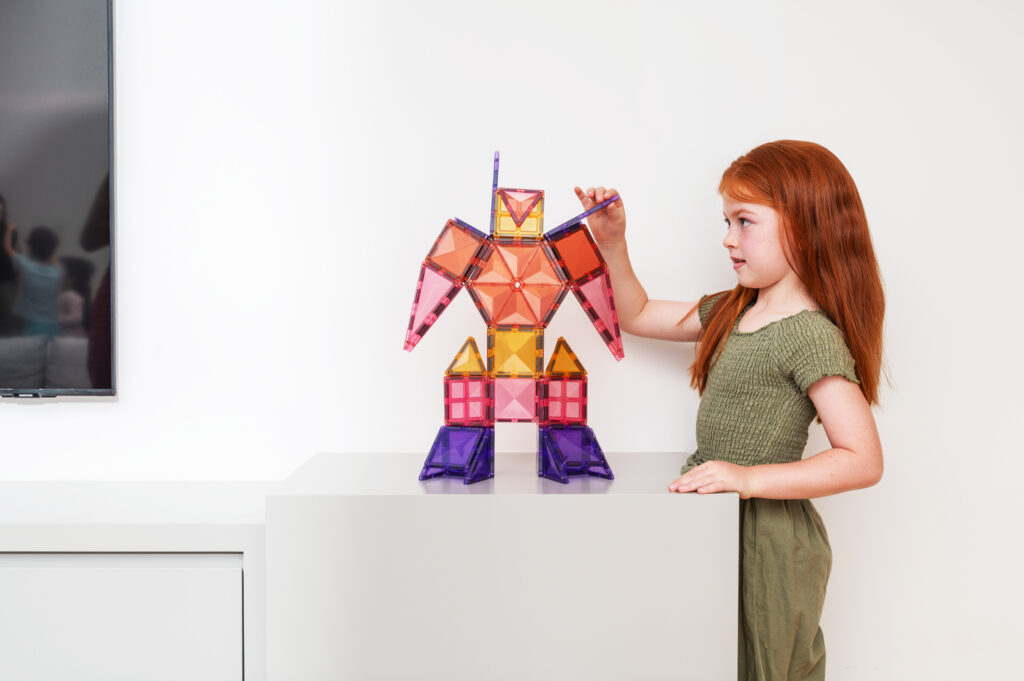
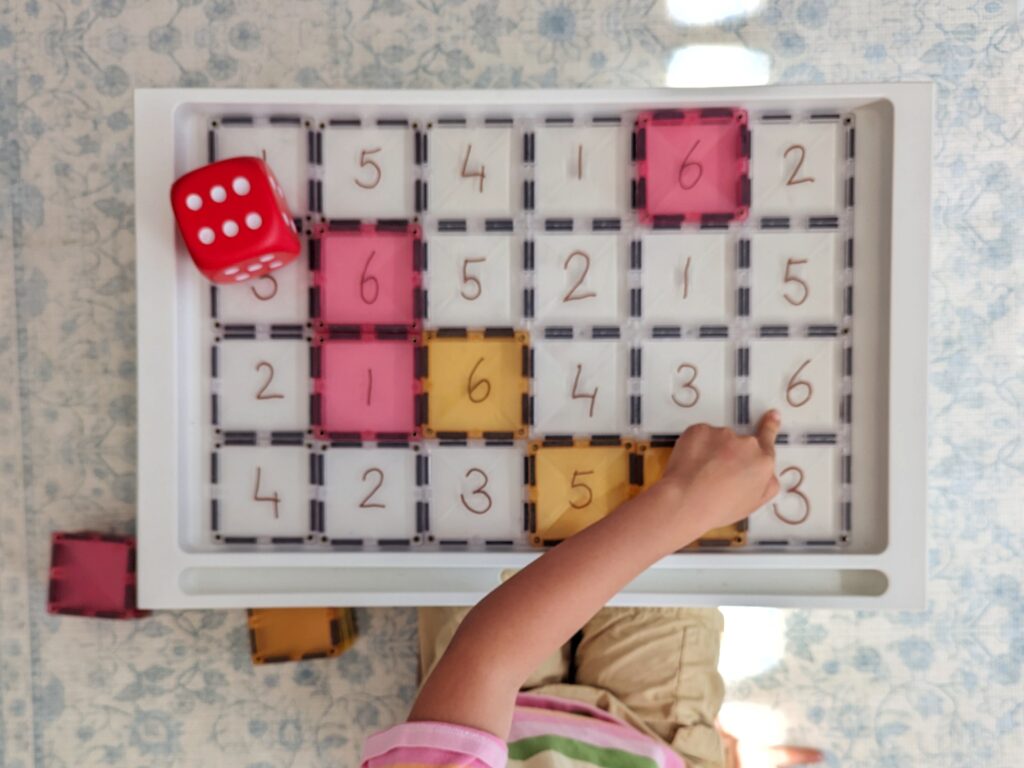
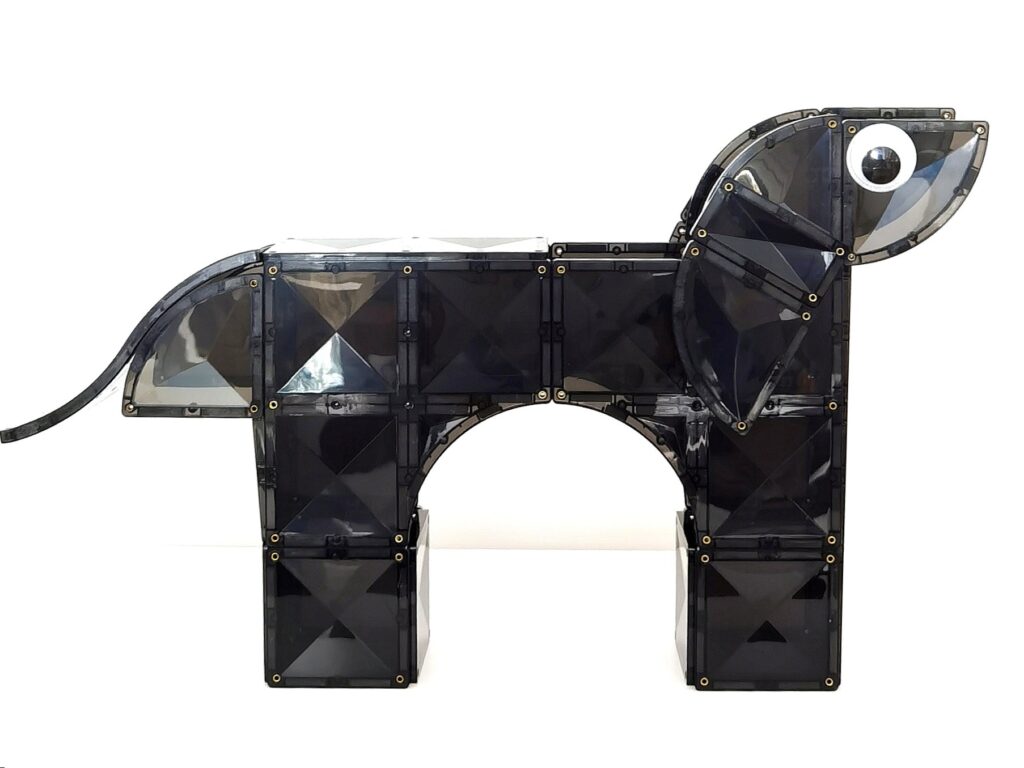
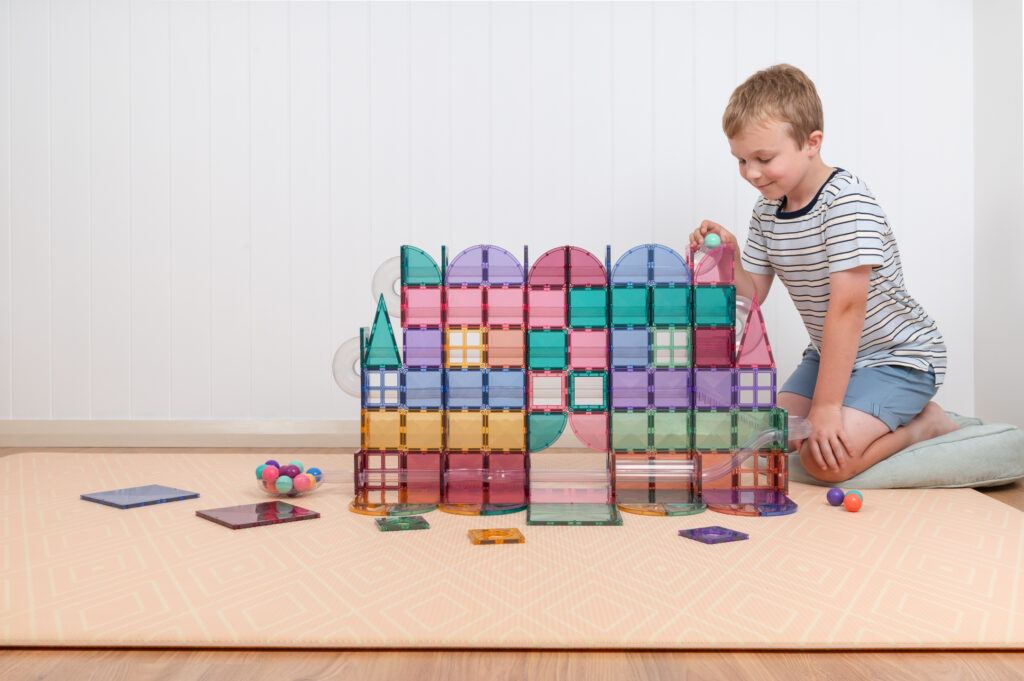
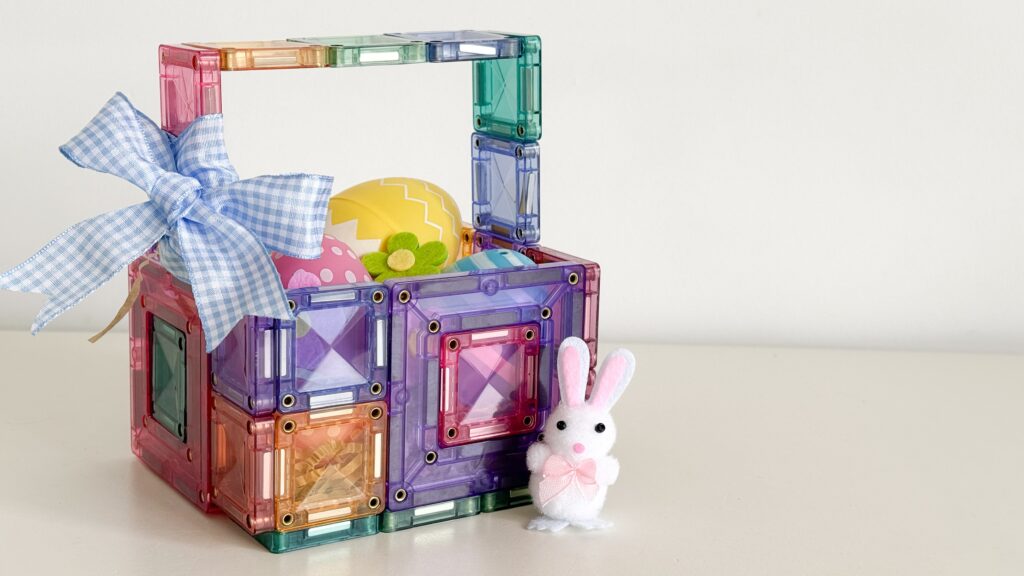
As an engaging and strength-based resource, CONNETIX magnetic tiles naturally promote a wide range of social and emotional learning (SEL) concepts for children.
Bring fun and interactivity to SEL with these simple, yet effective ideas:
Mindfulness:
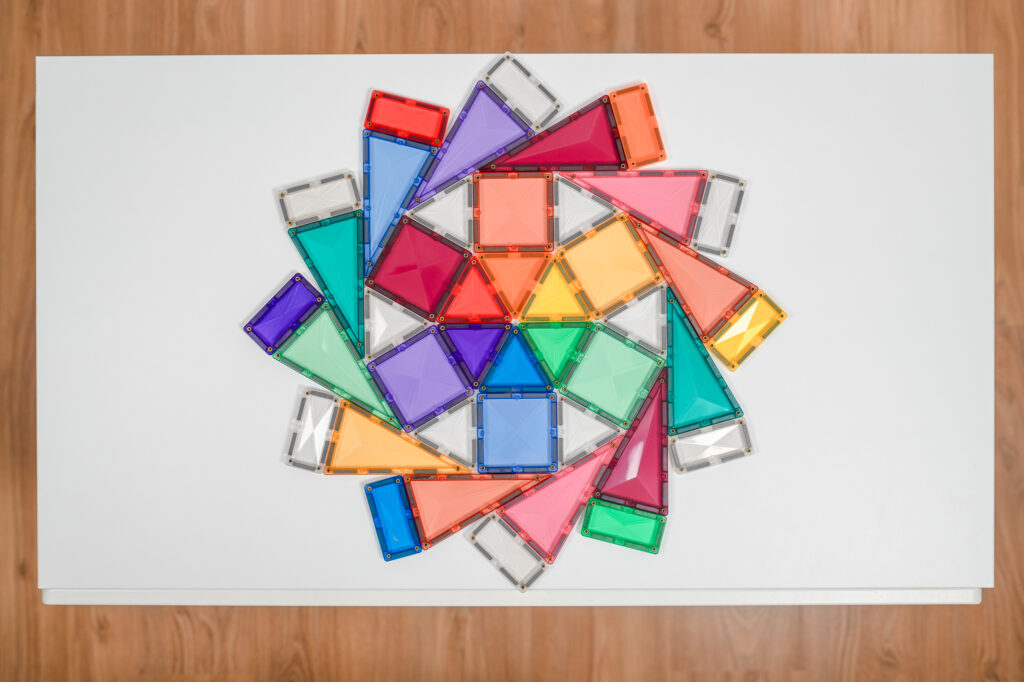
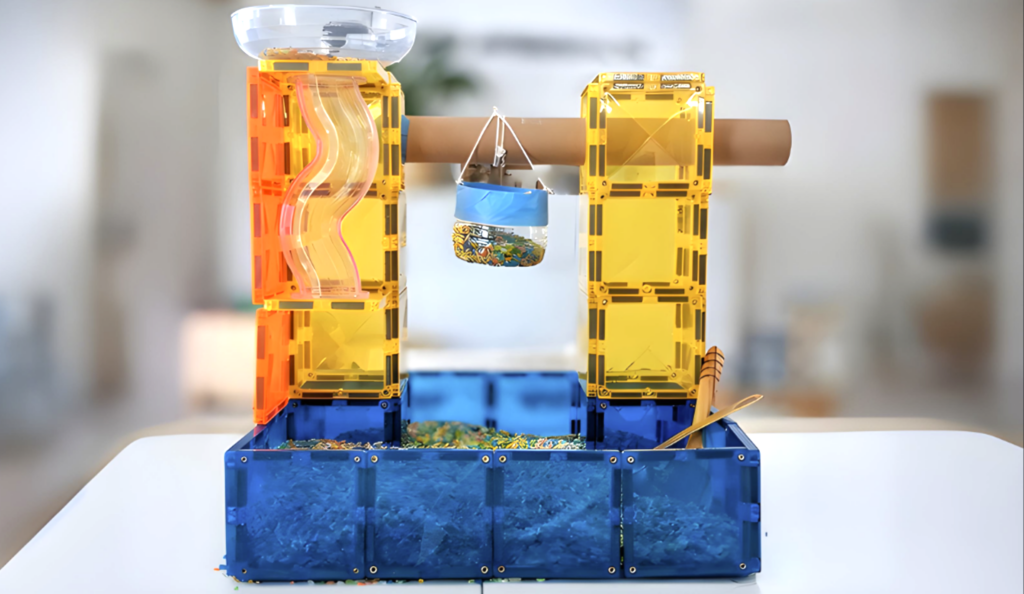
The tactile and sensory based nature of CONNETIX provides the perfect tool for children to self-regulate and to support during difficult transition periods. Often when engaged in hands-on, repetitive or calming activities children are better able to tune into themselves to manage their arousal levels. By making mandalas, creating puzzles, self-expression through art or even just fidgeting, this activates the part of the brain responsible for executive functioning which inadvertently supports self-regulation and readiness to learn.
Star Breathing Technique:
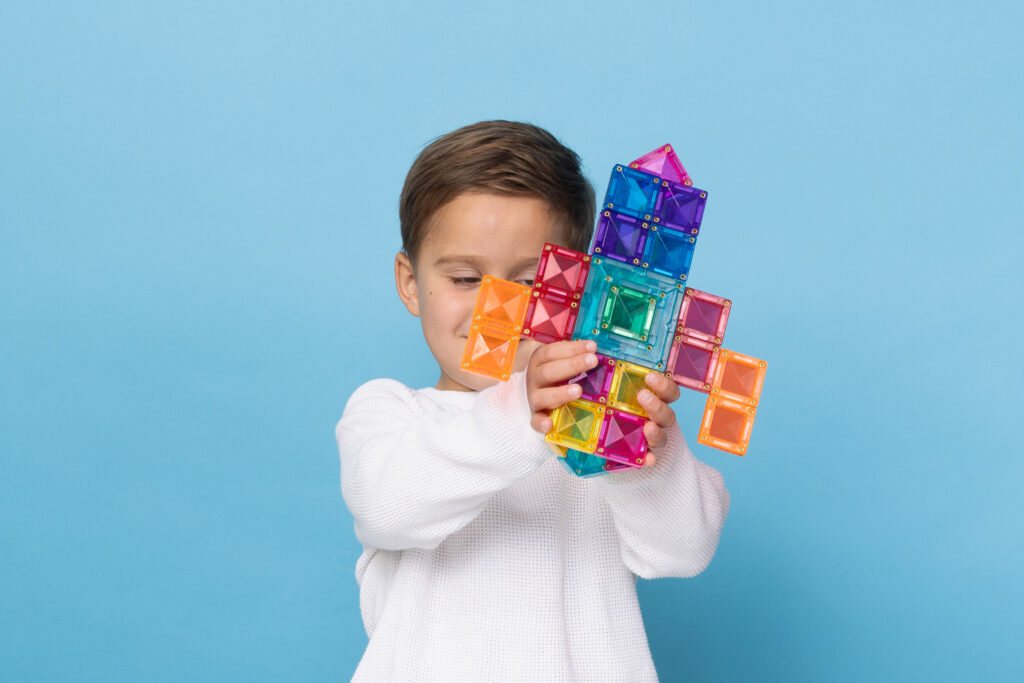
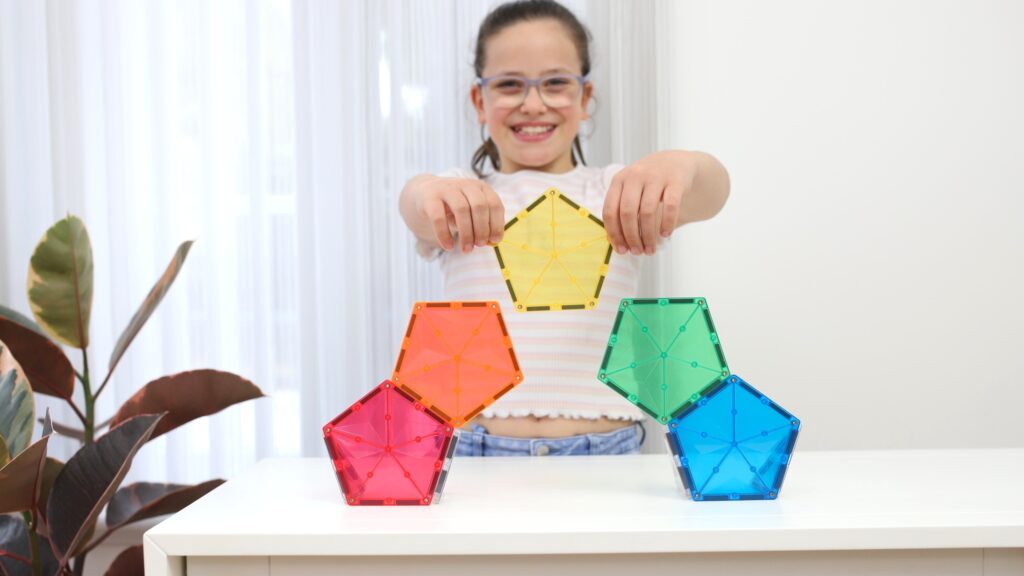
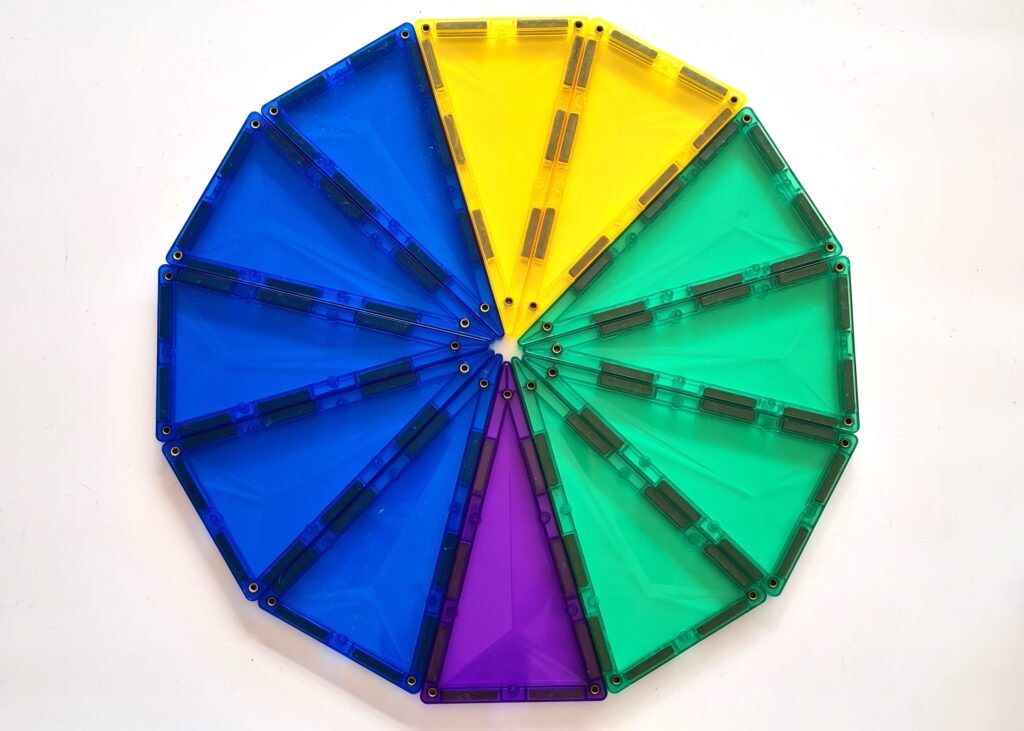
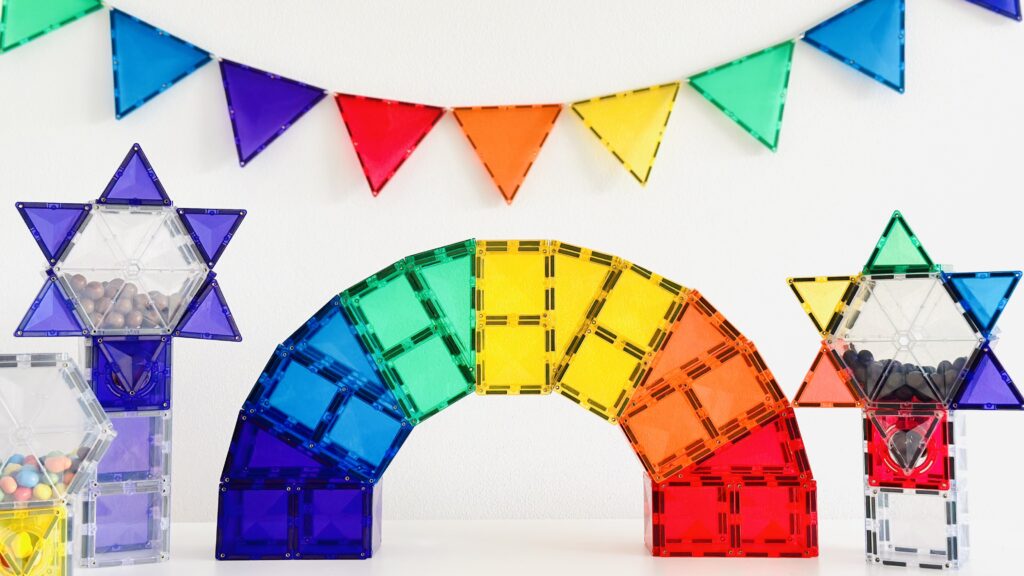
One of the best ways to support children to develop mindfulness is by practising breathing techniques that help to focus on the present moment. An engaging activity to encourage mindfulness is by creating a CONNETIX star using isosceles triangles for each point and either a pentagon or equilateral triangles for the middle. Children can then trace with their finger each vertices of the star. Starting with breathing in through their nose, pausing at each point and then breathing out through their mouth along the next side, until they have completed the star. This super quick activity is a game-changer for children (and adults!), bringing confidence and calm to everyday life.
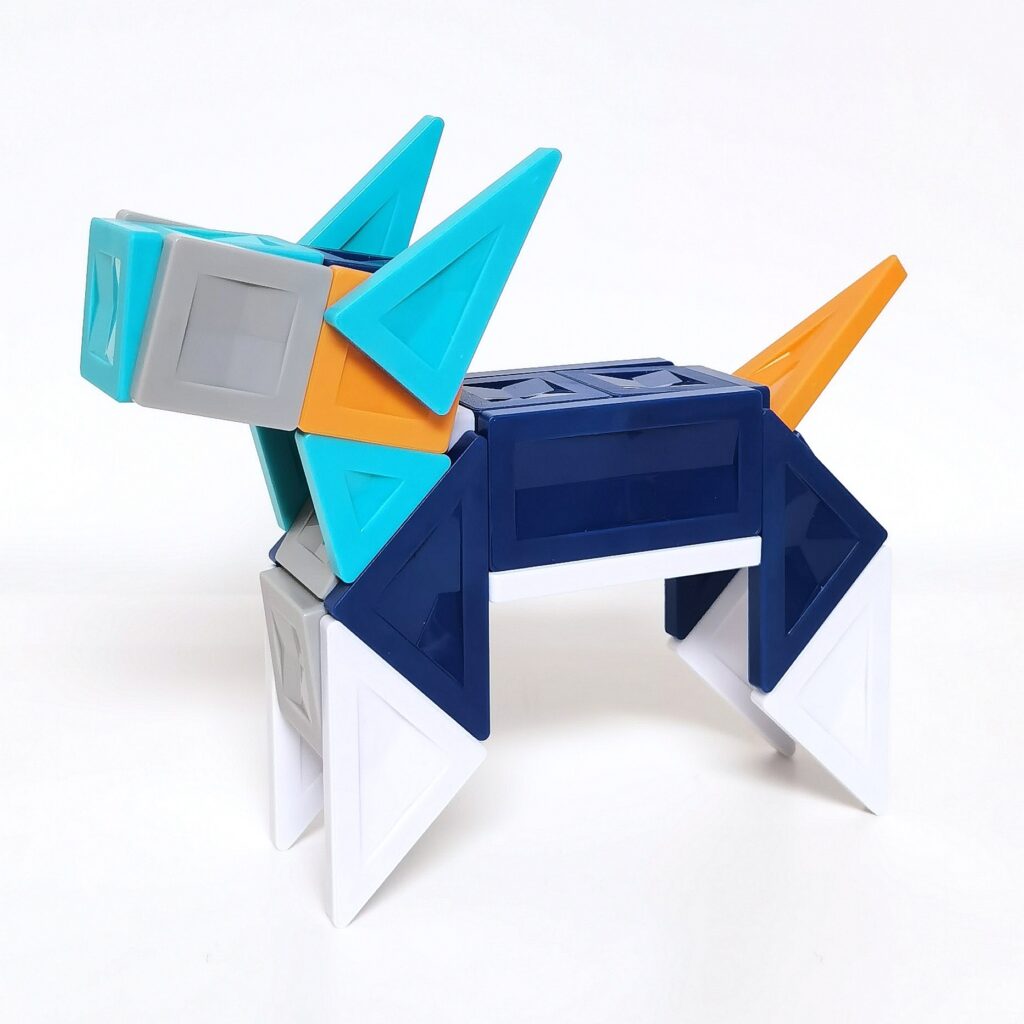
Zones of Regulation with Traffic Lights:
Throughout the day we all move through a spectrum of emotions and varying levels of alertness. “Zones of regulation” is a term used to support children to understand and identify where they might be sitting on this spectrum, with an aim to help them to stay in an optimal window for learning. Using the signature CONNETIX colours, children can make their own traffic lights with four identified zones placing blue on the bottom, then green, yellow and red at the top. The blue zone indicates hypo-arousal (sad, tired, disconnected), the green zone reflects a calm state (happy, content, focused), the yellow zone represents a heightened state (worried, frustrated, distracted) and the red zone signals hyper-arousal (angry, unsafe, disengaged). At each zone children have a visual cue with words or pictures of what might help them to feel calm, for example strategies for the blue zone could be to go for a walk or have a drink, the yellow zone might be to fidget or draw something, and the red zone could be to take deep breaths or ask for help. Simply by identifying the zones of regulation can significantly reduce the intensity of emotion, meaning young people are better able to engage in their learning, and faster!
As a versatile resource CONNETIX can easily be placed on the fridge or whiteboard, providing a great visual tool within learning environments that benefits both children and educators.
Identifying emotions:
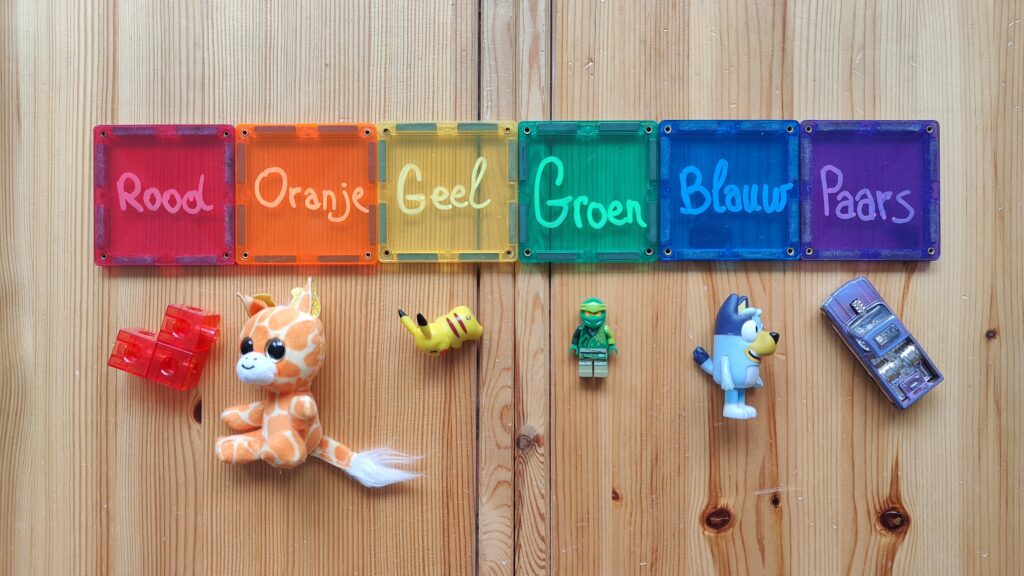
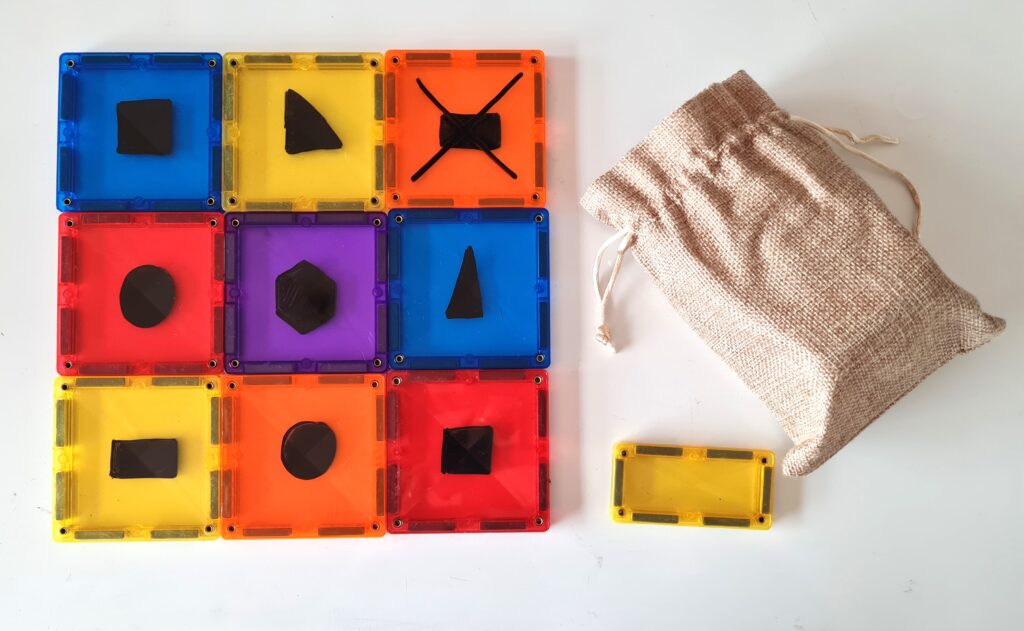
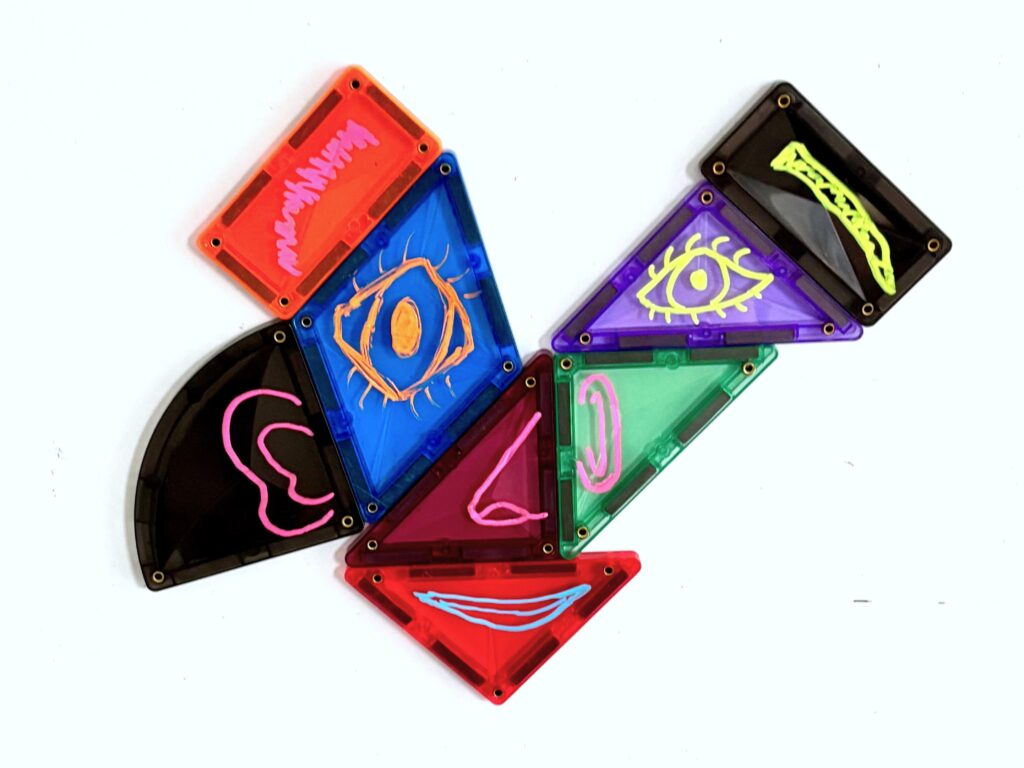
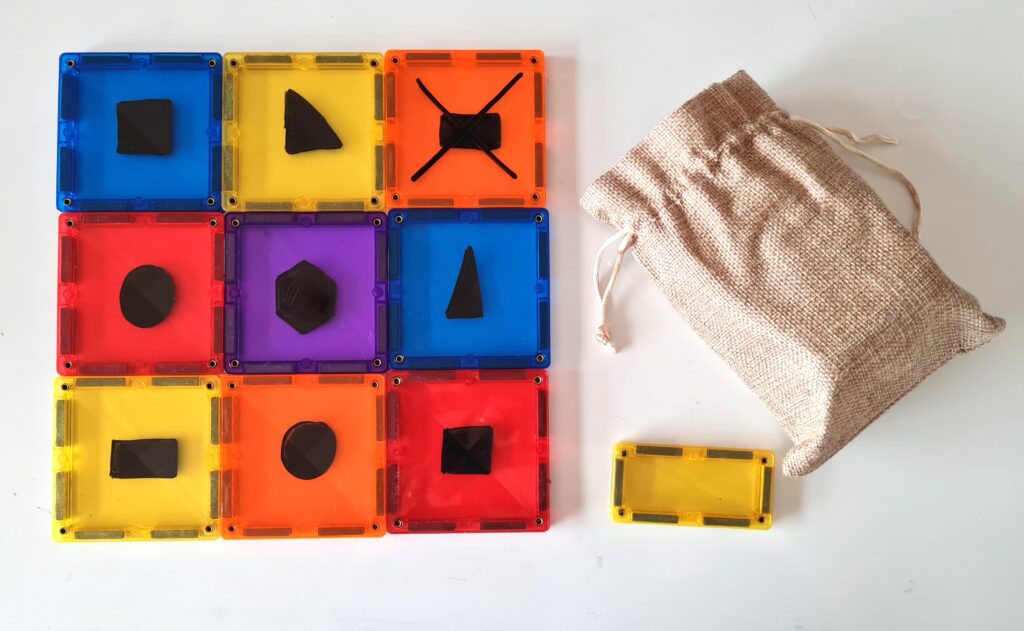
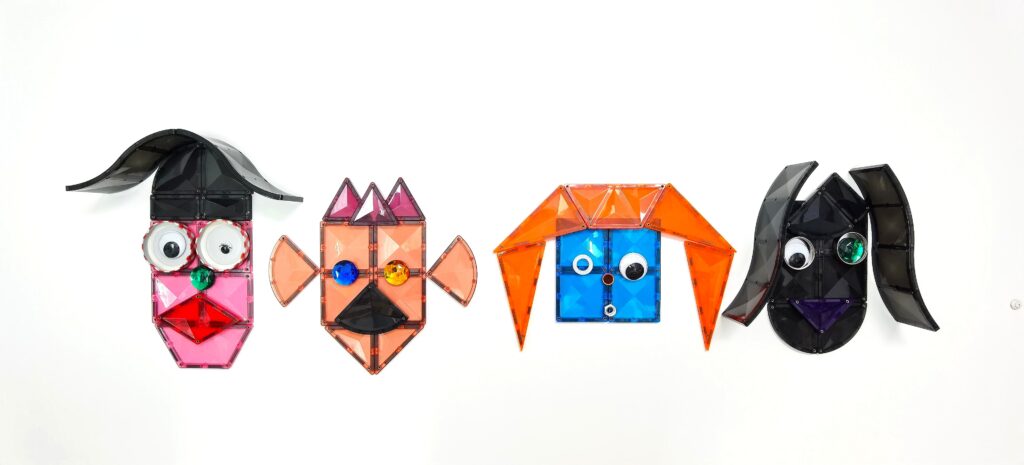
A key step in building emotional capabilities is supporting children to name their own and other’s emotions. CONNETIX provide a great canvas to draw faces using chalk markers and once again, the vibrant colours can correspond to the feeling. Not only do the faces support children to reflect on how they’re feeling in that moment and throughout the week but it also creates a greater awareness and acceptance of the range of emotions that can be experienced. Children can then build their emotion vocabulary along with a repertoire of coping strategies and as we know, the more we practice a skill the better we become at applying it when needed!
Tip of the Iceberg:
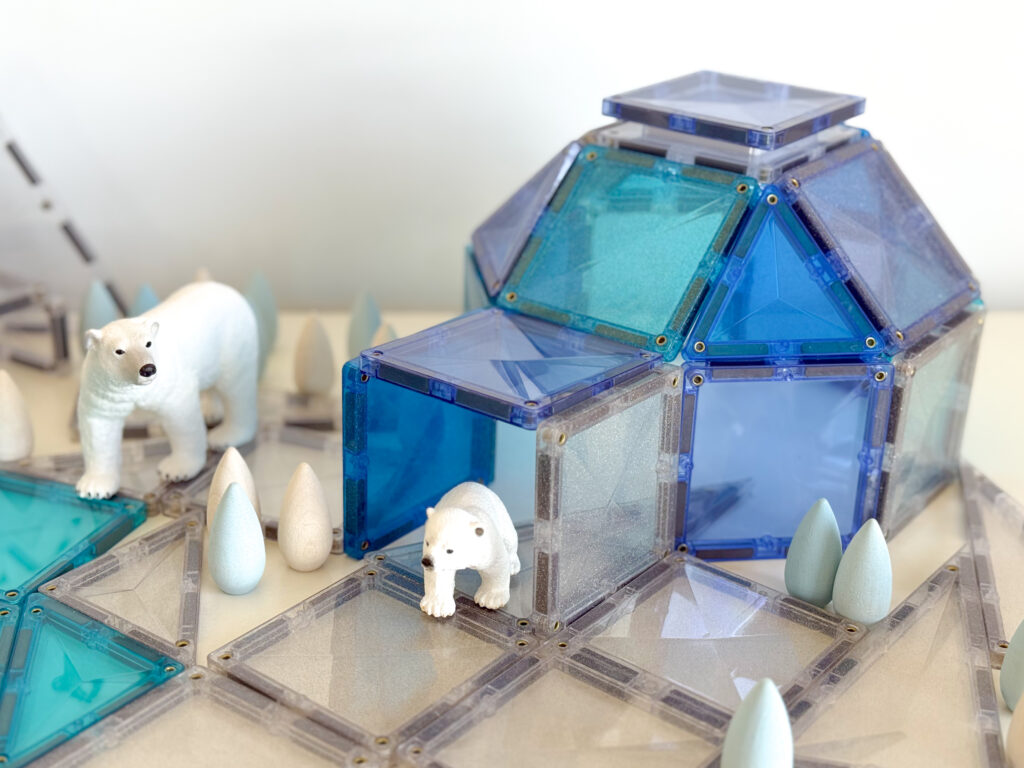
The “tip of the iceberg” is a brilliant representation of the connection between thoughts, feelings and behaviours. Children can create their very own 2D or 3D iceberg labelling what is beneath the surface that might be contributing to behaviours; for example, feeling left out from friends might have led to having difficulty concentrating at school. This activity also supports children to develop empathy and understanding towards others, recognising that everyone experiences “invisible” challenges.
There is a myriad of ways that CONNETIX can be applied to support children to develop insight into their emotions and interpersonal relationships. The magic in doing so is that children are effortlessly engaged from the outset with appealing and hands-on activities, naturally taking the pressure off from the content allowing learning to occur organically and at their level. Most importantly, children feel empowered and have FUN in the process of learning lifelong skills!
For more inspiring CONNETIX ideas and educational resources head to www.connetixtiles.com or follow the @CONNETIX_tiles Instagram to see how play and learning connect!