In the last blog, we explored the concept of MESH learning. To recap, MESH stands for Mental, Emotional and Social Health learning. It’s a framework that focuses on developing essential skills that contribute to a child’s overall well-being and resilience. The MESH model emphasises skills like problem-solving, emotional regulation, social interaction, self-regulation, self-advocacy, and cognitive growth; often through engaging, open-ended play and real-world interactions.
In practice, MESH learning encourages children to approach challenges independently, cope with setbacks, build healthy relationships, and understand their own emotions and needs. For parents, MESH provides a clear way to understand and support the broader scope of developmental growth beyond just academics, helping children to thrive socially and emotionally.
Using CONNETIX to help your child develop these MESH skills is both effective and wonderfully engaging. In an earlier blog, we explored how CONNETIX can support cognitive and emotional growth, especially through problem-solving and resilience. Today, let’s build on that foundation and dive into how this open-ended play can be a gamechanger for nurturing perseverance and other critical MESH skills in your child.
Why Perseverance Matters
Perseverance isn’t just about sticking with something; it’s about learning to handle challenges, setbacks and finding joy in the process itself; a key skill that is necessary across the lifespan whether it be at home, at school or at work.
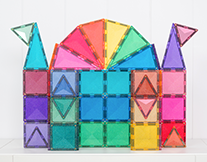
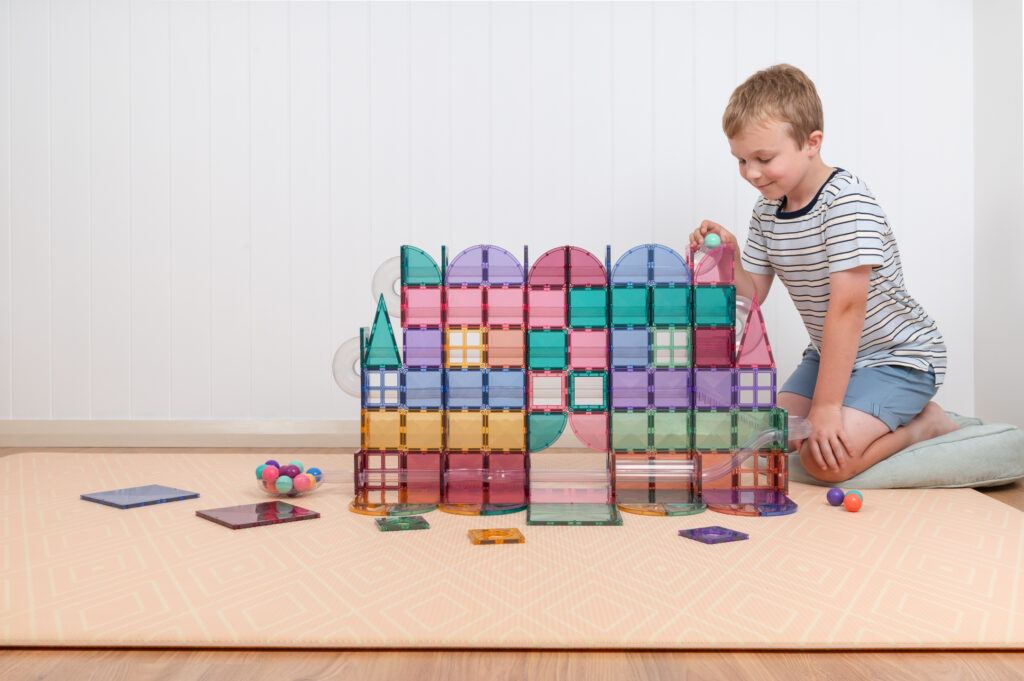
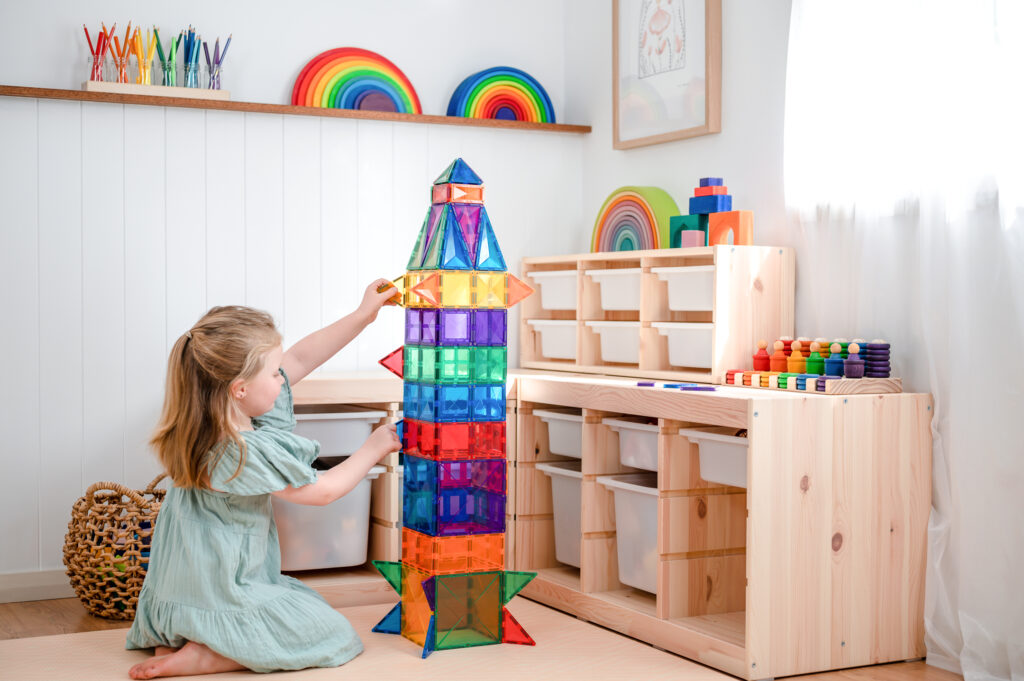
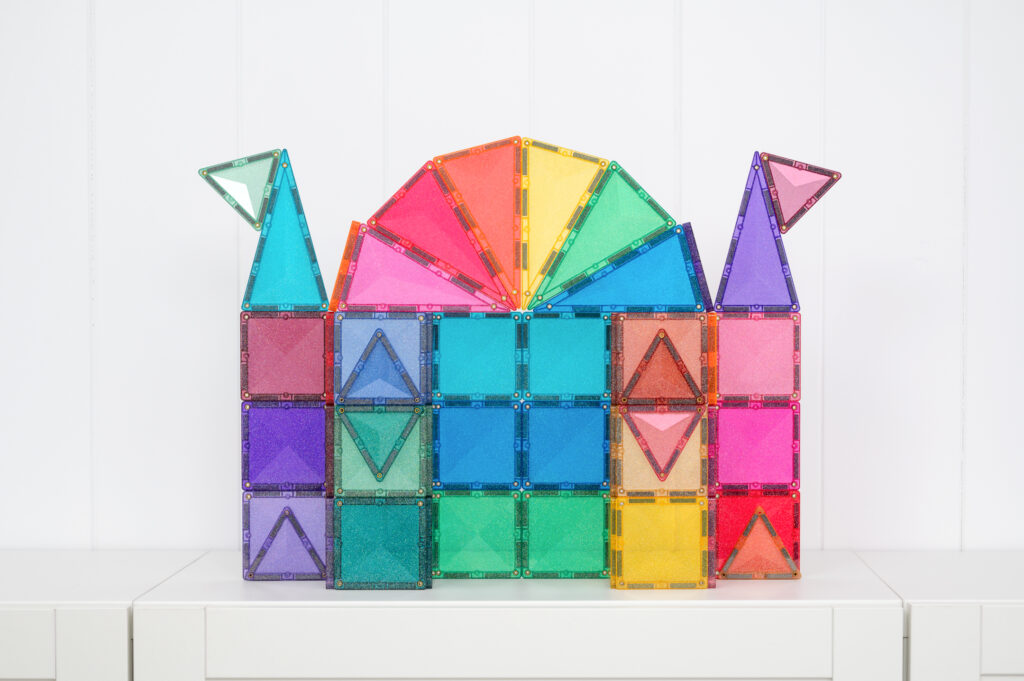
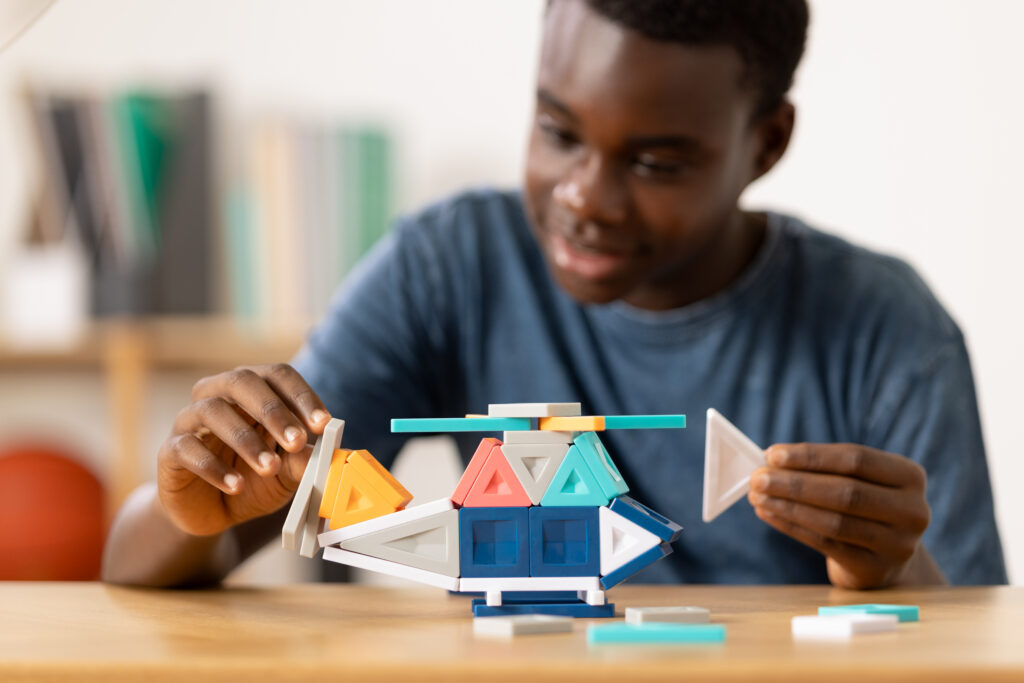
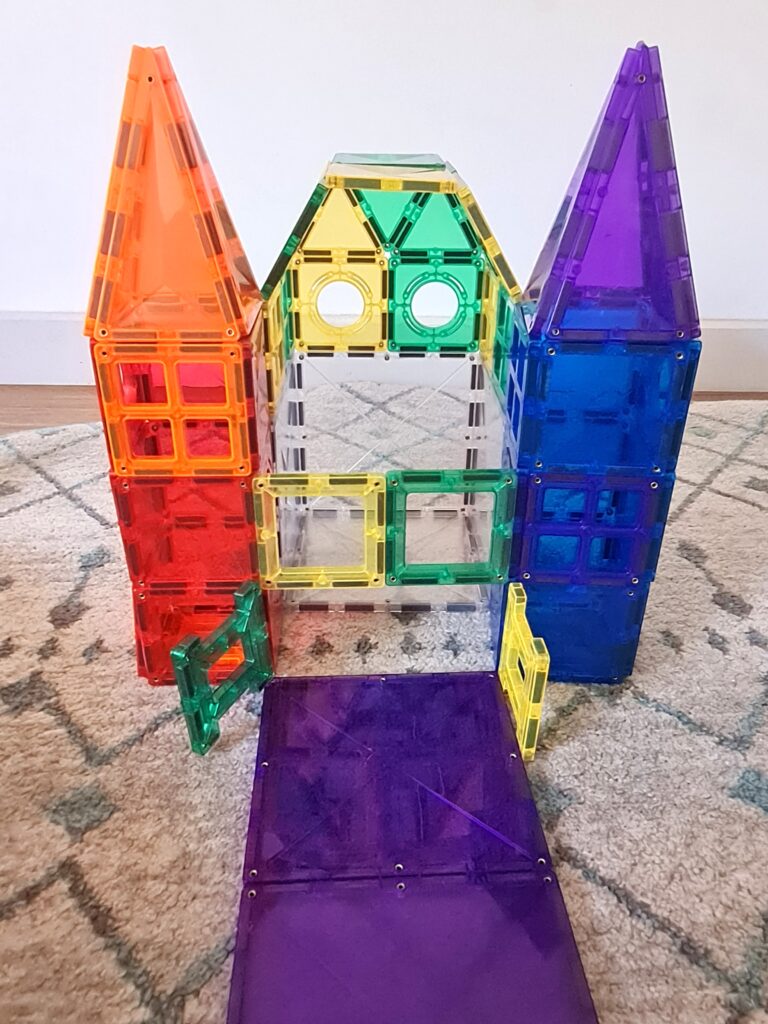
Through play with CONNETIX, children face exactly these kinds of challenges: they might watch a tower topple over or struggle to connect pieces in the way they envisioned. Each obstacle is a moment of learning, providing them a safe environment to try again, adapt and keep going.
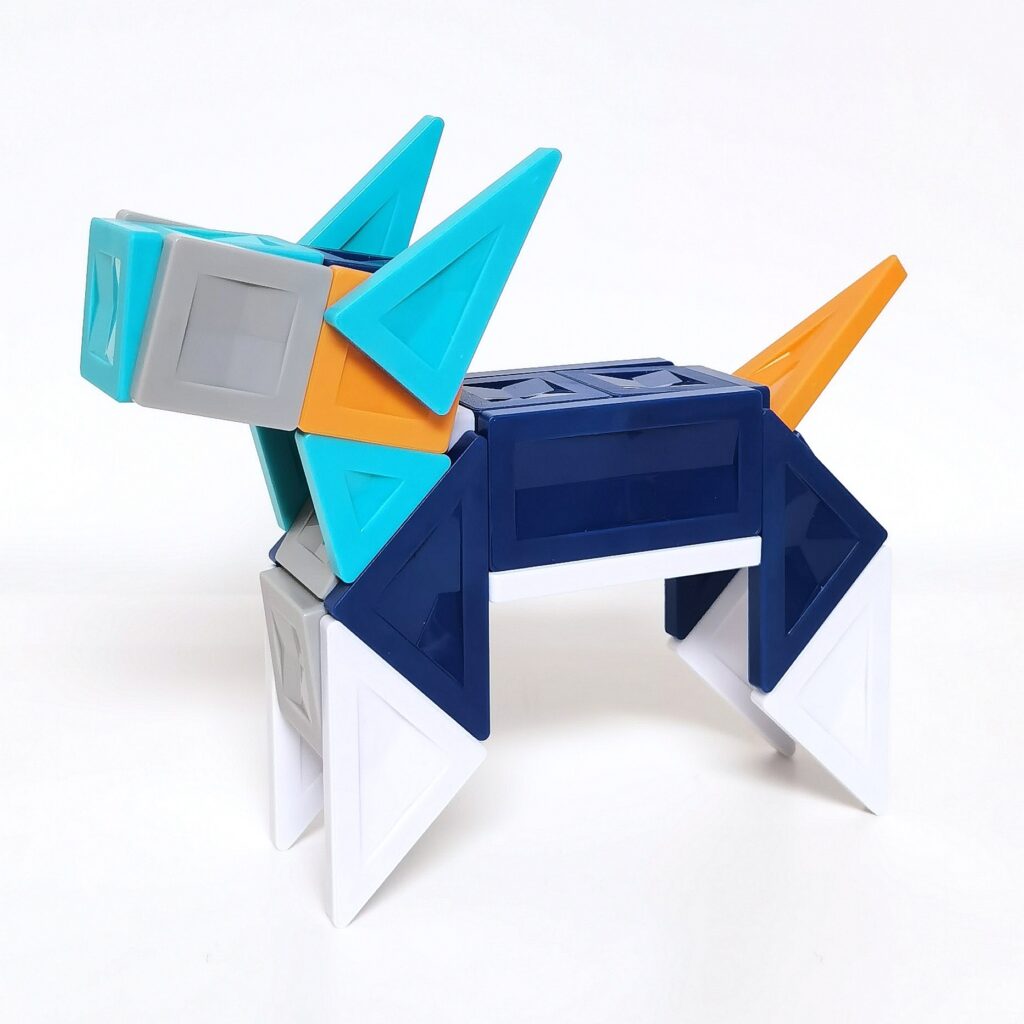
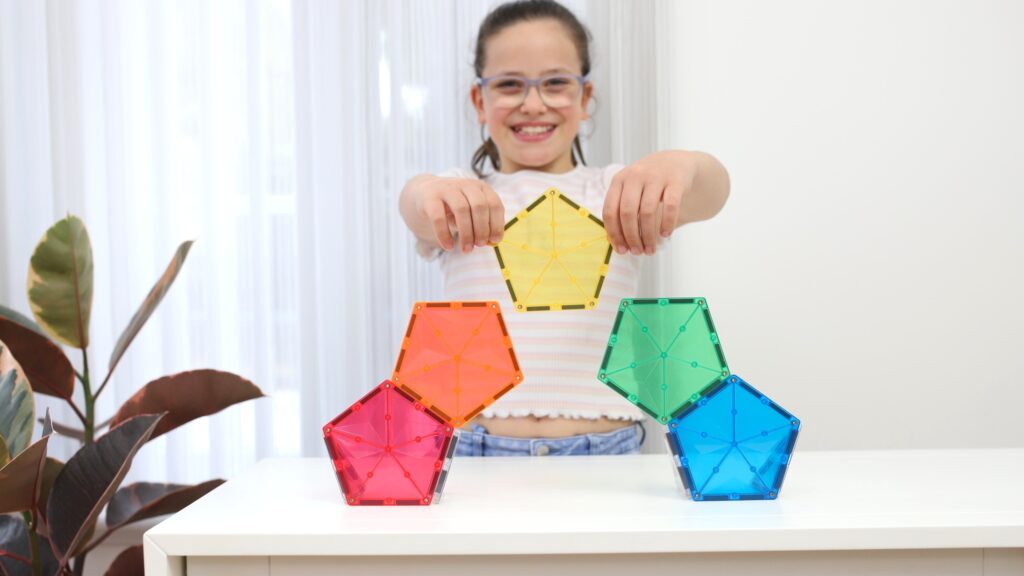
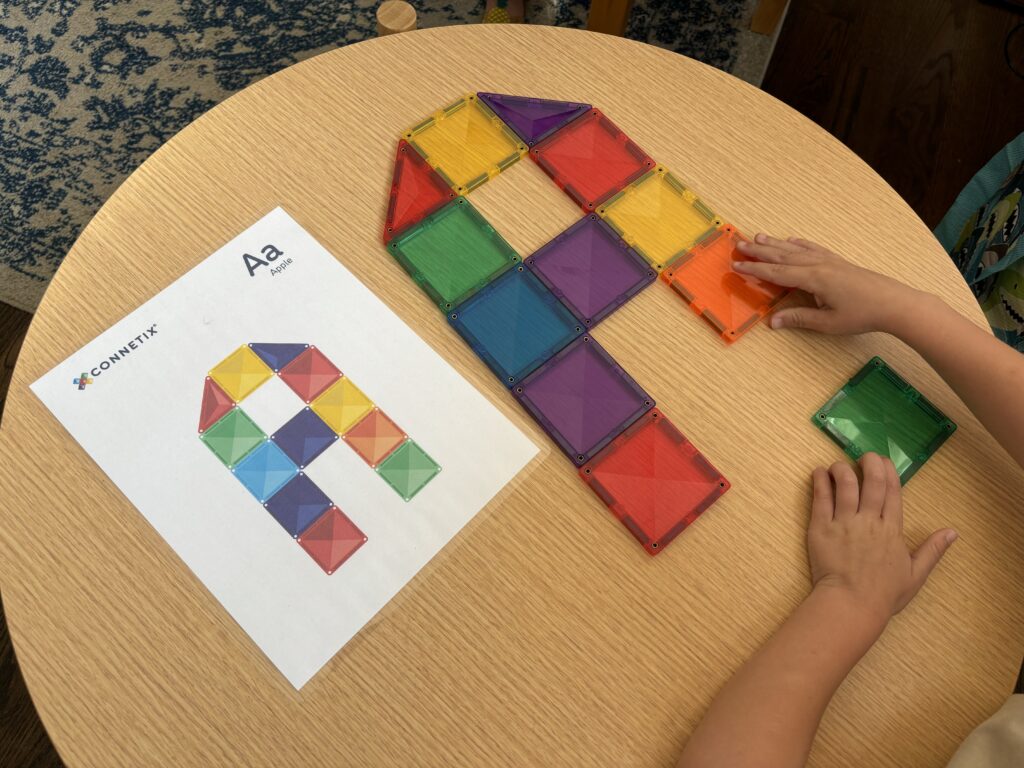
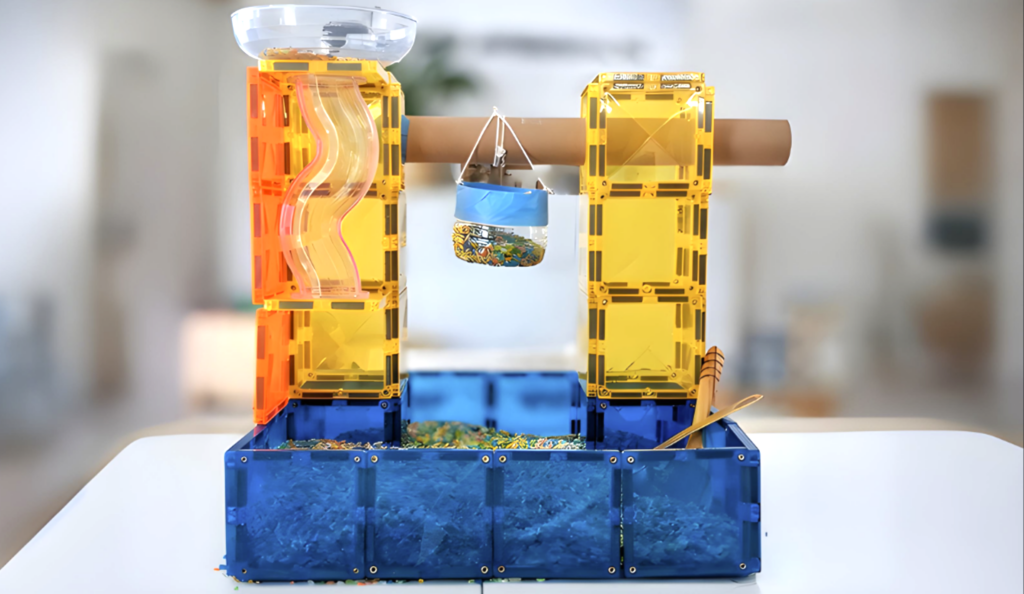
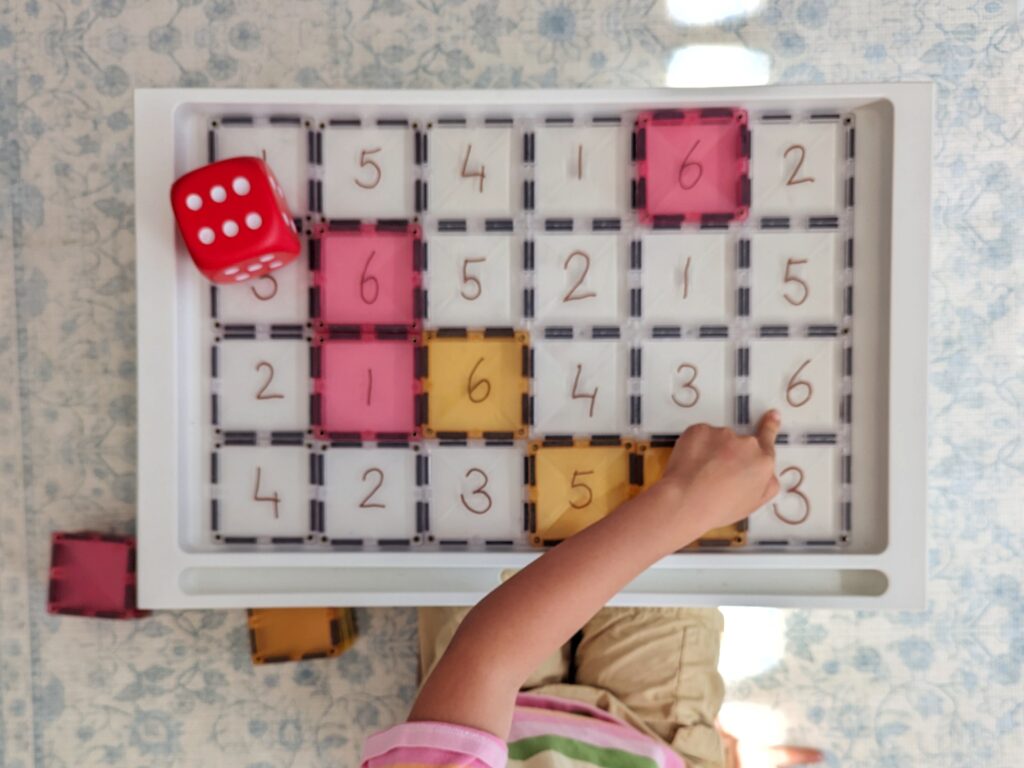
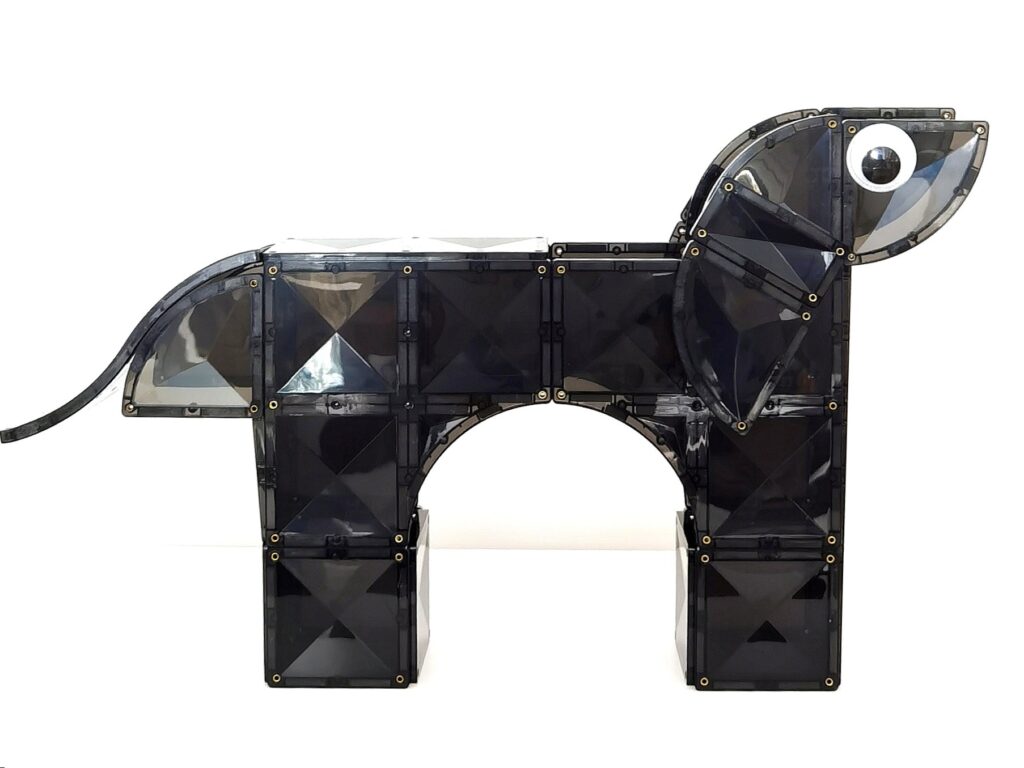
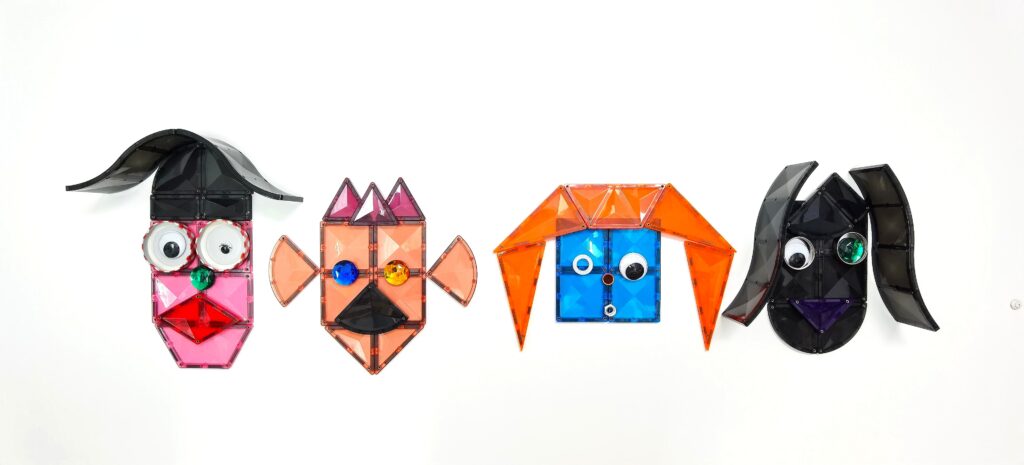
CONNETIX offer a fantastic entry point for building perseverance because they’re open-ended, meaning there is no “right” way to play. This allows kids to experiment and create freely. They’re also wonderfully forgiving; if a structure doesn’t work, children can easily take it apart and start over, which gives them more control over their creations and problem-solving attempts.
Here are some practical ways parents and caregivers can encourage perseverance during play (and yes, all these examples have happened in our home… and no, even as a clinical psychologist, I don’t always get it right!)
1. Set Challenges, Not Limits
Start by setting some fun, low-stakes challenges. For example:
- “Let’s see how tall we can make this tower without it falling!”
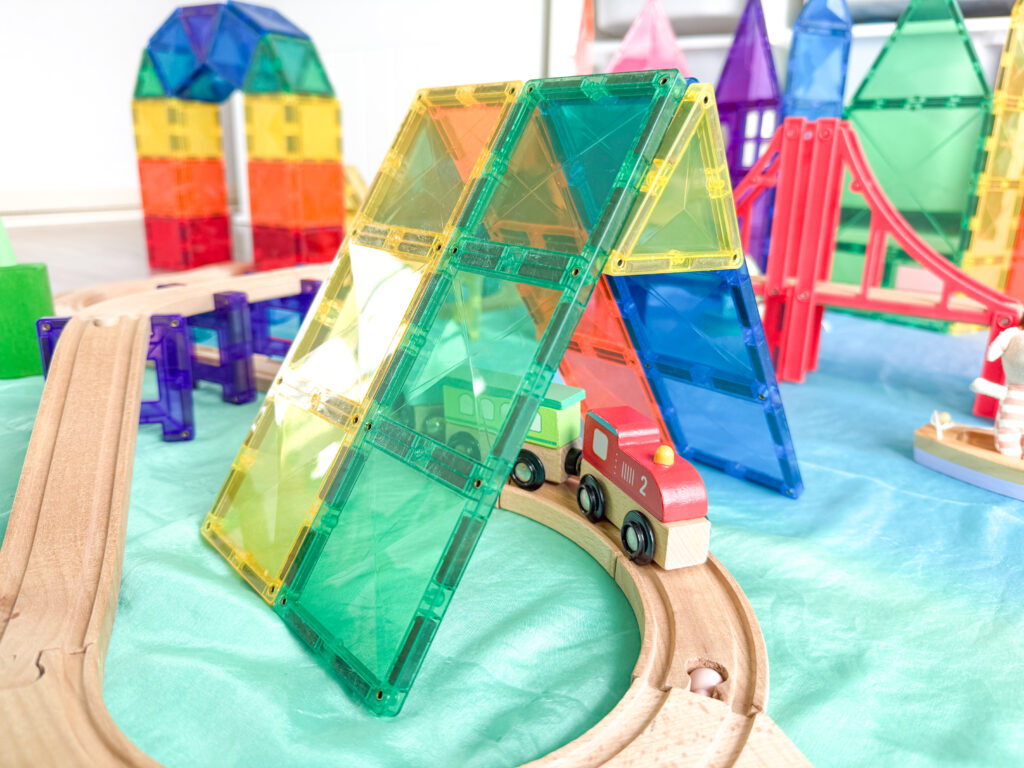
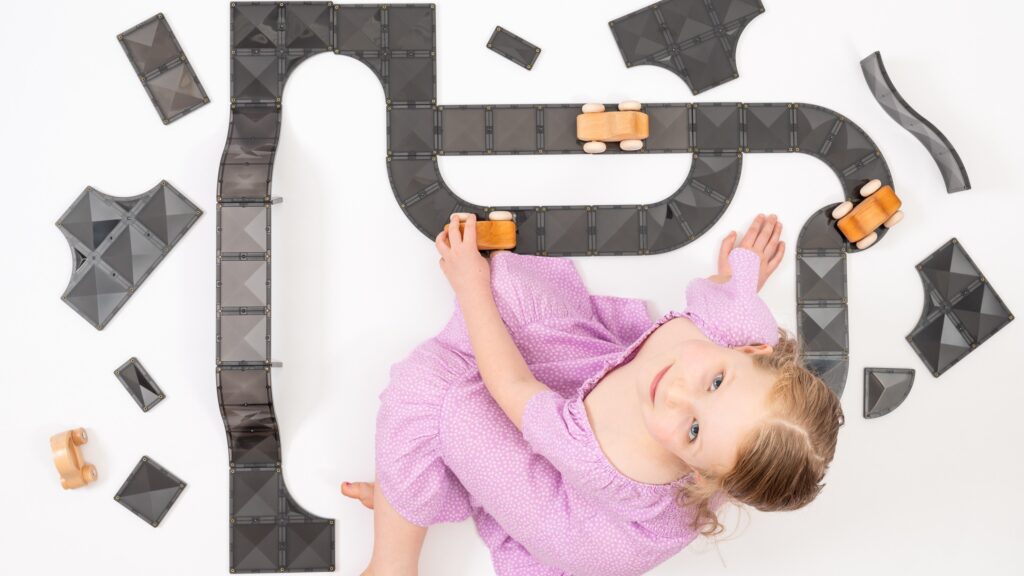
- “Can we build a bridge sturdy enough for your toy car to cross?”
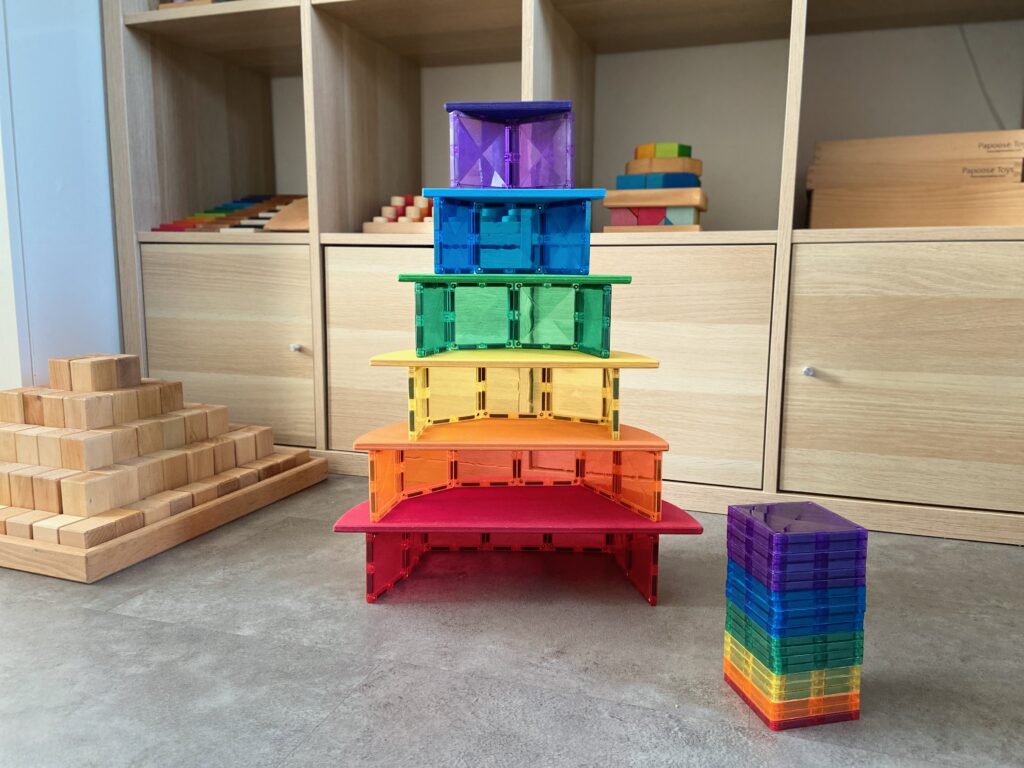
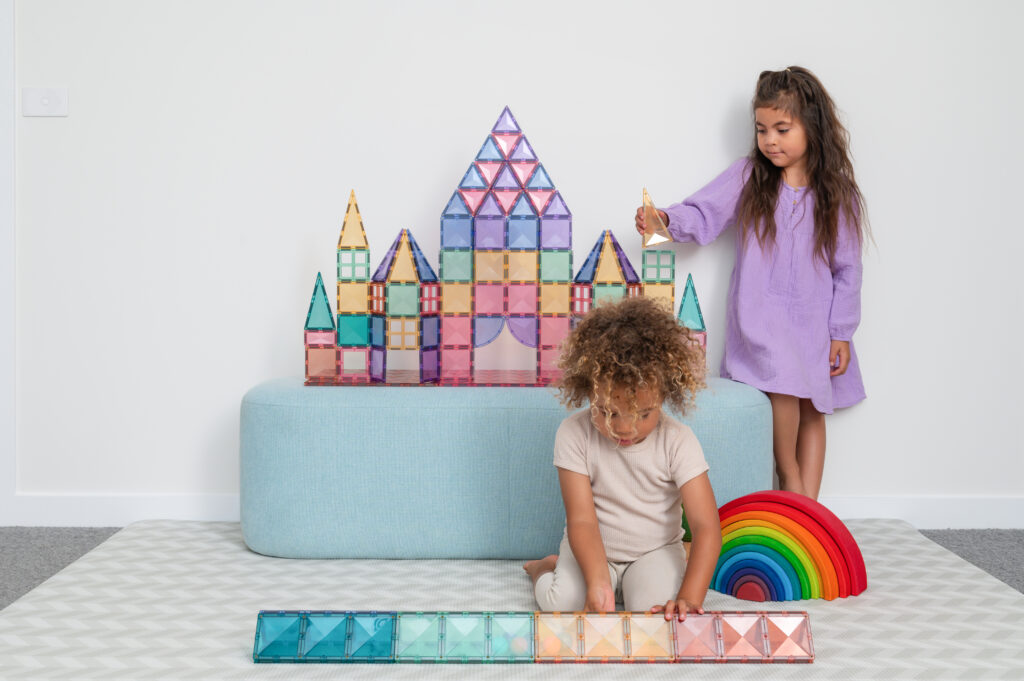
- “I wonder whether we can build a tower that’s bigger than you are!”
These little goals create purpose within the play while subtly encouraging perseverance. If a structure falls or doesn’t work as planned, it’s an opportunity to discuss strategies rather than solutions. You might say:
- “Wow, that tower was almost taller than you! I wonder what we could do to make it even taller next time.”
- “Hmm, it’s tricky to make a bridge, isn’t it? How can we make it strong enough for the car to get across?”
By focusing on strategy over success, you’re encouraging your child to value the process – an essential ingredient for developing perseverance.
2. Normalise Frustration and Celebrate the Effort
Frustration is a natural part of learning. Emphasise that mistakes and setbacks are expected parts of the process. Here are some phrases to guide your child’s response:
- “It’s okay to feel frustrated. That just means you’re working hard!”
- “You tried again, even though it was tough! I’m proud of how you didn’t give up.”
- “Wow, this is tricky, but look how far you’ve come. Every time you try, you’re learning something new.”
By reinforcing effort over the outcome, you’re nurturing the patience and resilience required for perseverance
3. Use Language to Build Confidence and Encourage Problem-Solving
Sometimes, all a child needs to try again is a little encouragement. Use language to build up their confidence and let them know they can come up with solutions. Here are some vocabulary-rich examples to use while they play:
- “You’re really problem-solving like a pro today. I saw you change your plan when the first tower didn’t work.”
- “I noticed you’re making a stronger base using different CONNETIX tiles. That’s a smart choice! I bet that’s going to help keep it up.”
- “Ooh, you’re trying a new way to connect those tiles. I love how creative you’re being!”
Each of these phrases not only encourages perseverance but also reinforces the problem-solving skills at the heart of MESH learning.
4. Encourage Reflection by Asking Open-Ended Questions
When the play winds down, take a few minutes to reflect with your child. Questions like these can help them process their experiences and recognise their own perseverance:
- “What was the hardest part of building today?”
- “What did you do when something didn’t work? How did that feel?”
- “What would you do differently if you built this again?”
This reflection encourages them to connect their feelings and actions, building self-awareness and resilience.
- “You’re really problem-solving like a pro today. I saw you change your plan when the first tower didn’t work.”
- “I noticed you’re making a stronger base using different CONNETIX tiles. That’s a smart choice! I bet that’s going to help keep it up.”
- “Ooh, you’re trying a new way to connect those tiles. I love how creative you’re being!”
Each of these phrases not only encourages perseverance but also reinforces the problem-solving skills at the heart of MESH learning.
5. Make It Social: Play Together and Model Perseverance
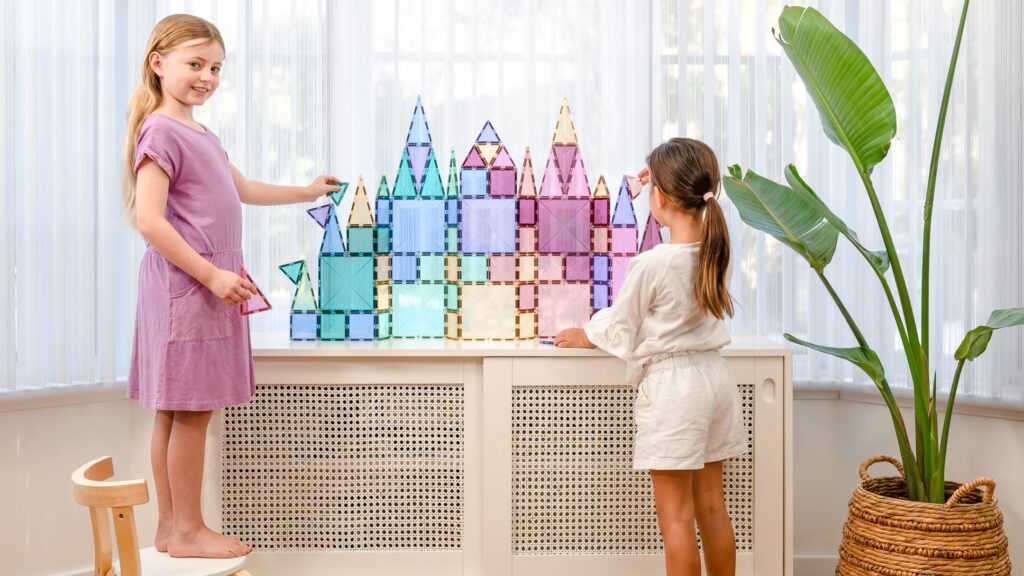
Sure, independent play is the goal, but sometimes playing together is the best way to support your child in their skill development. Play alongside your child to demonstrate perseverance in action. Try collaborating on a shared goal, like building the longest train or the tallest structure. When your own efforts encounter setbacks, model the very resilience you want to cultivate:
- “Oops, I thought that CONNETIX tile would fit! Looks like I need to try another way.”
- “This is harder than I thought. I’m going to give it another go!”
By working together, you’re showing that perseverance is valuable at every age and something even adult’s practice.
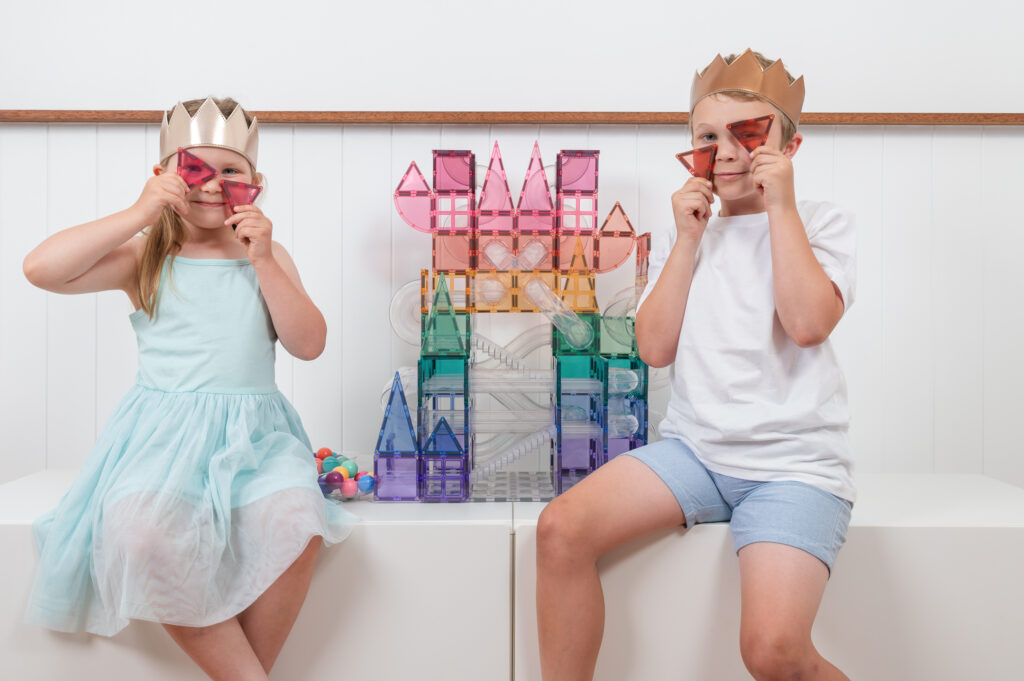
Perseverance Tip: If a sibling or friend is also playing, encourage them to support each other. For example, one might hold a tile in place while the other builds, or they can take turns with who “gets” to place the final piece on a tricky structure.
Why is This Kind of Play important?
When playing with open-ended toys like CONNETIX, children develop multiple aspects of MESH. Perseverance encourages cognitive skills, like planning and evaluating. When children work through setbacks, they’re practicing emotional regulation, a key component of emotional health. And, when playing with siblings or friends, they’re learning social skills like communication, negotiation, and conflict resolution.
While it’s easy to see play as “just fun,” the perseverance kids learn with CONNETIX will serve them well in real-life situations, like tackling challenging school assignments or learning a new skill. Building these skills through play also means they’re learning to enjoy the process and to value their own efforts – a foundation for a lifelong love of learning.
As parents, your role here is as a guide, not a problem-solver. Stand back and watch how they approach challenges, and try to only step in when they’re ready to give up. If frustration builds too much, gently encourage them with phrases like, “Let’s take a deep breath and try again,” or “What’s another way we could do this?” or my personal favourite, ‘How can we fix this?’
Perseverance is the key to overcoming obstacles, and CONNETIX provide an ideal play environment for kids to develop this vital skill. They’ll learn to try, adapt, and keep going, all while creating something unique.
So next time your child’s tower crumbles, remember – it’s not just a tower falling down; it’s a lesson in perseverance, problem-solving and patience.
And if you get a moment’s peace and a hot coffee in the process?
Well, that’s just a bonus!