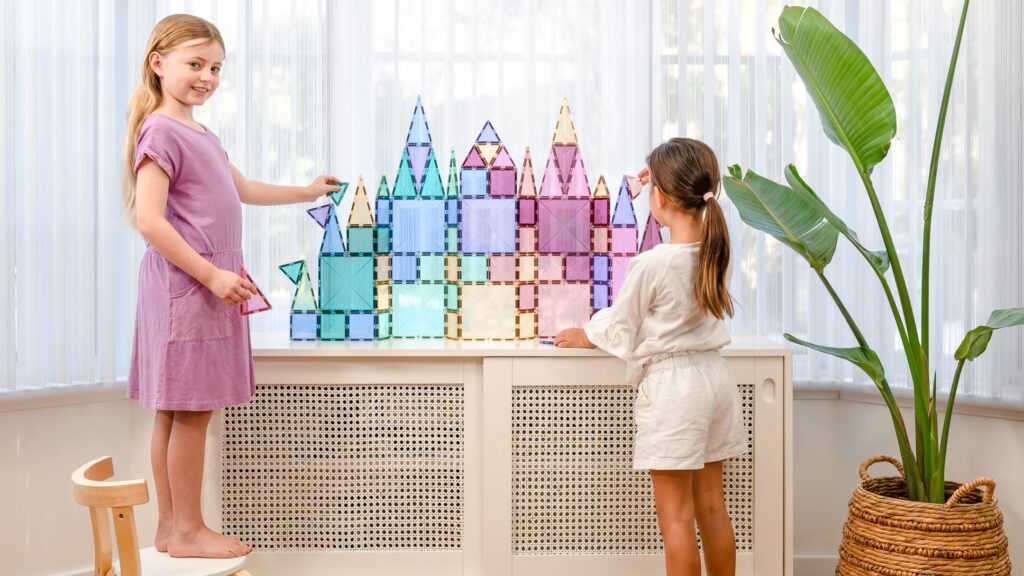
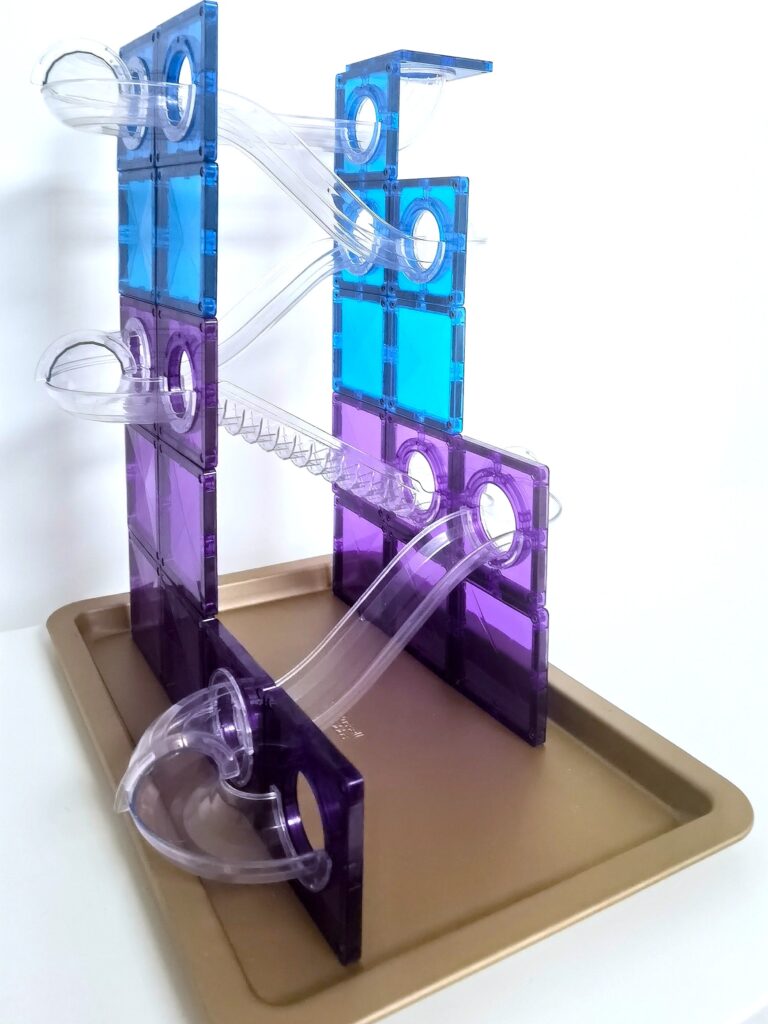
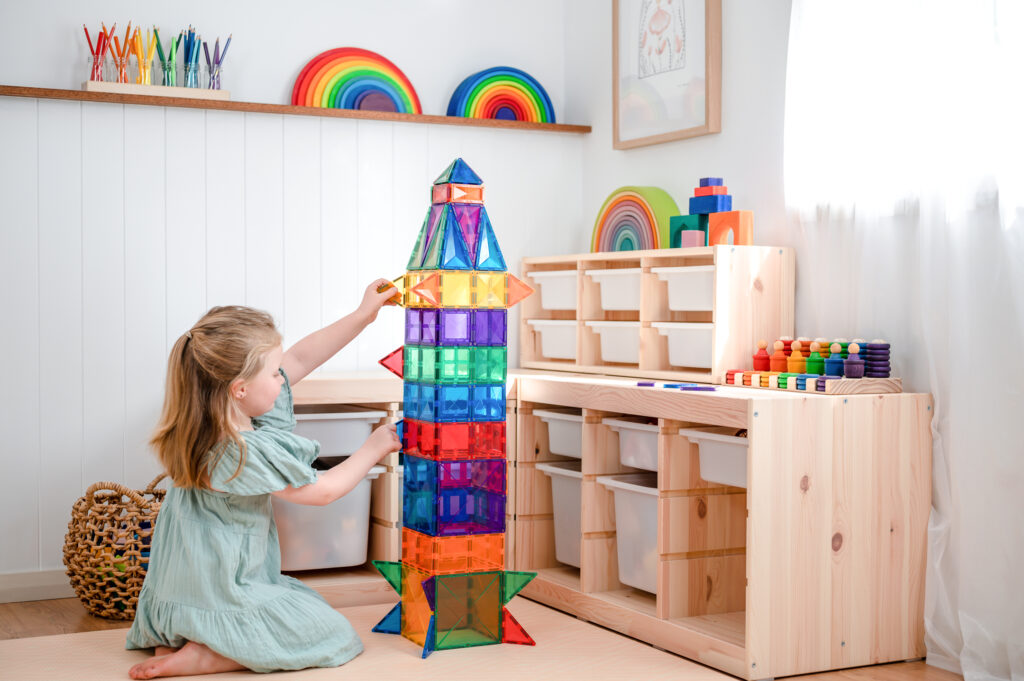
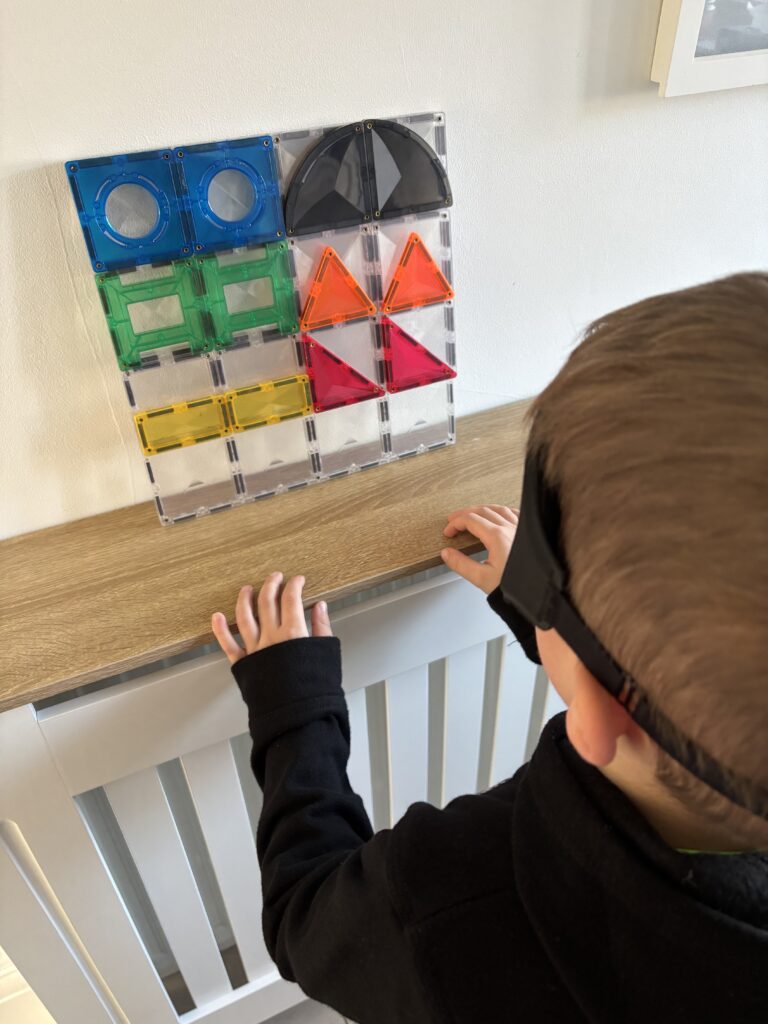
If you caught my previous post on using CONNETIX tiles to teach kids self-advocacy (the one where we discovered how high-stakes tile politics can teach big social lessons), you already know I’m a big believer in learning through play. Especially play that’s colourful, clicky and comes with a level of challenge or overcoming obstacles.
In this article, we’re taking a deep dive into cognitive skills – what they are, why they matter and how your humble box of CONNETIX is actually a low-key cognitive gym for little brains in development.
Let’s build some brains (and towers and rocket ships)
What Are Cognition Skills, Anyway?
Cognition is basically how the brain thinks. These skills help children process information, make sense of the world and problem-solve their way through daily challenges like “How do I build a house without my sibling collapsing it?” or “Can I stack these ten tiles into a leaning tower without physics intervening?”
Cognitive skills include:
- Attention and focus (hello, 2-minute build sessions!)
- Memory
- Problem-solving
- Planning and organising
- Understanding cause and effect
- Flexible thinking (a.k.a. adapting when the cat knocks over your entire build)
These skills form the foundation for learning, emotional regulation and social interaction, basically the whole MESH trifecta: Mental, Emotional and Social Health.
Why Magnetic Tiles Are a Cognitive Goldmine
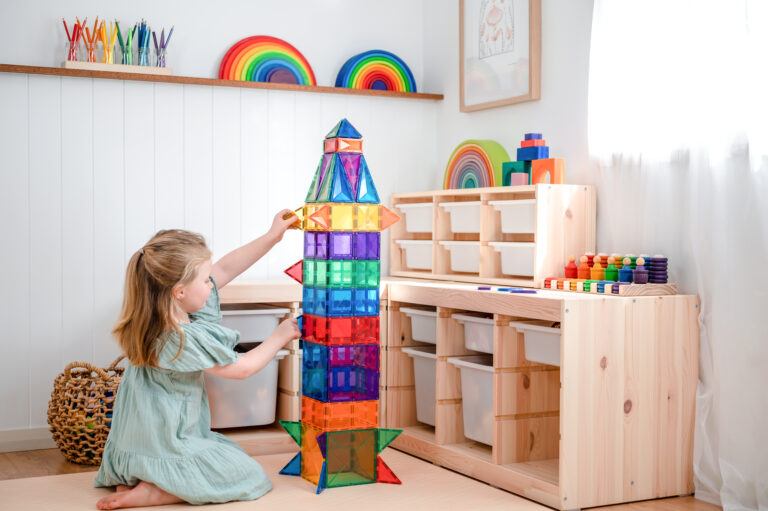
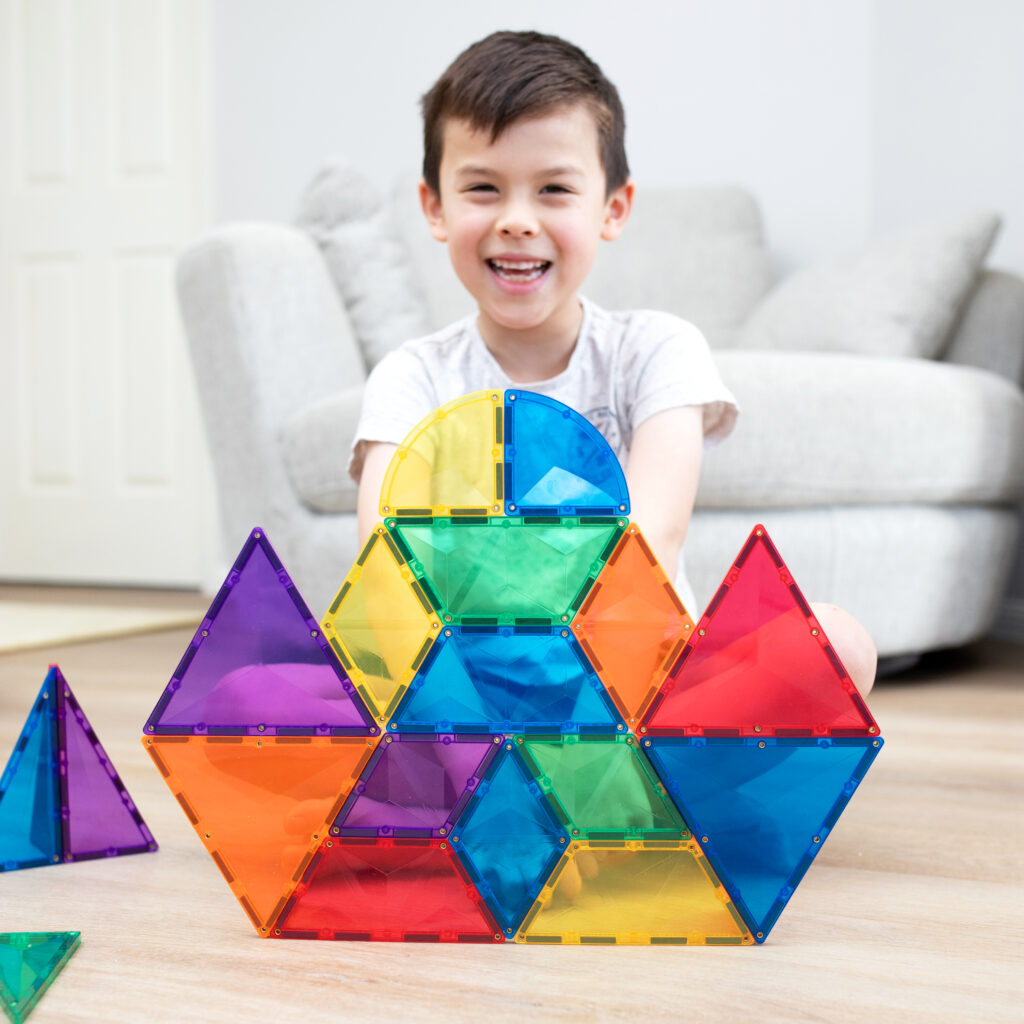
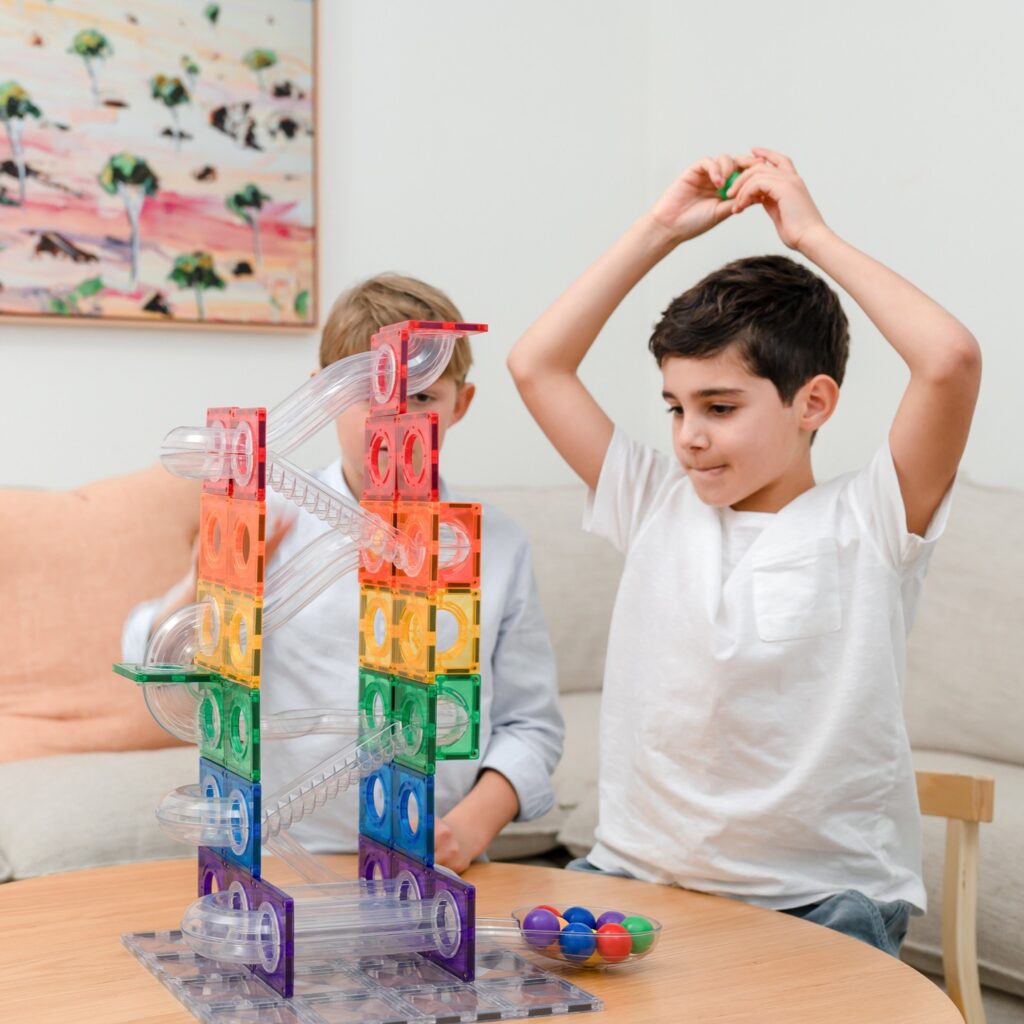
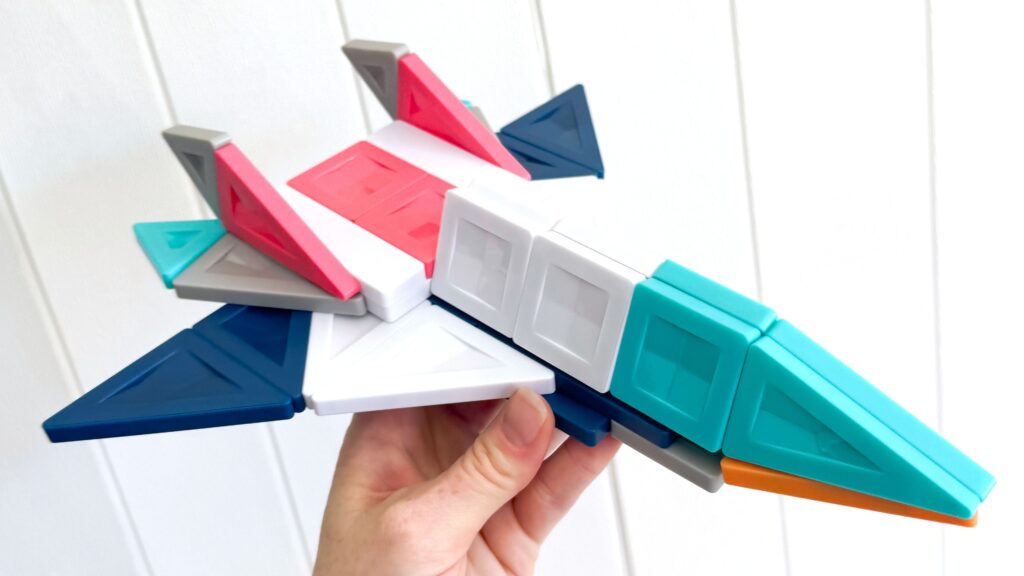
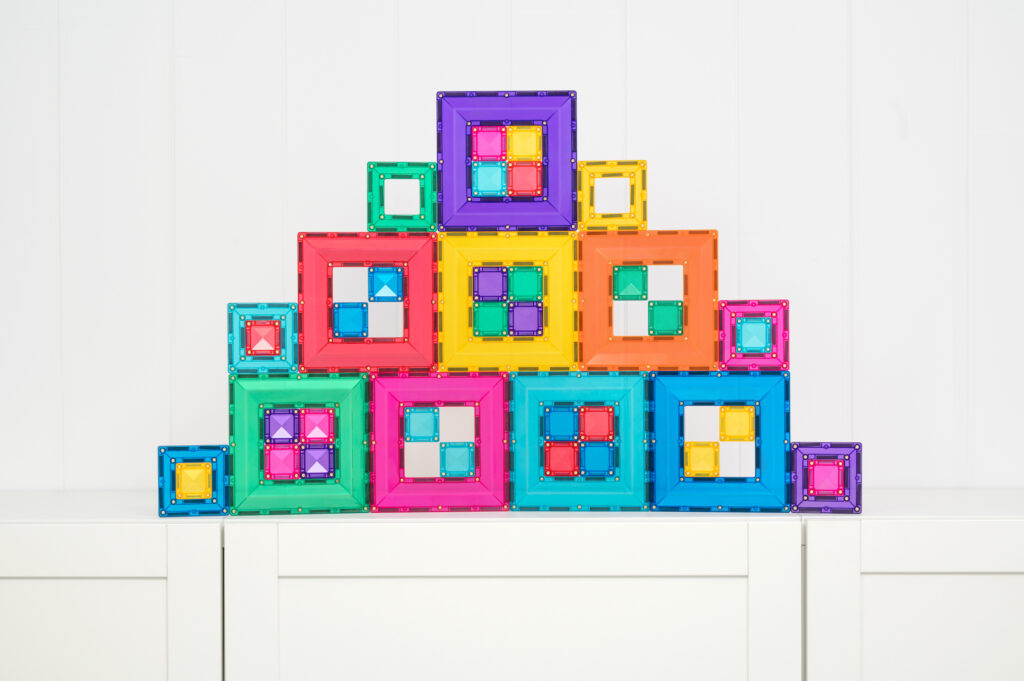
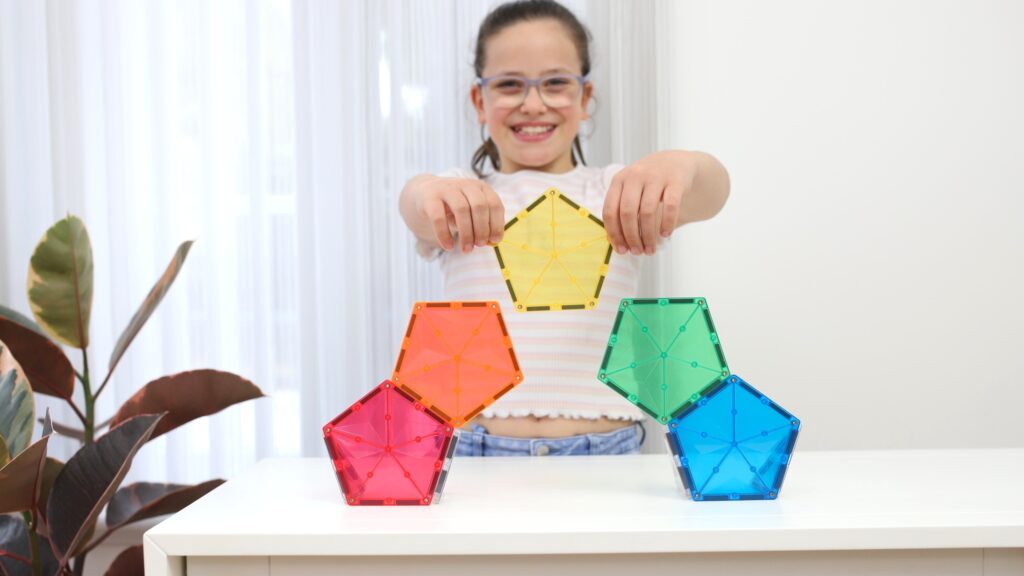
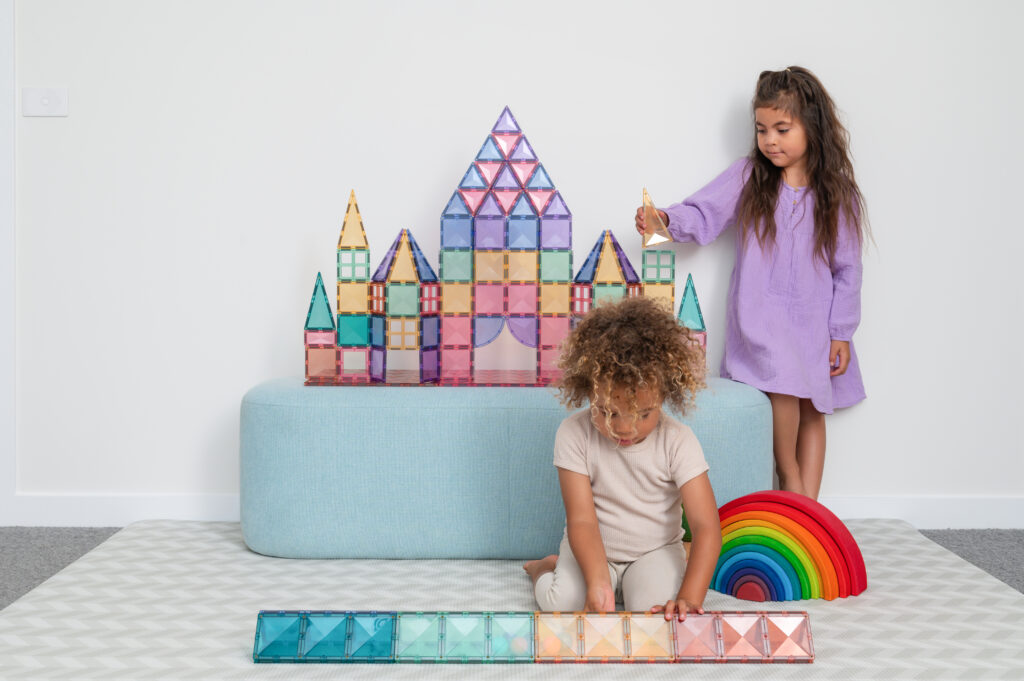
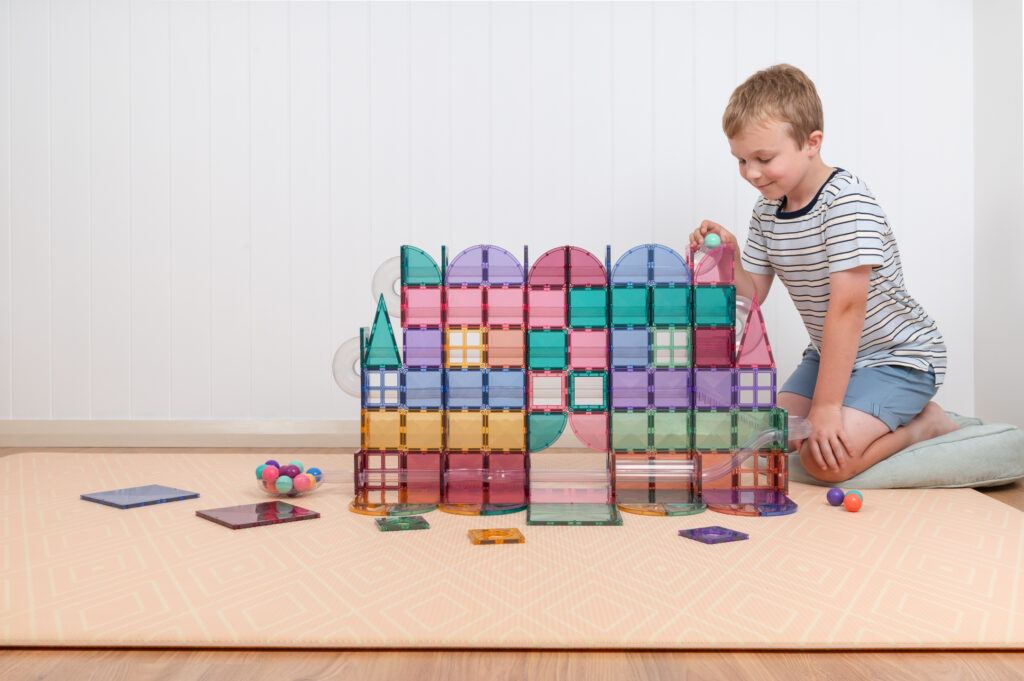
Now, let’s be clear. CONNETIX tiles weren’t designed as a brain training tool. But as any parent who’s watched their toddler silently plan an architectural masterpiece can tell you, they’re doing more than just playing.
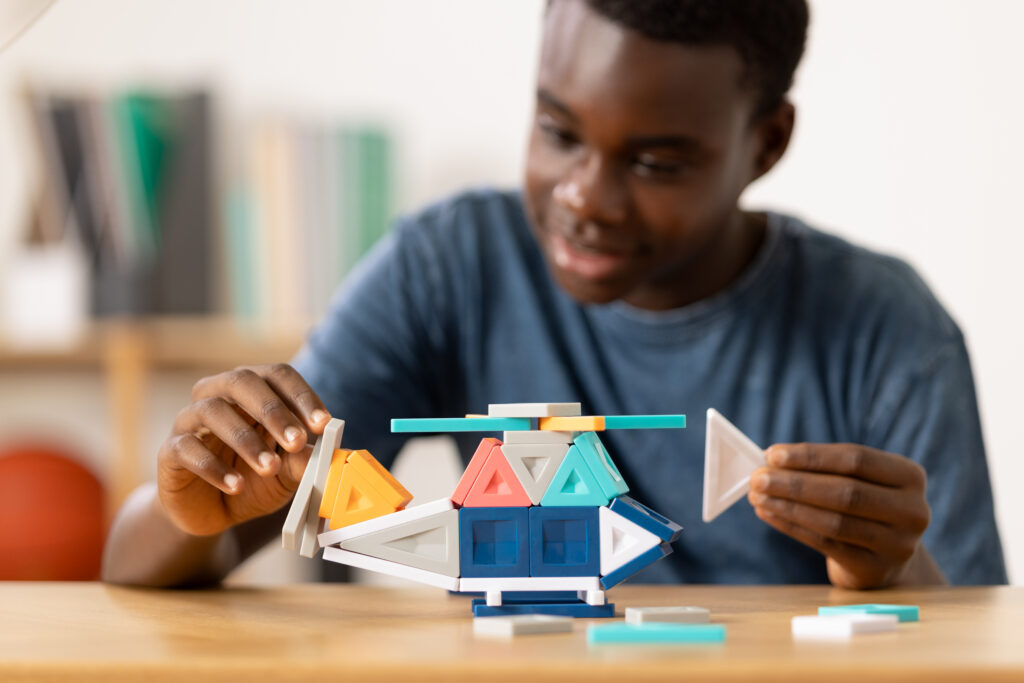
When children build, knock down, rebuild and tweak their designs, they’re developing:
- Working memory (holding onto ideas as they plan and build)
- Executive functioning (making decisions, switching strategies, resisting the urge to just throw the whole thing when it collapses)
- Reasoning and logic (figuring out which pieces go where and why)
- Spatial awareness (understanding shapes, space and gravity — often the hard way)
And the best part? They don’t even realise they’re learning. You won’t hear “I’m enhancing my cognitive flexibility, Mum!” But you will hear “WAIT, I know how to fix it!”
Play Ideas That Boost Cognitive Development (With Zero Worksheets)
Let’s break it down with some real-world, fun-first play ideas that sneak in serious brain-building power.
1. Memory Builders
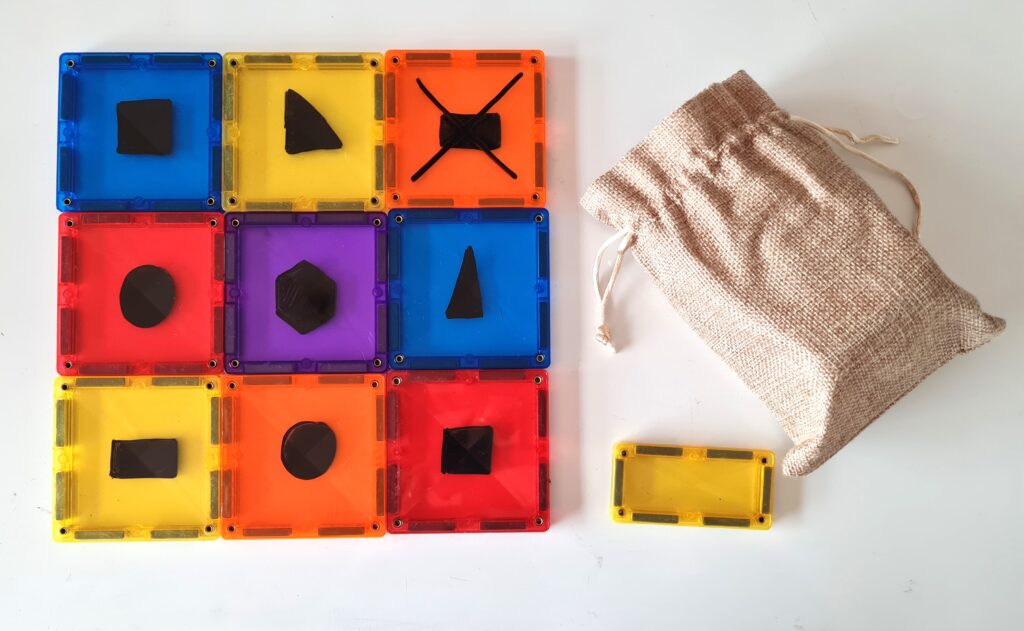
Play Idea: “What’s Missing?”
- Build a small structure together using 5-6 tiles.
- Ask your child to turn around.
- Remove one tile or swap a colour.
- Ask, “What’s changed?”
- Bonus: Let them quiz you too (because you’re never too old for a little brain training).
Language to use:
- “Can you remember what colour was on top?”
- “You noticed that quickly, your memory is working hard!”
- “Hmm, something’s different. What do you think it is?”
2. Planning and Flexible Thinking
Play Idea: “Blueprint Boss”
- Ask your child to draw a plan (or describe verbally) before building.
- Then, build together based on the “blueprint.”
- Midway through, introduce a twist: “Oh no! We ran out of green tiles. What now?”
Language to use:
- “Let’s think of a new plan!”
- “How could we solve this problem differently?”
- “You changed your idea — that’s flexible thinking!”
3. Cause and Effect Crash Course
Play Idea: “Domino Towers”
- Build a line of vertical tiles like dominoes.
- Knock them over, then challenge your child to change the spacing and predict what will happen.
Language to use:
- “What do you think will happen if we move this one closer?”
- “Let’s test your idea!”
- “Wow, your brain is experimenting like a scientist!”
This helps children build reasoning skills and explore cause and effect in real-time (and with dramatic sound effects).
4. Problem-Solving Play
Play Idea: “Fix-It Challenge”
- Build a structure and “accidentally” make it unstable.
- Ask your child to find a solution to keep it from falling.
- Or, let them build something and ask how they’d make it stronger.
Language to use:
- “Hmm, this part seems a bit wobbly. What can we do?”
- “Let’s try a different way — what’s another idea?”
- “You’re like an engineer solving tricky problems!”
5. Focused Attention & Working Memory
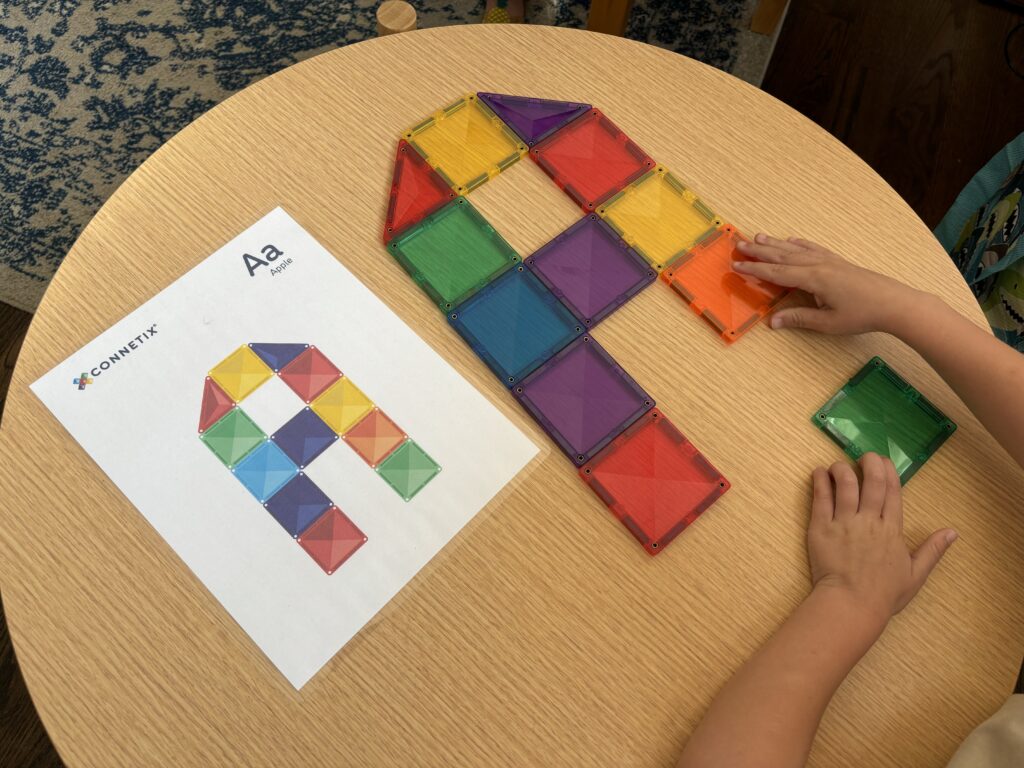
Play Idea: “Copy Me”
- Build a small structure and ask your child to copy it from memory.
- Start with just 3–4 tiles, then increase as they improve.
- Then swap — let them build and you try to copy!
Language to use:
- “Can you remember all the colours I used?”
- “Let’s see if we can build it without looking again!”
- “You stayed really focused — great work!”
Making It MESH: Why Cognition Supports Mental, Emotional & Social Health
Here’s the beautiful link between cognitive development and the bigger picture of MESH:
- Mental Health: Kids who can focus, plan and problem-solve feel capable. That sense of competence builds confidence, which is key to mental wellbeing.
- Emotional Health: Frustration is a big part of play, especially when towers fall. But when kids learn strategies to regulate, try again or shift plans, they’re developing emotional resilience.
- Social Health: Cognitive flexibility helps kids navigate peer dynamics — like adjusting their ideas in collaborative play or solving disagreements creatively.
In short: cognitive development isn’t just about future academic success. It’s about helping your child feel ready to take on their world, emotionally and socially too.
What Can Parents Do Next?
Here’s your action plan (don’t worry, no charts or behaviour tokens required):
- Lean into play that feels a little tricky.
That “Ugh, this is hard!” moment is where cognitive magic happens. - Model problem-solving out loud.
“Hmm, this wall keeps falling. I wonder if I need a wider base?” helps them internalise the thinking process. - Celebrate thinking, not just results.
Praise efforts like planning, persistence and flexibility — not just the final build. - Be okay with mess and mistakes.
Cognitive development thrives in unstructured, slightly chaotic play zones (and yes, stepping on a tile is still part of the parenting rite of passage).
And Remember, The Brain Is a Muscle. CONNETIX Is a Gym.

Your child doesn’t need a workbook, a formal lesson, or a PhD-level puzzle set. They just need time, space and the freedom to explore.
So next time you pull out the CONNETIX box, remember:
That colourful chaos on your lounge room floor? It’s cognitive gold.
And you, dear parent, are supporting mental, emotional and social growth, one wobbly tower at a time.
Cognition Play Prompts Checklist
Use these playful set-ups to strengthen cognitive skills. No worksheets, no lectures, just clever play.
“What’s Missing?”
→ Build a small structure, change or remove a tile, and have your child guess what’s different.
Cognition focus: working memory, visual attention
“Blueprint Boss”
→ Ask your child to draw or describe a plan before building, then follow it together.
Cognition focus: planning, executive functioning, flexible thinking
“Domino Towers”
→ Build a line of standing tiles and experiment with spacing, height and angles.
Cognition focus: cause and effect, problem-solving
“Fix-It Challenge”
→ Create an unstable structure and encourage your child to make it more stable.
Cognition focus: reasoning, trial and error
“Copy Me”
→ Build a shape or tower and challenge your child to recreate it from memory.
Cognition focus: attention, working memory, spatial skills
“Design Detective”
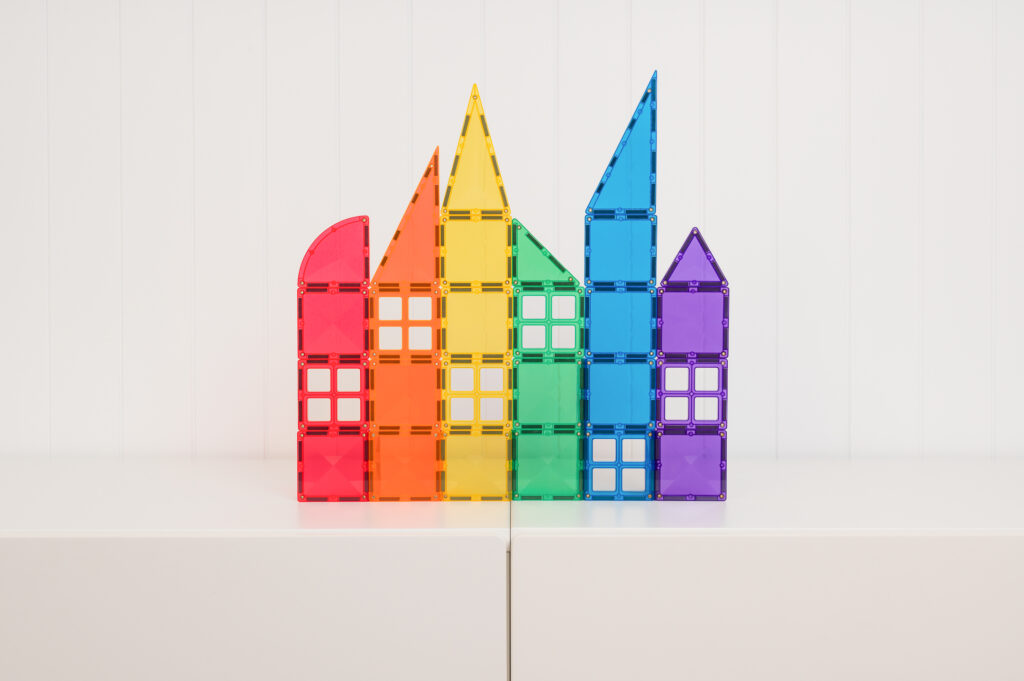
→ Show a finished build and ask: “How do you think this was made?”
Cognition focus: logical sequencing, analytical thinking
“Mystery Build”
→ Choose 5 random tiles and challenge your child to create something with just those.
Cognition focus: creativity, divergent thinking, flexibility
Parent-Friendly Vocabulary for Cognitive Growth
Use these phrases while playing to stretch your child’s thinking (and give your feedback a brainy upgrade).
Problem-Solving & Reasoning
- “What could we try instead?”
- “That didn’t work, what else might?”
- “I wonder how we could fix this.”
Memory & Focus
- “Let’s try to remember what we did last time.”
- “Can you picture it in your mind?”
- “Let’s build it without looking, do you think we can?”
Flexible Thinking
- “Oops! Plan A didn’t work. Want to try Plan B?”
- “It’s okay to change your mind when something isn’t working.”
- “What’s another way we could do this?”
Planning & Sequencing
- “Let’s think through the steps before we start.”
- “What do you need first?”
- “What comes next?”
Celebrating the Process
- “You’re thinking like a builder!”
- “That was a great idea, even if it didn’t work this time.”
- “Your brain is working hard and getting stronger!”