Shipping to: [vcwccr_country_selector]

20% off sitewide* with code CONNETIX20

Introductory offer! 10% off NEW Roads Range.

*20% off code not redeemable on Roads Range. Ends 11.59pm AEST 15th September.

Sale ends in

  • 00Days
  • 00Hours
  • 00Minutes
  • 00Seconds

20% off sitewide with code CONNETIX20*

plus 10% off NEW Road Range. Ends 11.59pm AEST 15th September.

*20% off code not redeemable on Roads Range.

  • 00Days
  • 00Hours
  • 00Minutes
  • 00Seconds

8 Activities to Help Teach Shapes to Preschoolers

8 Activities to Help Teach Shapes to Preschoolers

By CONNETIX

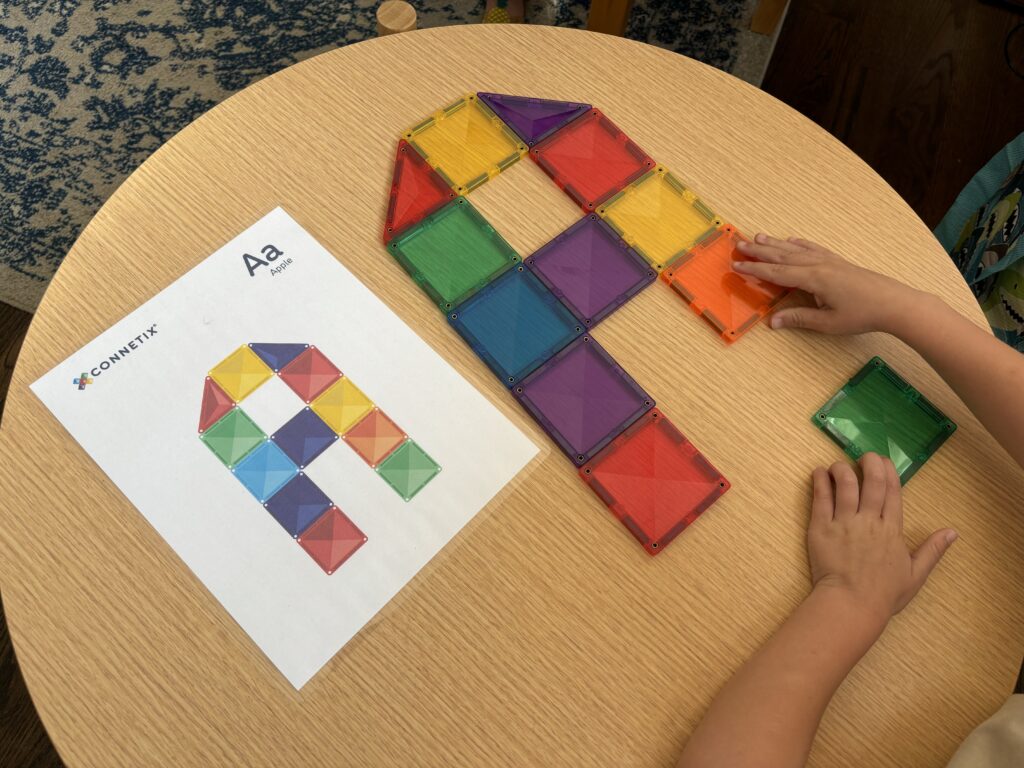
Shapes are all around us, from the rectangular frame and circular lights of the traffic lights, to tiles in a bathroom, items in the pantry and the trampoline kids absolutely love, our world is made up of shapes and they are everywhere! We encounter shapes and their attributes within all our everyday tasks, at the places we visit and even in popular nursery rhymes such as ‘round and round the garden’. In learning shapes, children develop a strong foundation that supports their learning across other academic areas such as maths, science and literacy, and also crossover with other concepts. For example, a strong understanding of shapes helps them to identify; letters and numbers, the shapes within them as well as the formation of both letters and numbers, recognise and connect 3D shapes and their nets, and support their understanding of geometry which can also be applied across other science concepts such as biology and chemistry.

Although, learning shapes doesn’t have to start when children reach school age or in a formal setting. Learning shapes, along with so many other concepts, can be made into fun, interactive games where children are immersed and engaged in play.  

Research shows that learning through play increases a child’s ability to consolidate and retain information, as well as taking fewer repetitions to learn in comparison to traditional methods of teaching.

Here’s 8 ways you could introduce and learn about shapes together in hands-on, exploratory activities. 

Activity Ideas using CONNETIX

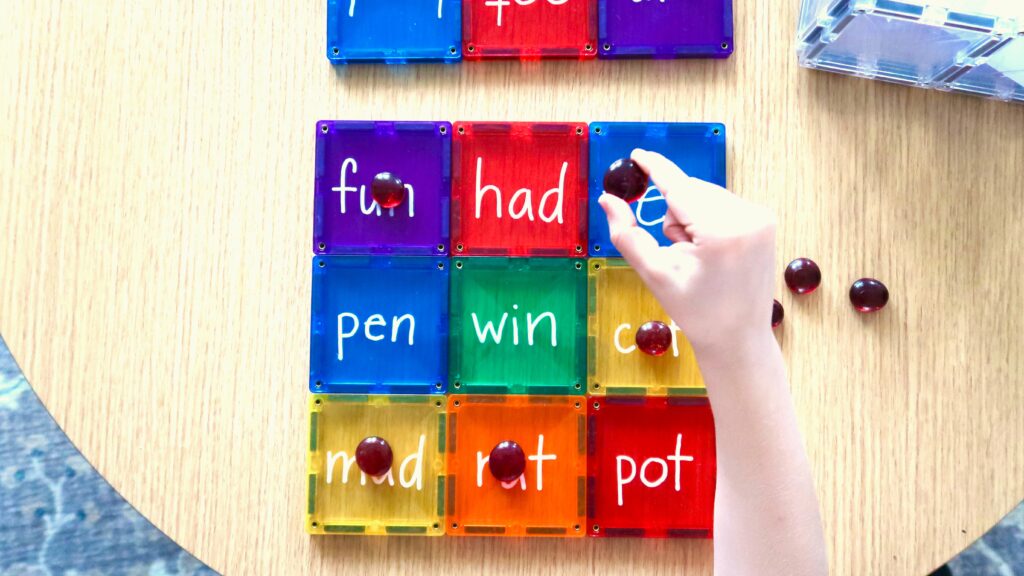
1. Shape Matching using Outlines

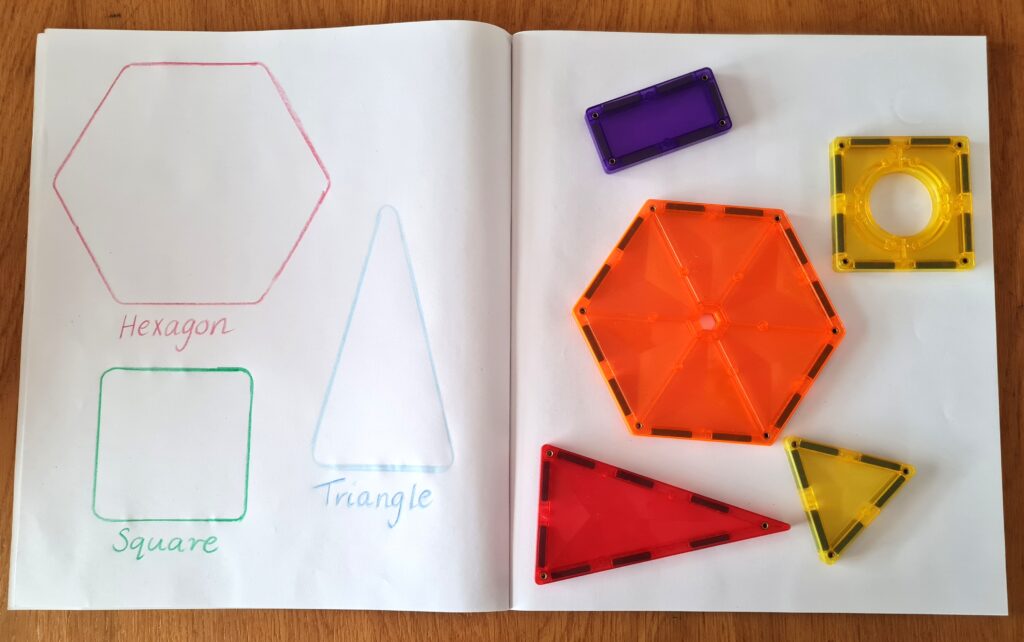
Using a range of materials to pre-draw the outlines of shapes, have children match them by placing the corresponding CONNETIX shape over the top of the outline. Your pre-drawn shapes could be created by using:

  • Pencils or textas in books
  • Masking tape on the walls, table or floors
  • Chalk markers on windows or mirrors

2. Shape Matching against a Window

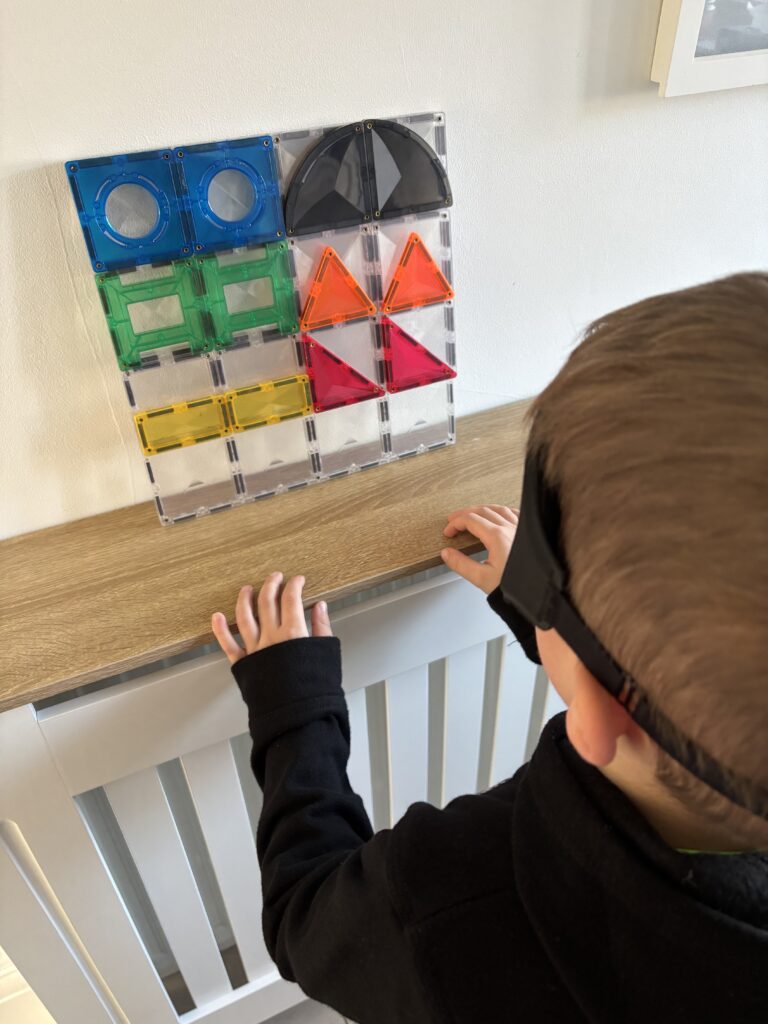
Take a collection of shapes and make two matching piles. Sitting on opposite sides of a window or glass door, hold a tile against the glass. Your child will then need to match the shape that’s been held up and connect the two together against the glass. Then, take turns choosing different shapes to hold up and match, naming them as you go. 

3. Shape Bingo

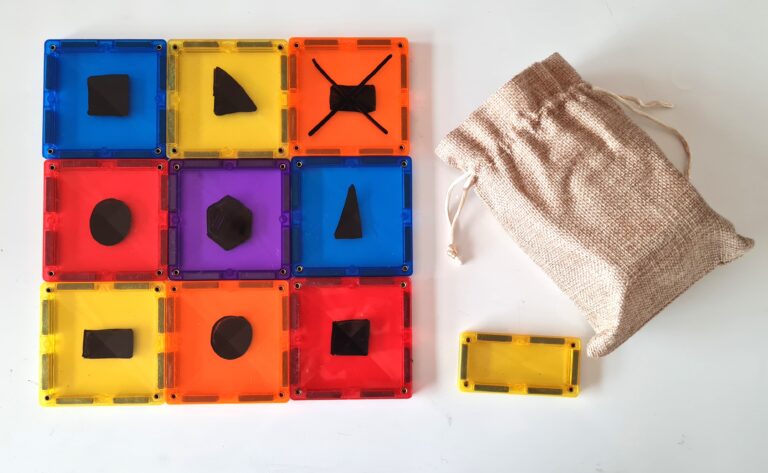
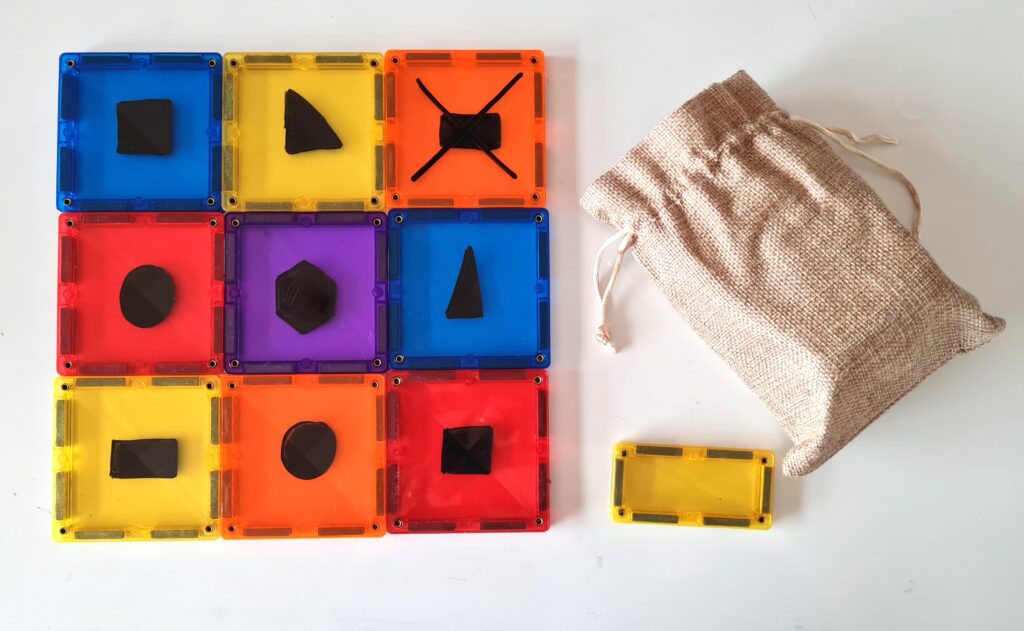
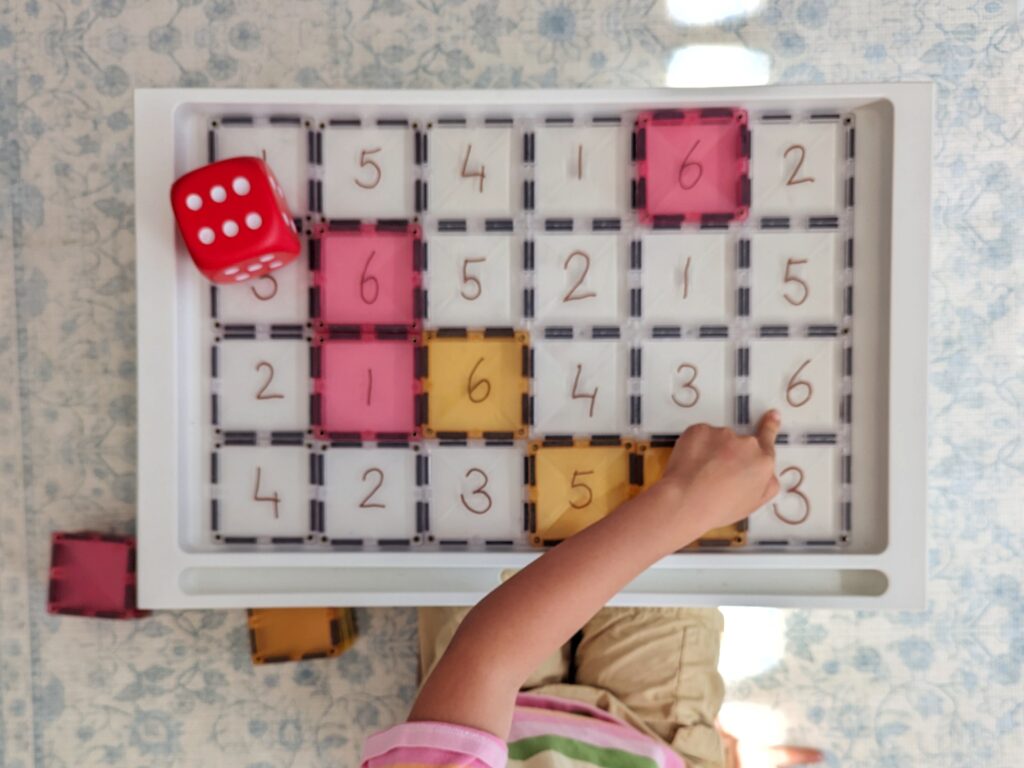
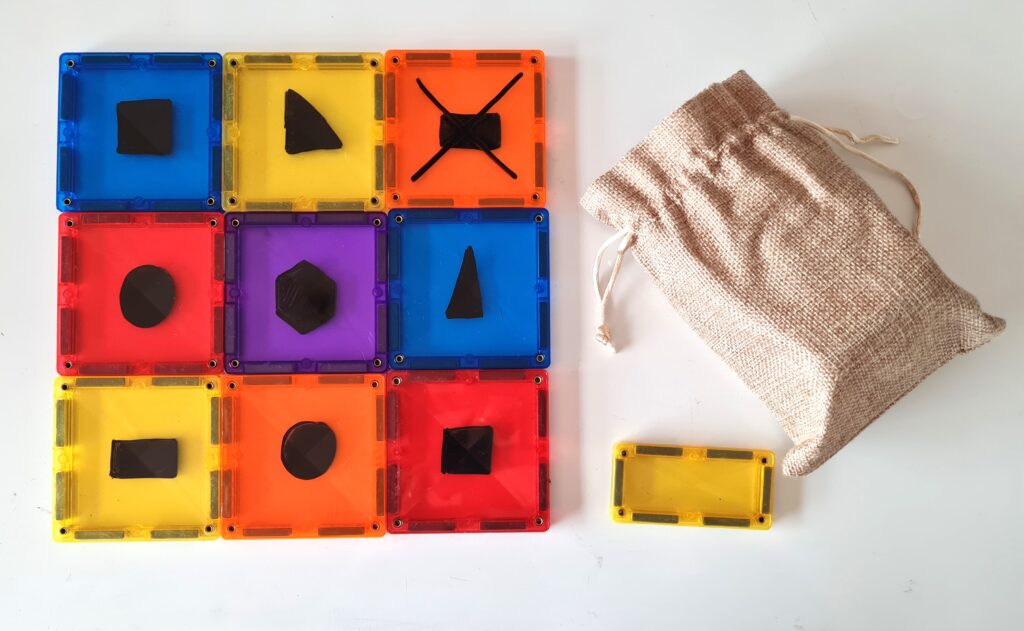
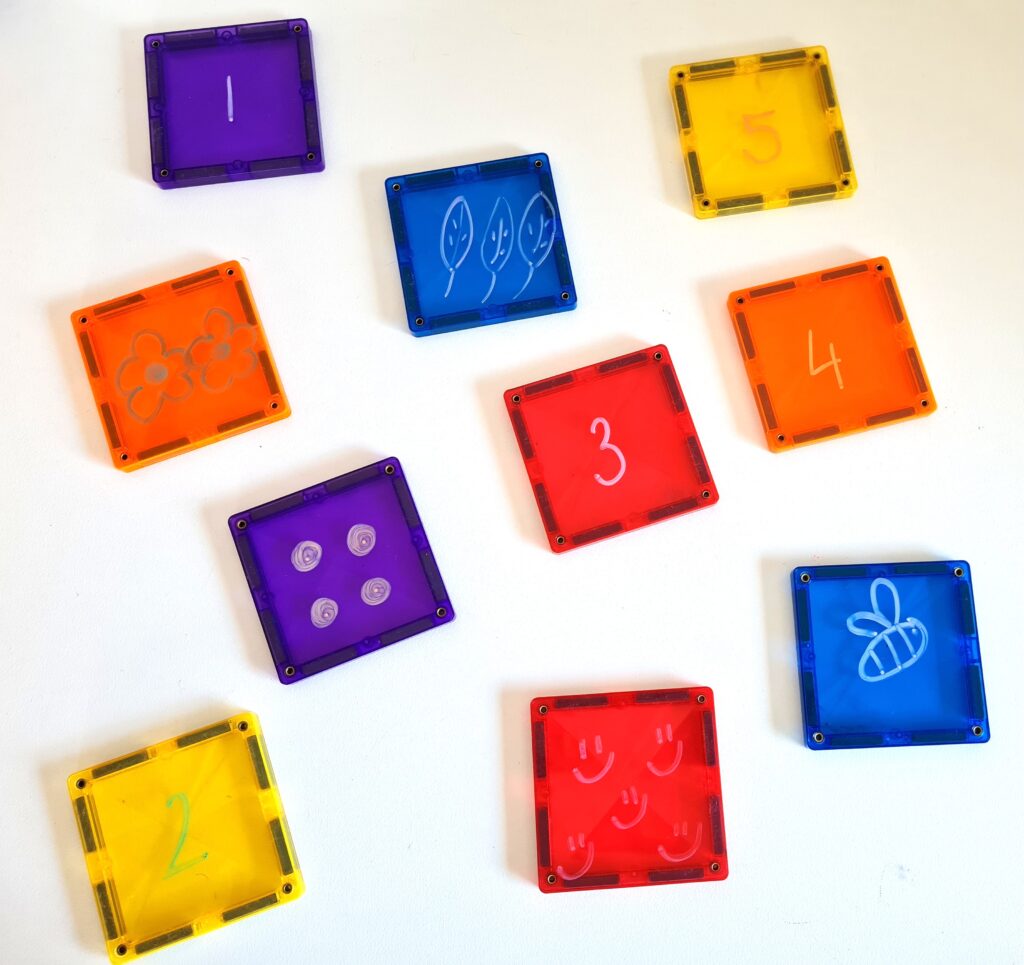
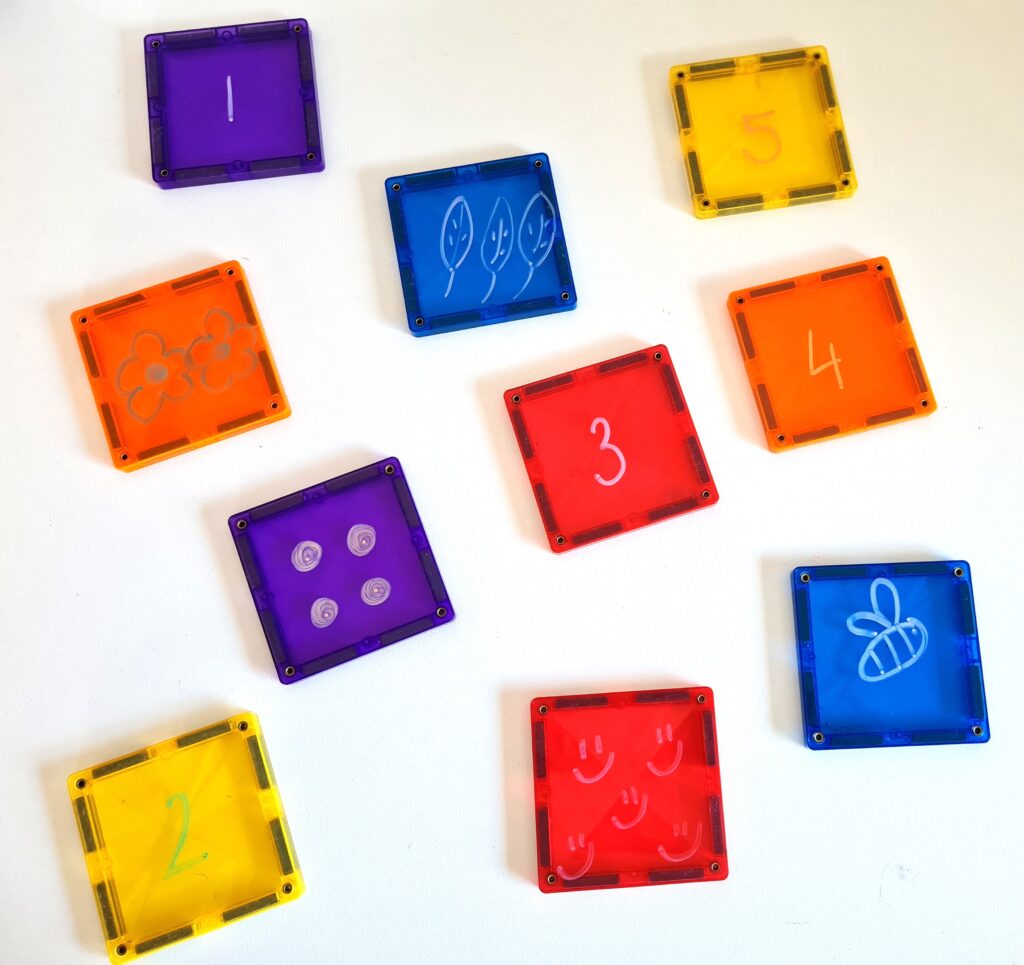
Using a range of square tiles as the playing board, draw different shapes on each tile using chalk markers. Place all the corresponding shapes used for the game into a box or bag that can’t be seen through. Together, pull one shape out at a time and see if it matches any on the board. Name the shape then cross it off until you’ve found them all. 

4. Shapes Hunt around the Home

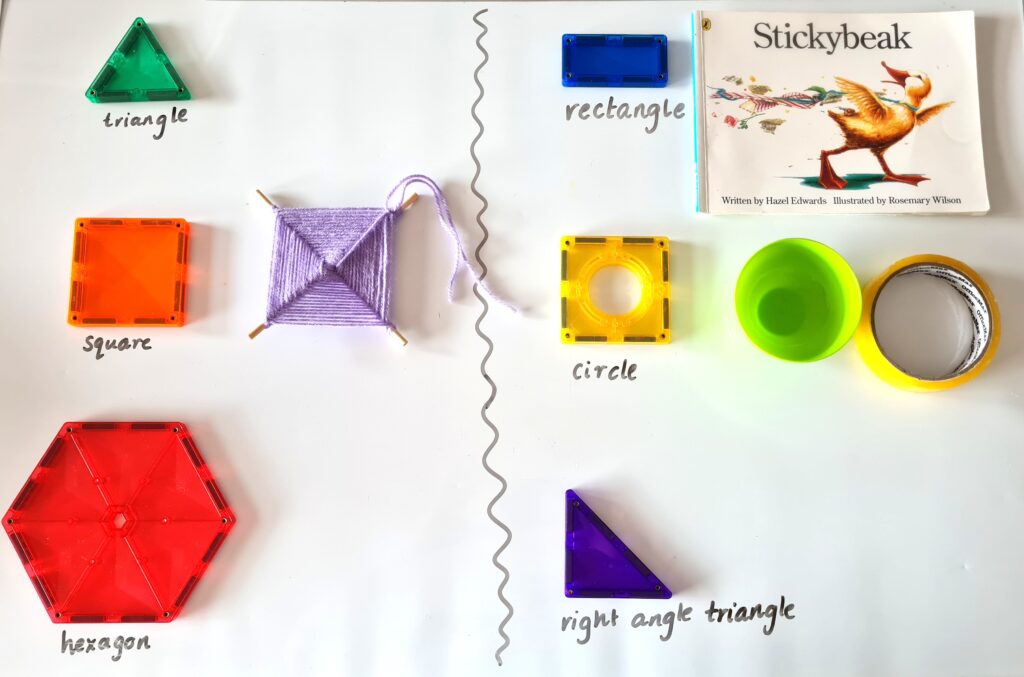
Ask children to find different items around the house that match a set of given shapes. You might set up columns on a whiteboard and ask them to find and bring back 3 household items for each shape.

Alternatively, you could give them 3 of each shaped tile and ask them to place the tiles around the house next to items they’ve found. After children have participated in the shape hunt you can discuss the shape’s properties as well as similarities and differences between what they’ve found. Open-ended tasks that get kids thinking for themselves are always fun and engaging. Children are encouraged to discover knowledge for themselves rather than being given the answer. You will probably be surprised at what they already know without having to be explicitly taught too!

5. Drawing Shapes

CONNETIX are perfect to trace around! You could:

  • Use a scrapbook or cardboard with pencils or crayons
  • Take children outside and use chalk on the pavement, the fence or even bricks
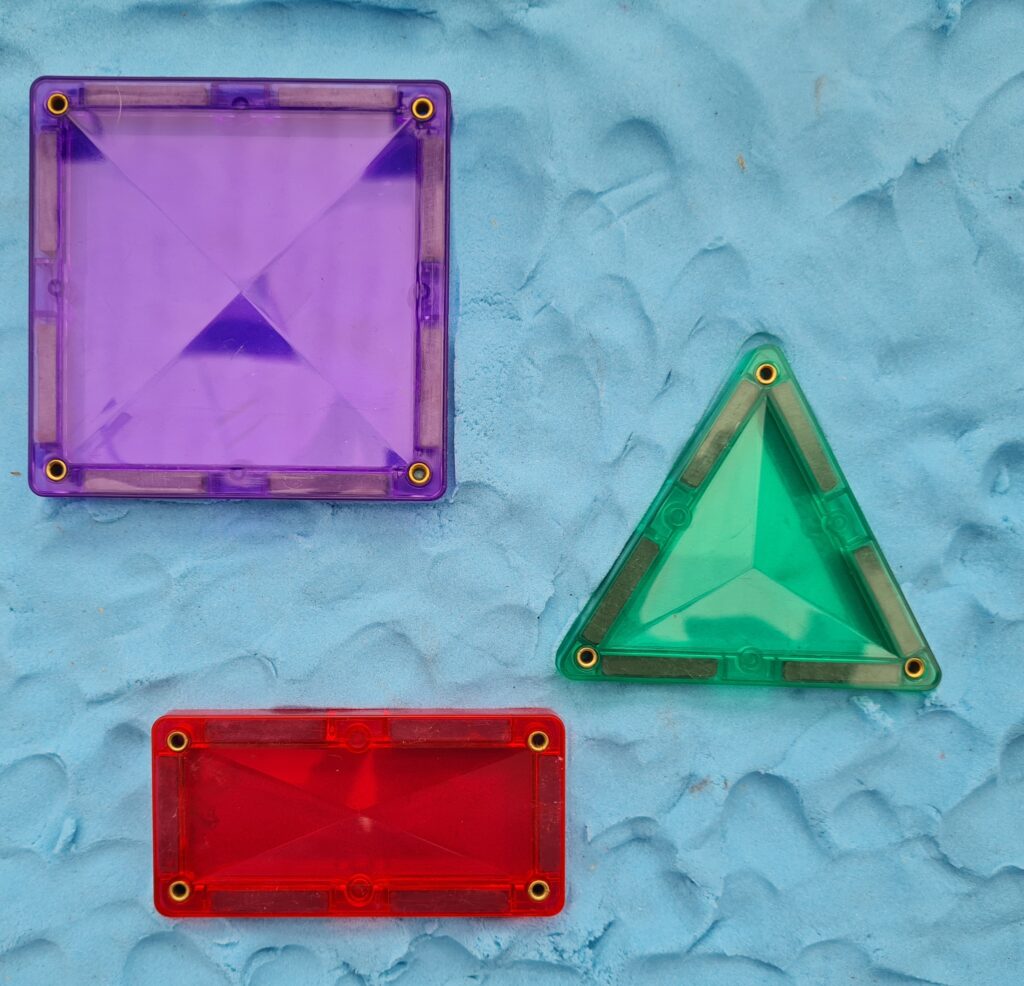
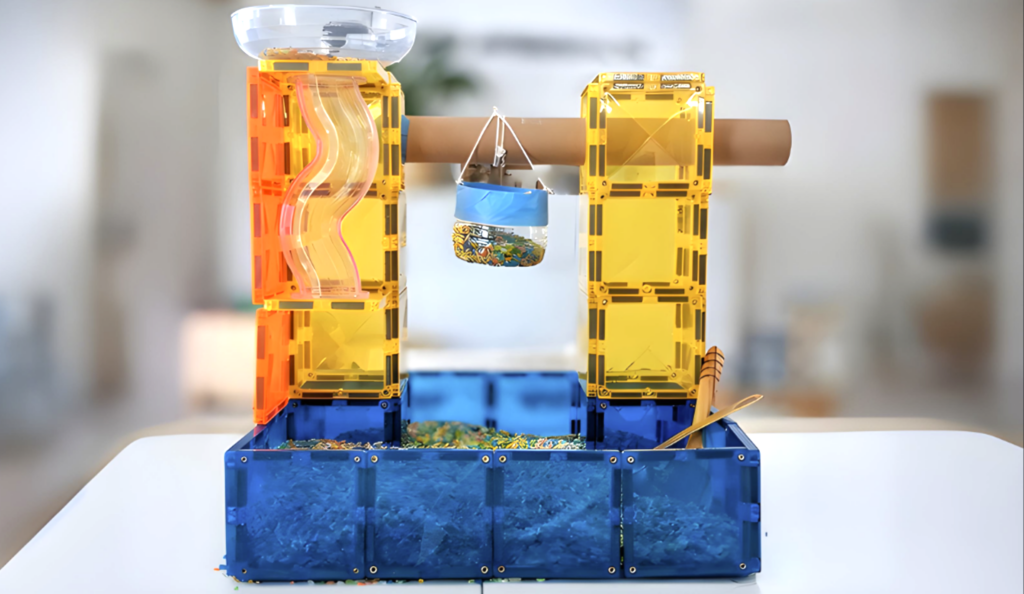
  • Place different shaped tiles in sensory boxes with items such as rice or sand and trace around them with fingers
  • Use masking tape as a tracing tool around different shapes 

After children have had a go at tracing shapes, they could then try to draw these again freely, using their traced shapes for support to refer back to. 

6. Building Shapes out of other Shapes

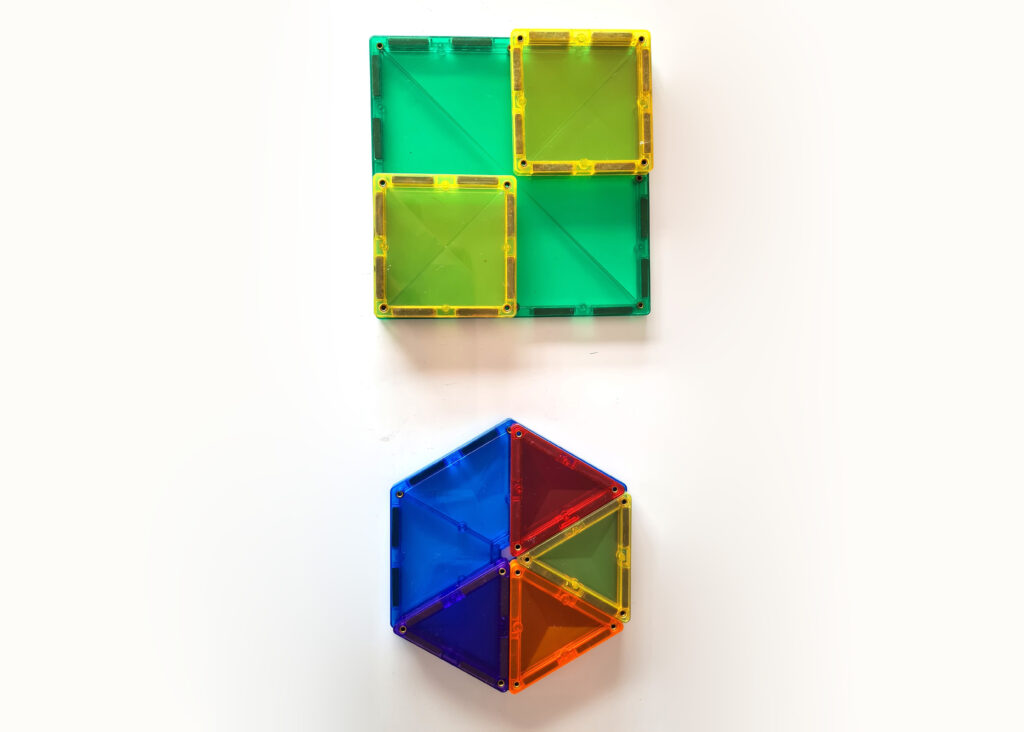
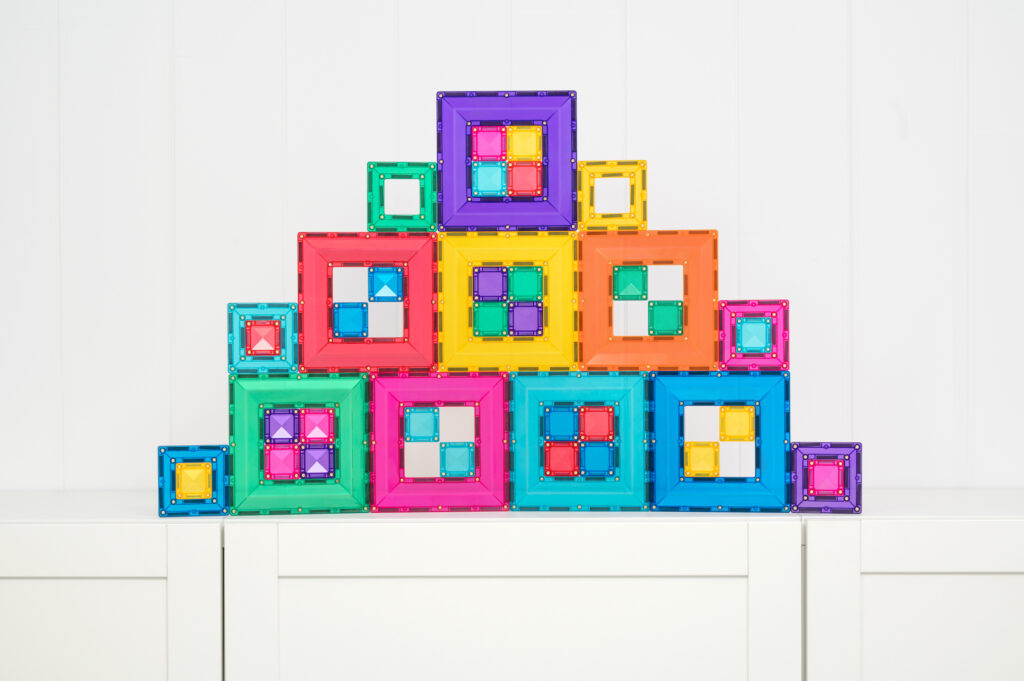
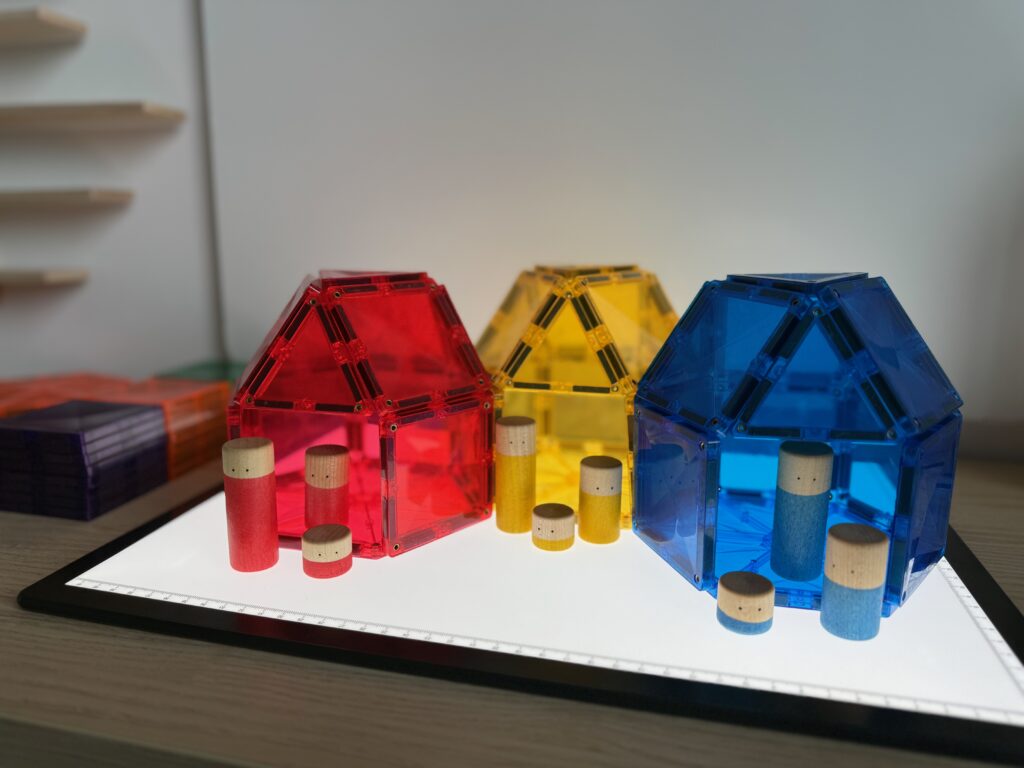
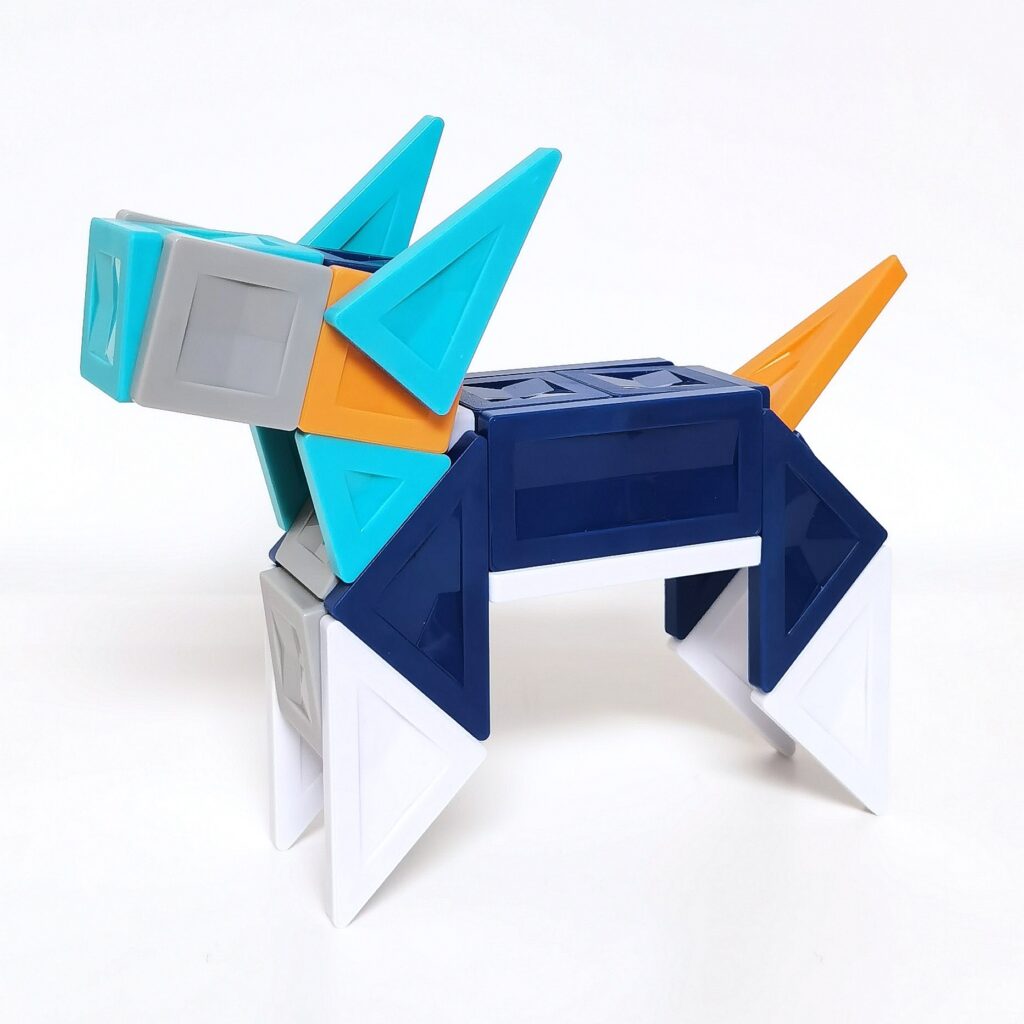
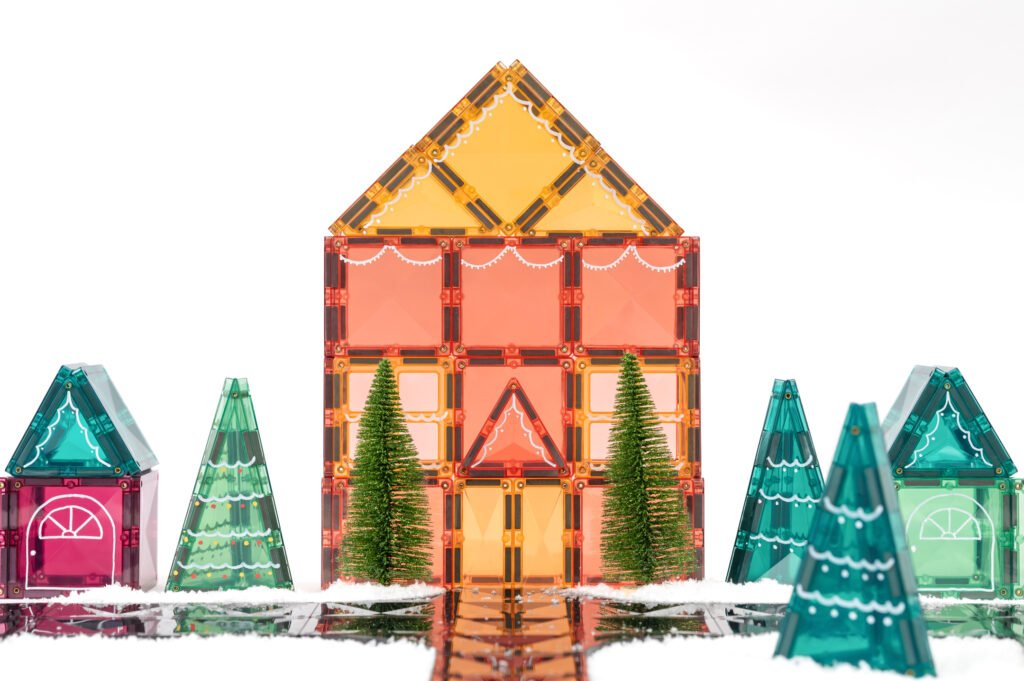
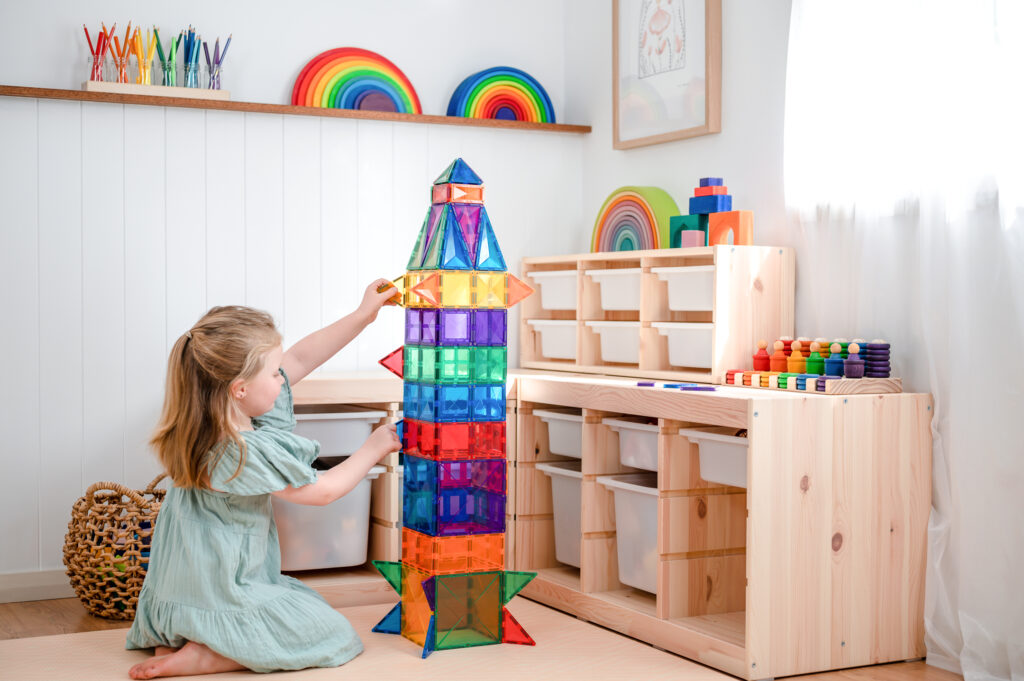
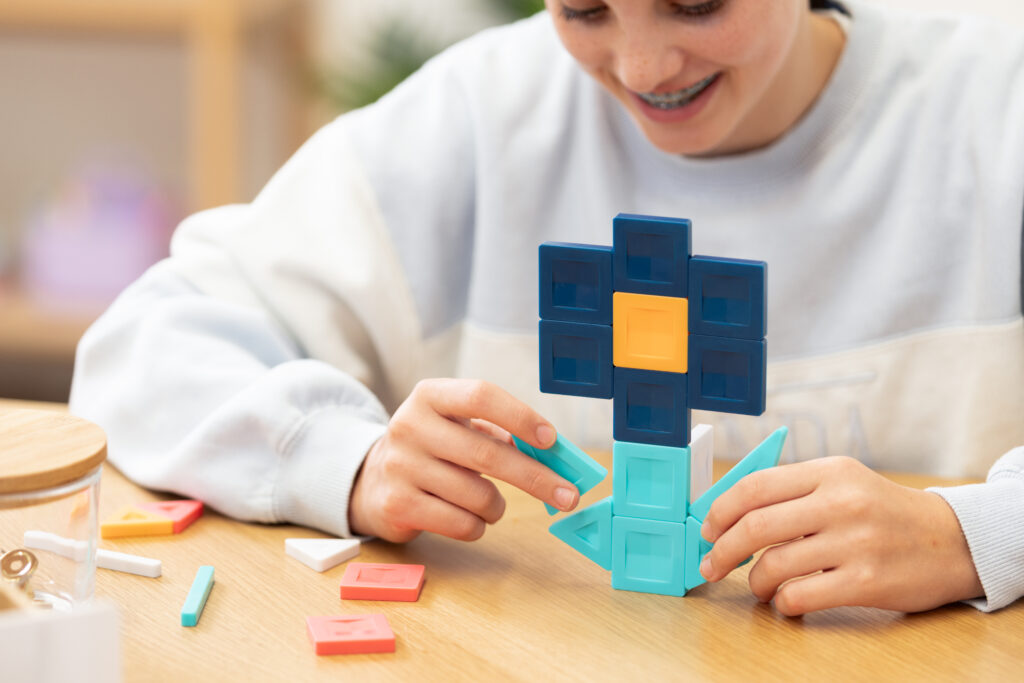
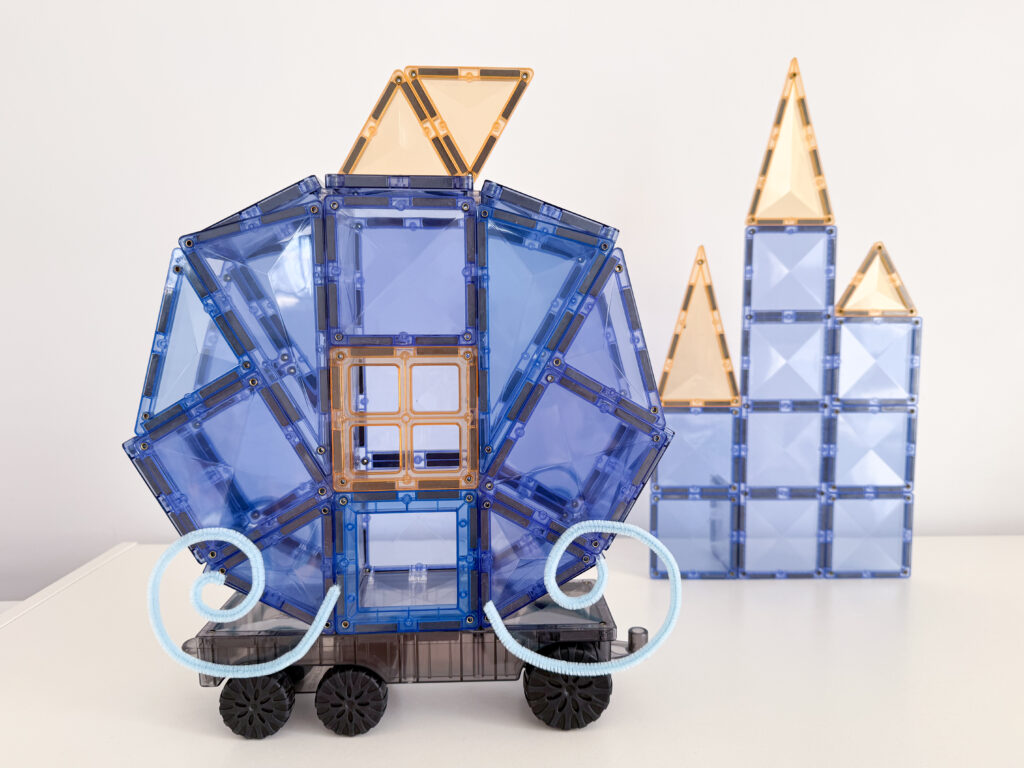
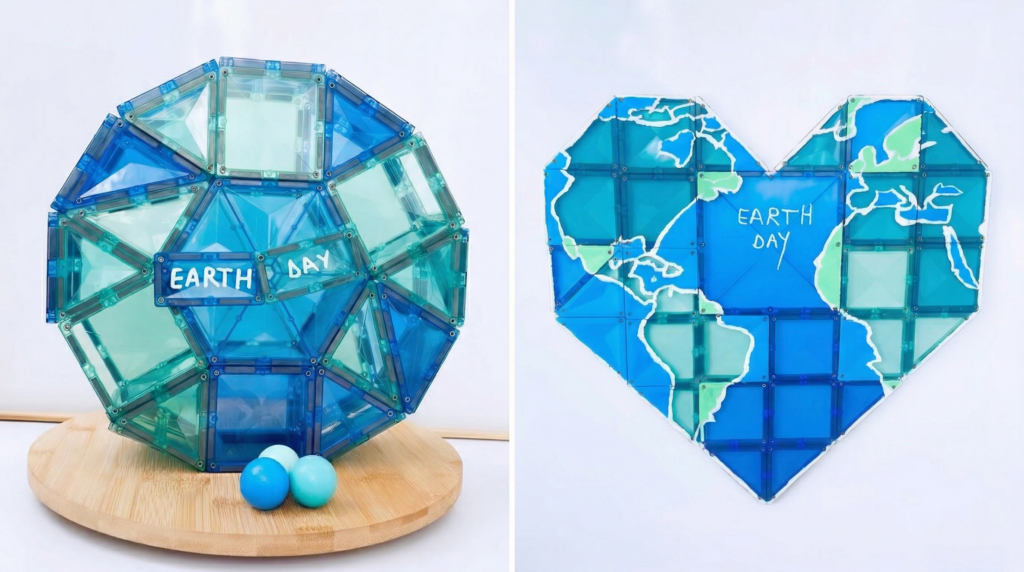
Using a range of smaller shapes, children can work alongside an adult or be encouraged to build larger shapes from smaller shapes. For example, four small square tiles make one large square tile, or two right-angled triangles make a square. 

7. Tangrams and Pictures

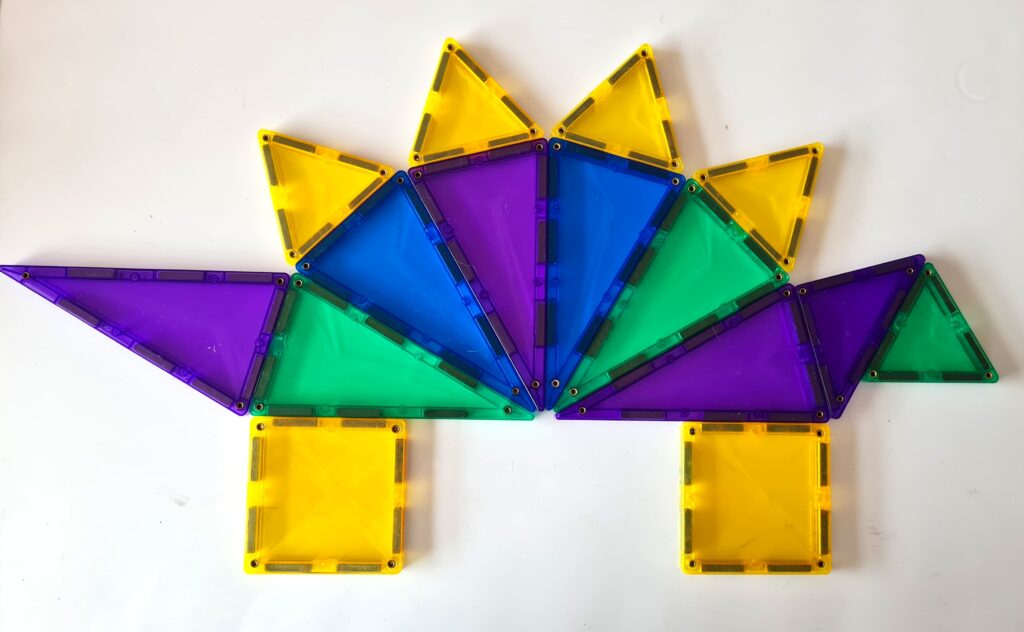
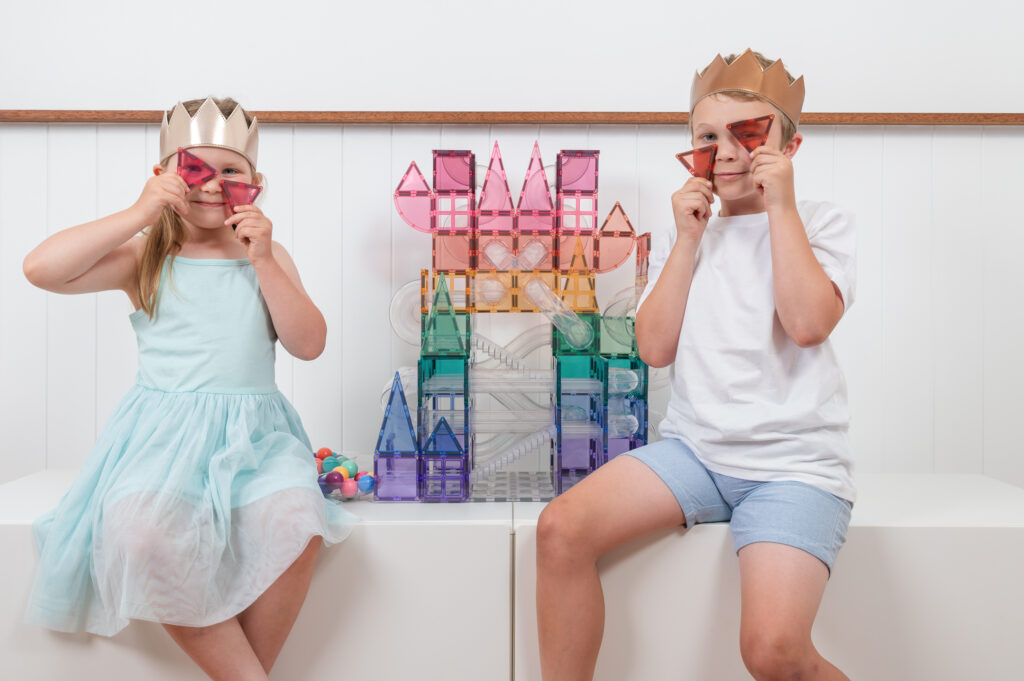
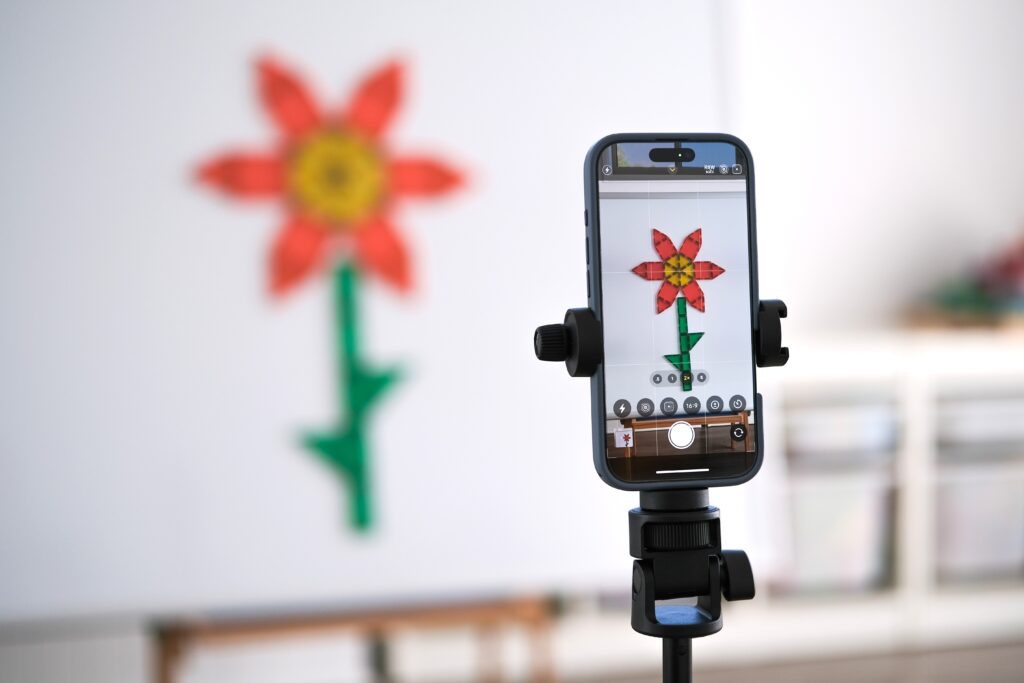
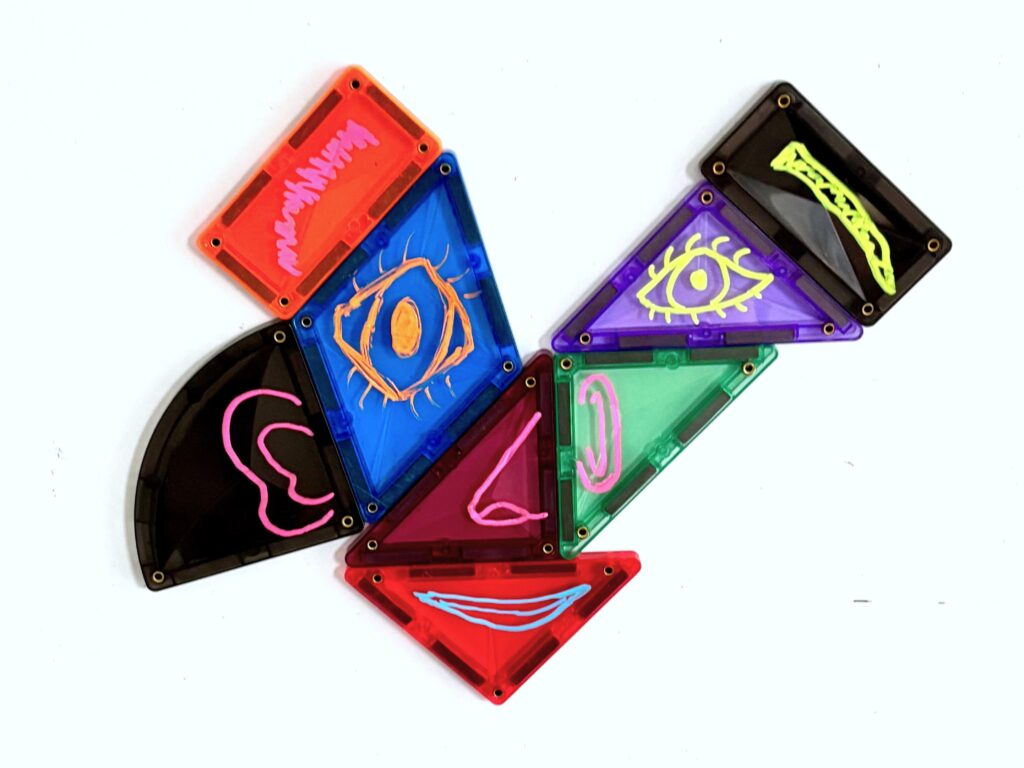
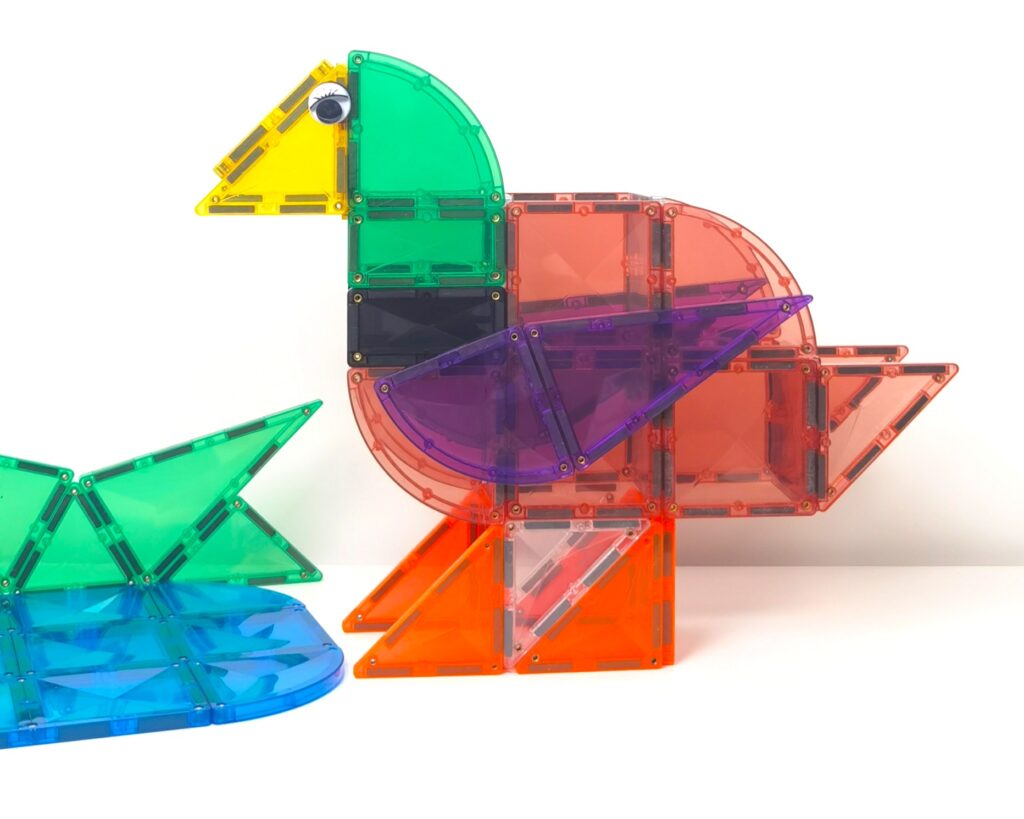
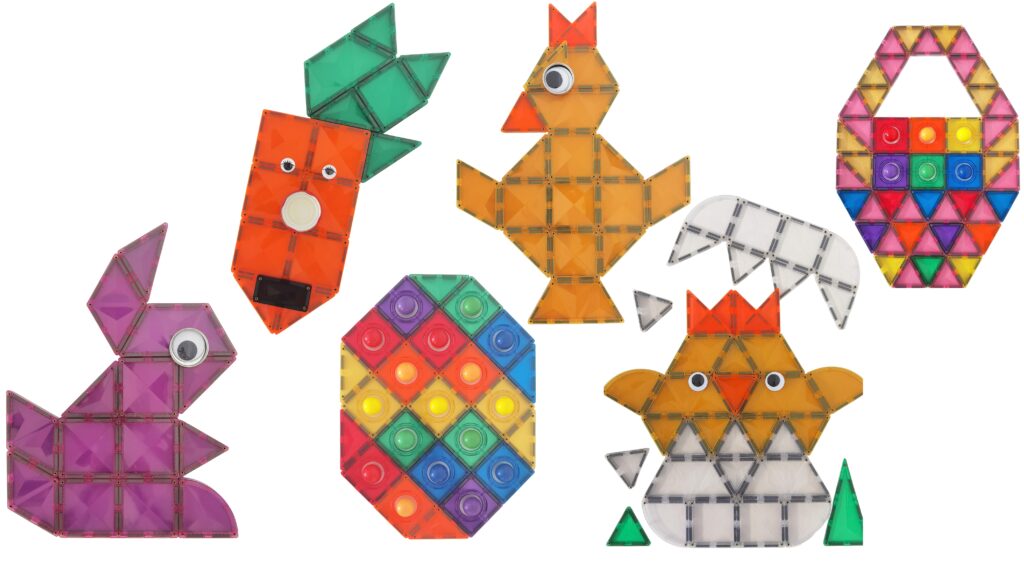
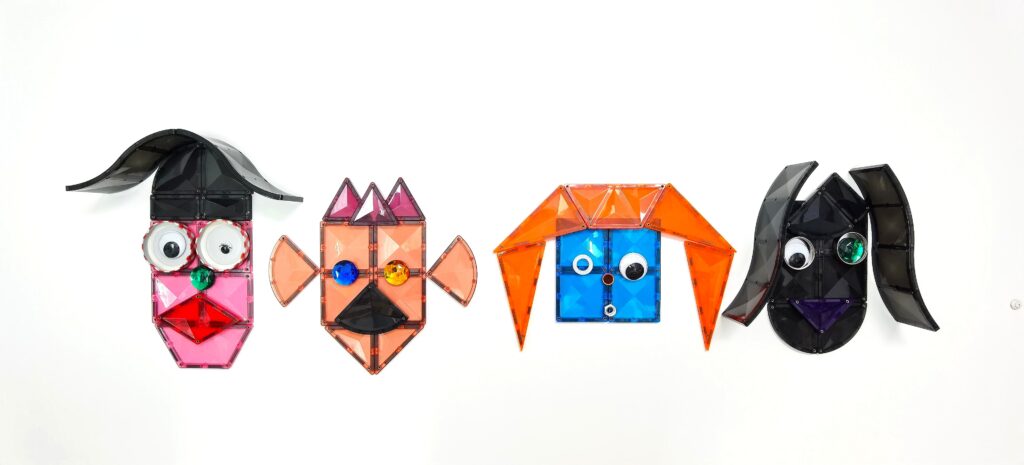
Using the free CONNETIX educational resources  or by searching the internet for different tangram pictures, you can build different pictures using a range of shapes. You might like to substitute and replace different shapes and see if the image still looks the same. You could even try making your own image using a range of different shapes too. While making these images you can discuss the shapes you’re using and also integrate other learning concepts such as counting the shapes or naming colours. 
8. Patterns

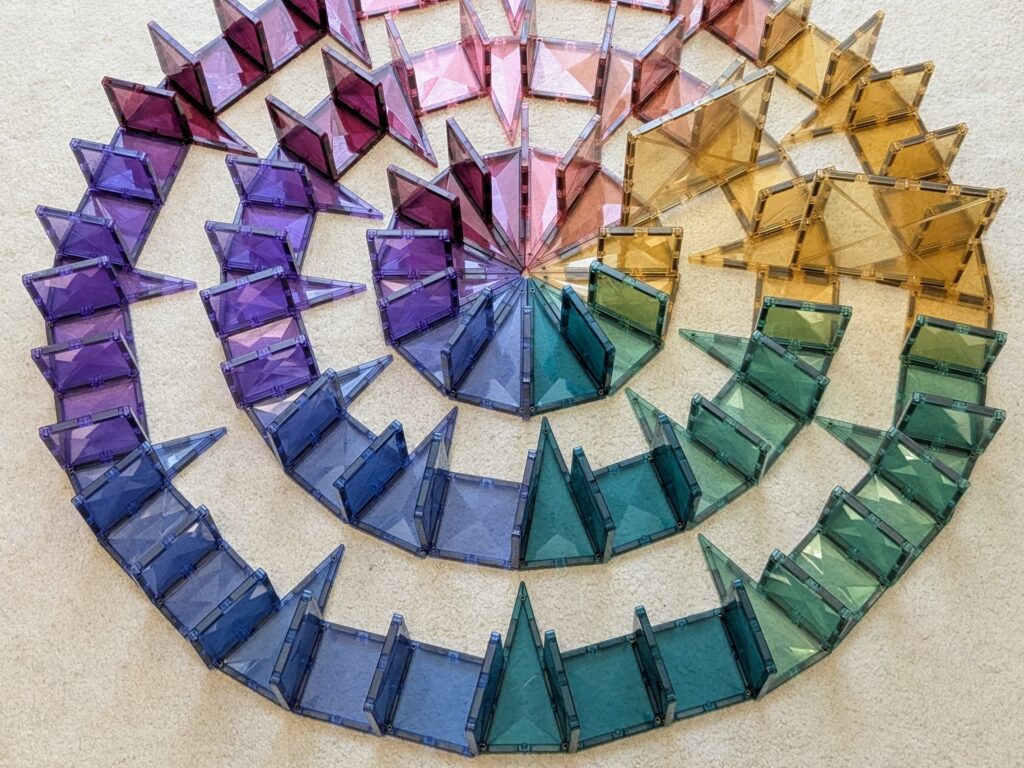
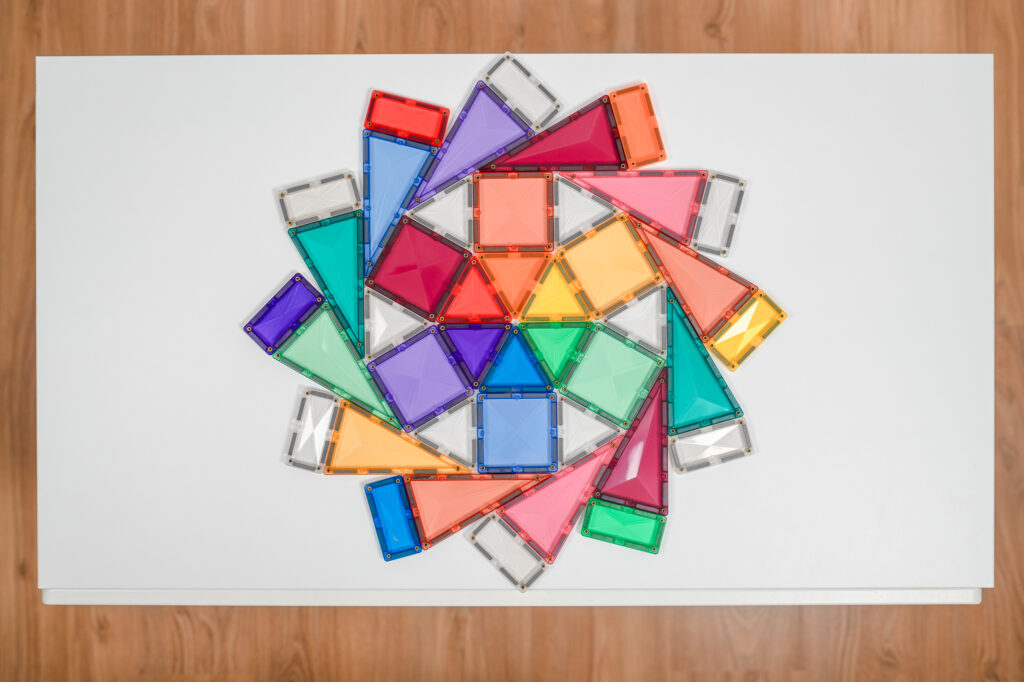
Shapes can be used to create patterns. Laying out a range of shapes and then asking children to mimic the pattern or continue it can be an interactive, hands-on way to learn about the names and differences between shapes. You could also ask them to design their own pattern and see what they create.

All of these activities can elicit discussions around:

Benefits of Learning Shapes

Learning shapes provides children with a range of academic related skills as well as other important life skills. These include:

  • Spatial skills and spatial awareness
  • Visual literacy
  • Making sense of the world by making connections to what they already see around them
  • Hand-eye coordination and motor skill development
  • Language development
  • Categorising, classifying and organising skills
  • Foundational math skills that also intertwine with other learning areas


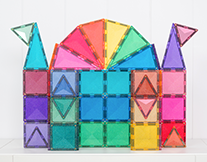
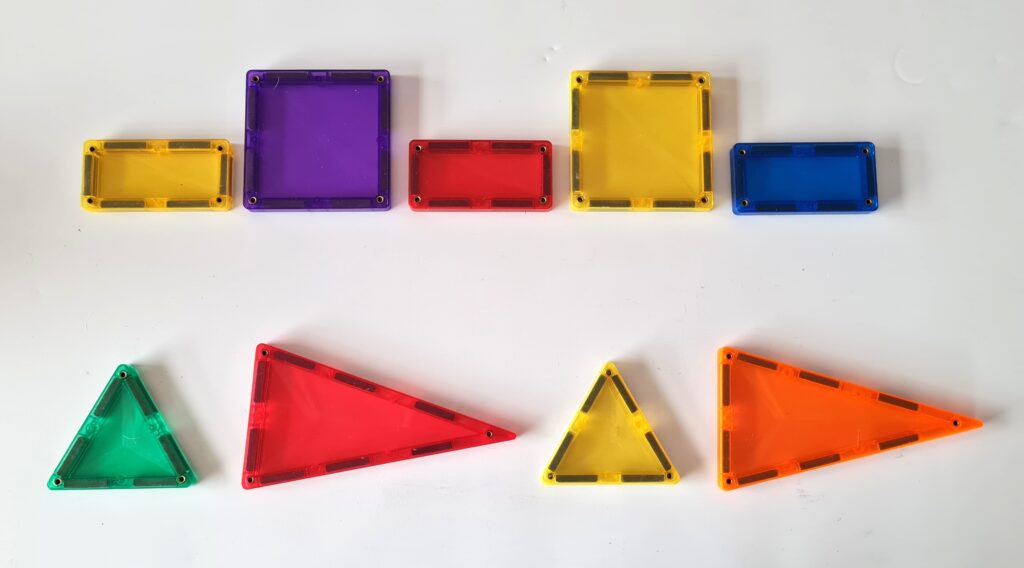
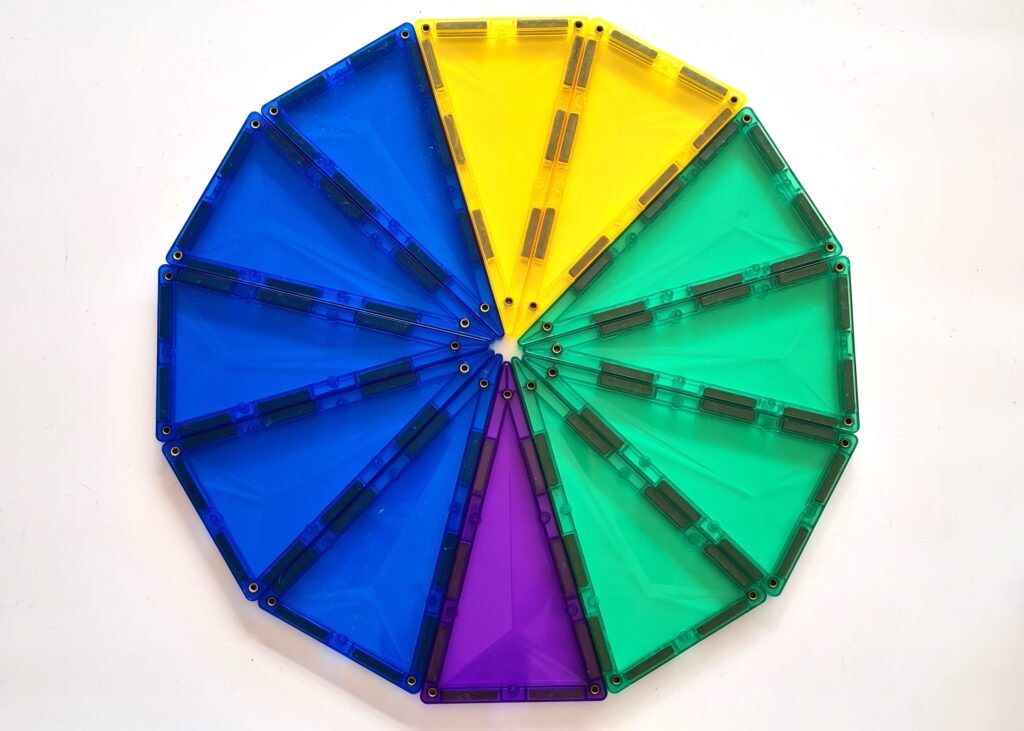
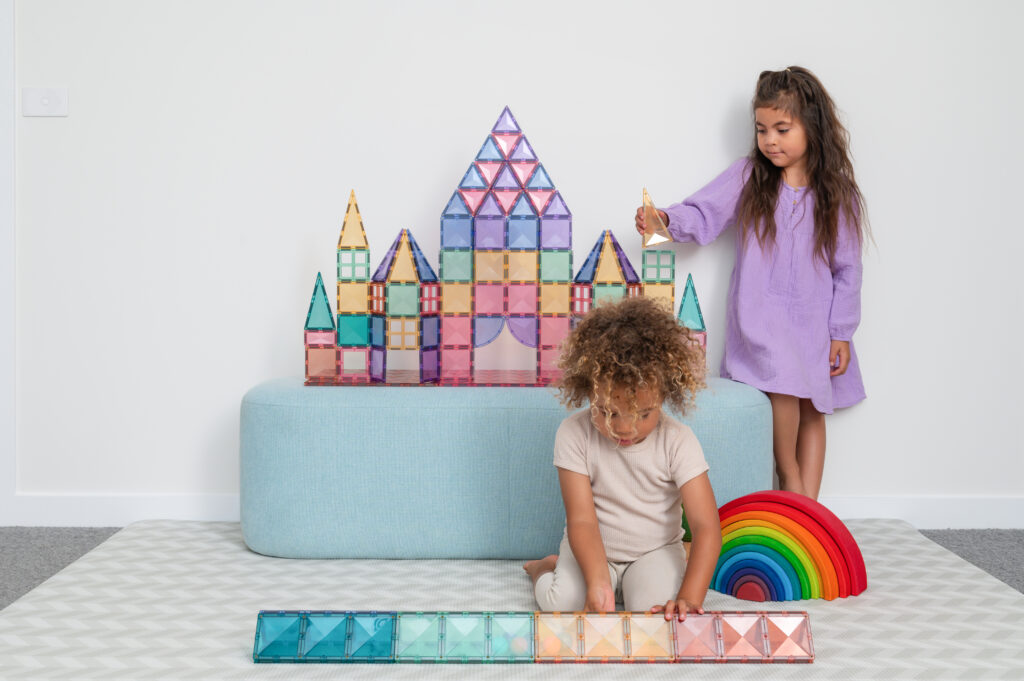
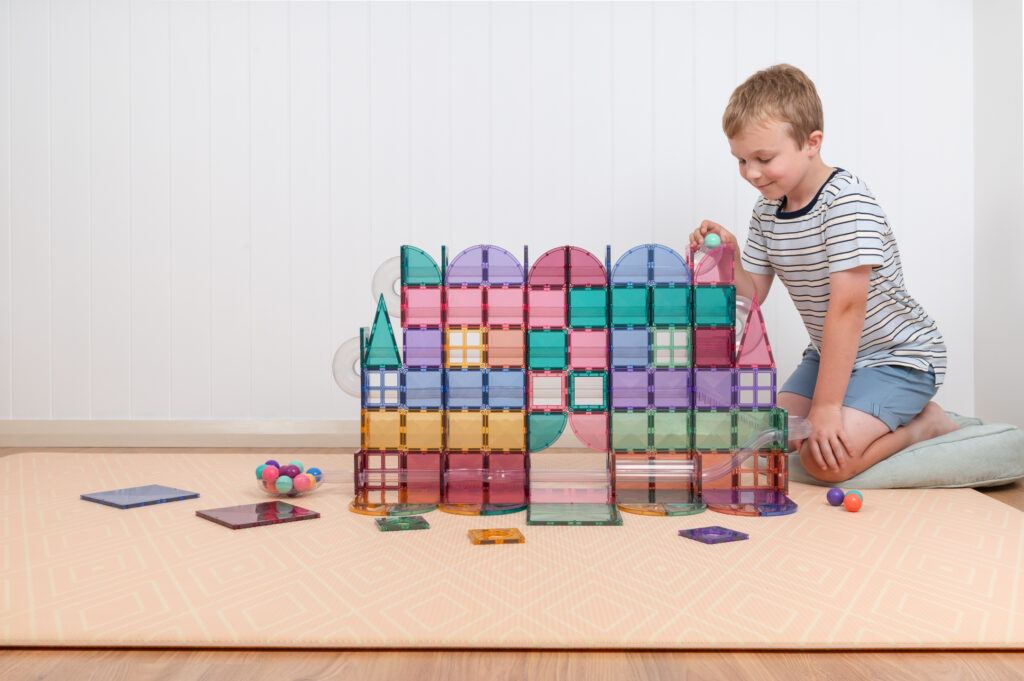
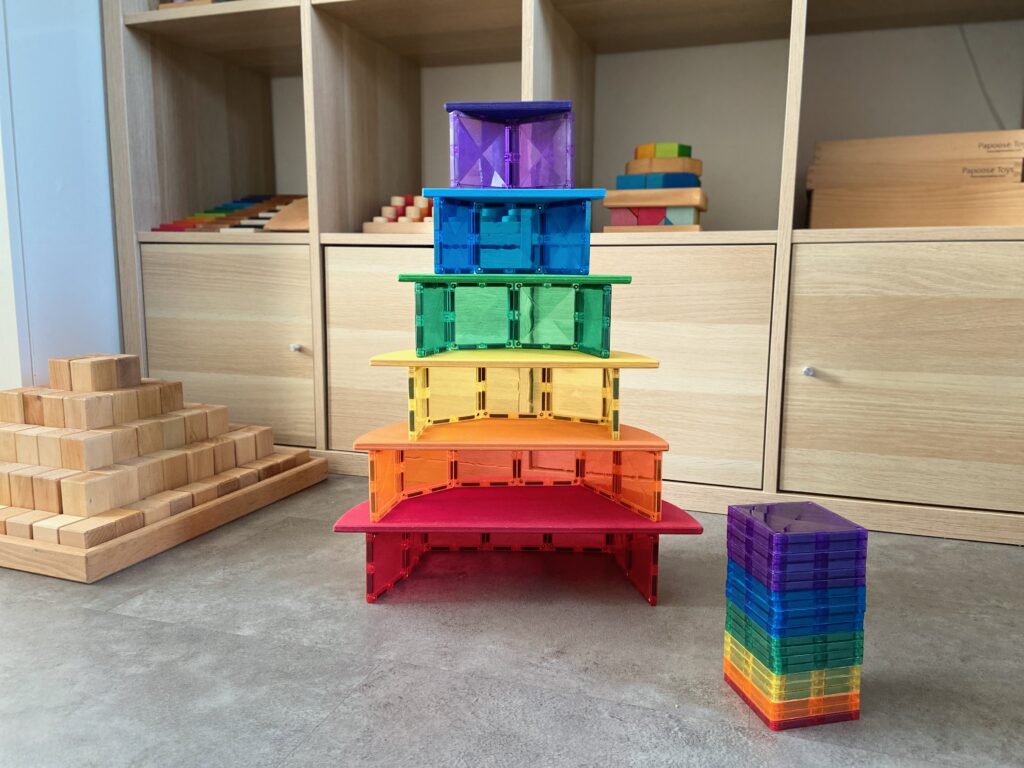
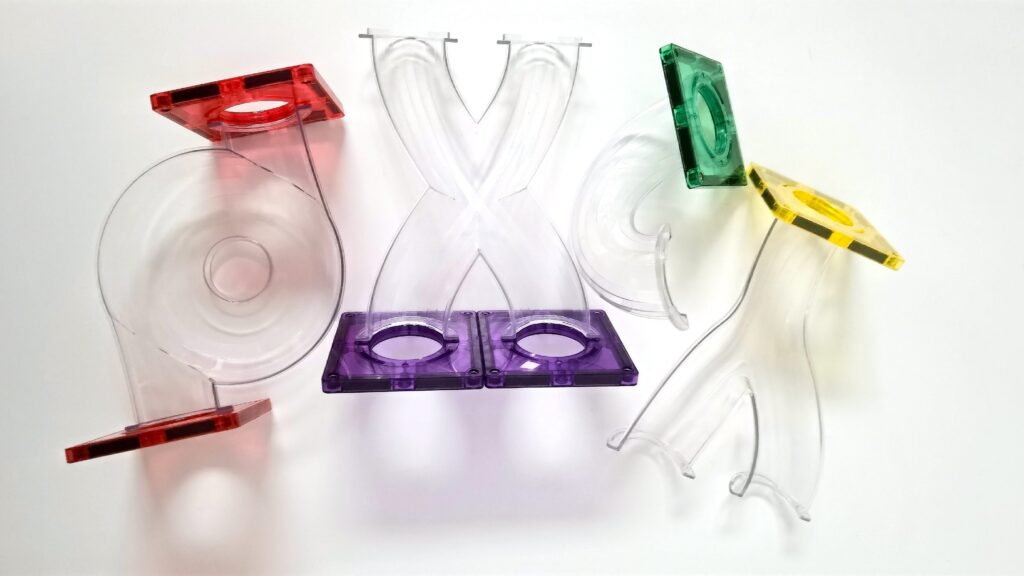
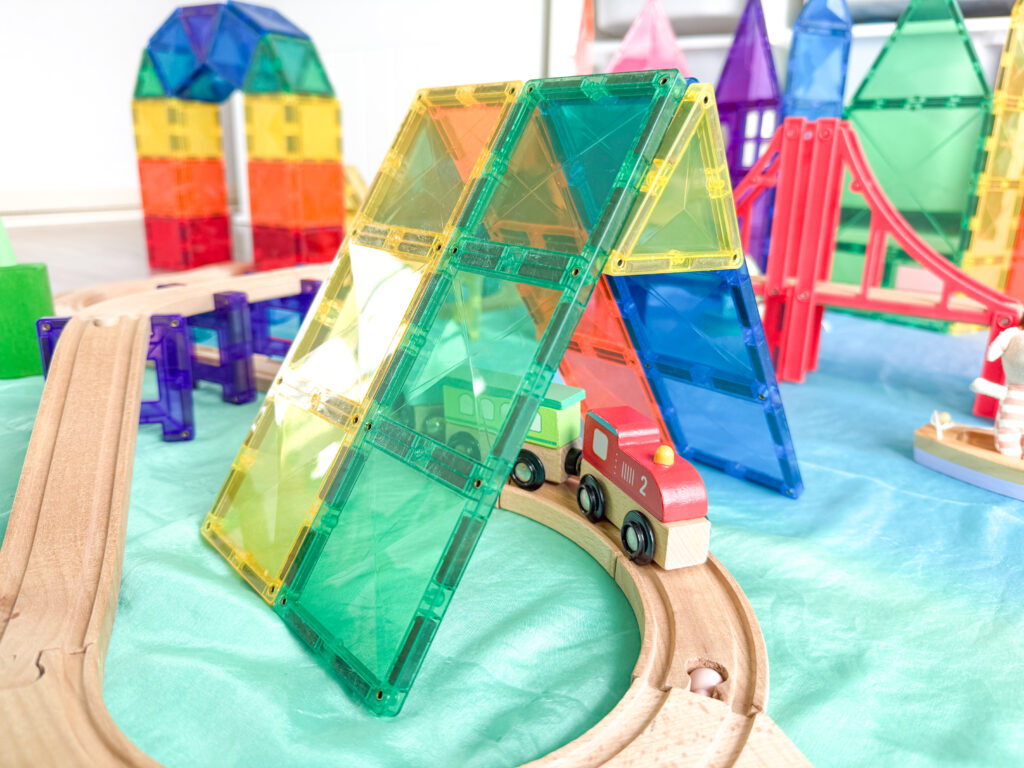
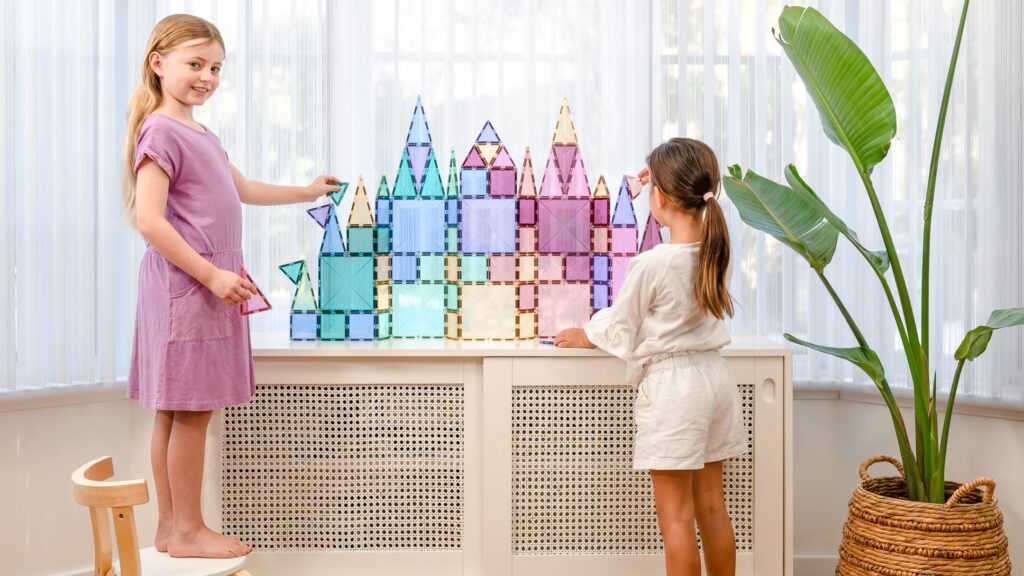
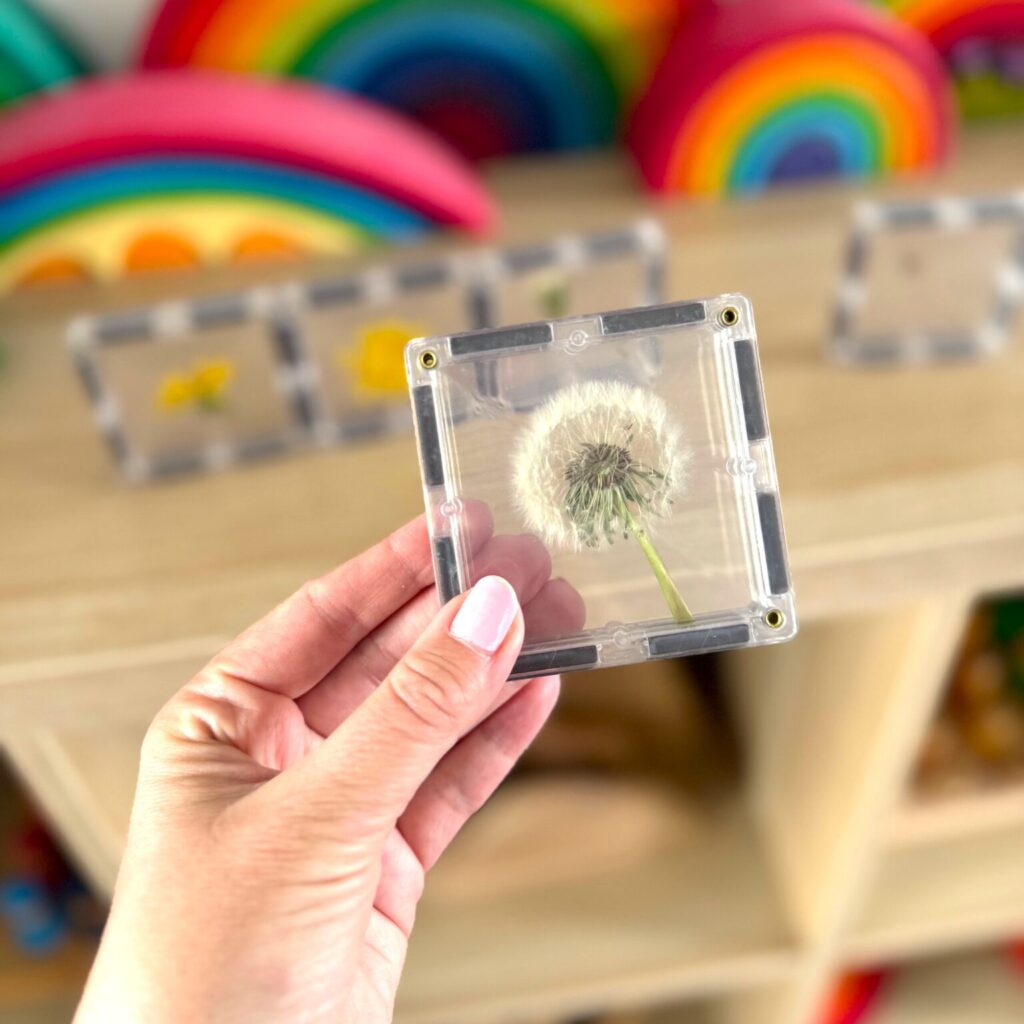
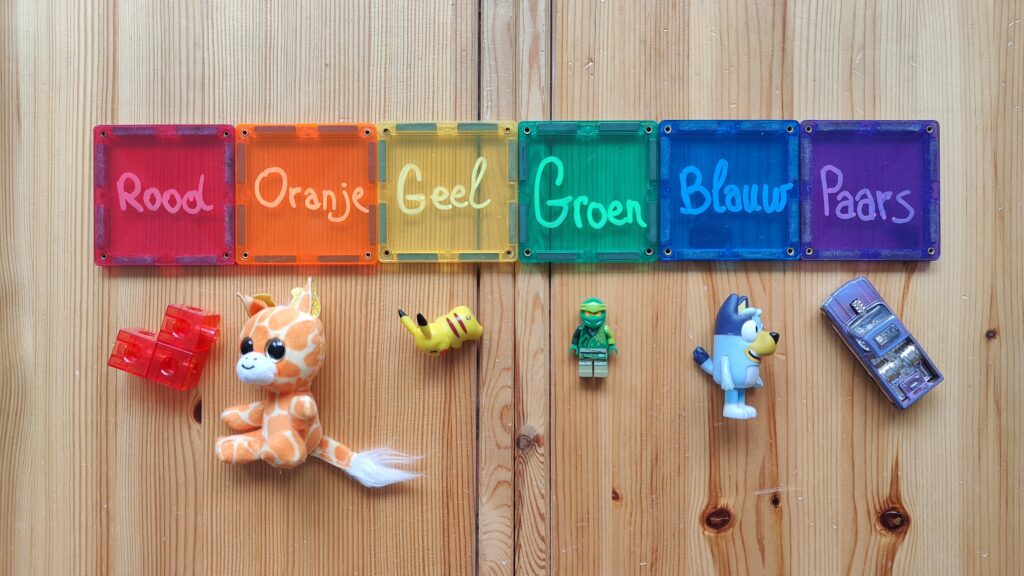
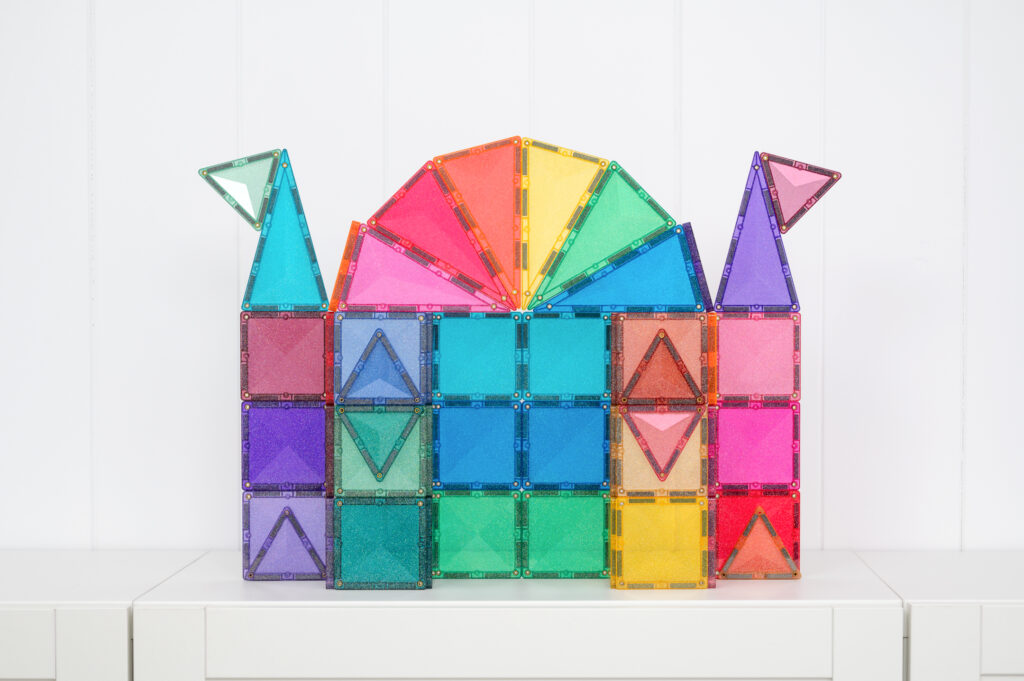
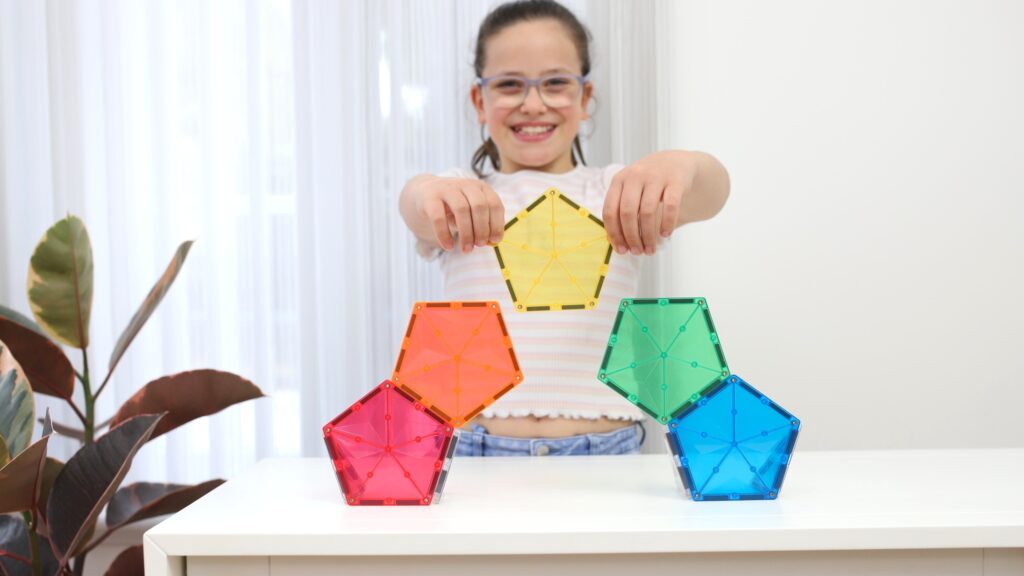
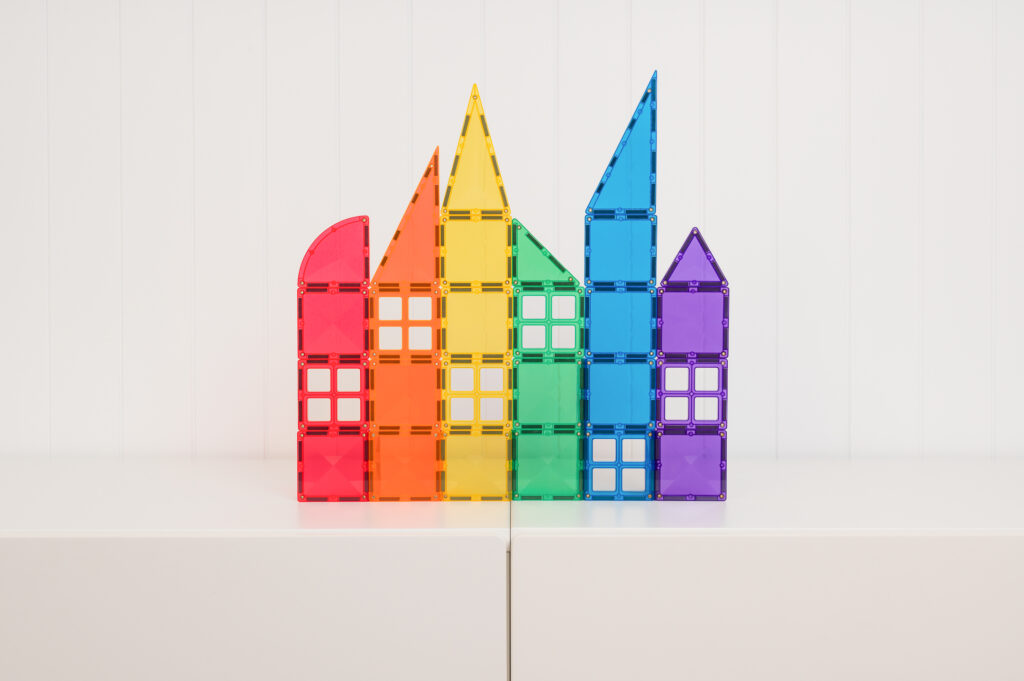
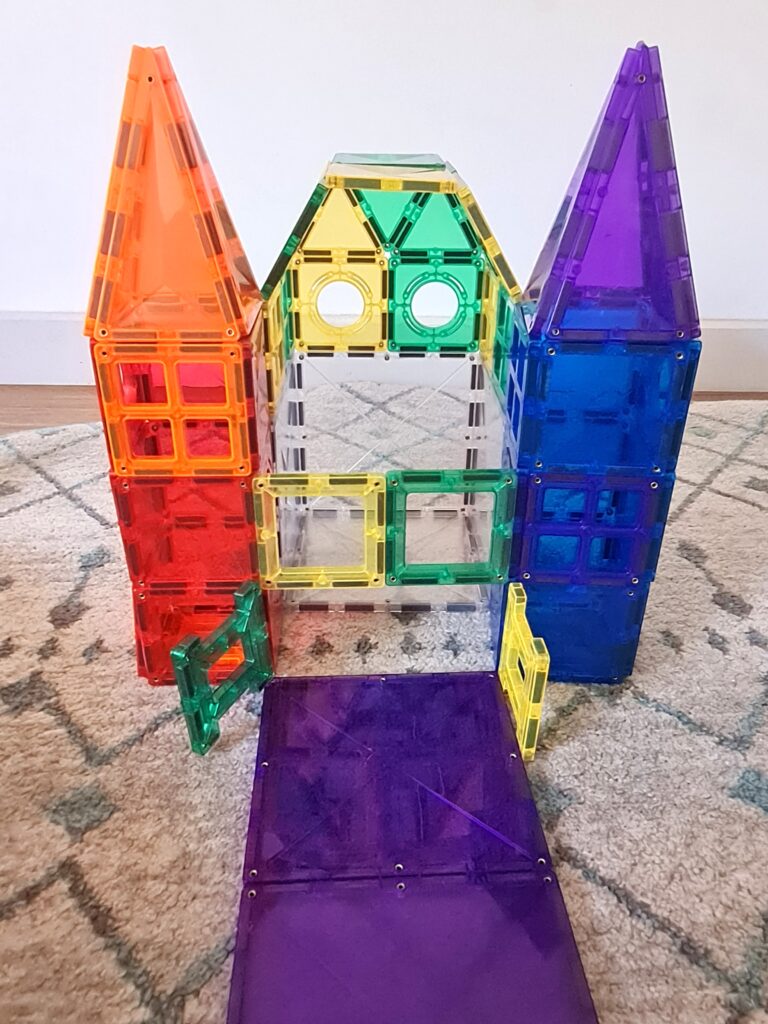
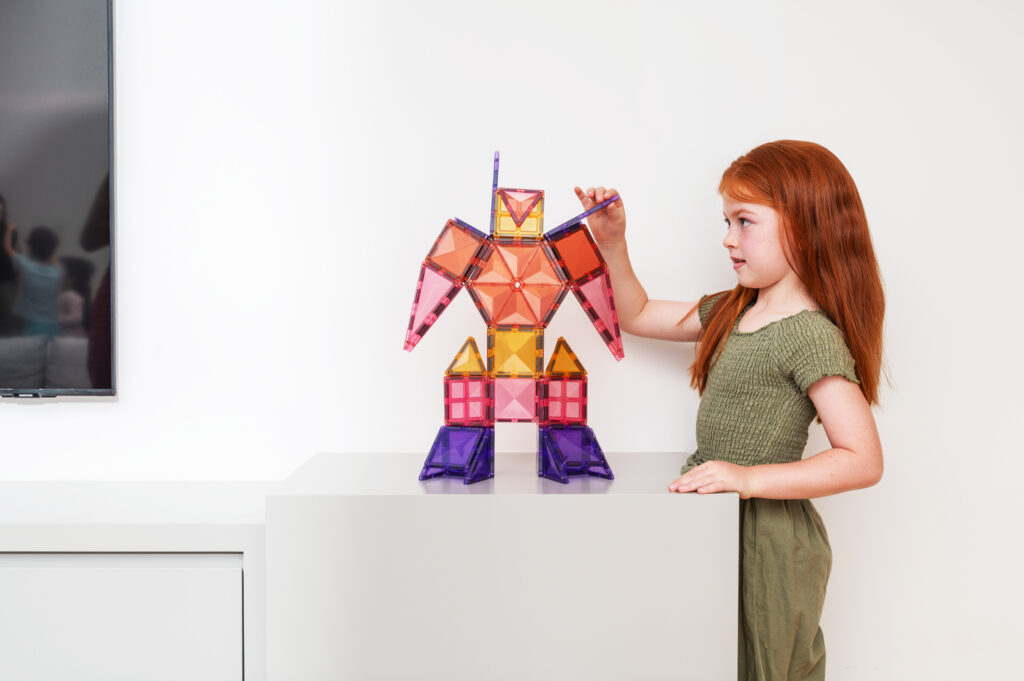
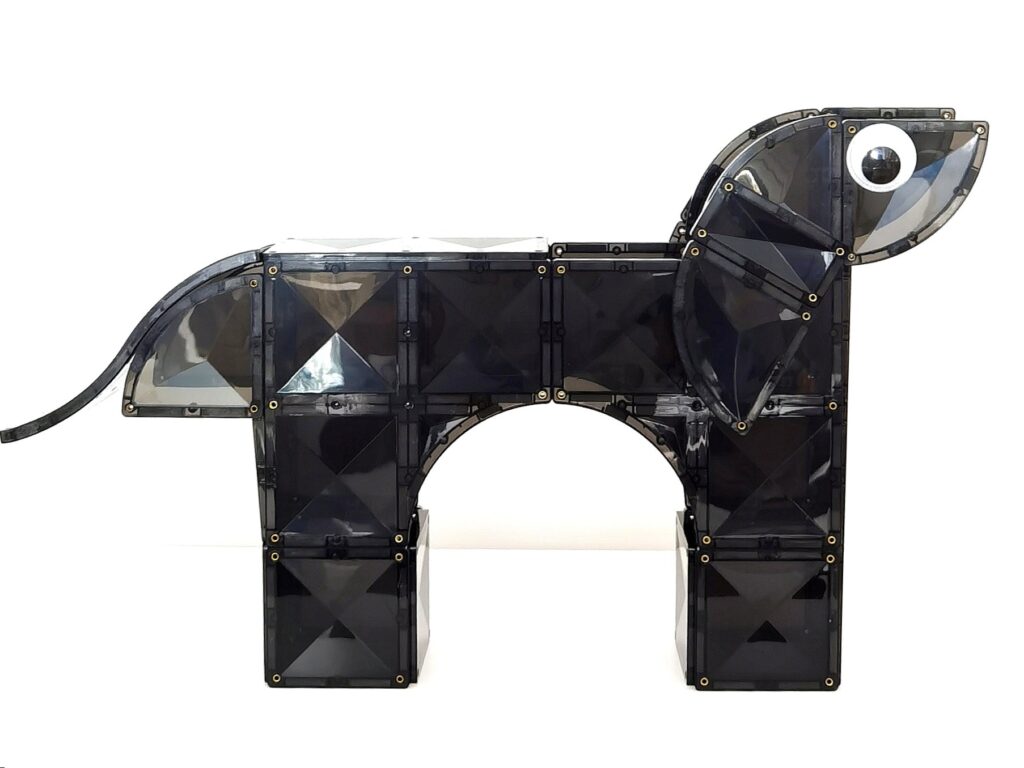
CONNETIX are the perfect tool for learning about shapes! They come in a variety of shapes including squares, rectangles, right-angled triangles, equilateral triangles, isosceles triangles and hexagons. Some shapes even come in large and small sizes, while some pieces in different packs have shapes within them, such as the gate pieces which have squares within them or the ball run tiles which have circles in the inner section. CONNETIX tiles also come in a wide range of different colours including rainbow, pastel and clear. Not only can they be used for so many different activities, but they also provide a concrete resource that children can carry with them. By physically touching and seeing the tiles, children can learn about the names and properties of shapes, and they can be manipulated easily for children to explore time and time again. CONNETIX are simply the ideal educational tool for learning about shapes!

You might also enjoy

Stay Updated

If you’d like to be informed when we release one of our new articles about open-ended play and STEAM concepts, please subscribe below.

Join the CONNETIX Club

Access free downloads, exclusive offers, sneak peeks & more!

You might also enjoy

Sign up to the CONNETIX Club!

As a CONNETIX Club member you will be the first to receive the latest play inspiration, expert advice, exclusive updates on our products and giveaways, as well as special offers JUST for Connetix Club members.