Shipping to: [vcwccr_country_selector]

20% off sitewide* with code CONNETIX20

Introductory offer! 10% off NEW Roads Range.

*20% off code not redeemable on Roads Range. Ends 11.59pm AEST 15th September.

Sale ends in

  • 00Days
  • 00Hours
  • 00Minutes
  • 00Seconds

20% off sitewide with code CONNETIX20*

plus 10% off NEW Road Range. Ends 11.59pm AEST 15th September.

*20% off code not redeemable on Roads Range.

  • 00Days
  • 00Hours
  • 00Minutes
  • 00Seconds

8 Activities for Learning Colours with CONNETIX

8 Activities for Learning Colours with CONNETIX

By Shahnee

Colours are everywhere! Our world is full of a variety of colours which change with the seasons, fill our homes with the toys we have, cover the pages in the books we read to our little ones and are even a part of our daily rhythms of traffic lights, signs, billboards and logos. Learning colours is an important developmental milestone for young children as it helps them begin the process of sorting and classifying information while also providing them with key language skills to describe the world around them. Teaching colours can be done in a fun and engaging way where children can learn at their own pace and in their own time. Here is a list of super fun activities you can do with your little ones to help them on their colour journey.

1. Creating Models, Pictures or Tangrams

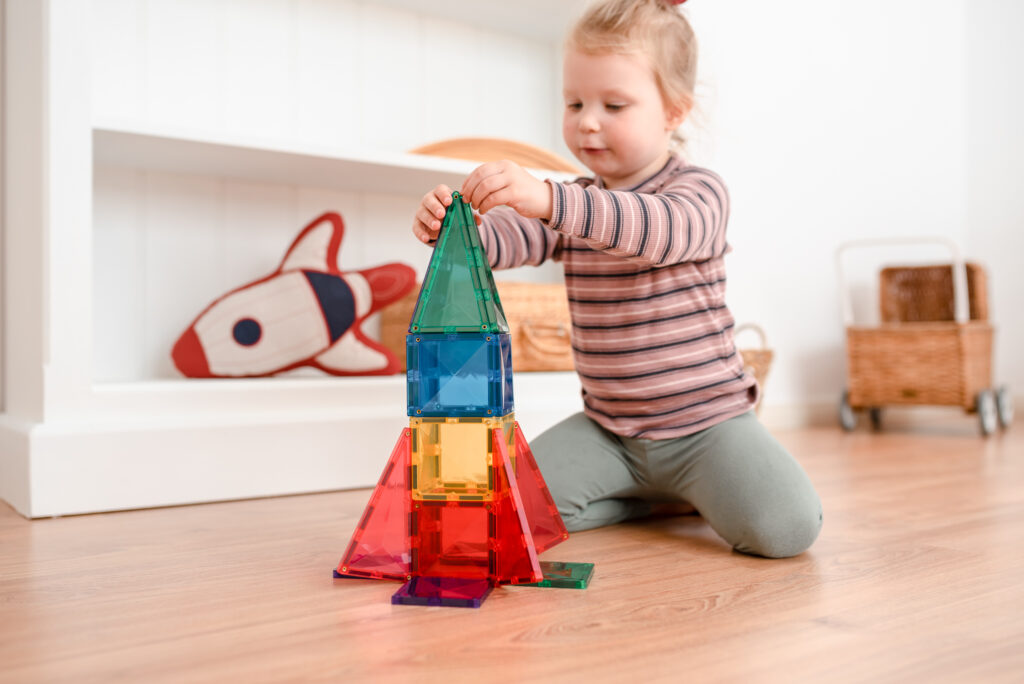
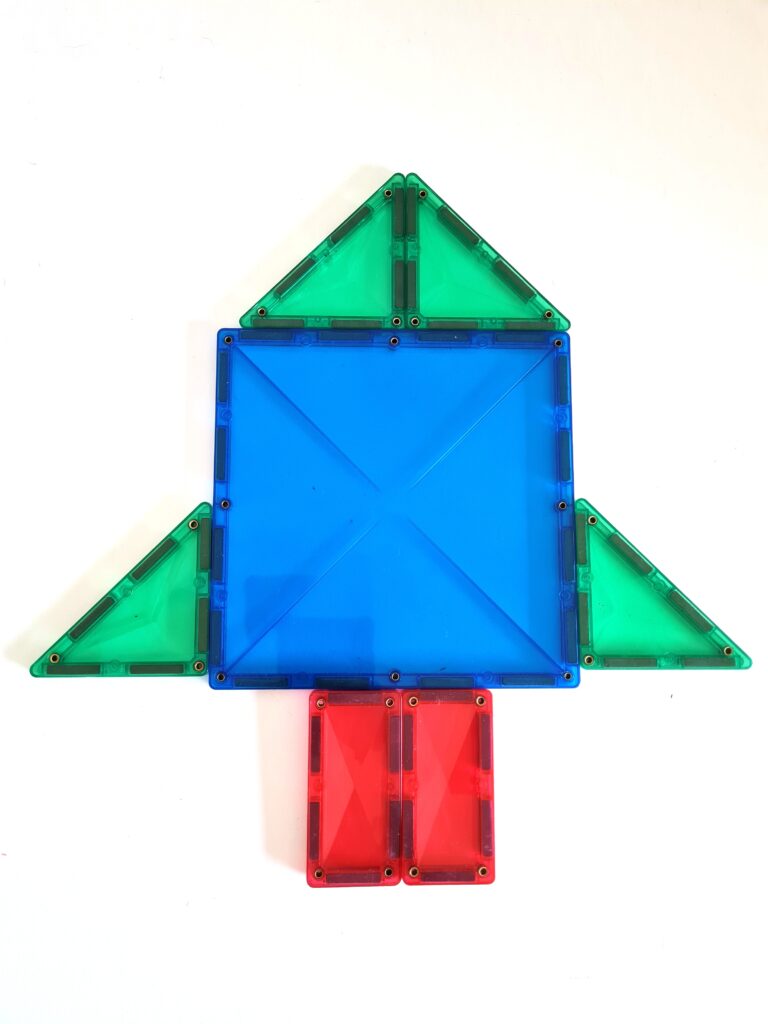
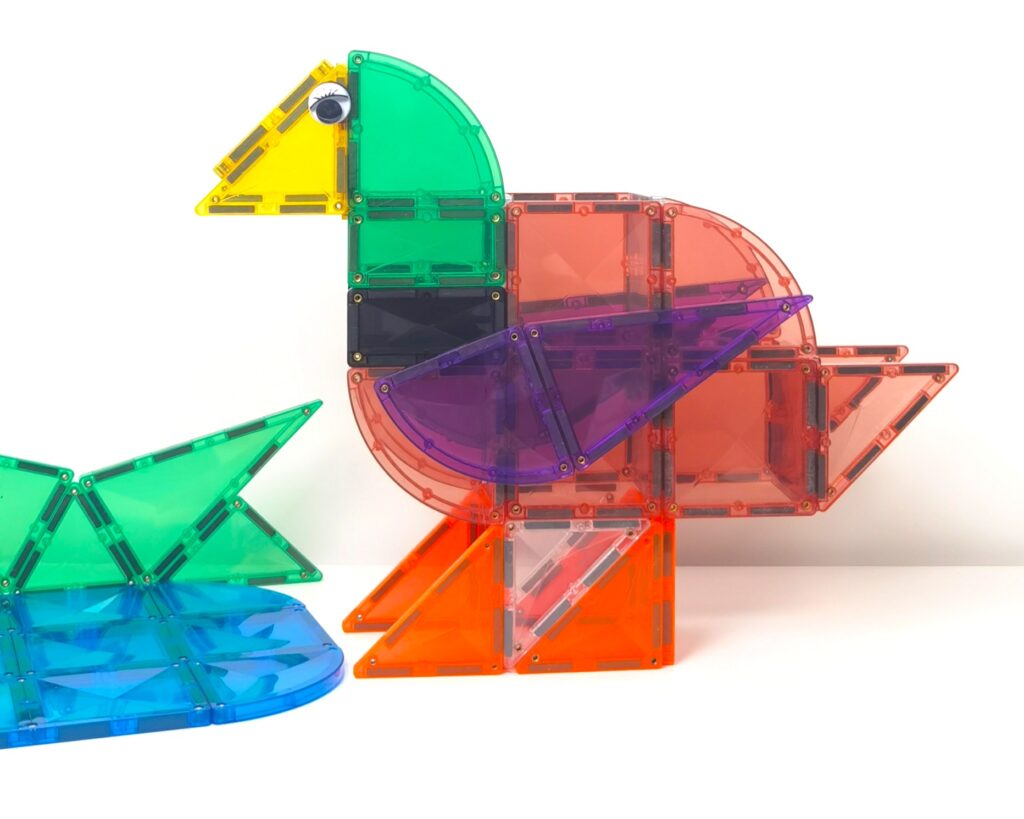
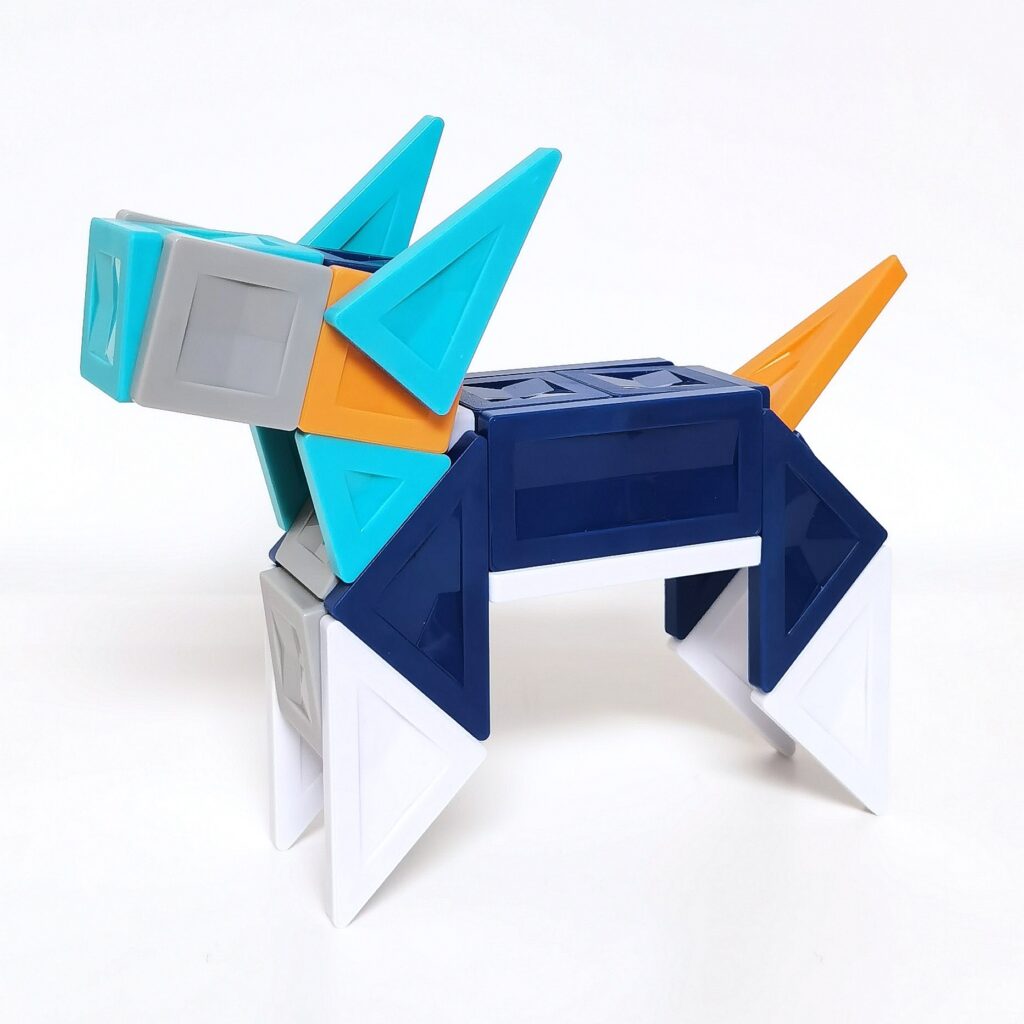
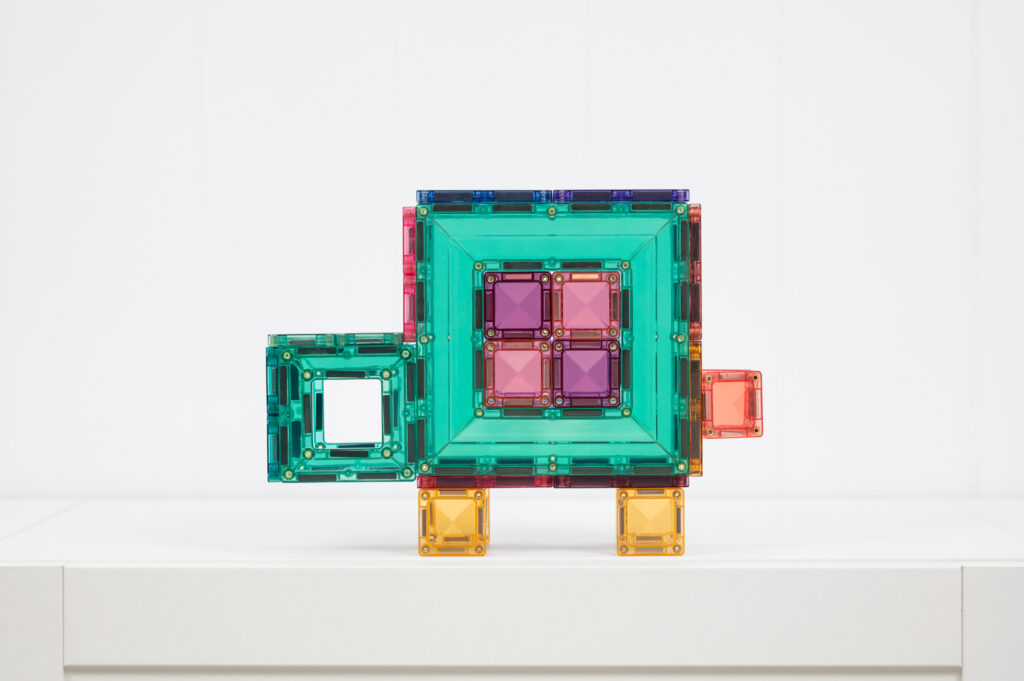
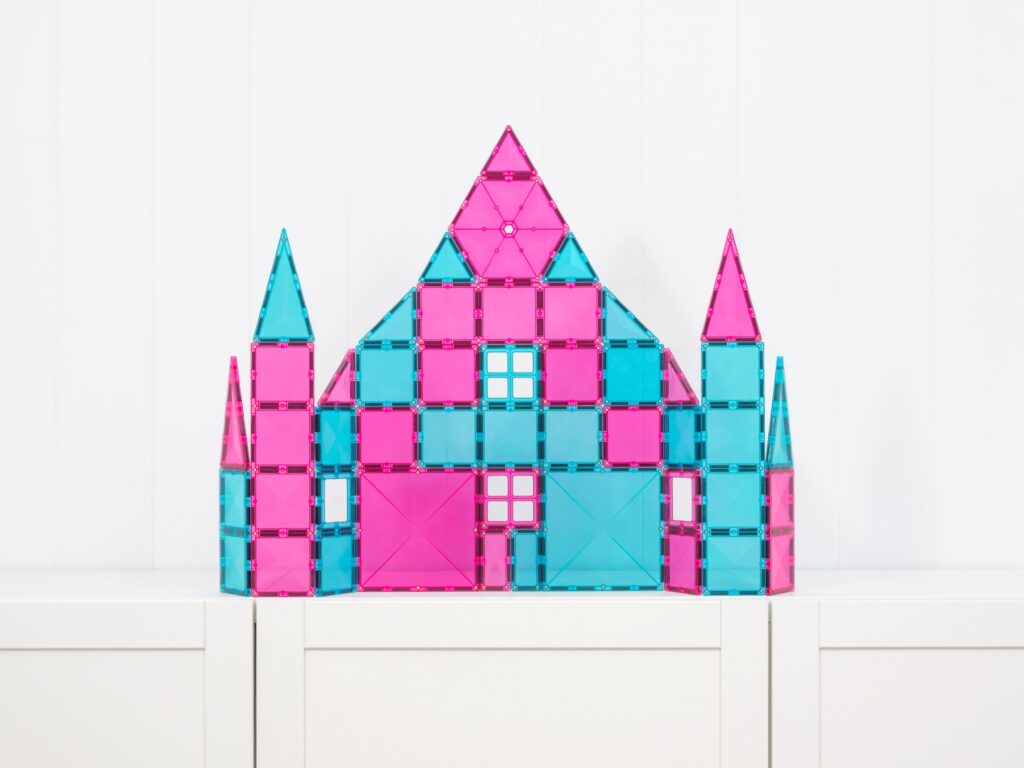
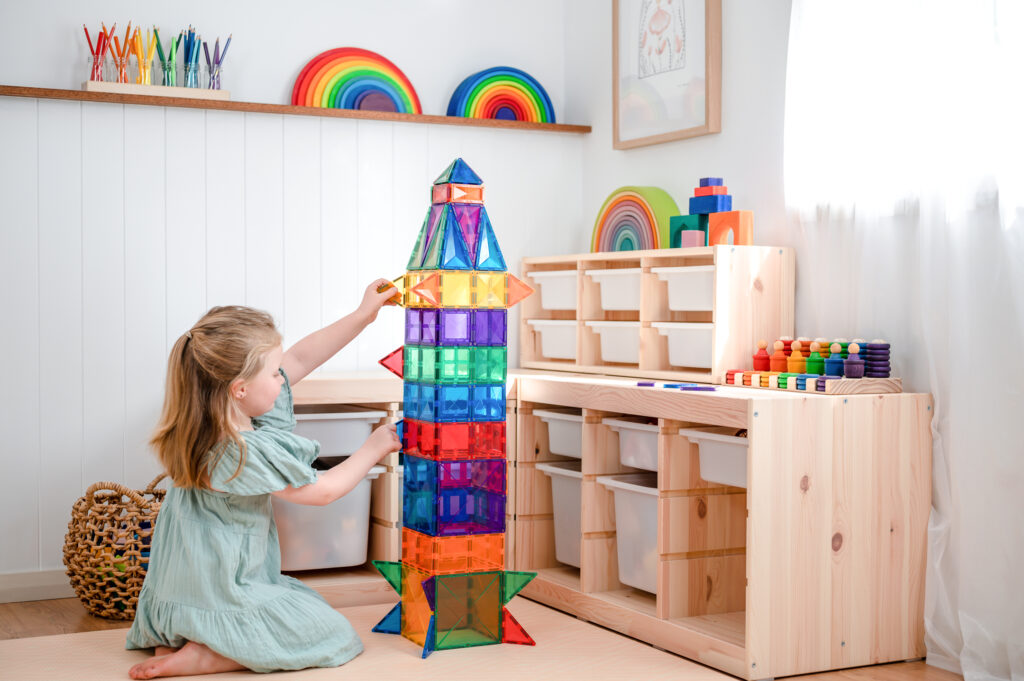
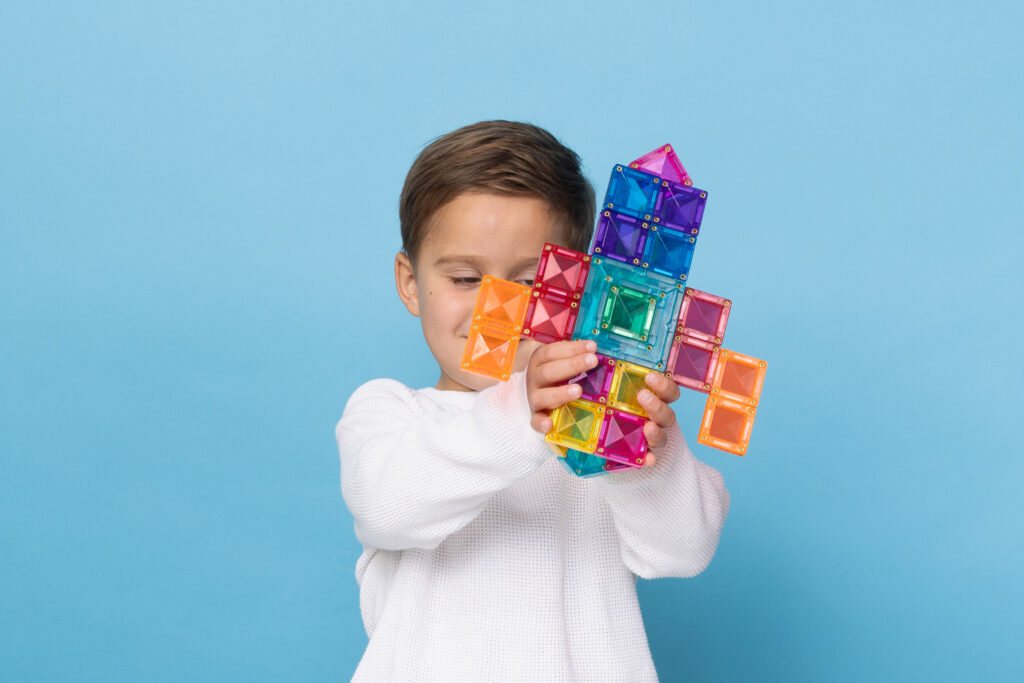
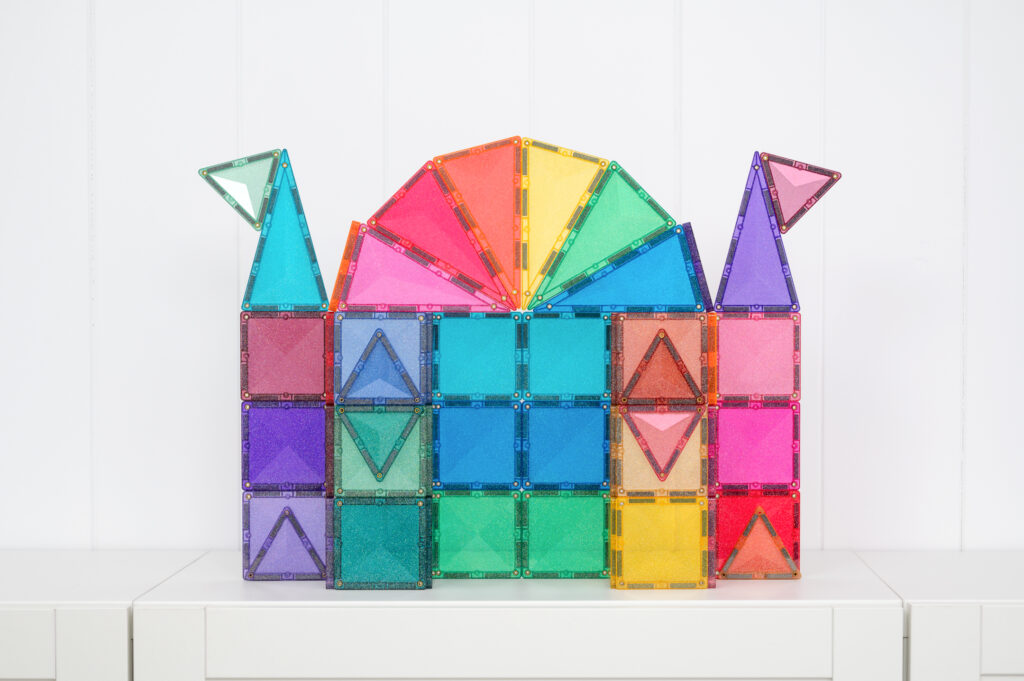
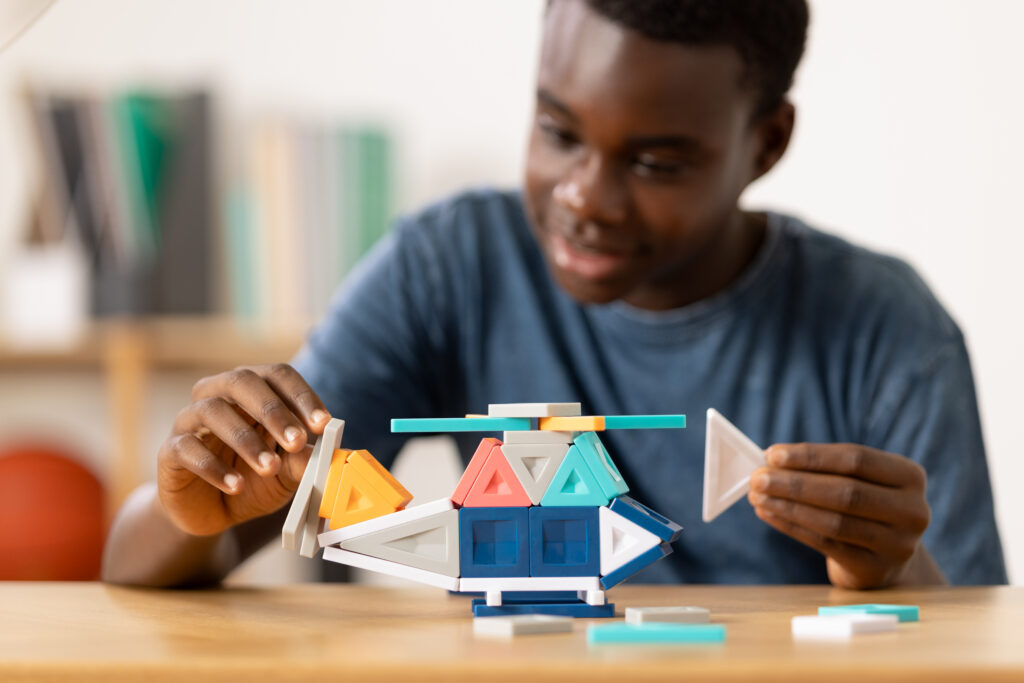
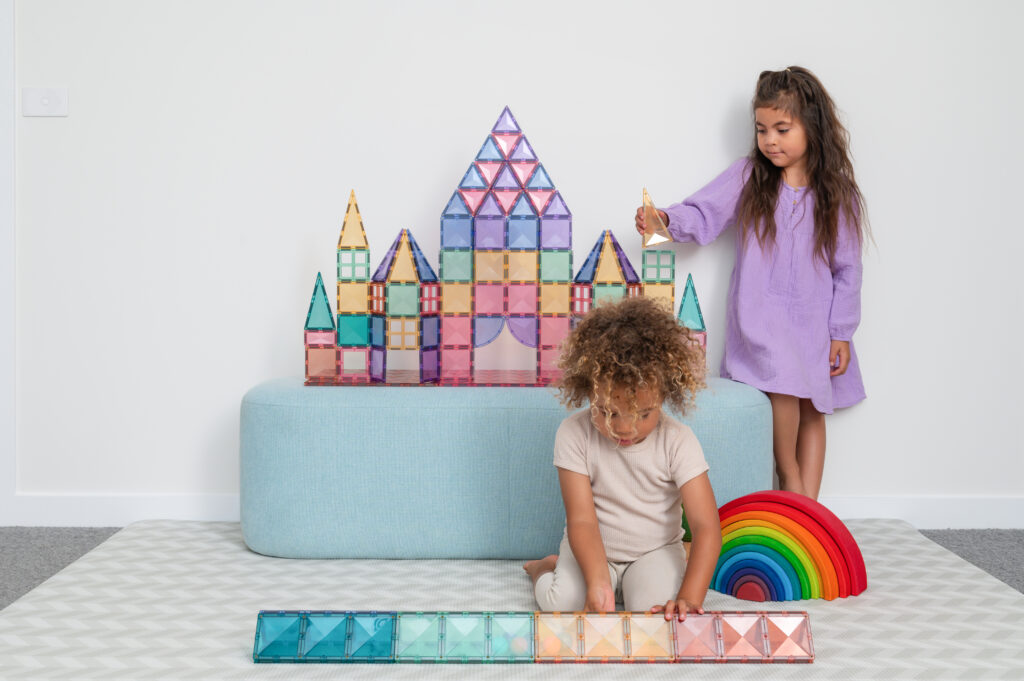
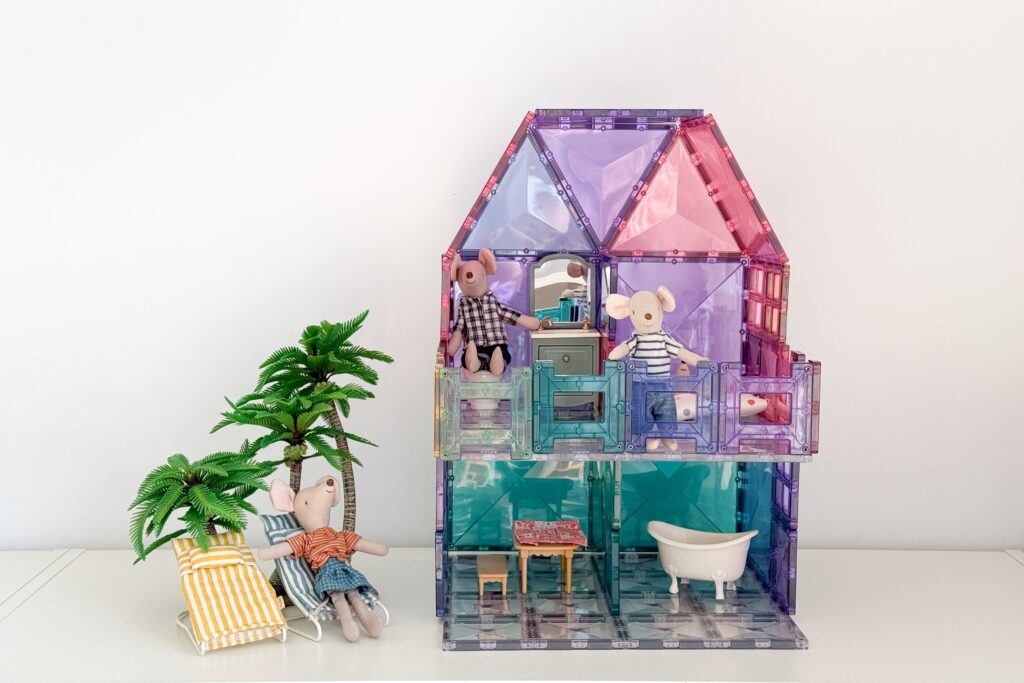
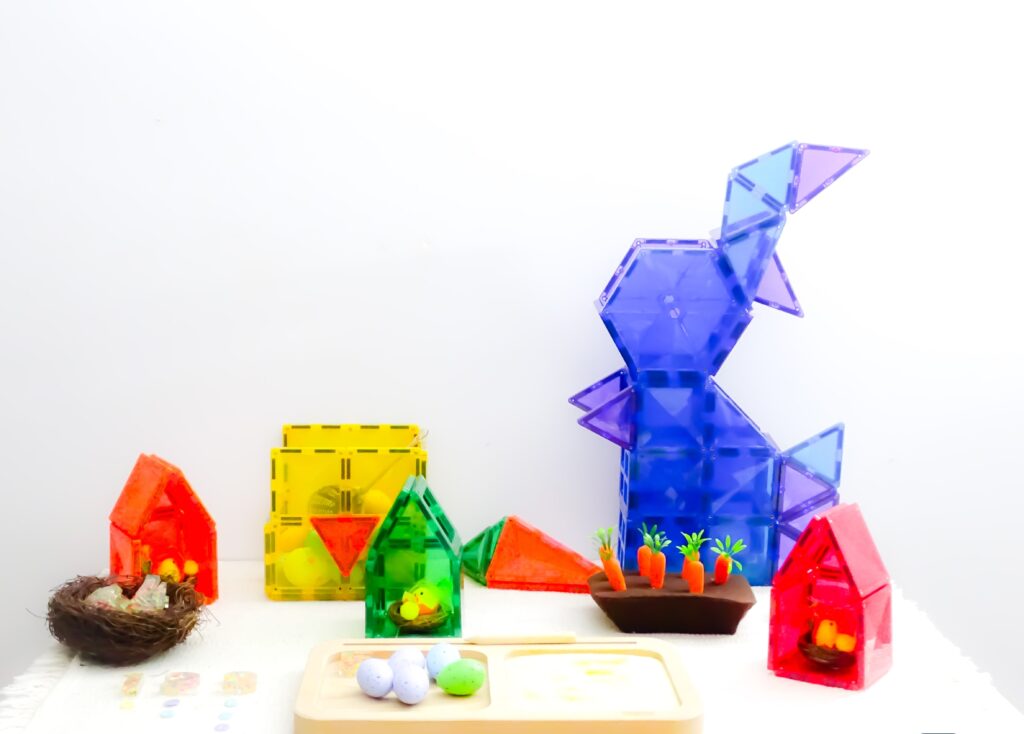
Using different colours for different areas within a scene, create a model that can be used as an imaginary play space. For example, you could create a farm with multiple large green tiles that will be different paddocks, blue tiles that will be a pond and red tiles to create a barn. You could allow children to be creative, designing their own landscape where they name the colour of each part, or you might like to give them a set of instructions that they have to follow. For example, create a yellow farmhouse, an orange shed, and so on.

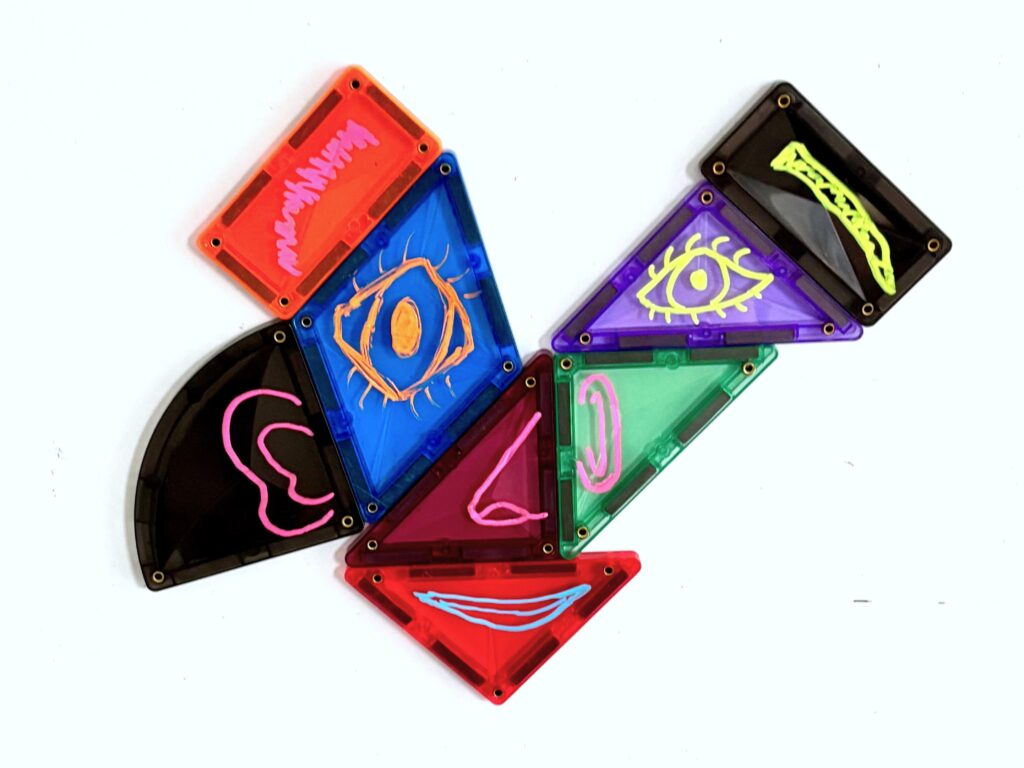
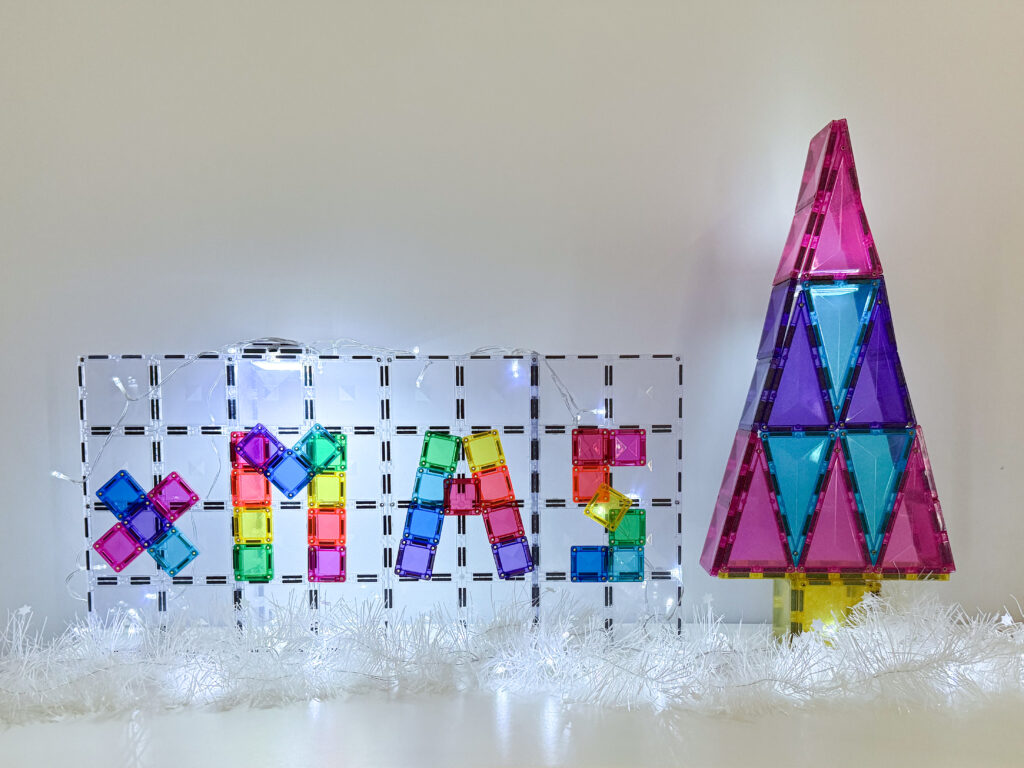
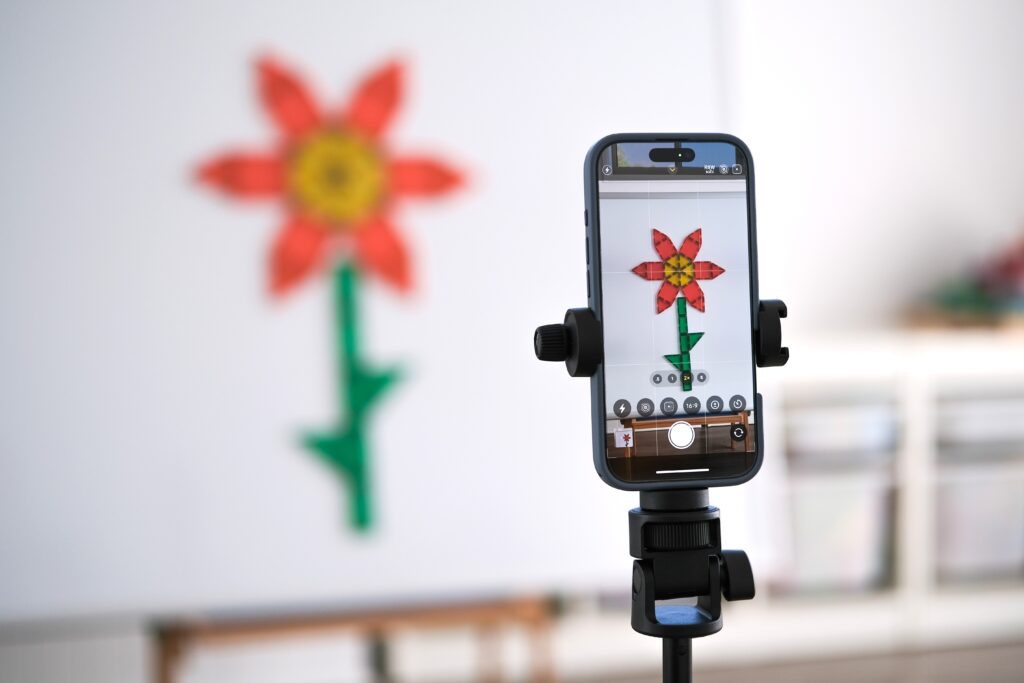
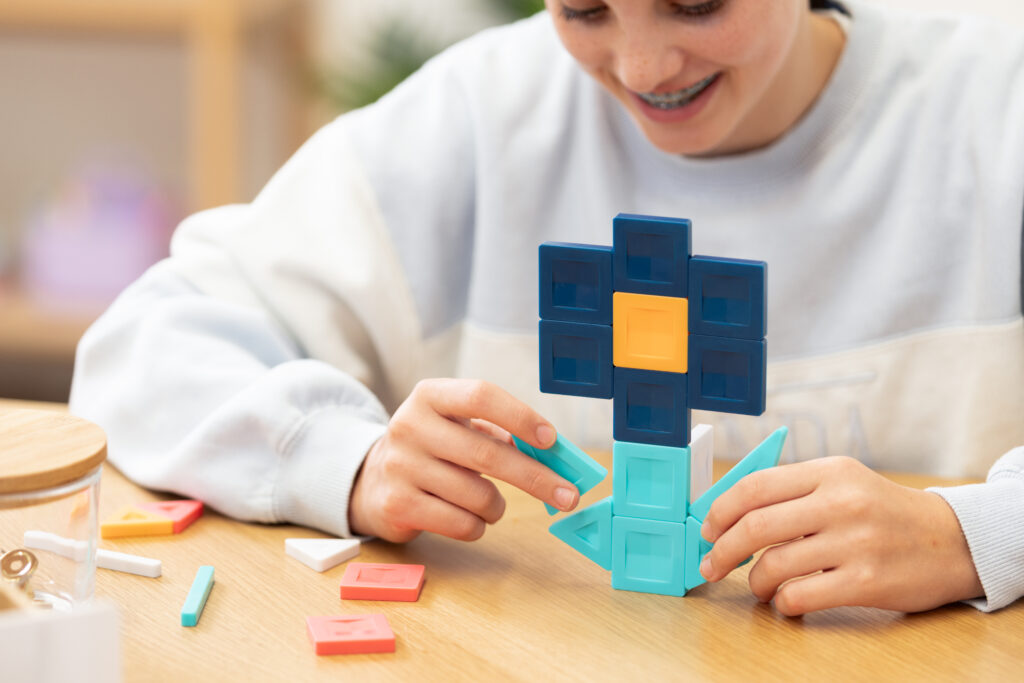
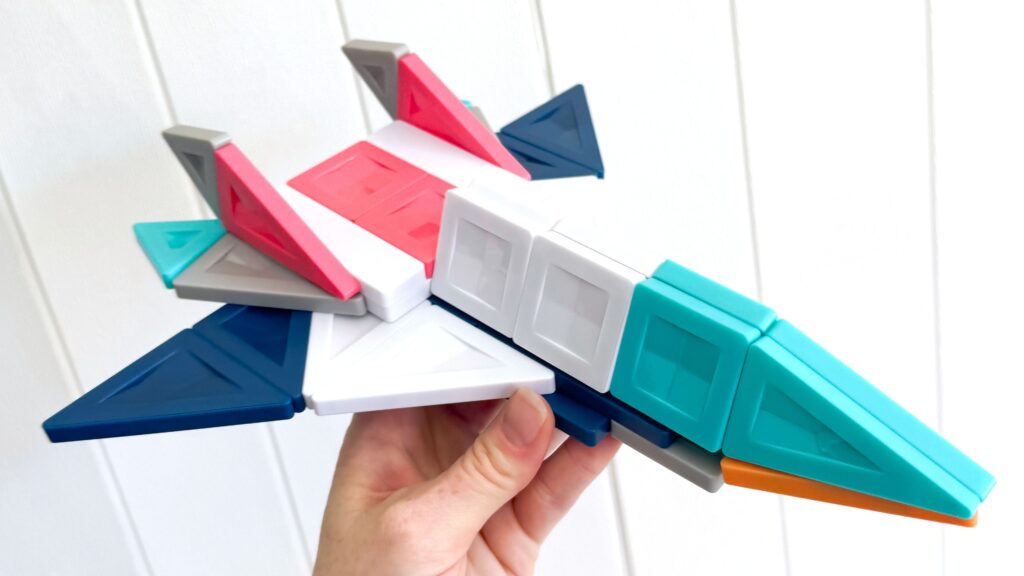
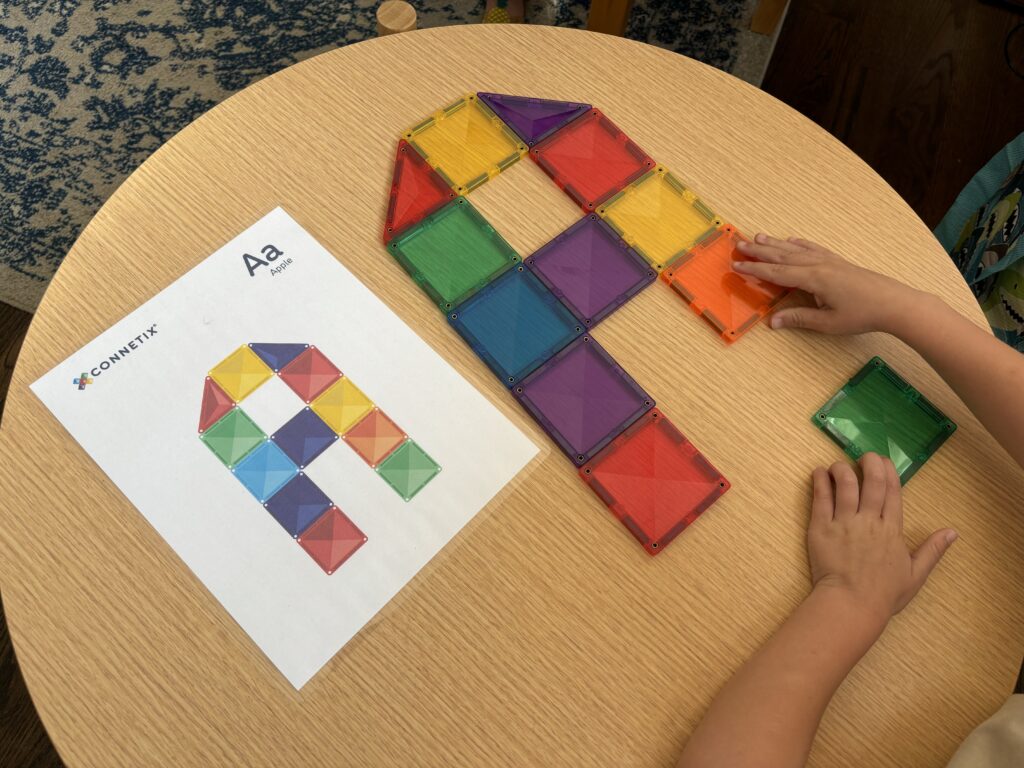
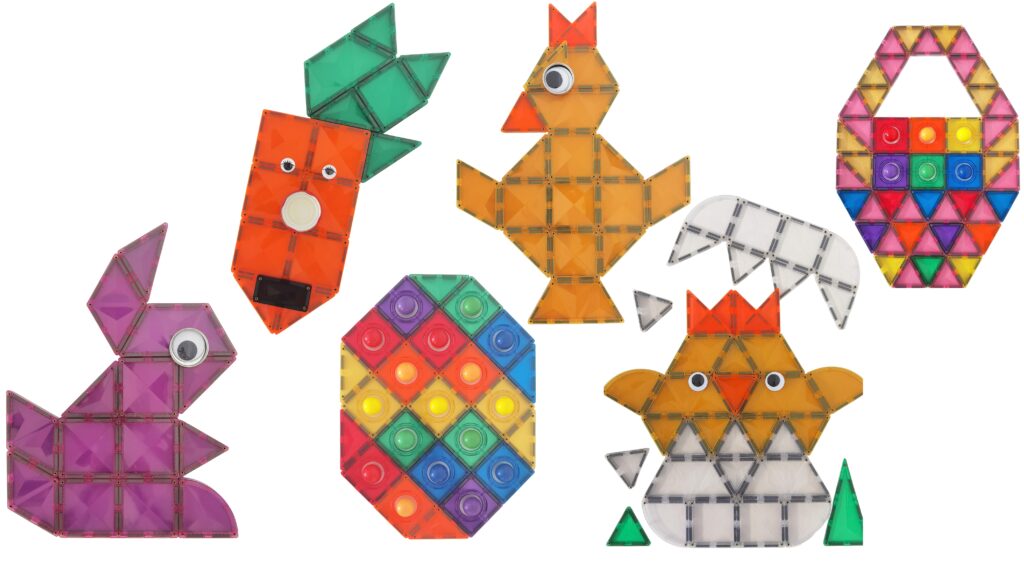
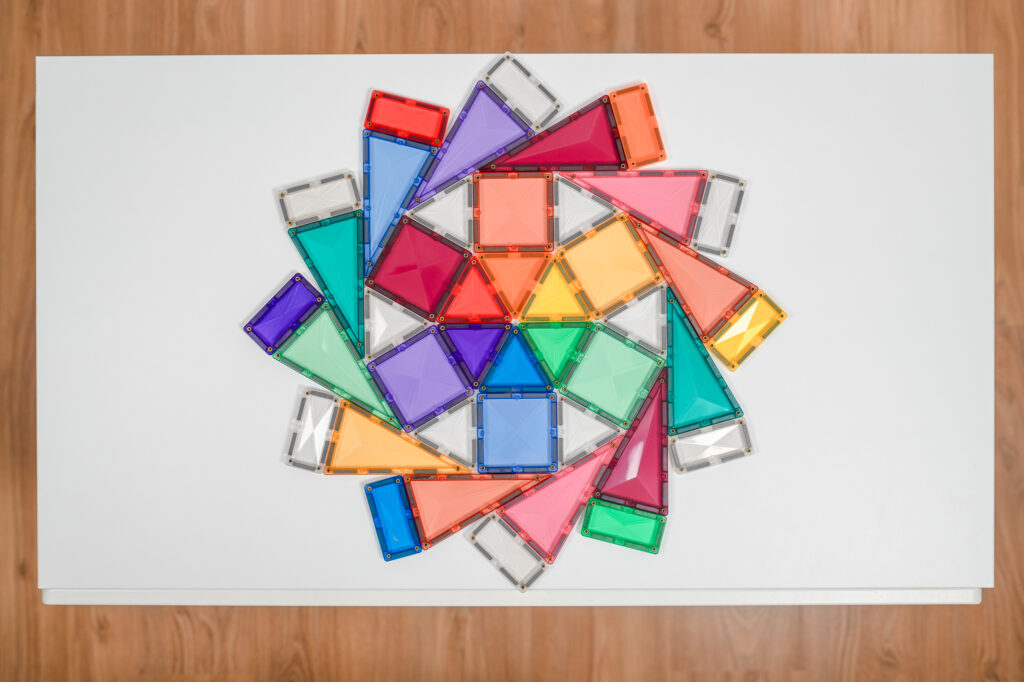
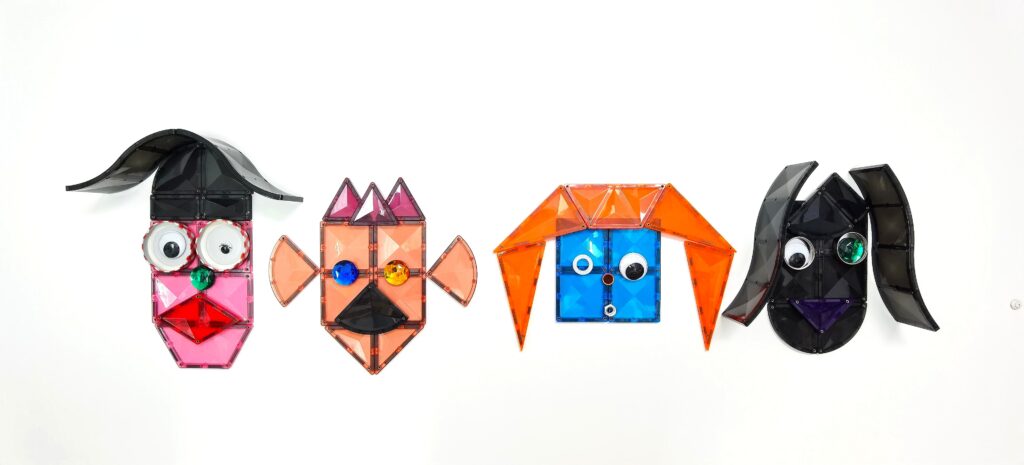
Alternatively, you could use the same idea and create pictures such as tangrams. You might like to let children freely design their own images or follow the tangram resources from the CONNETIX website. Once children have created their image, ask them to name the colours they have used. Another idea could be to give children a set of instructions such as; use five red tiles, three blue tiles and four yellow tiles in your picture.
2. Window Colour Matching

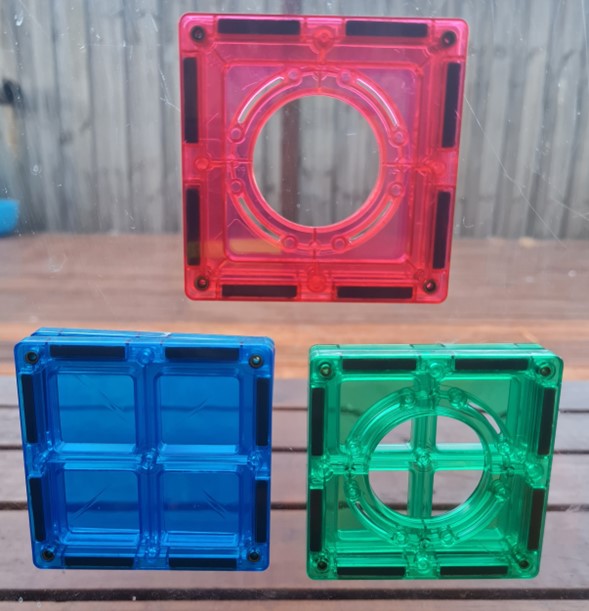
Sitting on either side of a window, grab a collection of different coloured CONNETIX tiles. Each person takes a tile from their pile and holds it against the window. The other player then needs to find the matching colour and connect it together to make a match, stating the name of the colour as they do so.

3. Window Cities

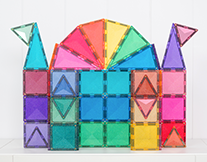
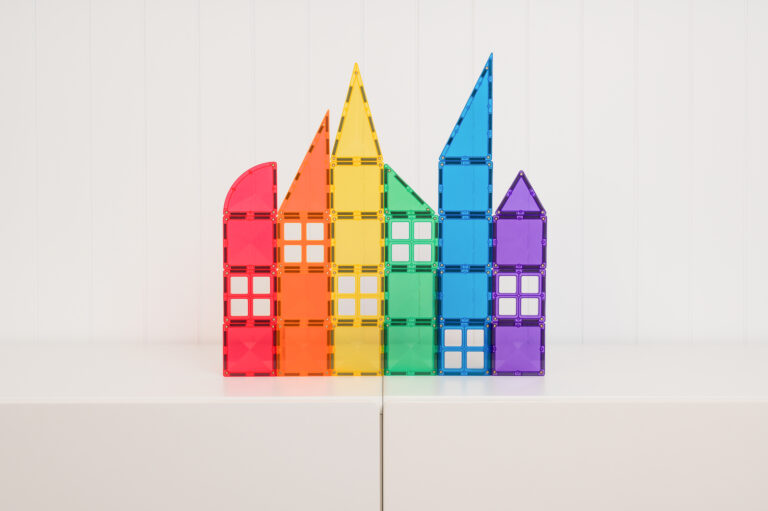
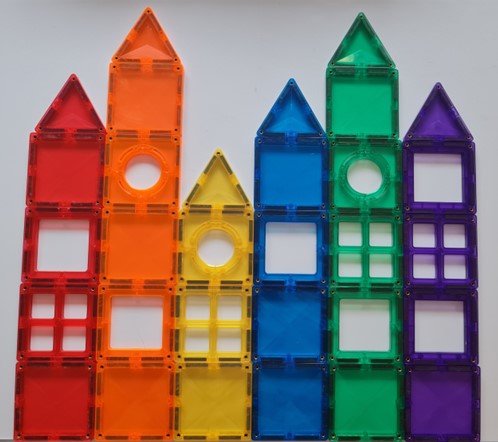
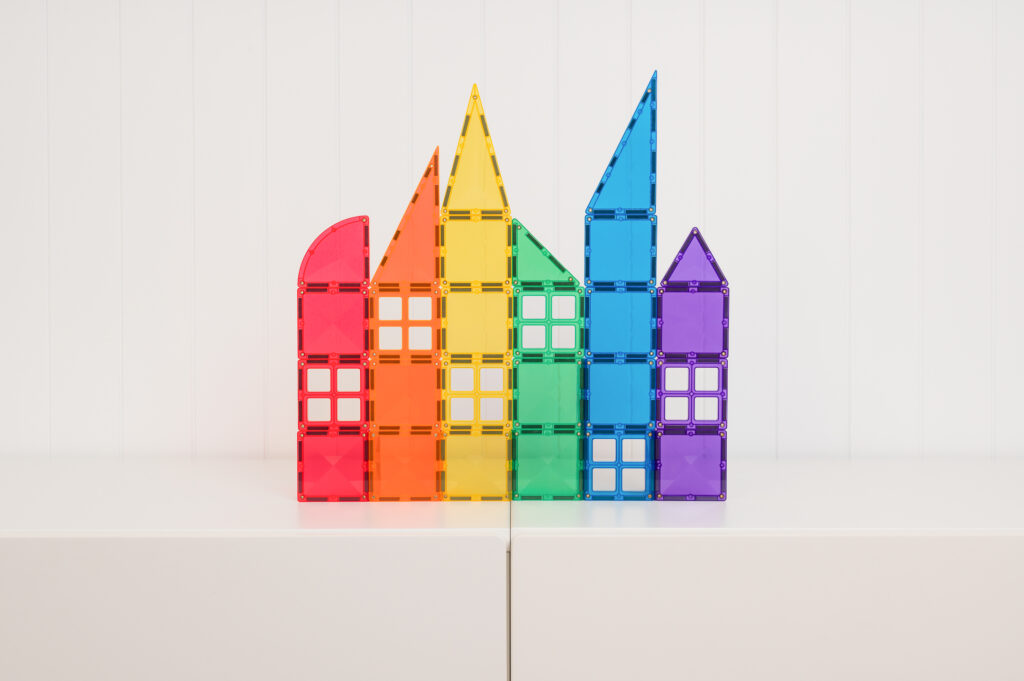
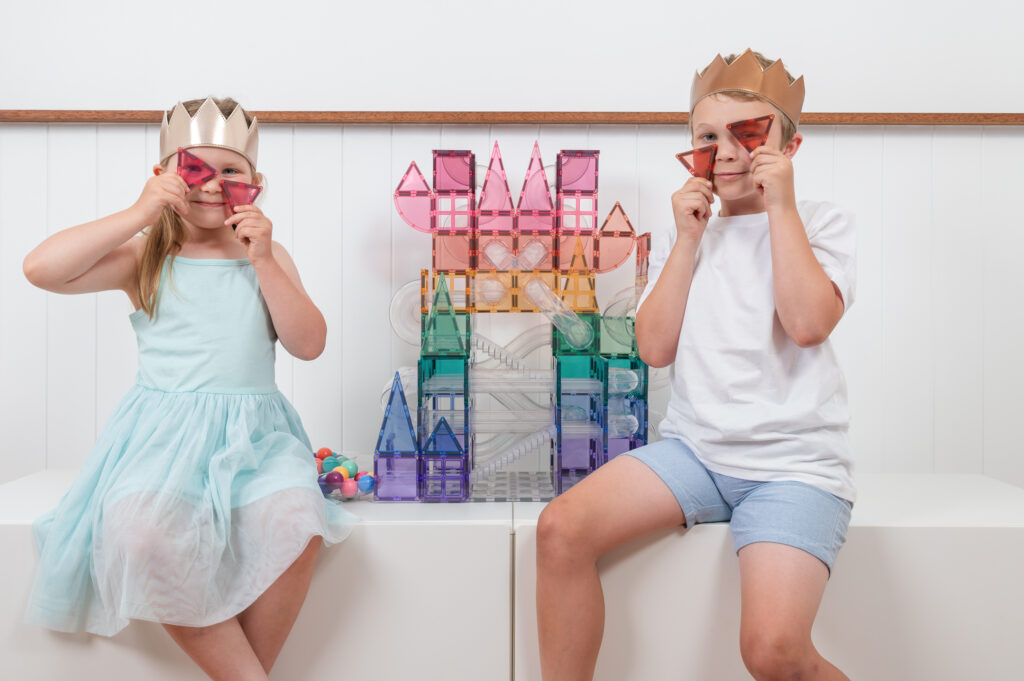
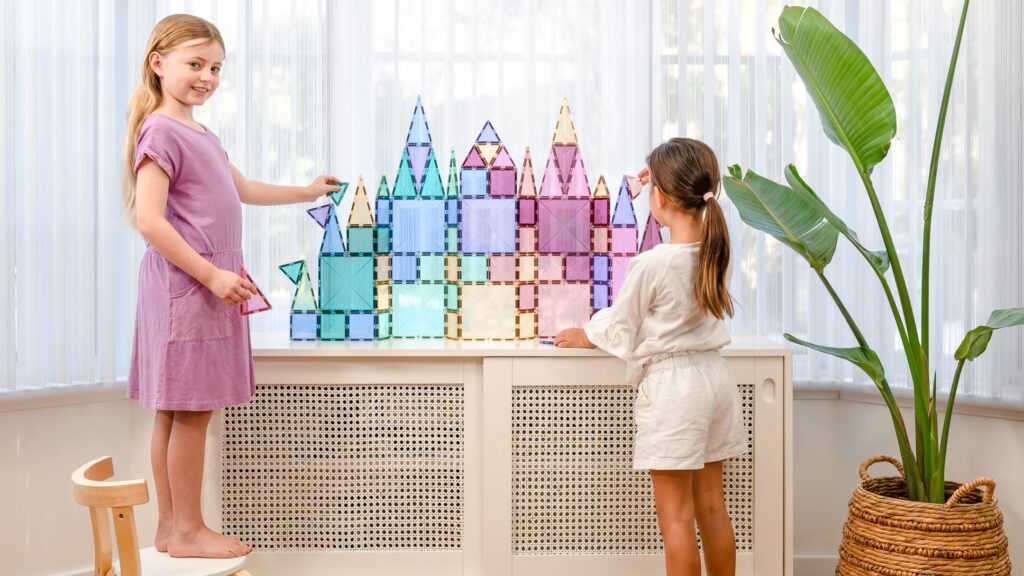
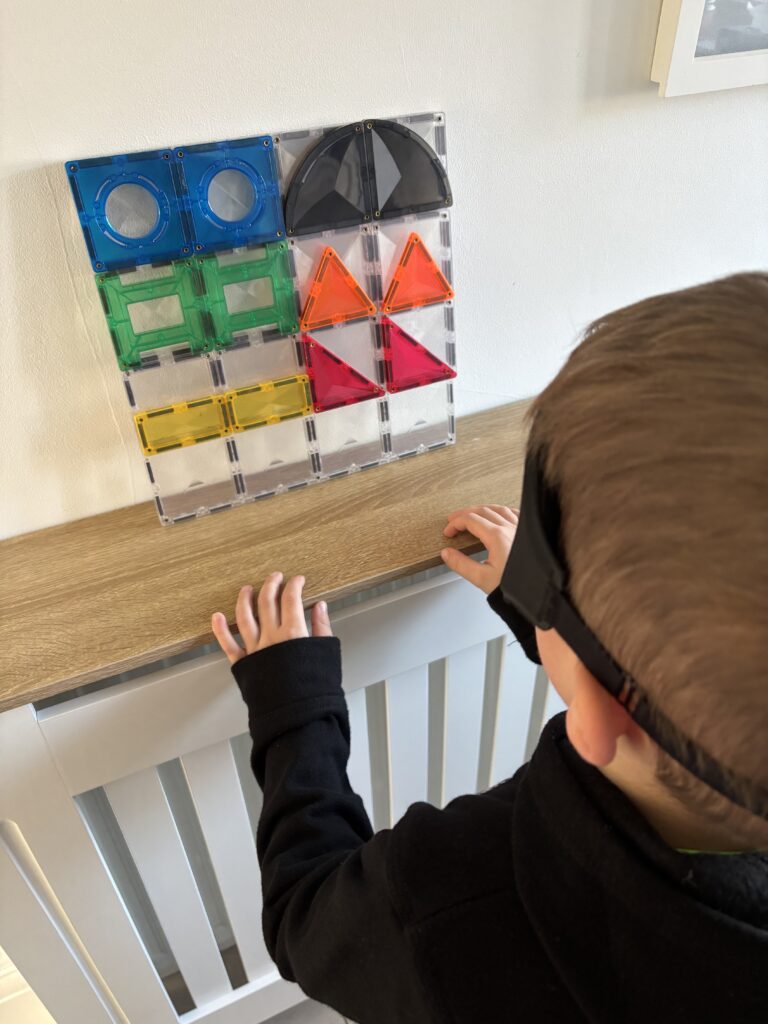
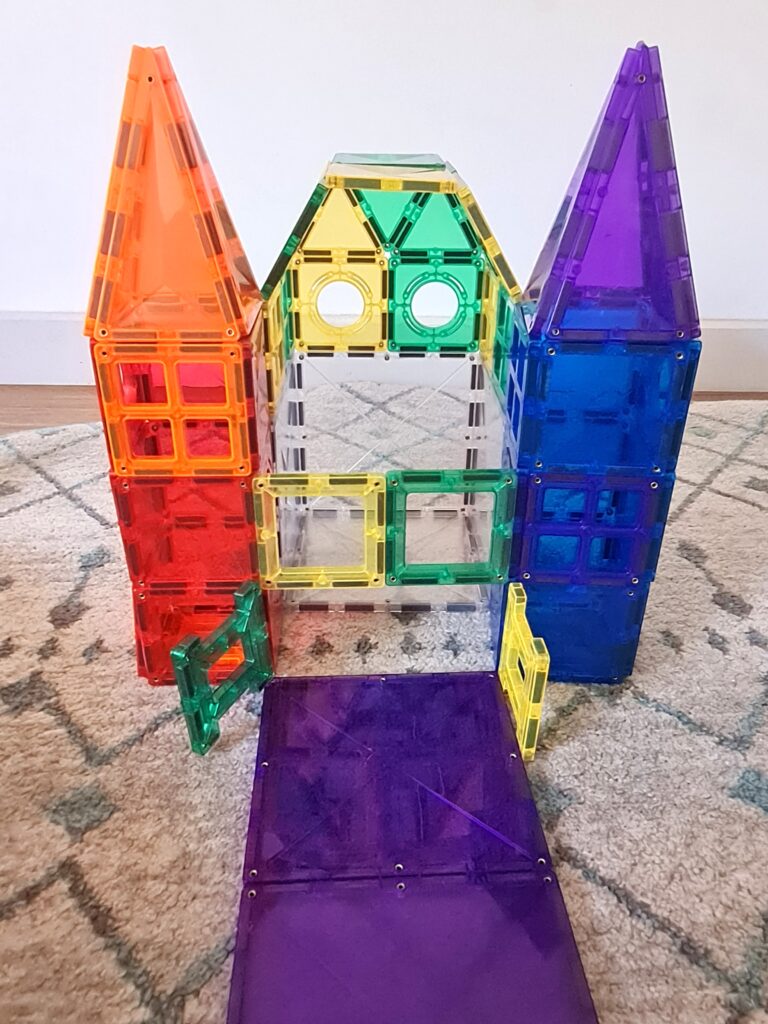
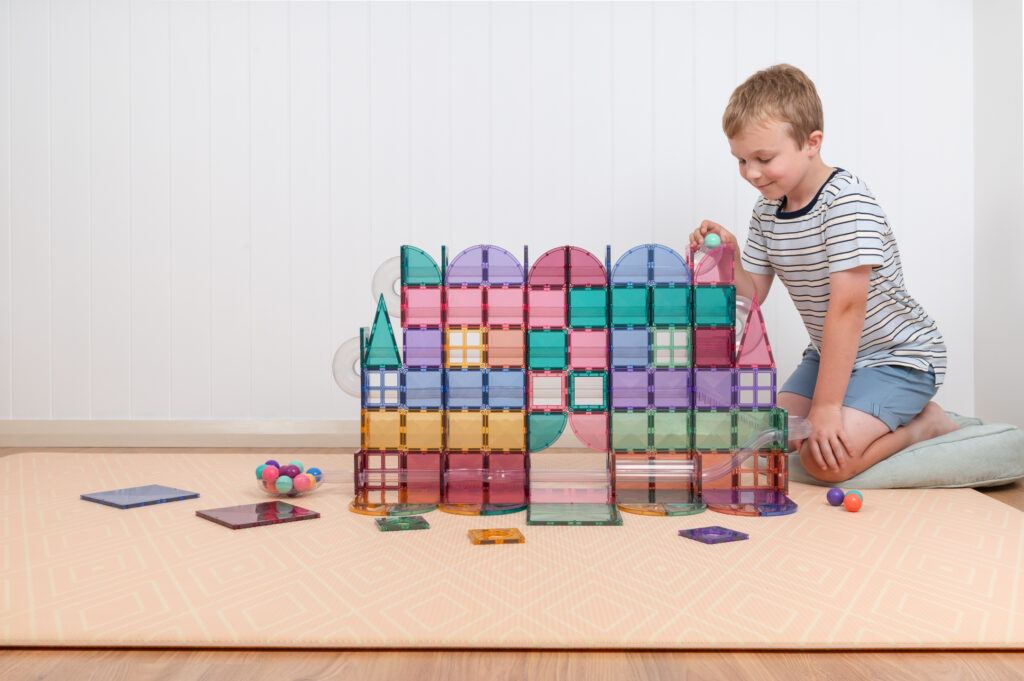
Using a whiteboard, window or glass door, create a colourful city by making buildings of different colours against the window. Within the towers of your city you can use different kinds of tiles such as the windows or gates, creating different features. After making a building, name the colour of it, and watch how the light rebounds onto the floor making a beautiful, coloured refraction.

4. Matching Colours Together

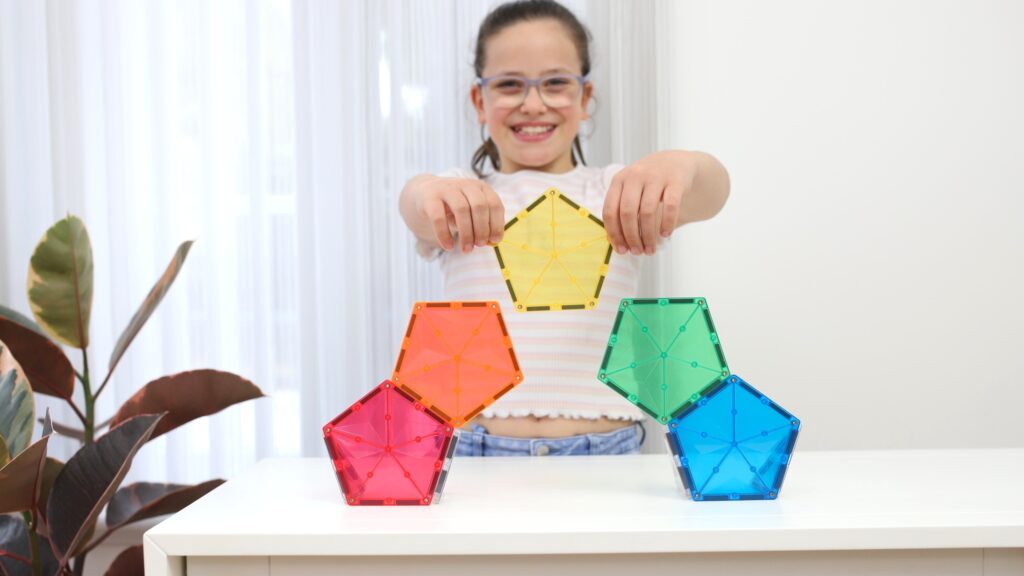
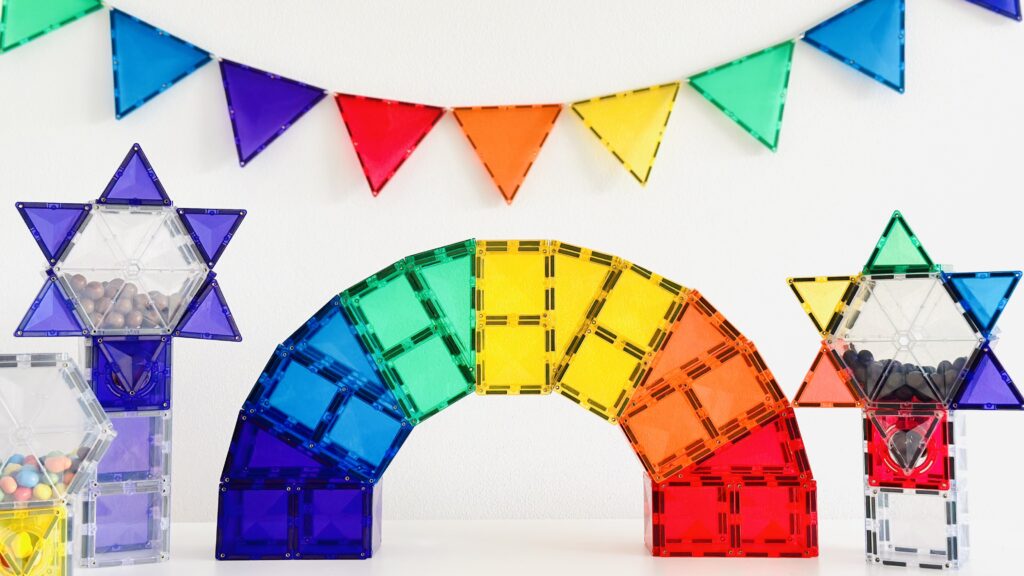
Using a clear hexagon (or any clear shape), place a different coloured sticker or dot on each side. Then, place a collection of different coloured tiles on the floor surrounding children. (These could also be mixed shapes). Ask children to connect the tiles to the matching coloured dot, stating the colours they are connecting together.

5. Creating Patterns

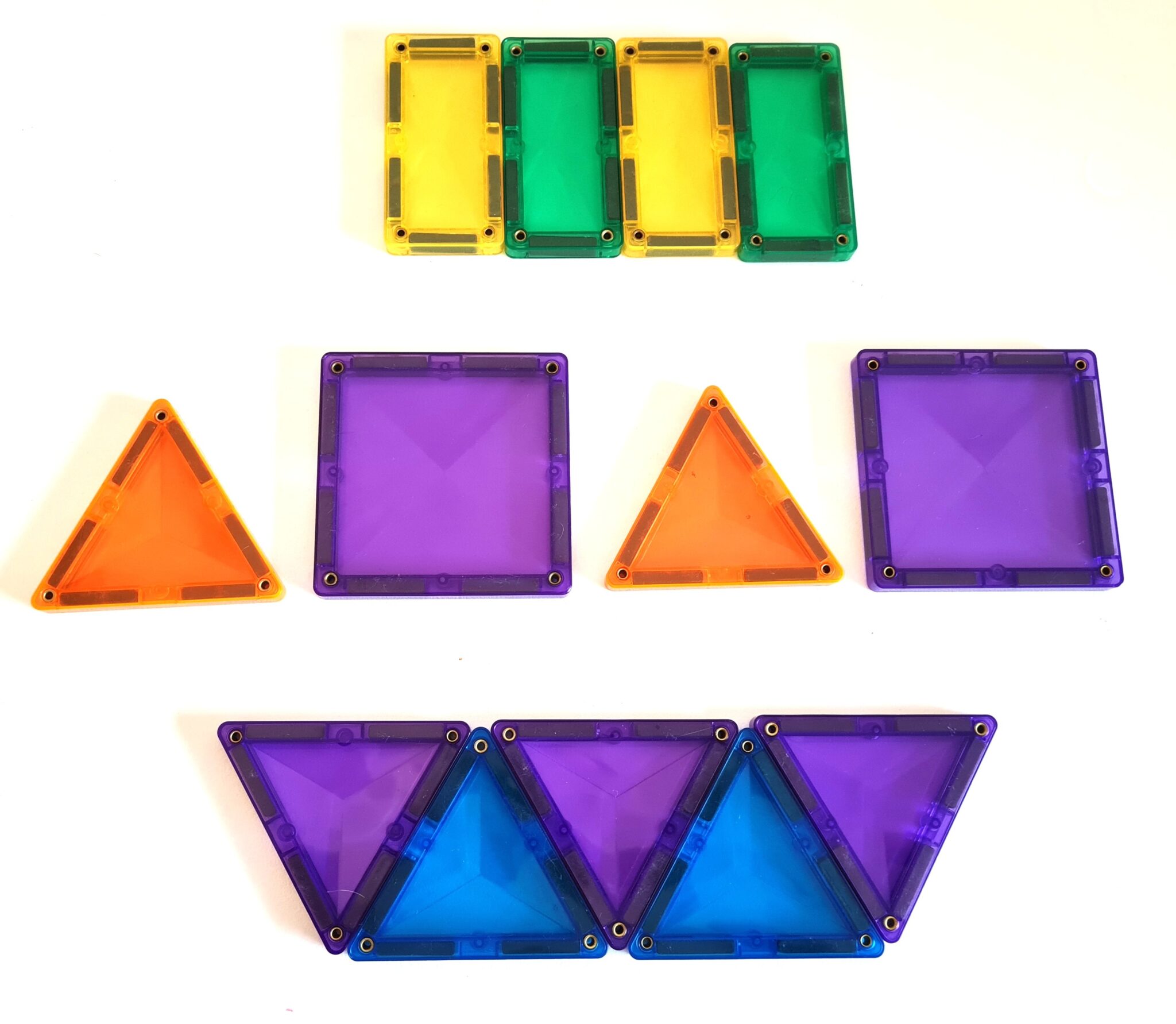
Using different shapes and sizes of your CONNETIX tiles, create different patterns that focus on colours. For example, you might place tiles in a pattern of green, blue, yellow. You can then ask children to repeat this pattern, stating the colours they are using each time and how they knew which colour came next. Children could also create their own patterns too or you could finish off a pattern they have created.

6. Sorting Collections by Colours

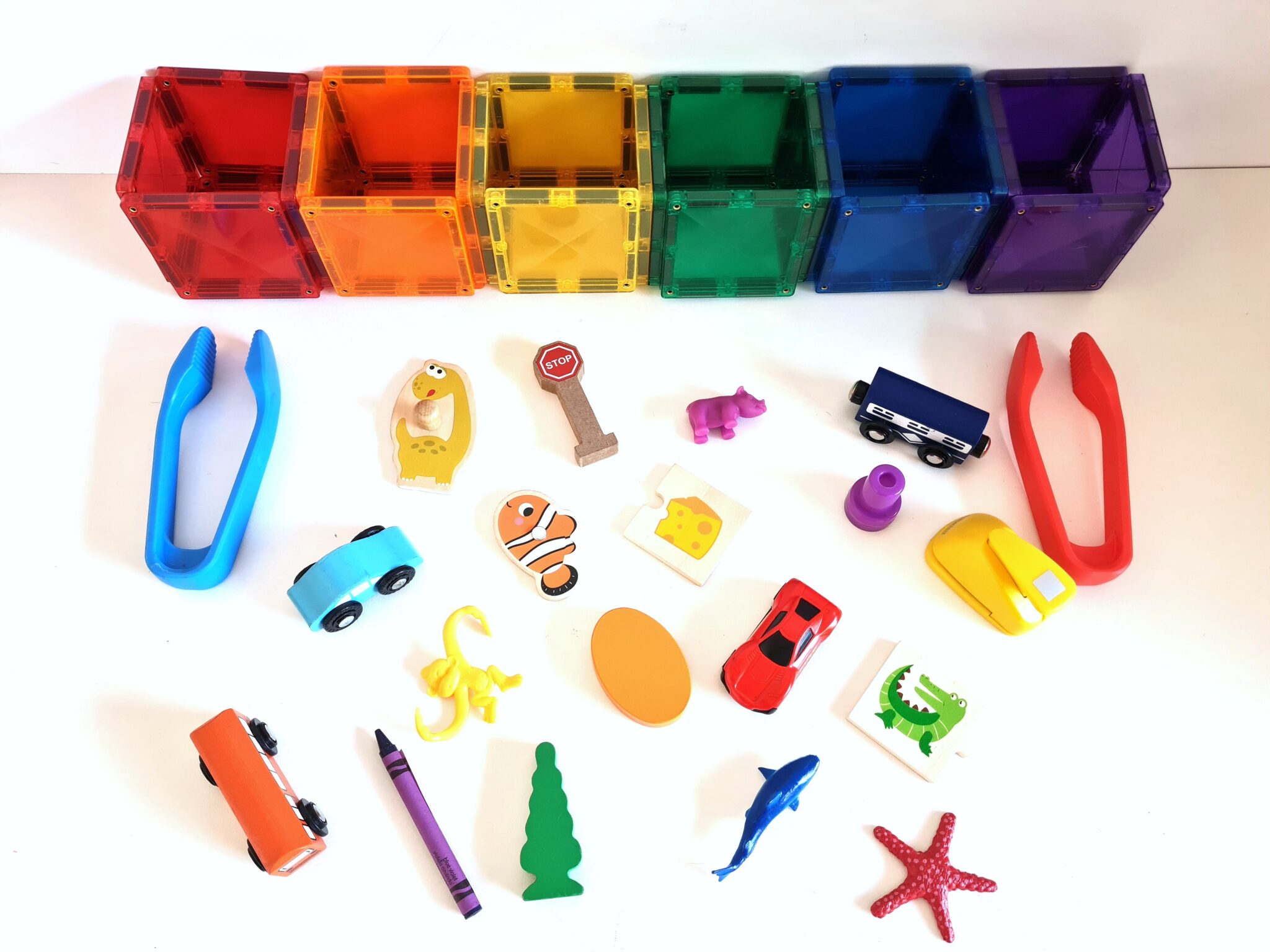
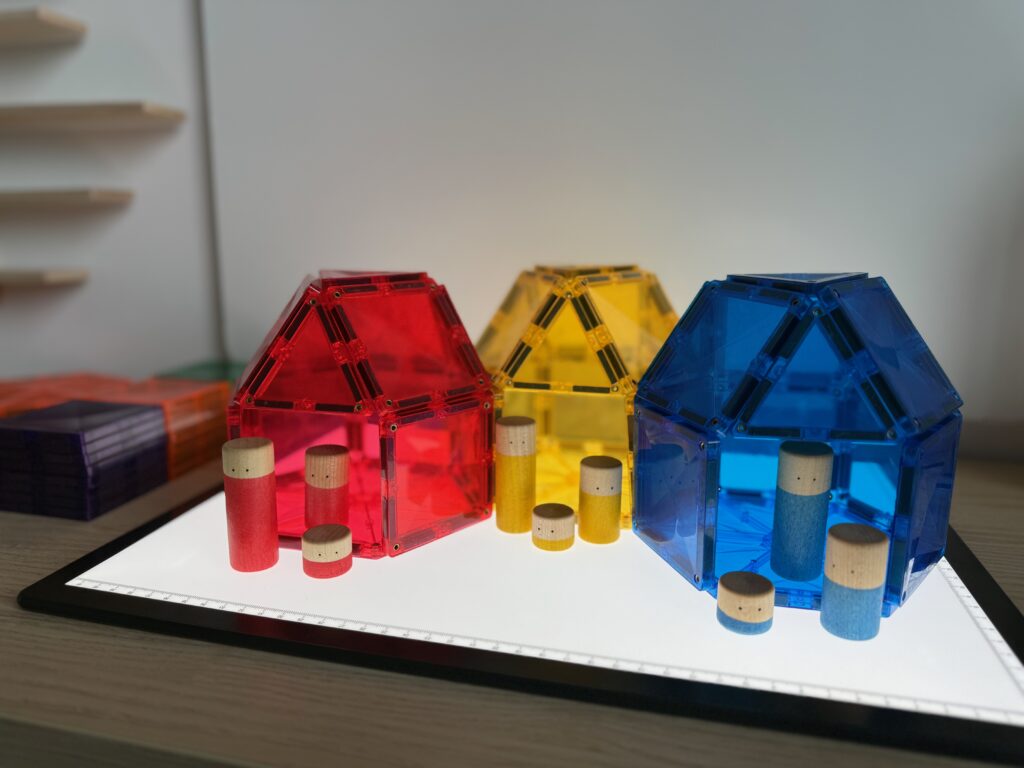
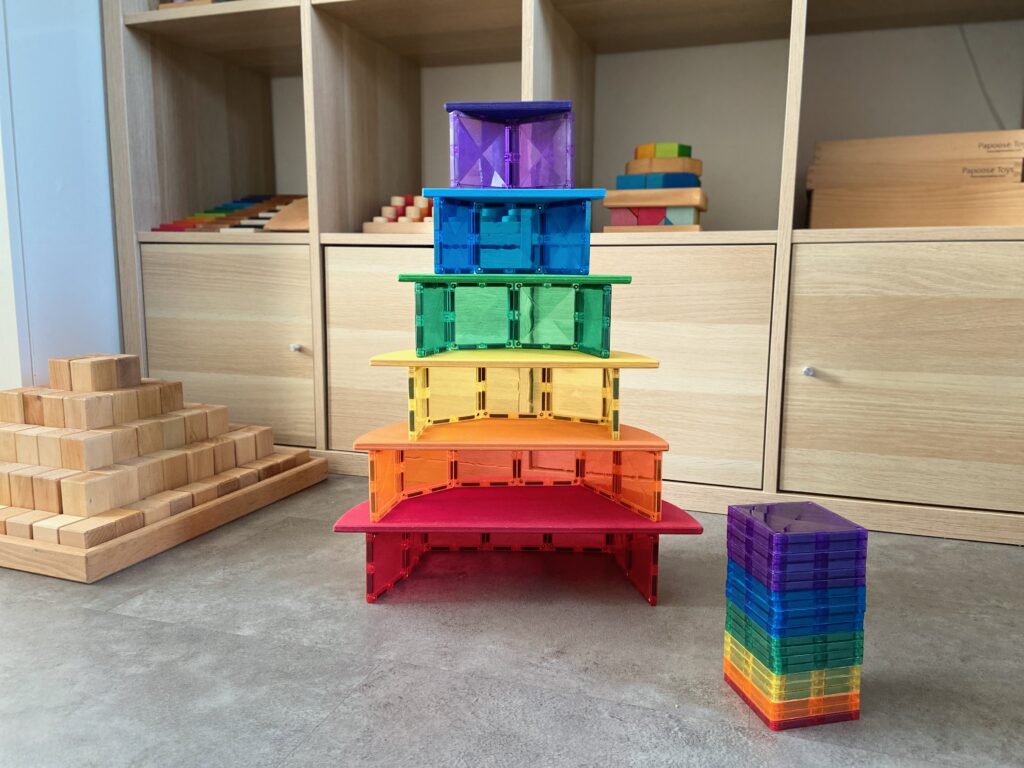
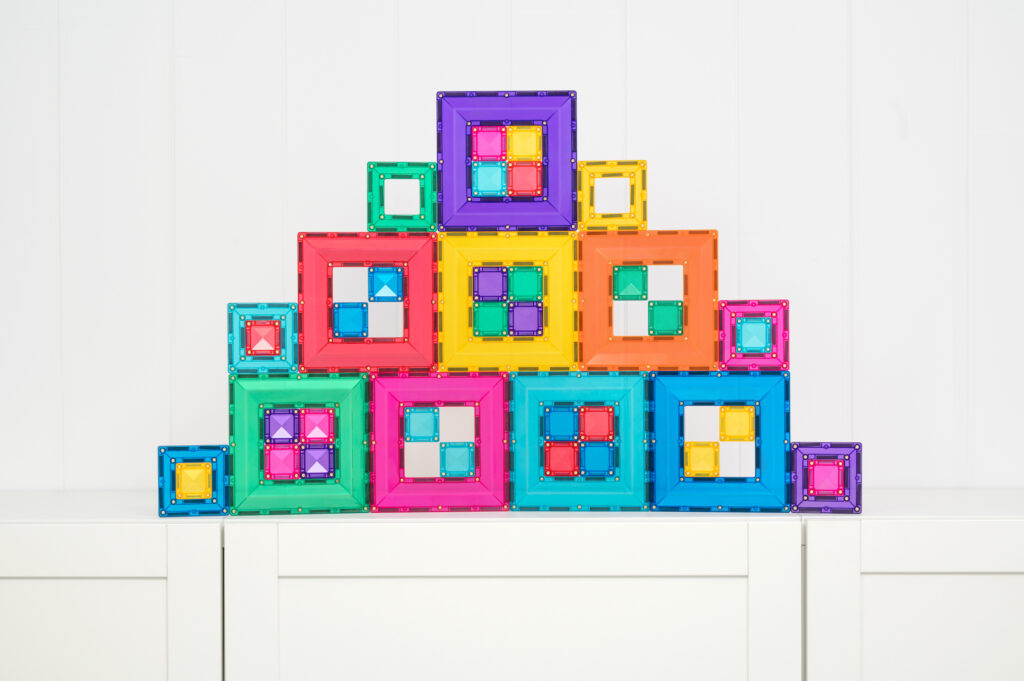
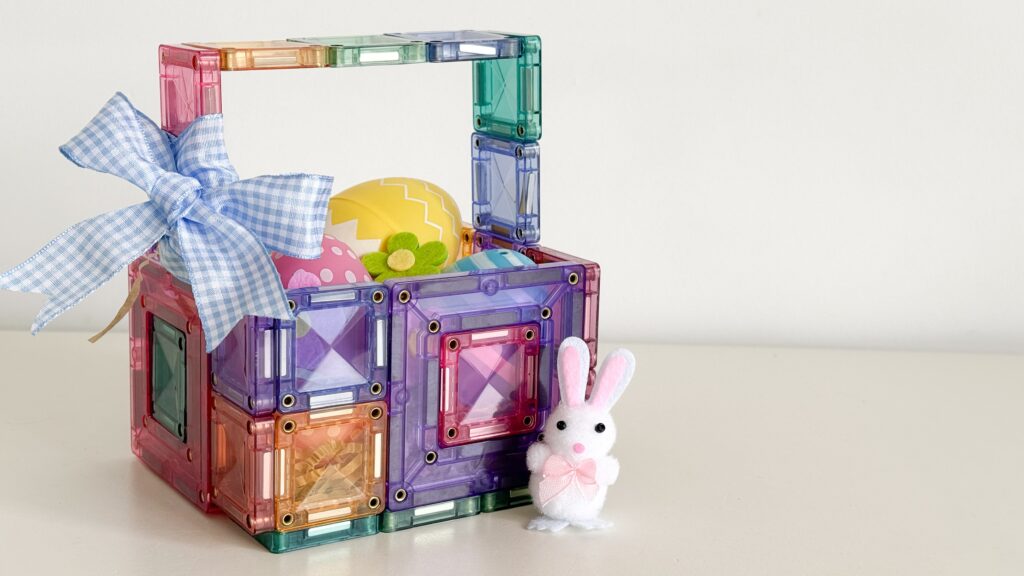
Using your CONNETIX tiles, create an open cube where items can be placed inside. Take a collection of random items from around the house and place them in a mixed pile in front of your CONNETIX boxes. This might include a feather, toys, blocks, a sock, a teddy and a ball. Try to choose items that have one predominant colour. Using their fingers, or tweezers if you would like an extra challenge, ask children to organise the items into the different coloured cubes.

7. Colours Bingo

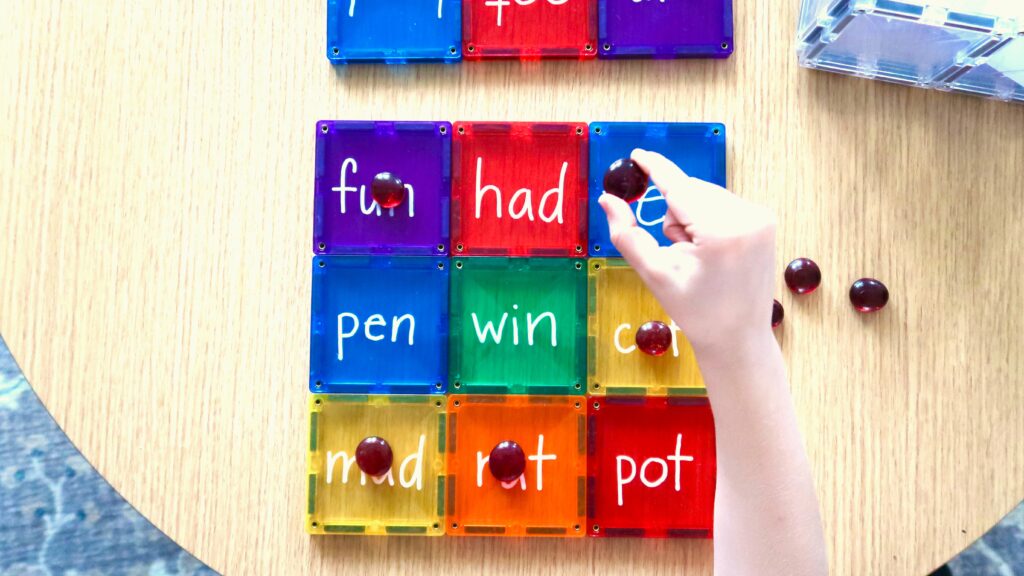
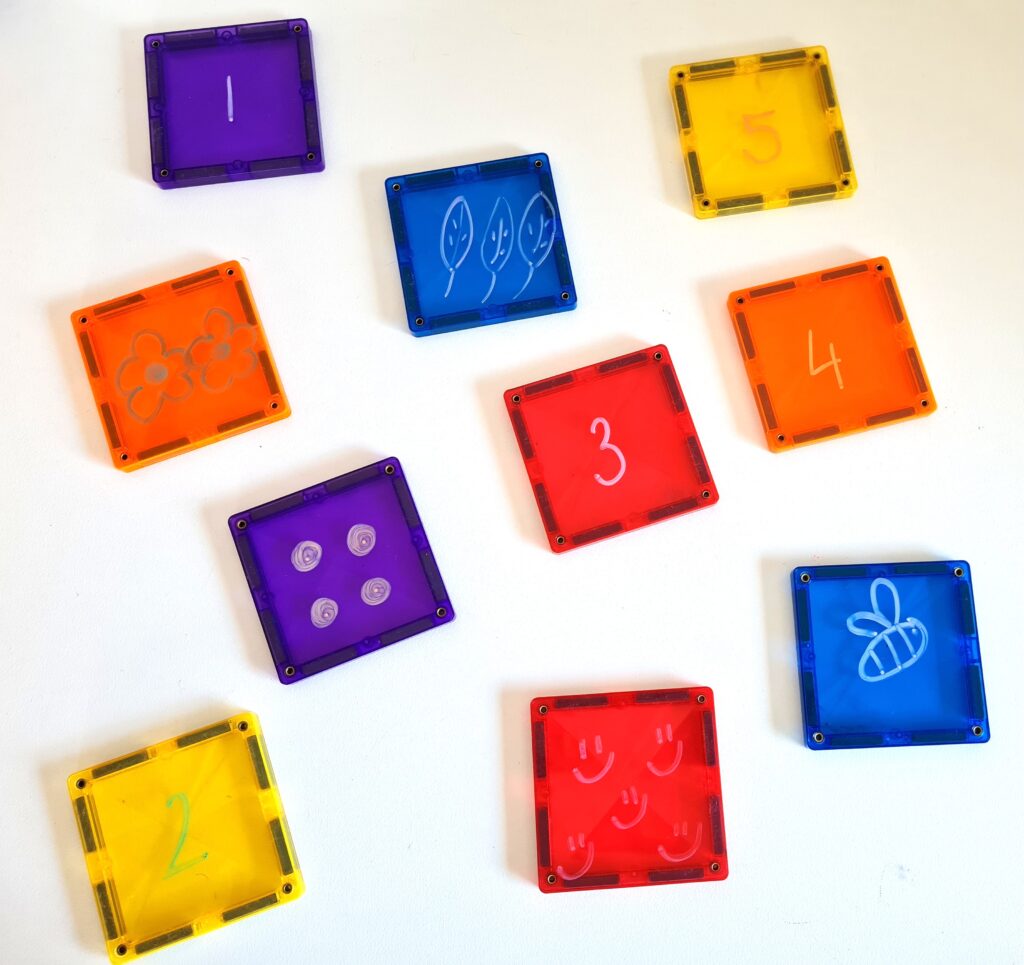
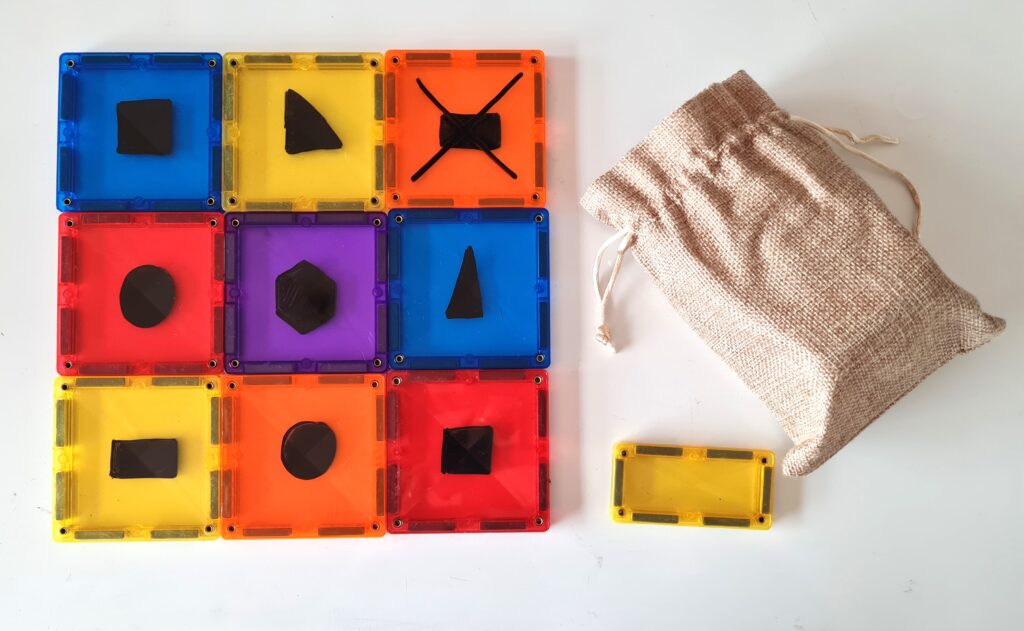
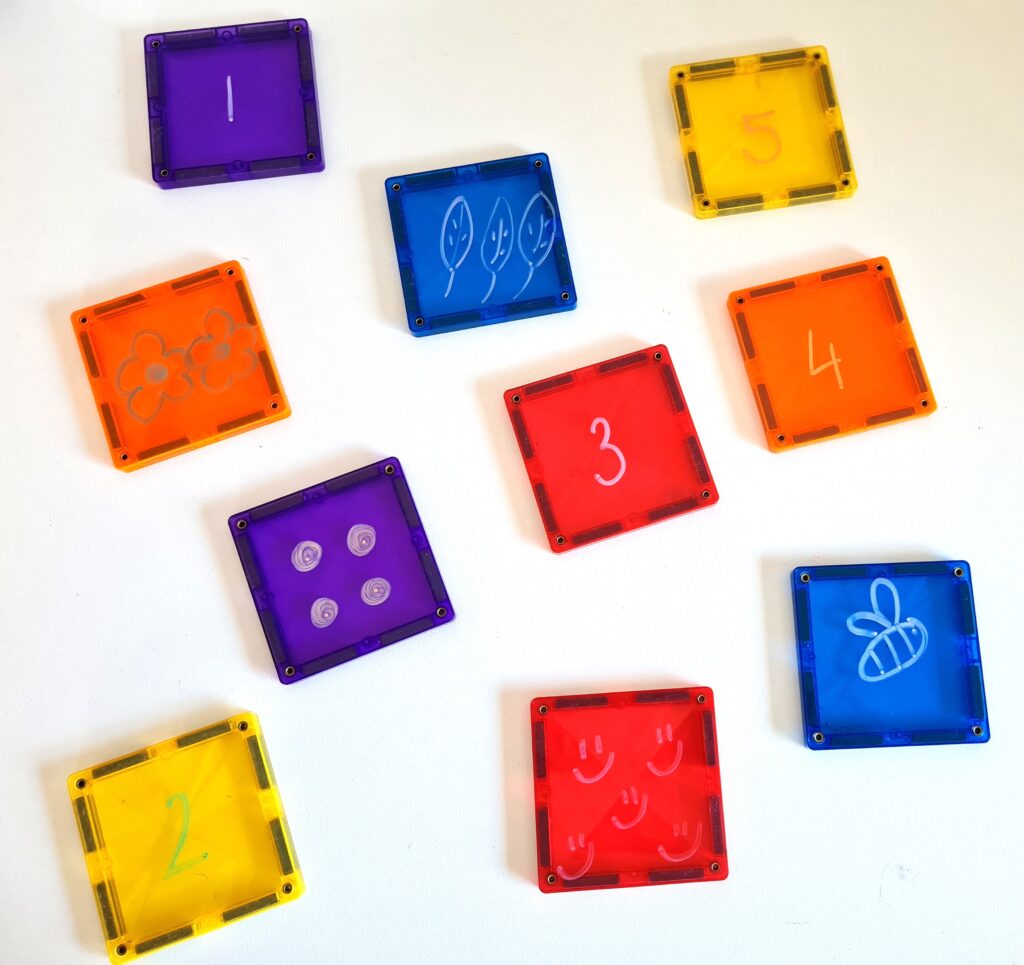
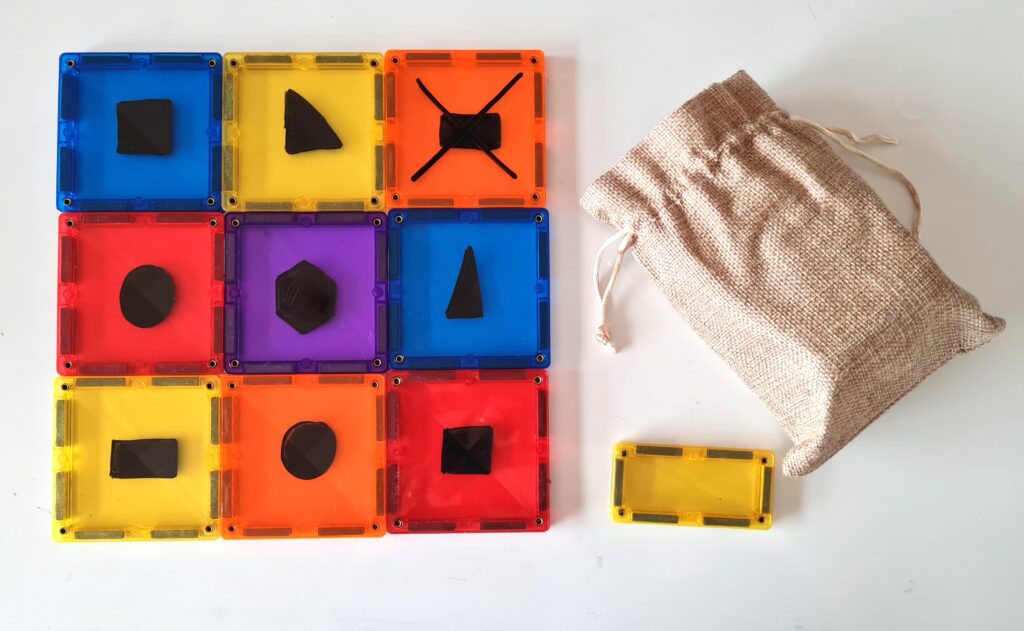
Using a range of mixed coloured square tiles, each player will create a bingo board for themselves. Using the same colours that were used for your bingo board, place another collection of tiles or random items from around the house into a box or bag. Take one tile or item out at a time. If any player has a tile that matches the colour they can cross it off their bingo board. The first to cross off all their colours wins!

8. Create a Colour Wheel Scavenger Hunt

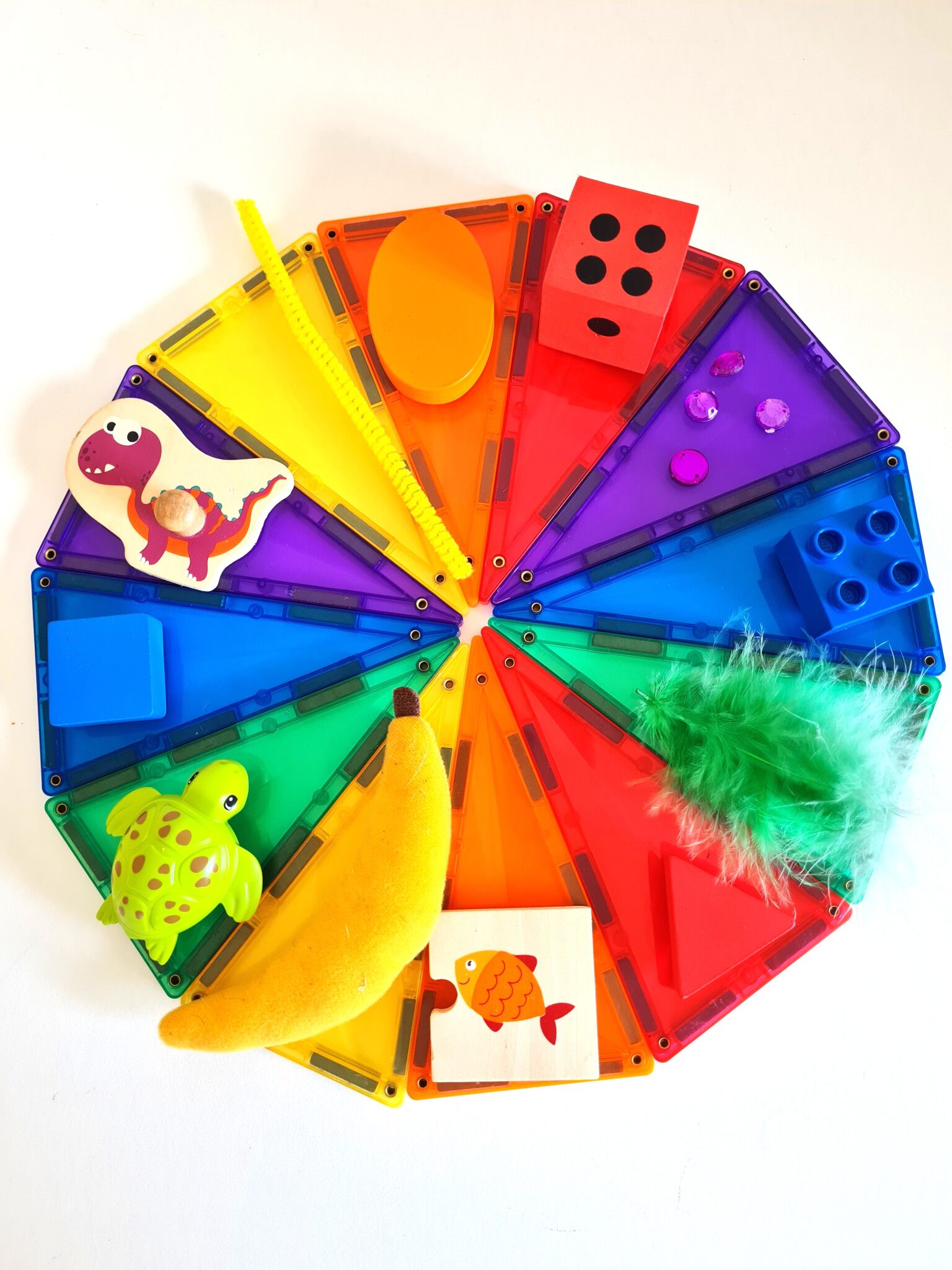
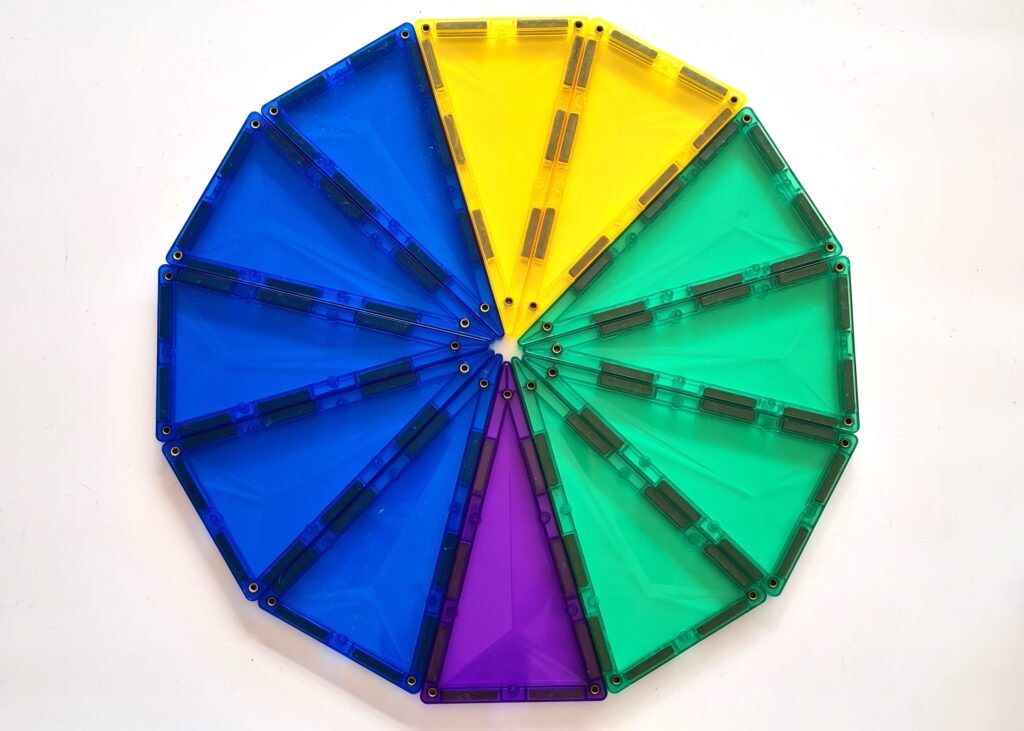
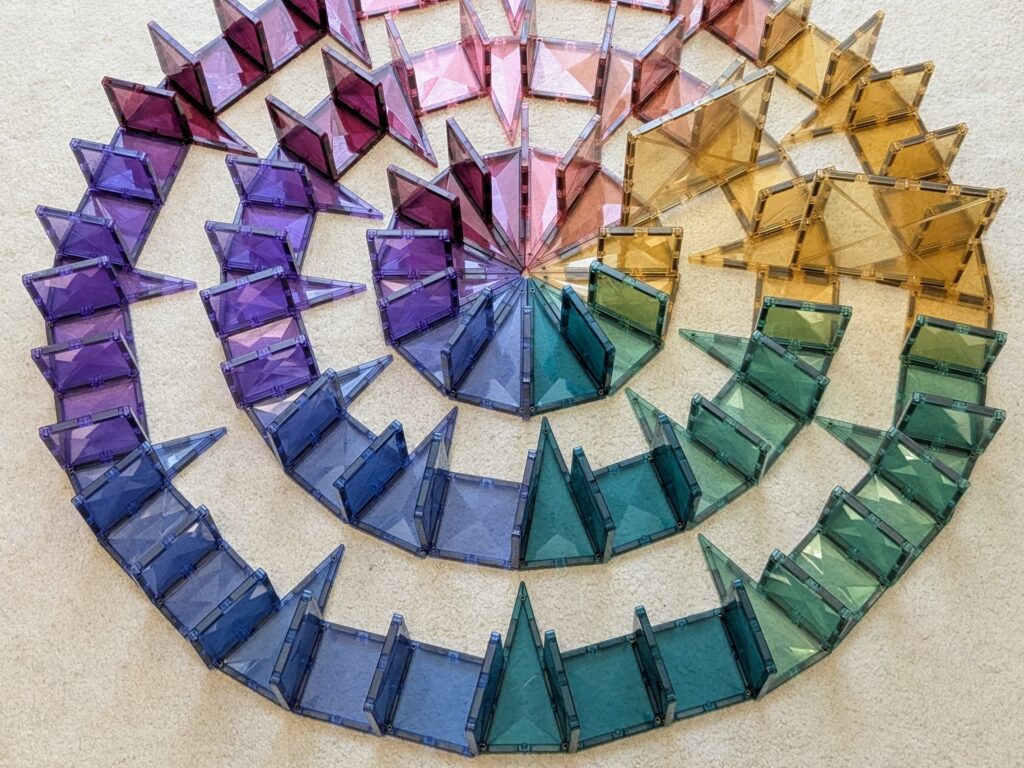
Take two of each coloured isosceles triangles, place them in a circular shape. Together with children, go on a hunt for different items from around the house that match each colour. Place these items on their colour wheel and see which they can fill up the most. For example, a spoon, magnet, a leaf or an apple.

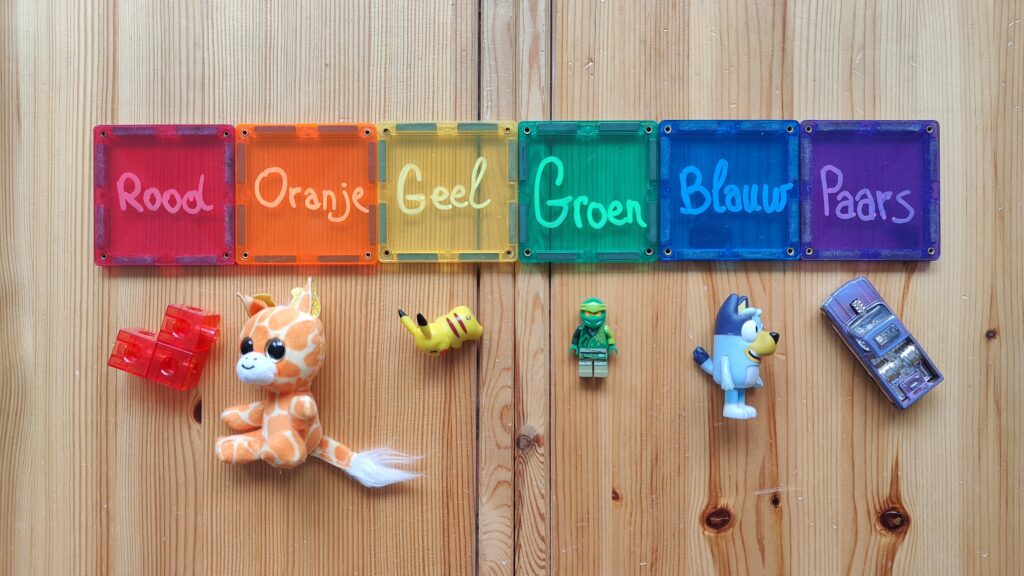
For all of these activities you can add a level of complexity by discussing whether it is light or dark, naming items or objects that fit the description, stating the colour in another language if this is something you are also teaching or further describing the shades of each colour and naming objects that match it (for example, a flower might be lavender in colour rather than just purple). Likewise, you could also integrate other concepts such as counting the amount of coloured tiles you have used within the activity and discussing what shapes have been used.

The Benefits of Learning Colours

  • Improves vocabulary, language development and comprehension skills
  • Aids communication skills as children are able to give further details about the world around them
  • Supports cognitive development of key skills such as sorting, categorising, organising, problem solving and logical thinking
  • Connects to other learning areas such as maths, reading and science
  • Allows children to make connections to important everyday concepts, such as stop signs are red and green traffic lights means go, which are embedded in our everyday environments
  • Supports learning of object recognition
  • Develops and strengthens neural pathways in the brain as children are engaged in problems solving, spatial awareness and memory-based activities which involve complicated processing
  • Helps children to regulate their emotions by teaching them how colours can elicit or be associated with different feelings
  • Engages children’s creativity and imagination.

Now it’s time to jump into a world of creativity and colour with CONNETIX! These hands-on activities are sure to bring a burst of fun and learning to your play, which one will you try first?

You might also enjoy

Stay Updated

If you’d like to be informed when we release one of our new articles about open-ended play and STEAM concepts, please subscribe below.

Join the CONNETIX Club

Access free downloads, exclusive offers, sneak peeks & more!

You might also enjoy

Sign up to the CONNETIX Club!

As a CONNETIX Club member you will be the first to receive the latest play inspiration, expert advice, exclusive updates on our products and giveaways, as well as special offers JUST for Connetix Club members.