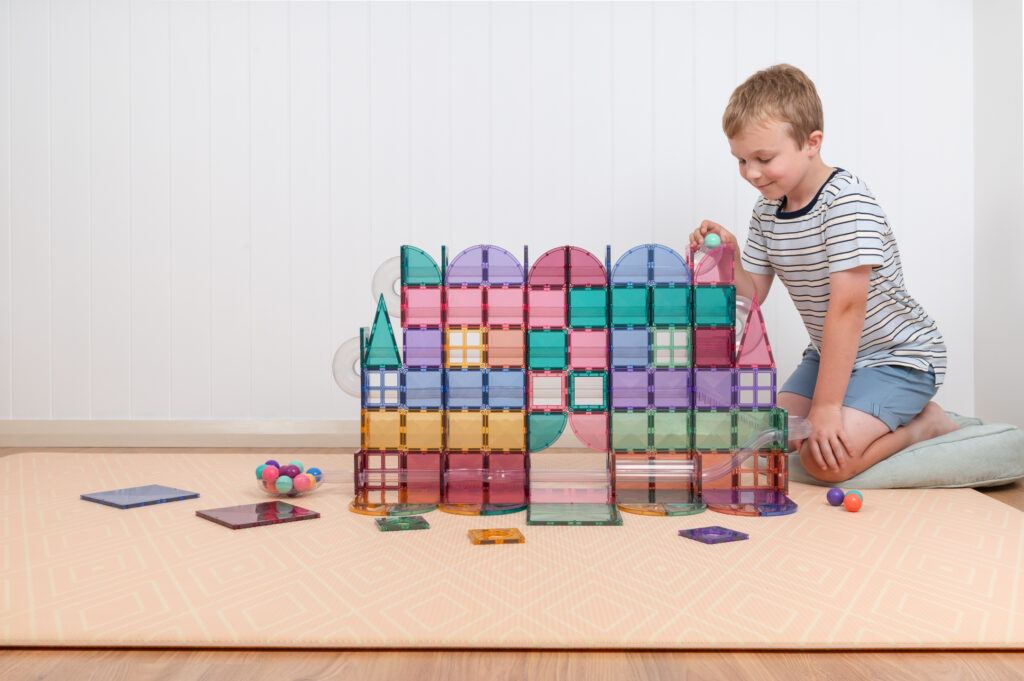
Christmas is done, the New Year has been rung in, and the merry sounds of jingle bells have been replaced with, “I’m bored!” and “I’m hungry!” Feeling uncomfortable and overwhelmed with the constant whinge of boredom, many parents opt to fill the gaps with activities, outings and endless entertainment.
But what if boredom isn’t the problem we think it is? What if it’s actually a hidden opportunity—a gateway to creativity, problem-solving and personal growth?
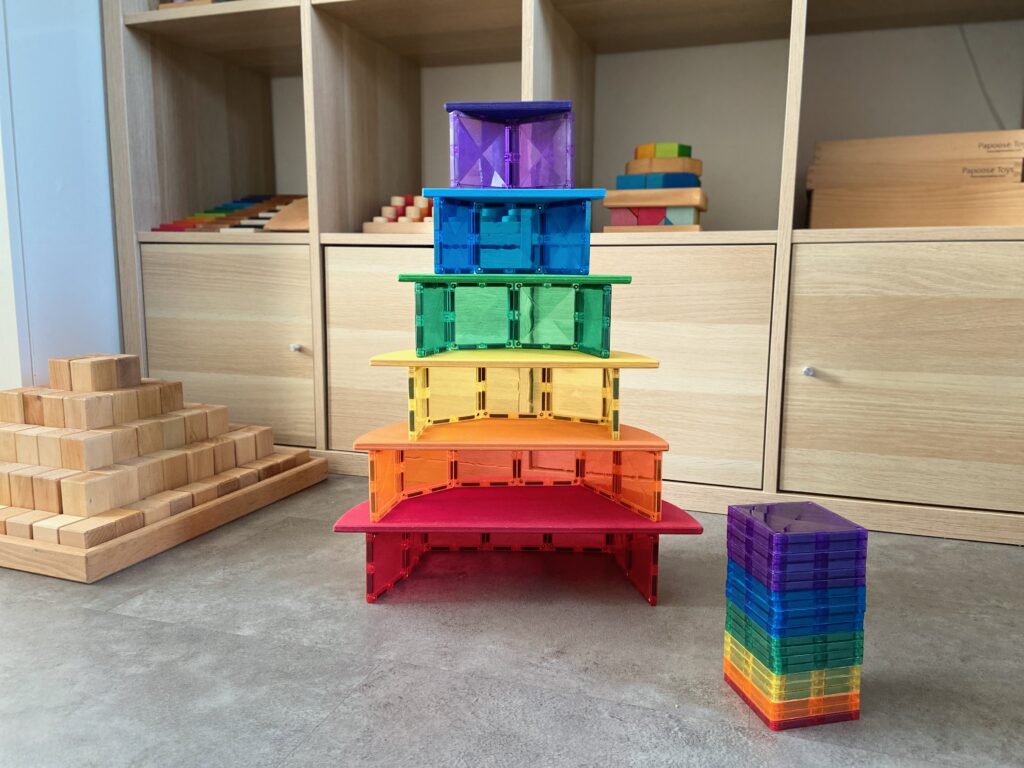
In a world filled with distractions and instant gratification, boredom is a rare and valuable state that encourages children to think outside the box, experiment and discover new possibilities. With a little guidance and the right resources—like open-ended toys such as CONNETIX—parents can transform “I’m bored” into “Look what I made!”
In this blog, we’ll uncover the little-known benefits of productive boredom, share tips for fostering creative play, and explore how CONNETIX can support your child’s journey to creative magic.
1. The surprising benefits of boredom
Boredom helps children develop problem-solving skills, experiment, experience discomfort and build self-reliance. With projections from Forbes indicating that AI could potentially replace around 800 million jobs worldwide by 2030, it’s more crucial than ever for this generation to master experimentation, analytical thinking and problem-solving.
Think of boredom as a bridge to creativity—the only way to get to the destination is to go over it. When children are bored, they tap into their inner resources. Instead of relying on constant entertainment, they explore their surroundings, thoughts and imaginations. This builds resilience and teaches them to navigate challenges independently.
Practical tip: Next time your child says, “I’m bored,” resist the urge to jump in with a solution. Instead, confidently carry on with what you’re doing and acknowledge that finding something to do might feel tricky. Encourage them to think of three ideas they could try, and
Practical tip: Next time your child says, “I’m bored,” resist the urge to jump in with a solution. Instead, confidently carry on with what you’re doing and acknowledge that finding something to do might feel tricky. Encourage them to think of three ideas they could try, and have open-ended toys like CONNETIX, vehicles, loose parts or empty boxes on hand to spark their creativity.
2. Why less structure equals more creativity
Over-scheduling kills creativity; downtime sparks innovation.
In a hyper-organised world, children rarely get the chance to simply be. Free, unstructured time is crucial for fostering imagination. When children move from one structured activity to another—playdates, holiday lessons and more—they’re constantly meeting external expectations. This heightened state of alertness leaves little room for relaxation or free play, both of which are essential for healthy development.
Practical tip: Leave pockets of “white space” in the day where there’s nothing scheduled, nowhere to be, and nothing to do.
3. The role of open-ended play in beating boredom
Toys without predefined purposes unlock a child’s imagination.
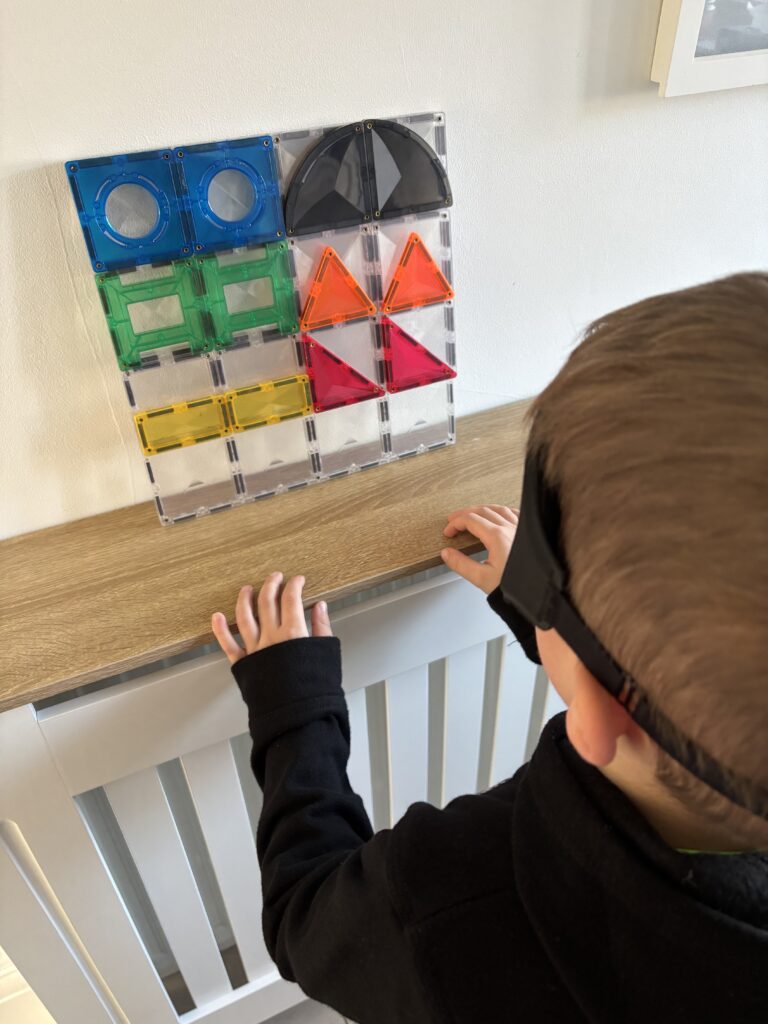
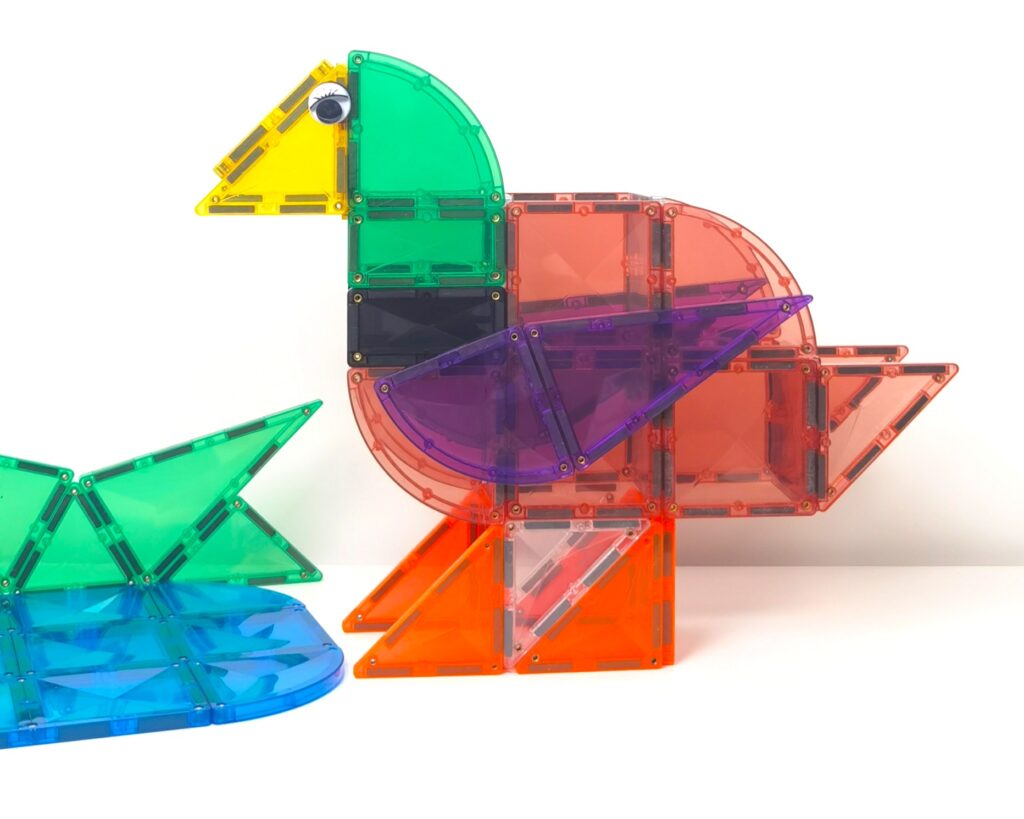
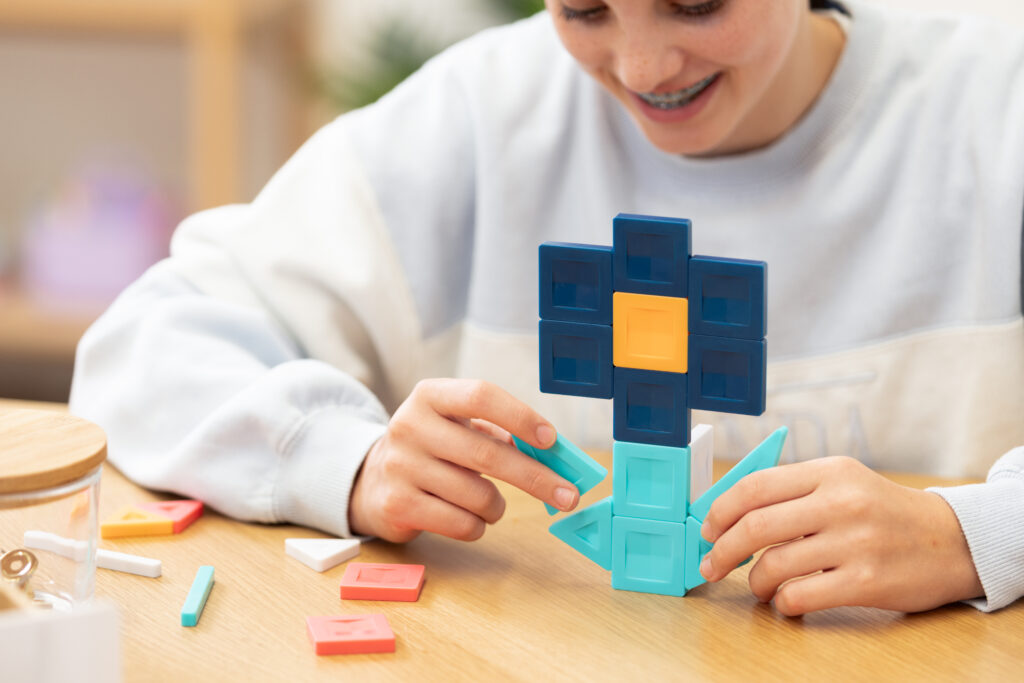
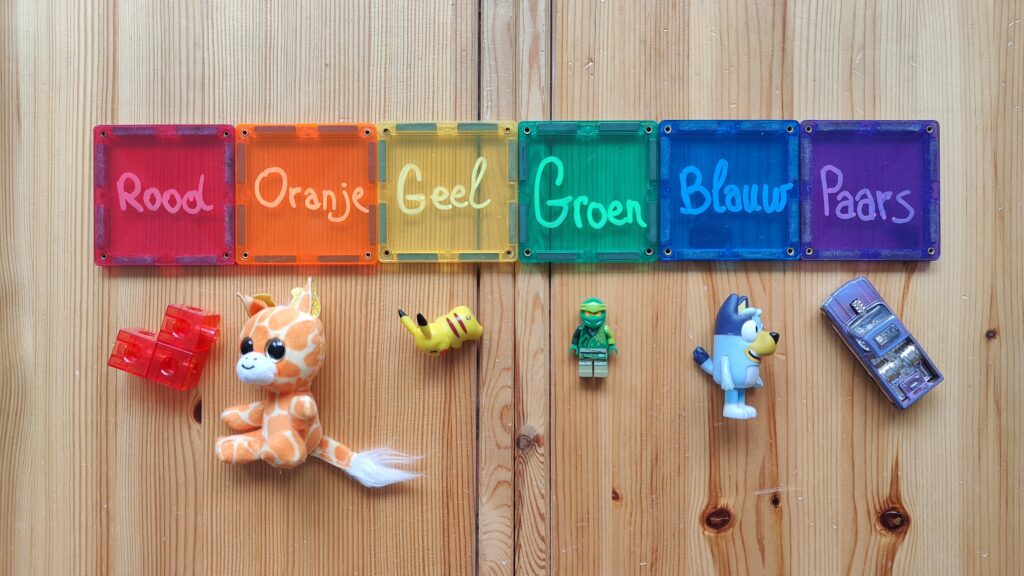
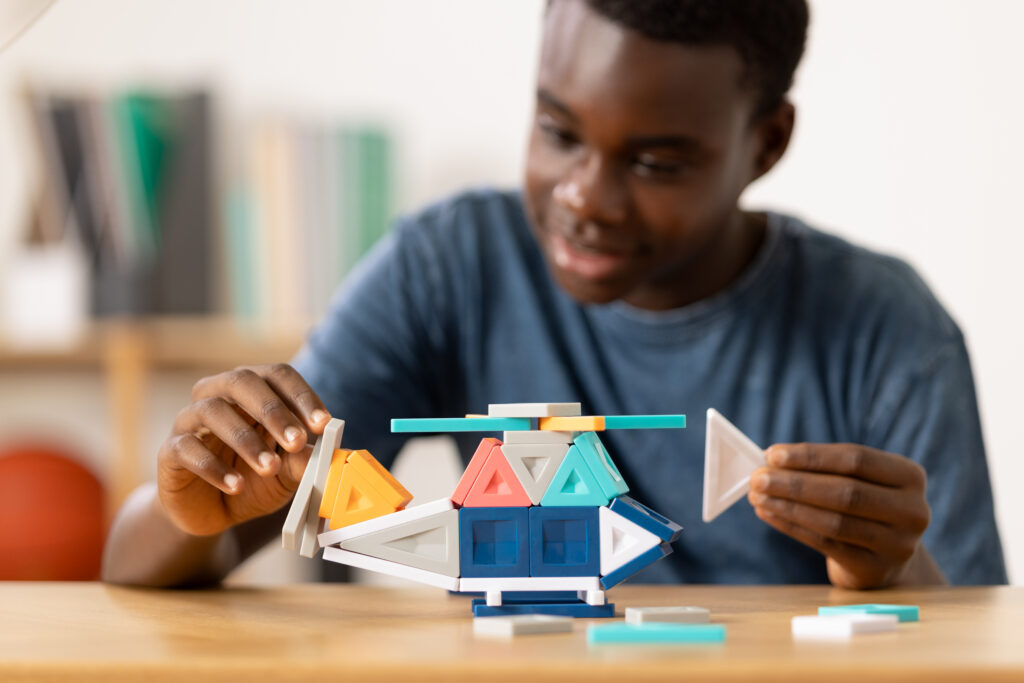
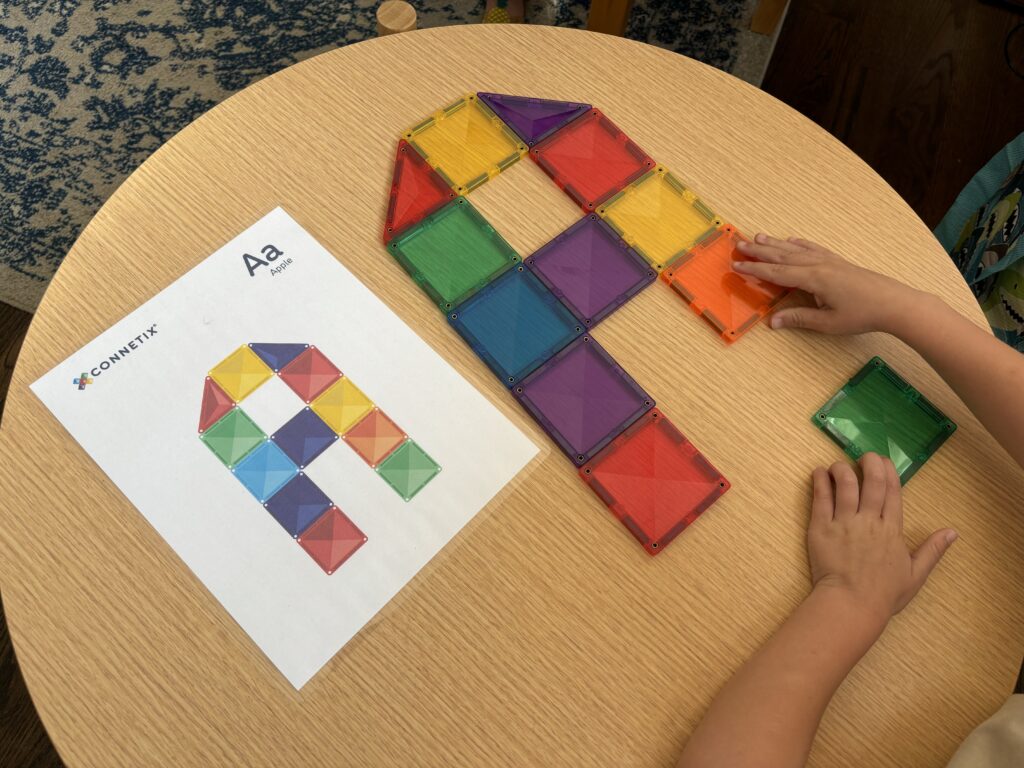
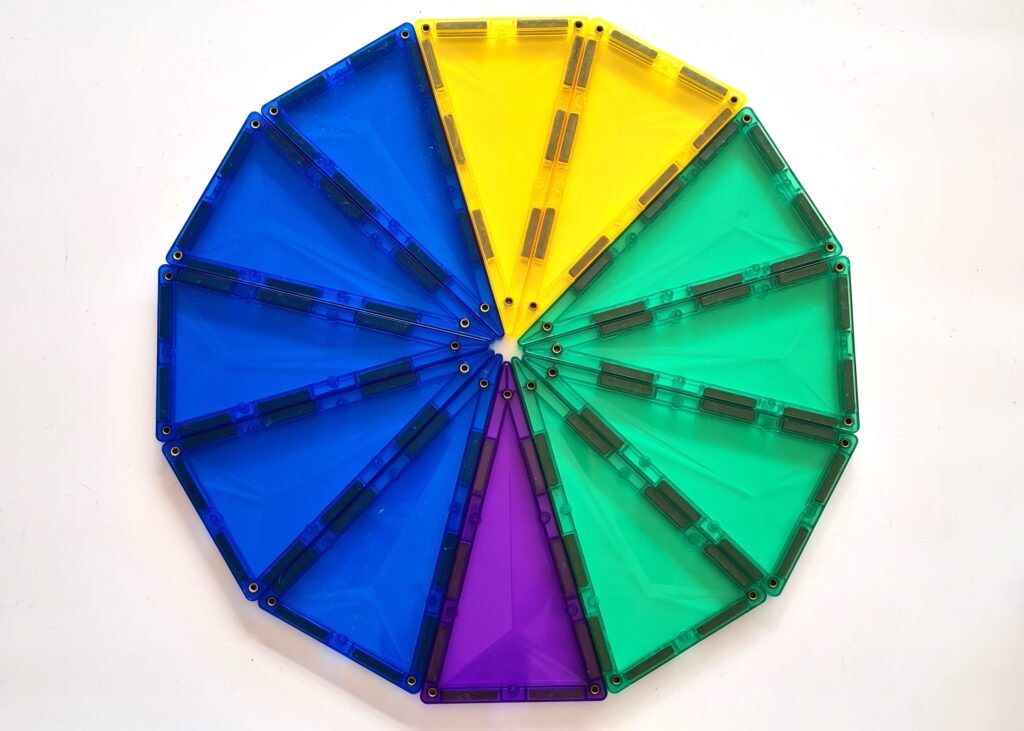
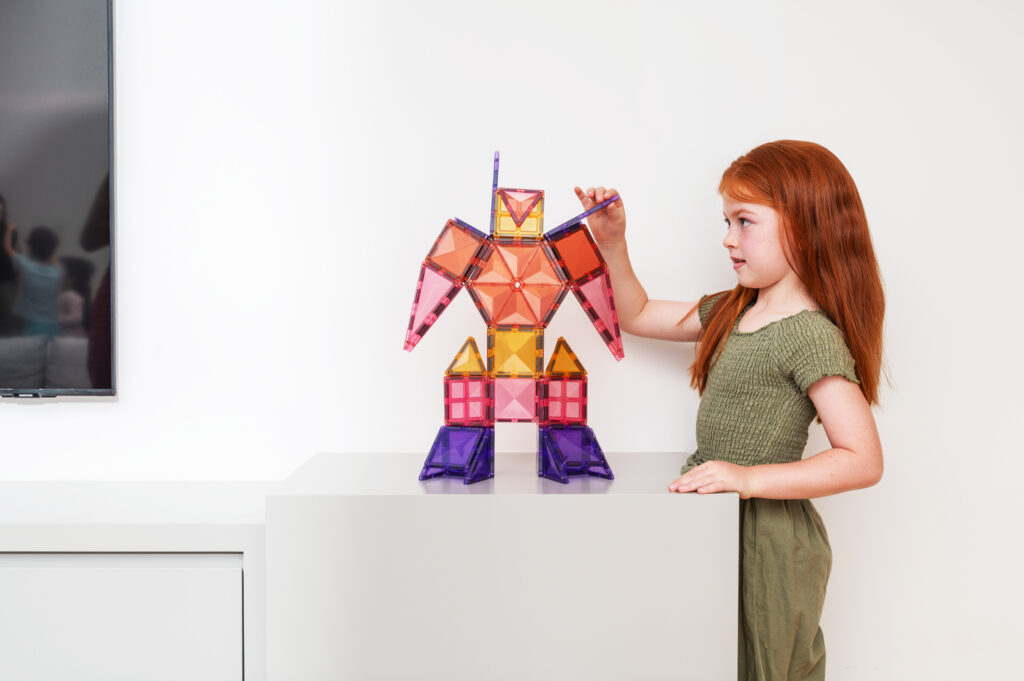
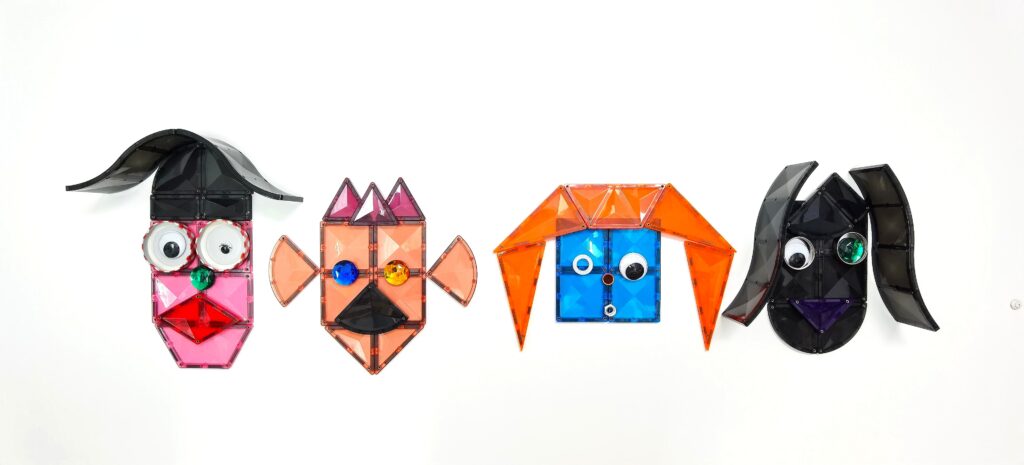
Open-ended toys like CONNETIX provide endless possibilities. These resources allow children the freedom to experiment, make mistakes and try again—all vital for cognitive development. Each child’s imagination can shape how they use the toy, whether it’s functional or whimsical.
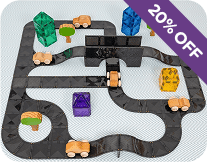
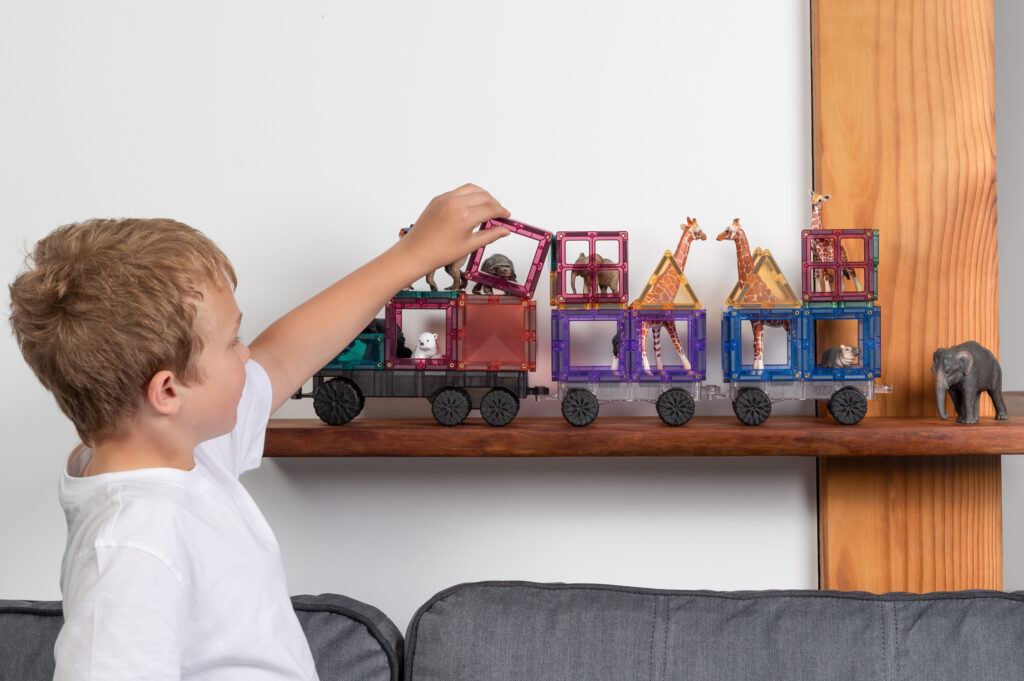
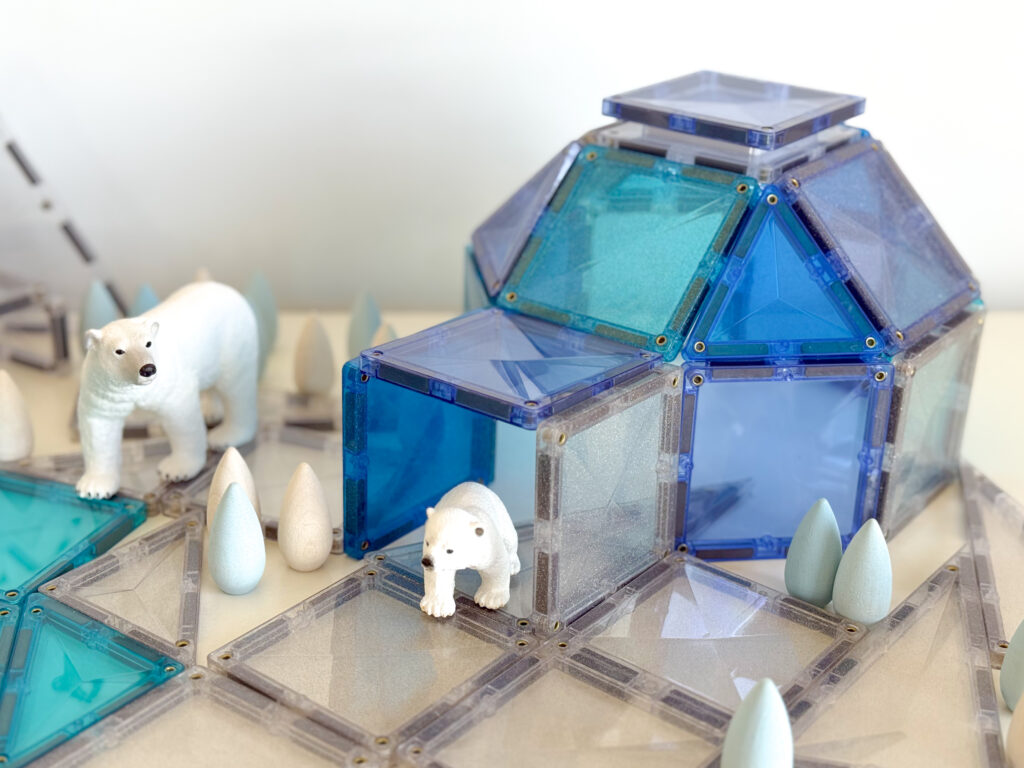
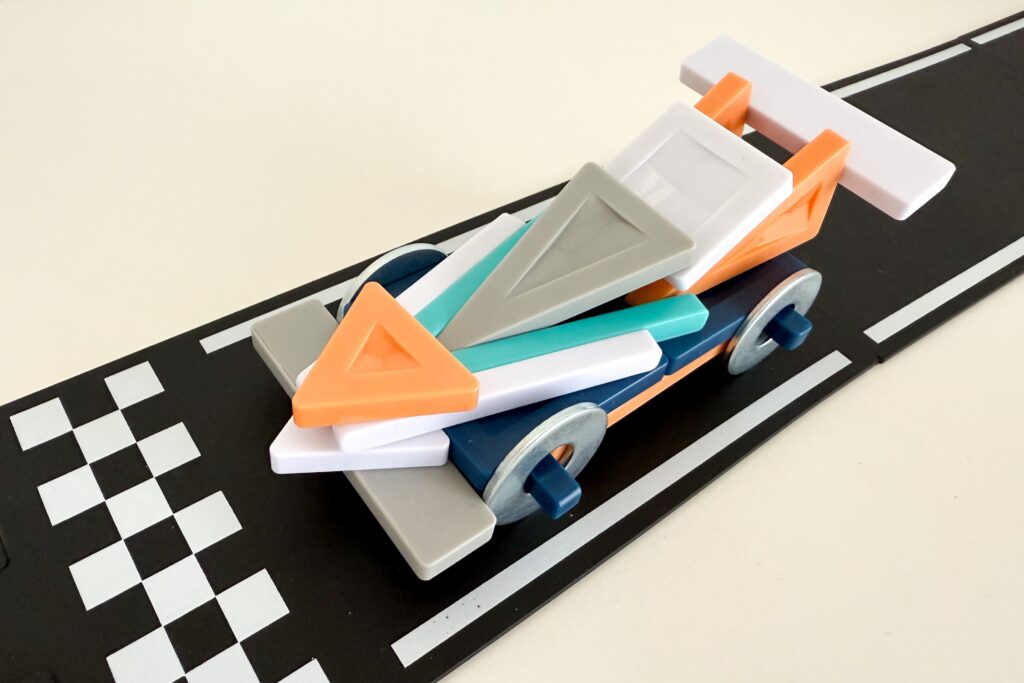
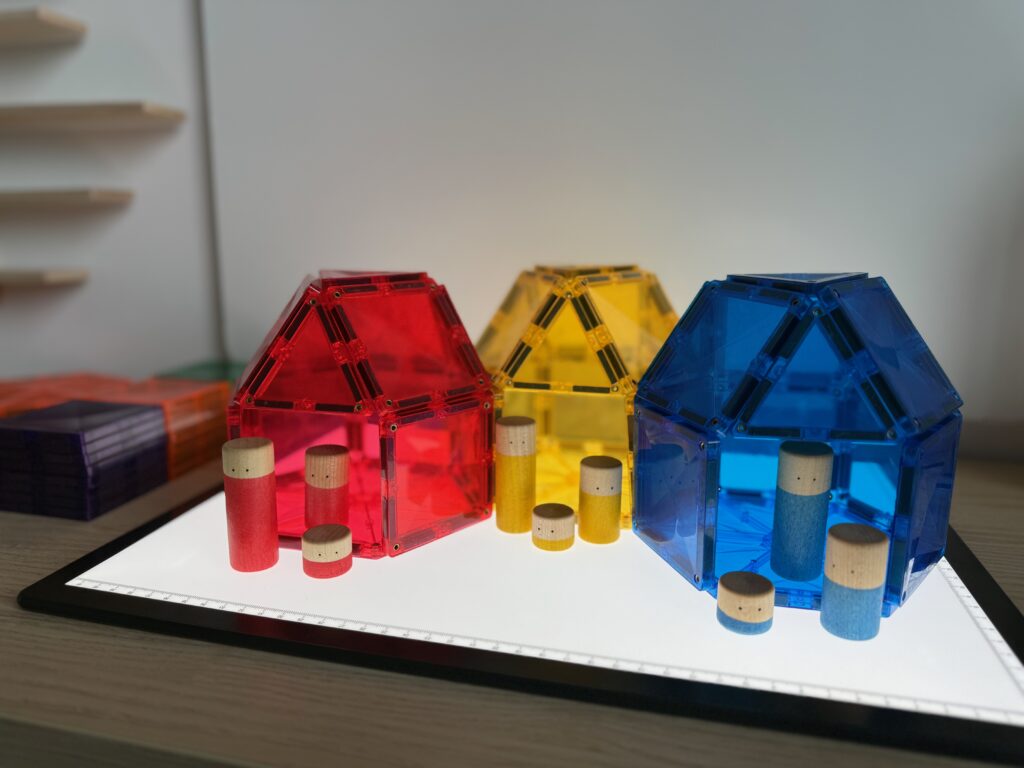
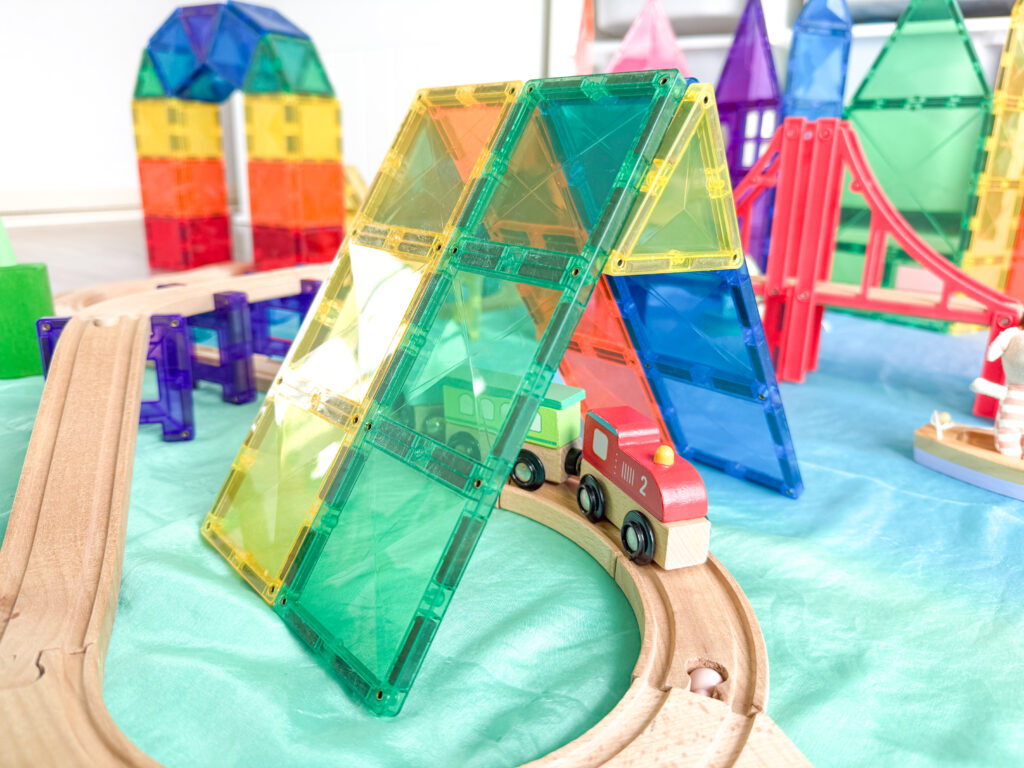
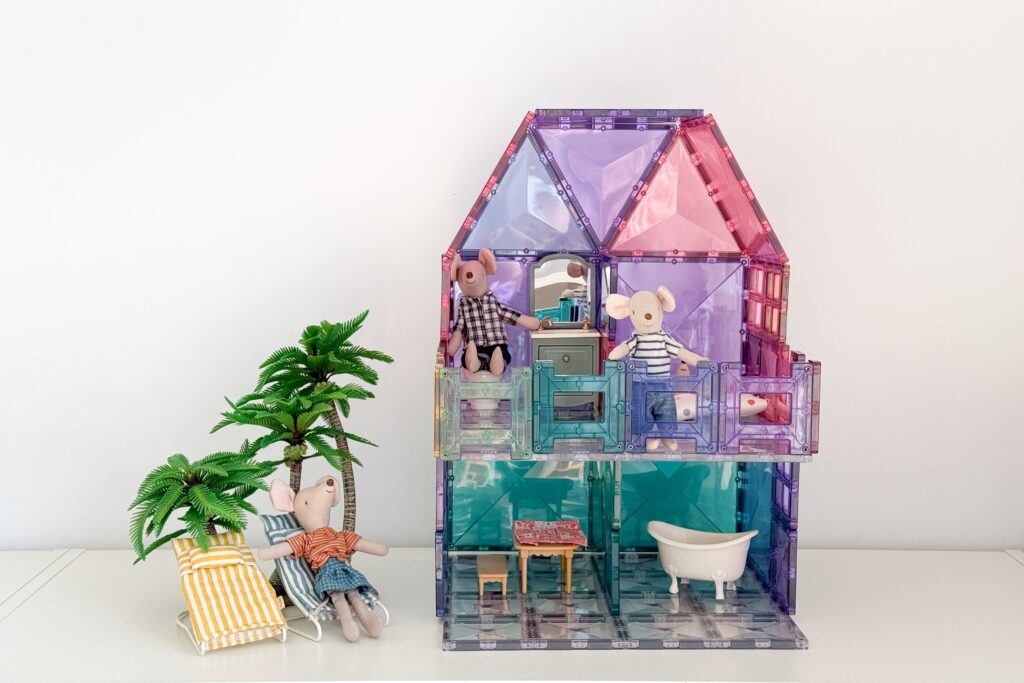
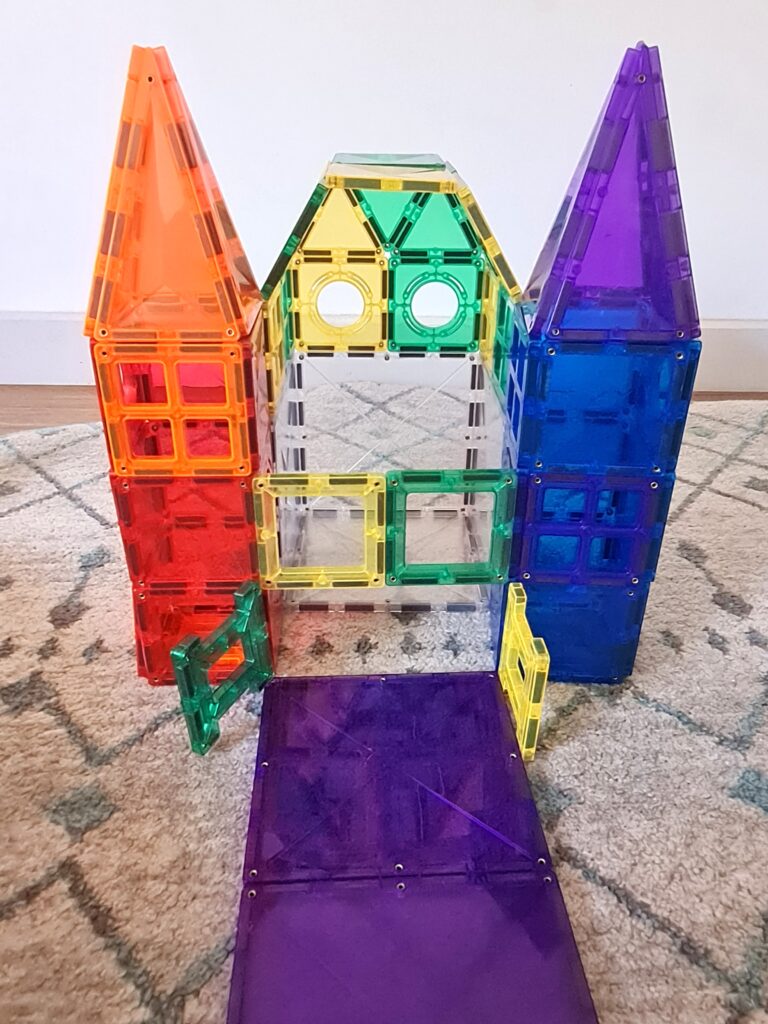
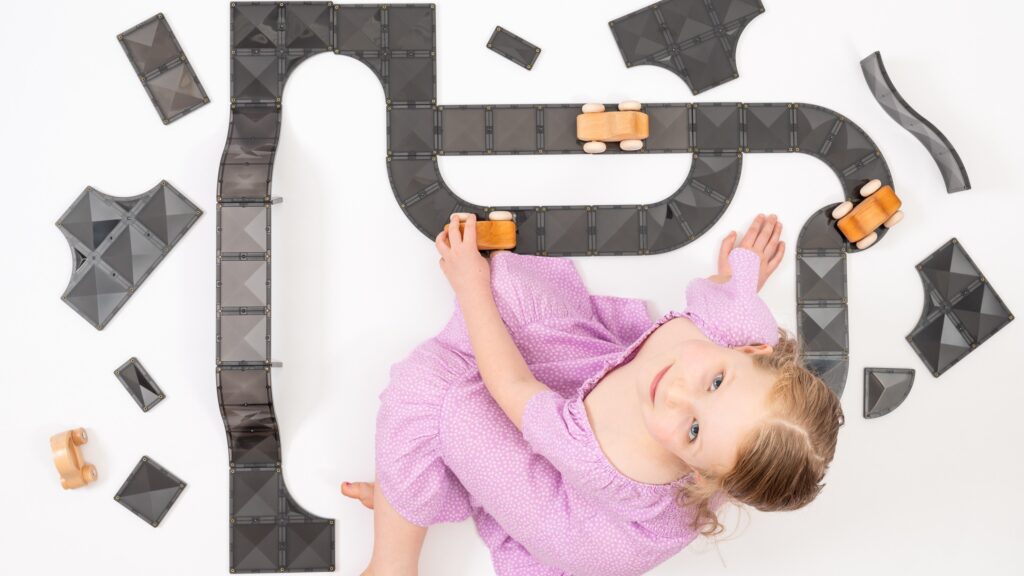
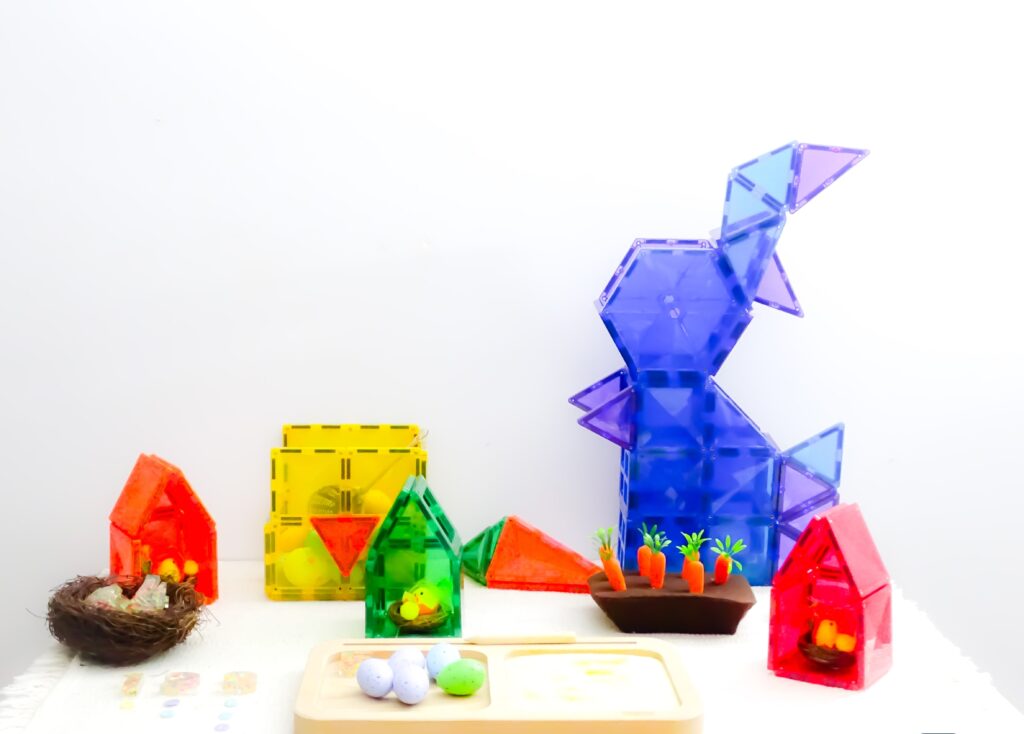
One of my children has used CONNETIX for years, but always for car-related creations—garages, car parks and truck storage yards. When they unwrapped the CONNETIX road pieces at Christmas, their excitement was unmatched. Another one of my children re-creates scenes, such as fairy houses or zoos, reflecting their interests. This versatility is what makes open-ended resources like CONNETIX so appealing.
Practical tip: Overhaul your storage system to make open-ended toys like CONNETIX tiles, loose parts and craft supplies easily accessible.
4. The underrated link between boredom and resilience
Boredom can be frustrating, but learning to sit with it and turn it into something productive is a valuable skill. It teaches children that they have the internal and innate capacity to change their circumstances. This helps them overcome discomfort and delayed gratification, empowering their sense of self-esteem and perseverance.
Practical tip: Allow children to experience the discomfort of boredom. Show confidence in their ability to manage it.

5. How screens may steal creativity
Screens can be entertaining and in some situations, regulating, but they may also steal the space for creativity. While not inherently “bad”, they often offer passive engagement and instant rewards, which leave little room for imagination.
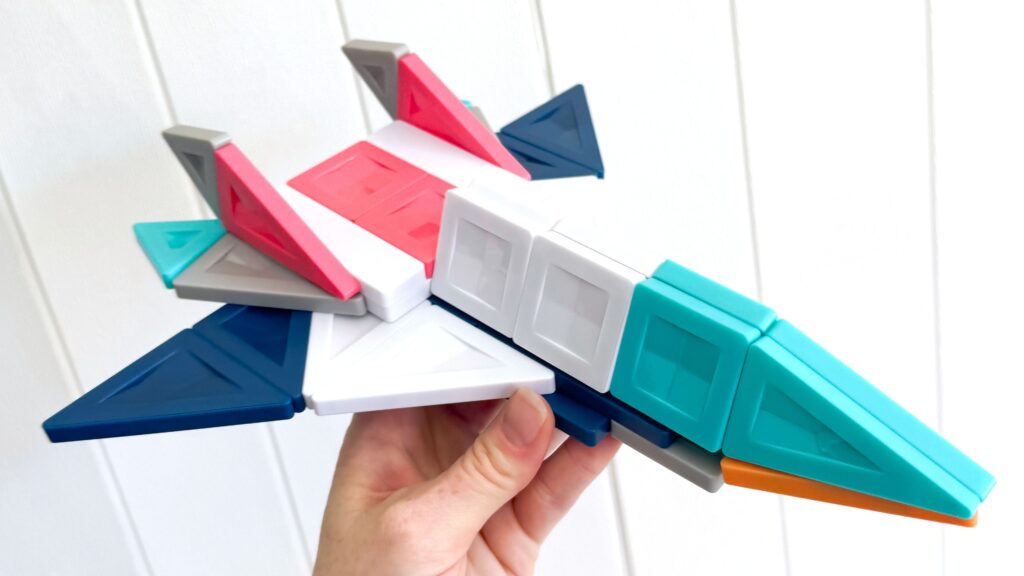
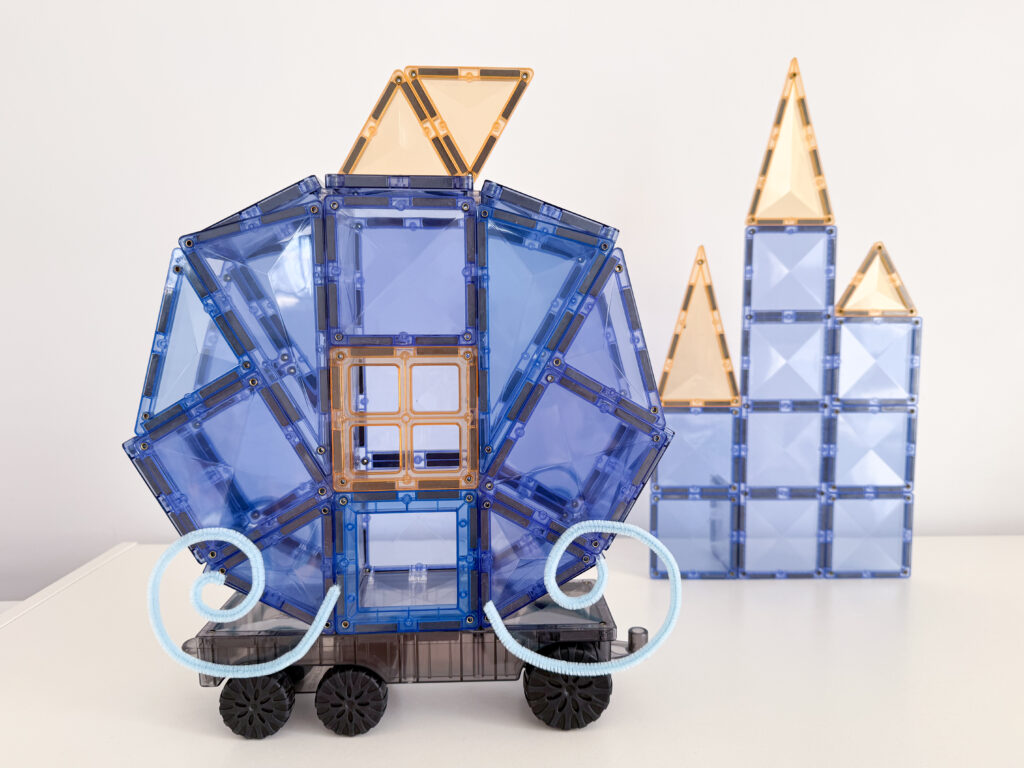
Practical tip: If screen time is creeping up and exceeding what you’d like, consider creating screen-free zones or designated times during the day. Offer alternatives like building a CONNETIX fort or constructing a futuristic vehicle with an empty cardboard box.
6. The power of simple tools for complex ideas
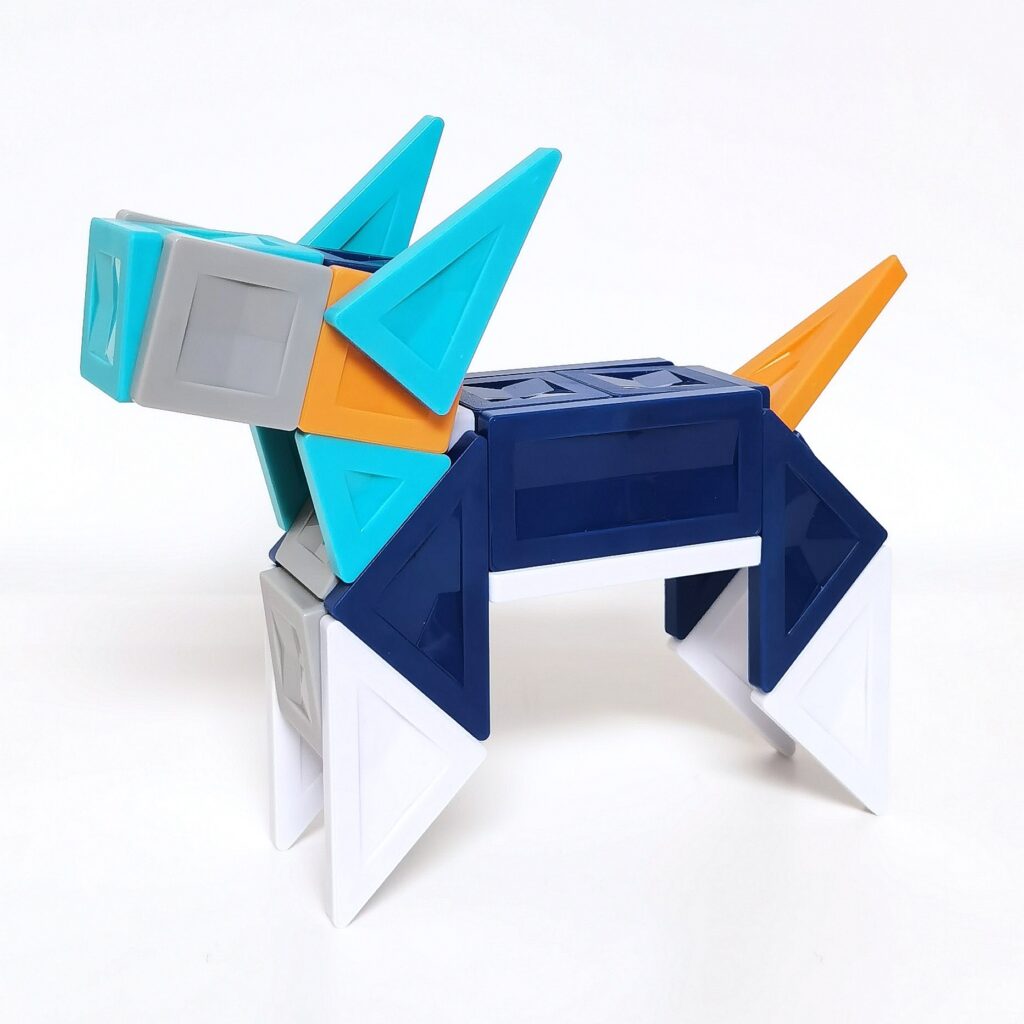
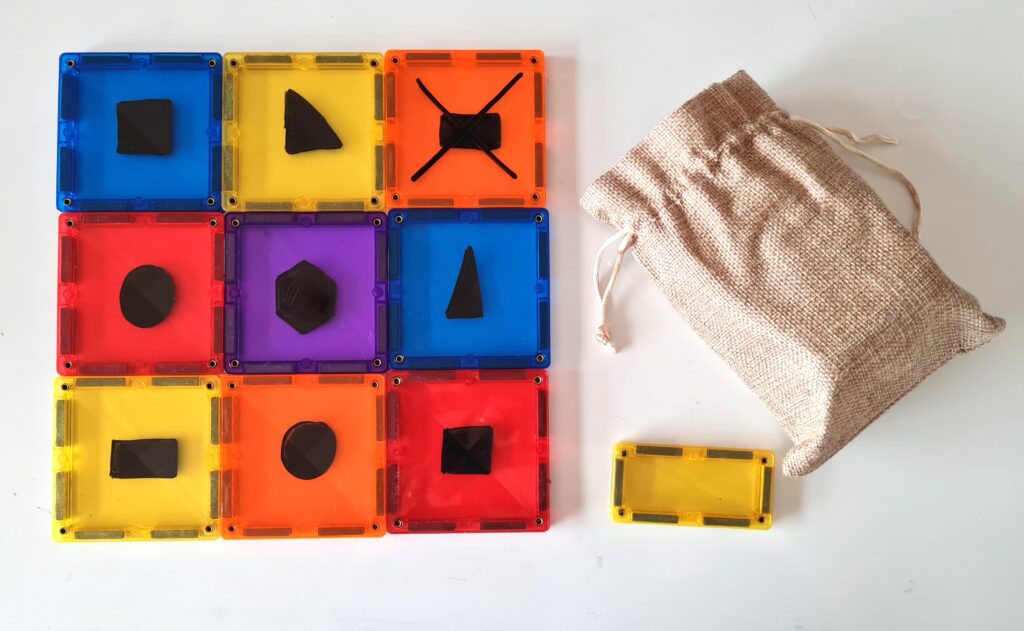
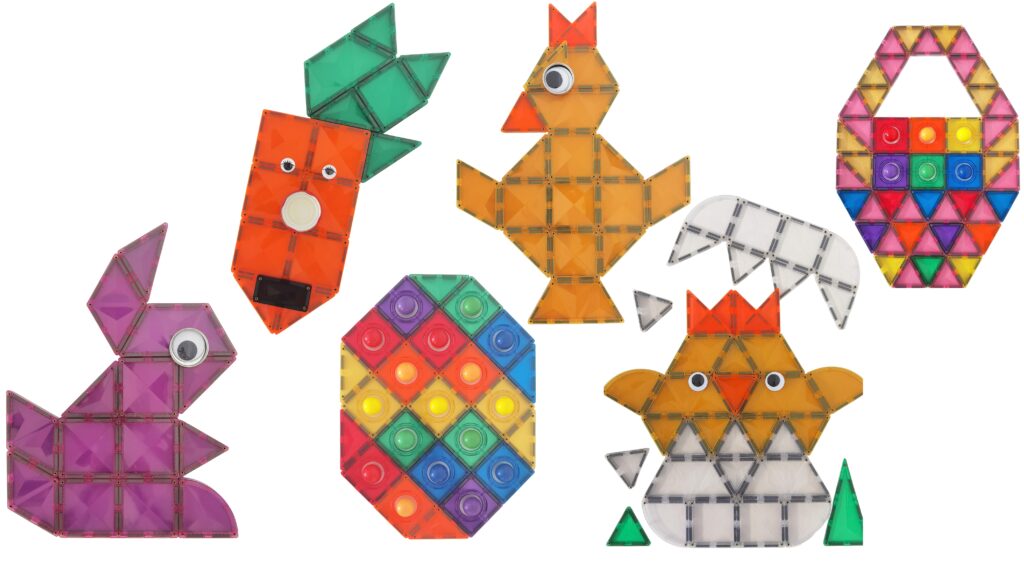
CONNETIX are a perfect example of a seemingly simple resource that encourages deep exploration. After four years of use at our home, I’ve yet to see the same creation twice. Children can build, deconstruct, reconstruct, destroy and reinvent, showing them that multiple possibilities exist for solving problems.
Practical tip: If children are struggling to find something to do, set a challenge to build something inspired by their favourite storybook—a castle for a princess, a spaceship for an astronaut, or even a zoo for stuffed animals.
7. How boredom encourages collaboration
Alongside “I’m bored” and “I’m hungry”, the next most common sound in summer holiday homes is that of siblings fighting! Whilst I know that conflict can also have many benefits to childhood development, I also know how exhausting this can feel. When children play together, they may share ideas, negotiate roles and problem-solve collaboratively; if this feels like a far stretch for you, it may be that your kids need more chance for development and maturation that only time can afford. However, providing lots of opportunities to practice these skills through play can certainly speed up the process.
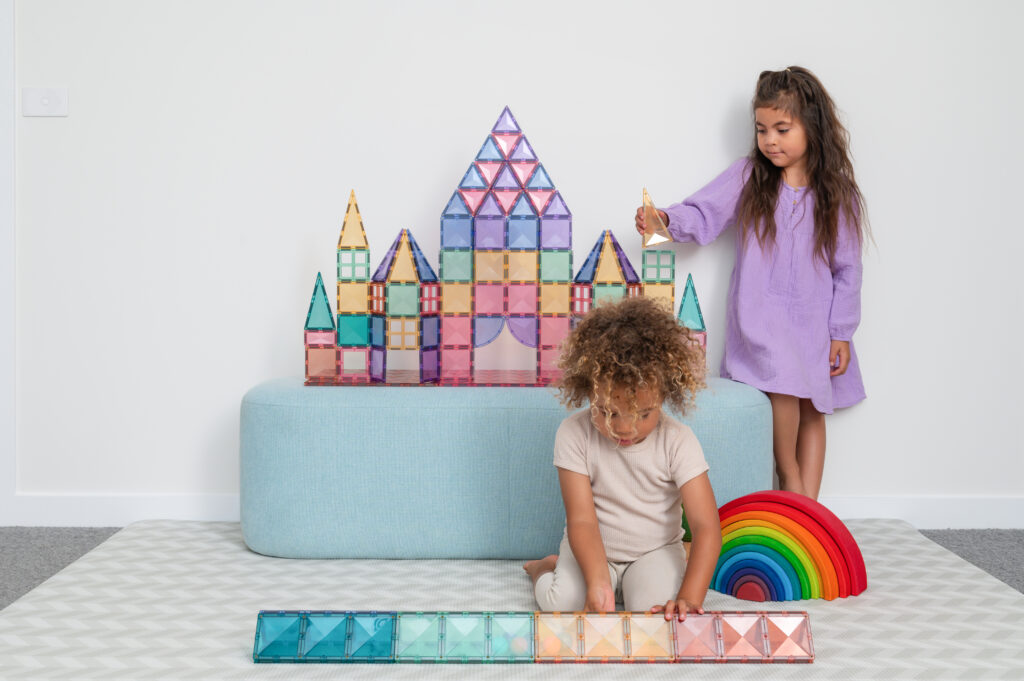
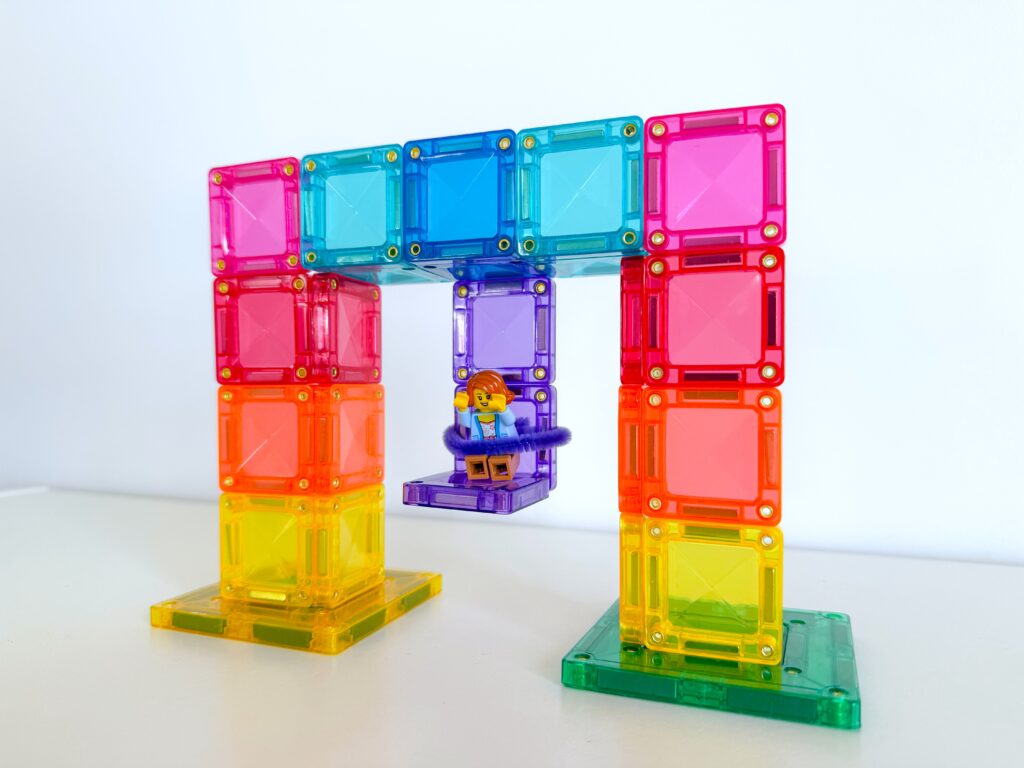
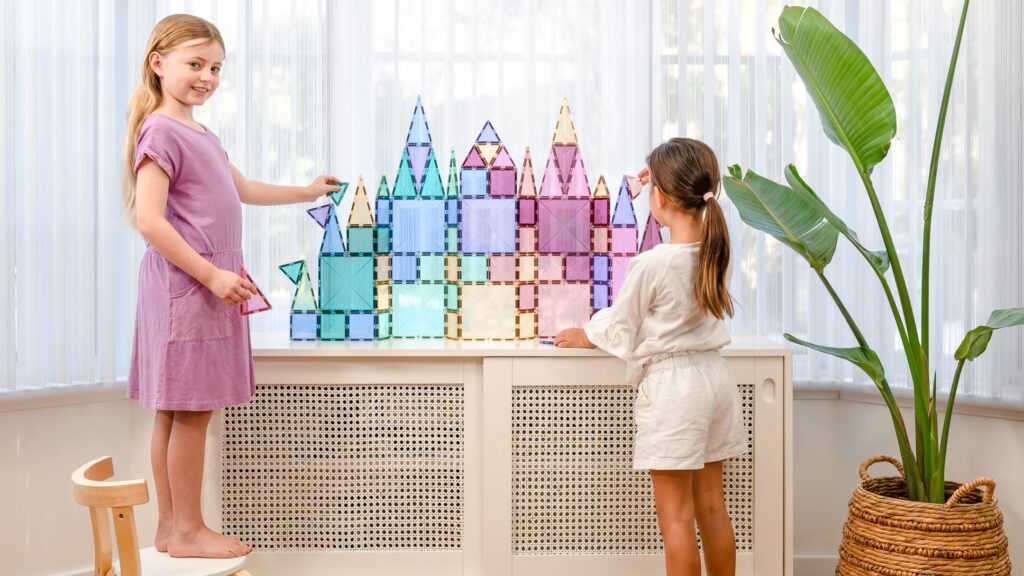
Just yesterday, I could hear the sound of CONNETIX clicking together and then I heard one of my kids say, “I’ll let you decide where that one goes, you seem to have a different idea to me” and even I was shocked. They’ve come a long way from one building and one destroying, but that was all a part of the process. CONNETIX are ideal for group play, enabling kids to work as a team to build complex structures, offer different perspectives and ultimately understand that there may be many ways to achieve an outcome.
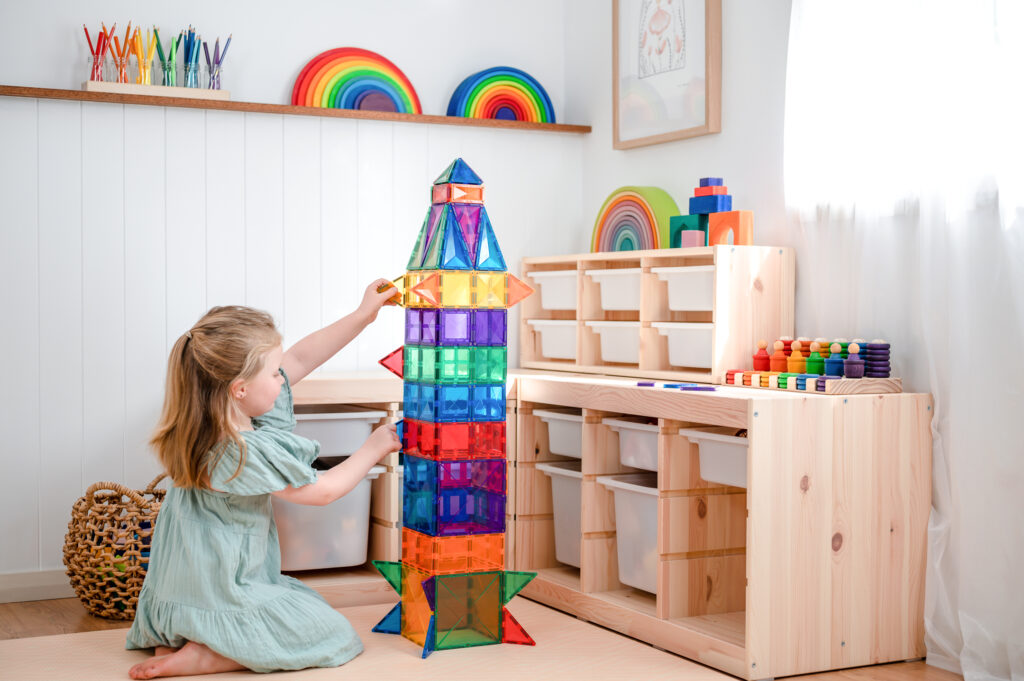
Practical tip: Set up a “build challenge” for siblings or friends. Who can build the tallest tower or the strongest bridge using CONNETIX?
8. The joy of exploring the unpredictable
When there’s no set activity or instructions to follow, children are naturally drawn to experiment. Trial-and-error approaches help them understand cause and effect, test boundaries and develop critical thinking skills.
Practical tip: Encourage “what if” scenarios while playing with CONNETIX:
- “What if we made this structure taller? What would happen?”
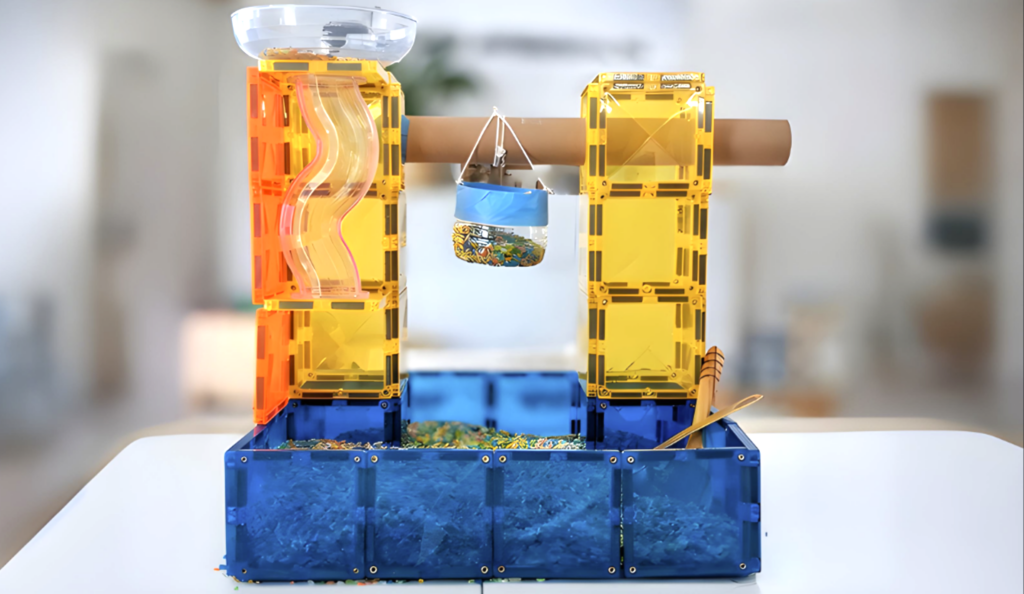
- “How could you make the ball go faster down the run?”
- “Can you build something that doesn’t fall over if you shake the table?”
9. How nature and toys combine for endless play
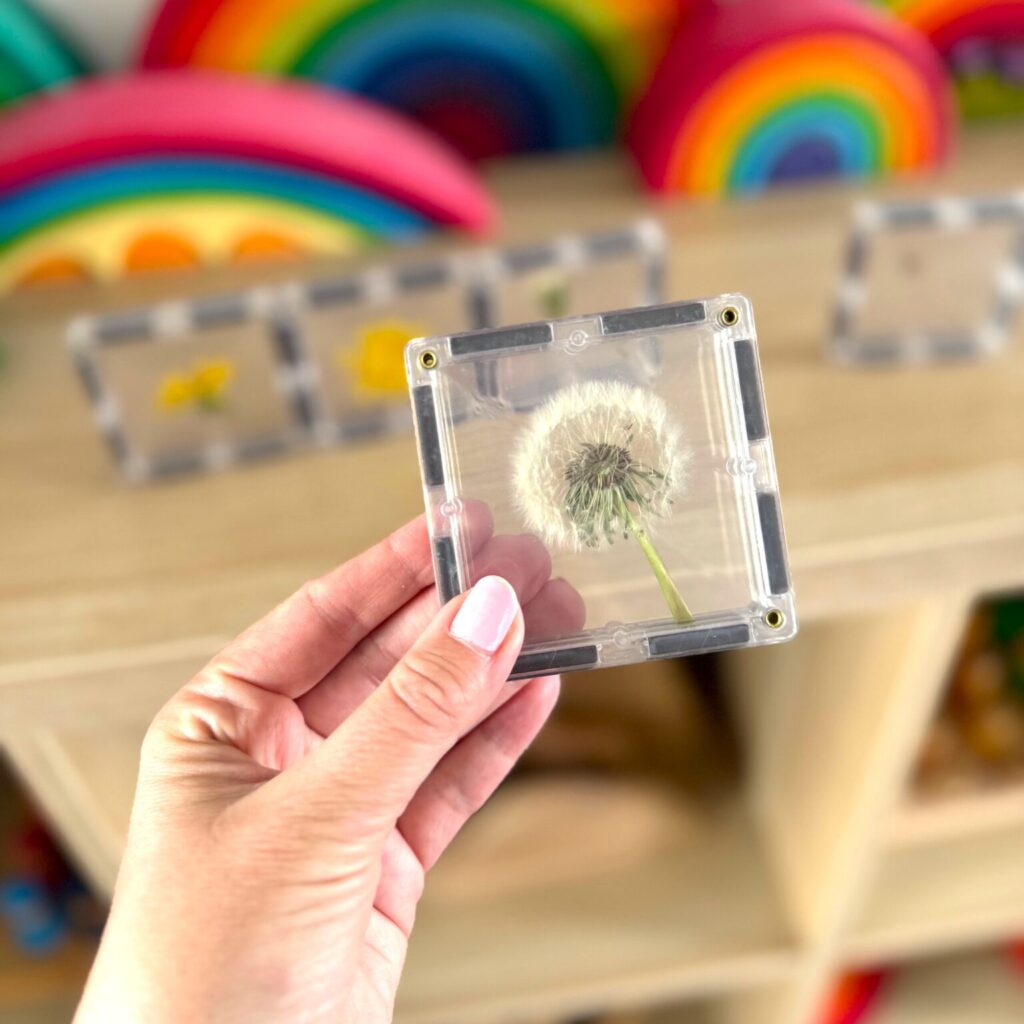
Mixing up the environment can spark new ideas for creativity and imagination. Taking toys like CONNETIX outdoors can invigorate new interest and create opportunities to discover and explore them in entirely different ways. Children may feel inspired to use something that they otherwise would have walked straight passed inside. For instance, the way the sun shines on the colours may look different outside, the way the tiles may change the colour of grass or seeing pretty flowers squashed between them could all captivate new interest.
Practical tip: Take a box of CONNETIX outside next time you’re hanging out the washing. Notice as your child integrates natural elements like rocks, leaves and flowers into their creations.
10. How boredom fosters lifelong learning
When children find their own ways to entertain themselves, they develop intrinsic motivation to explore, learn and grow. This foundational skill will benefit them throughout their lives, giving them the courage to try and the perseverance to try again if needed.
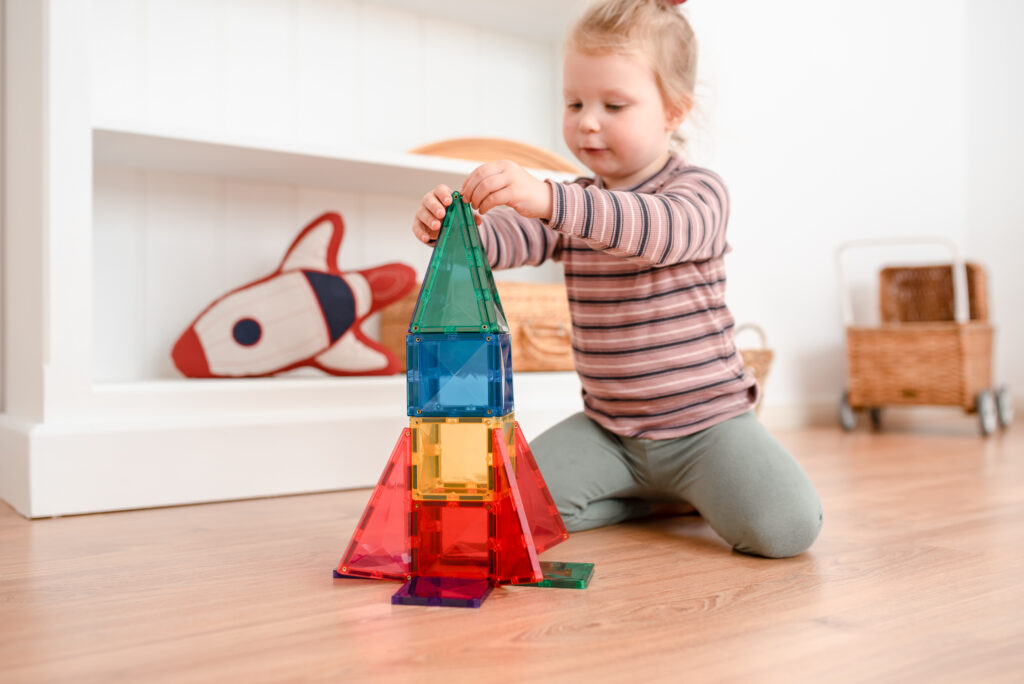
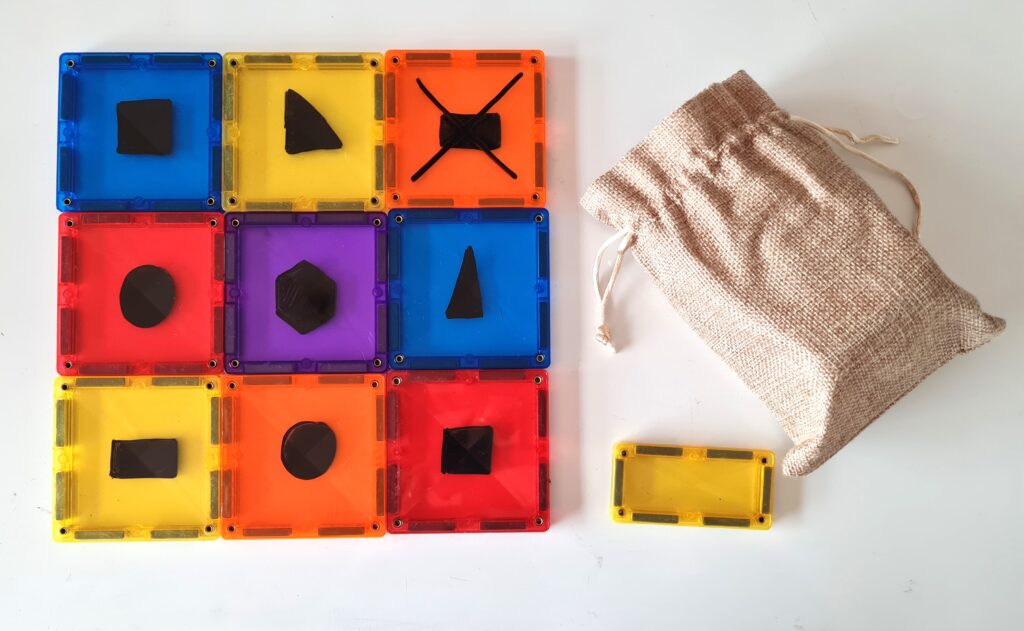
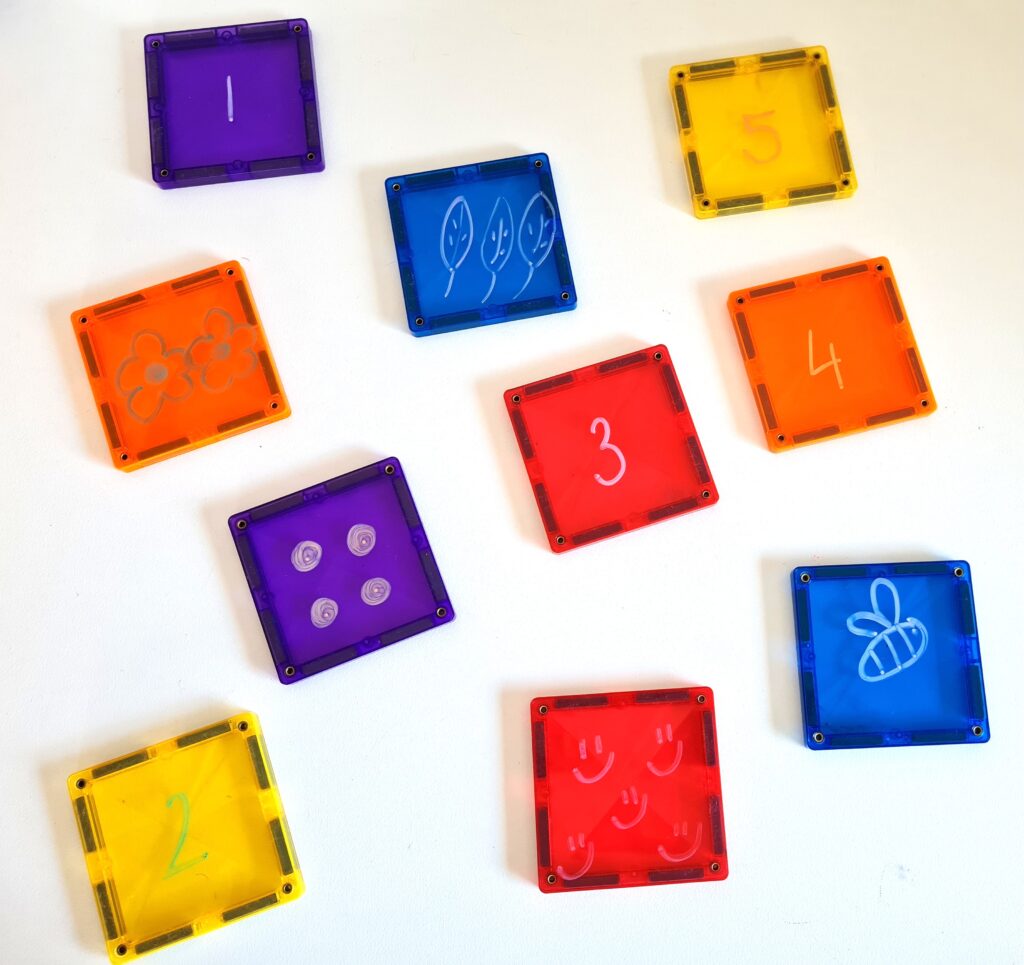
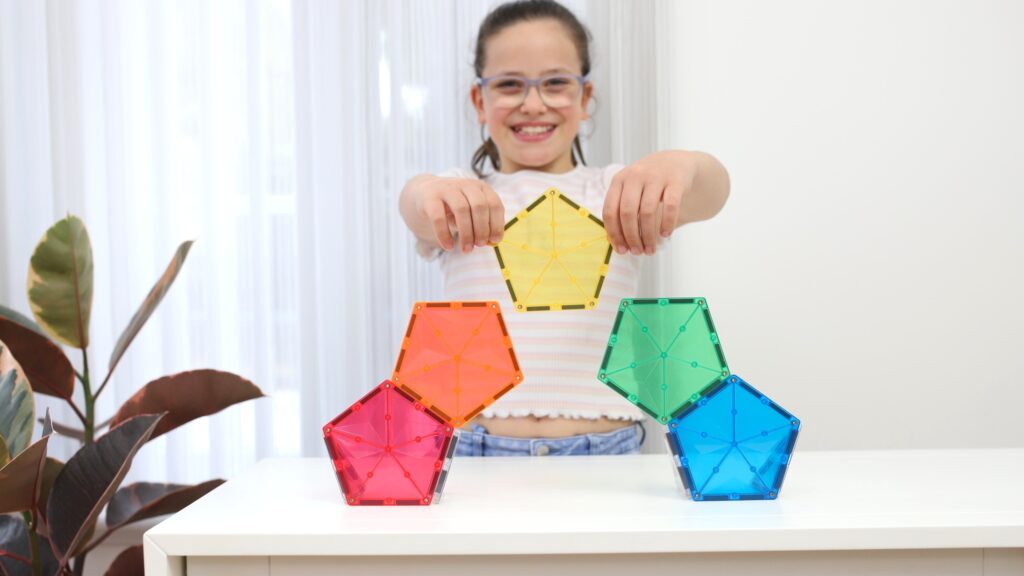
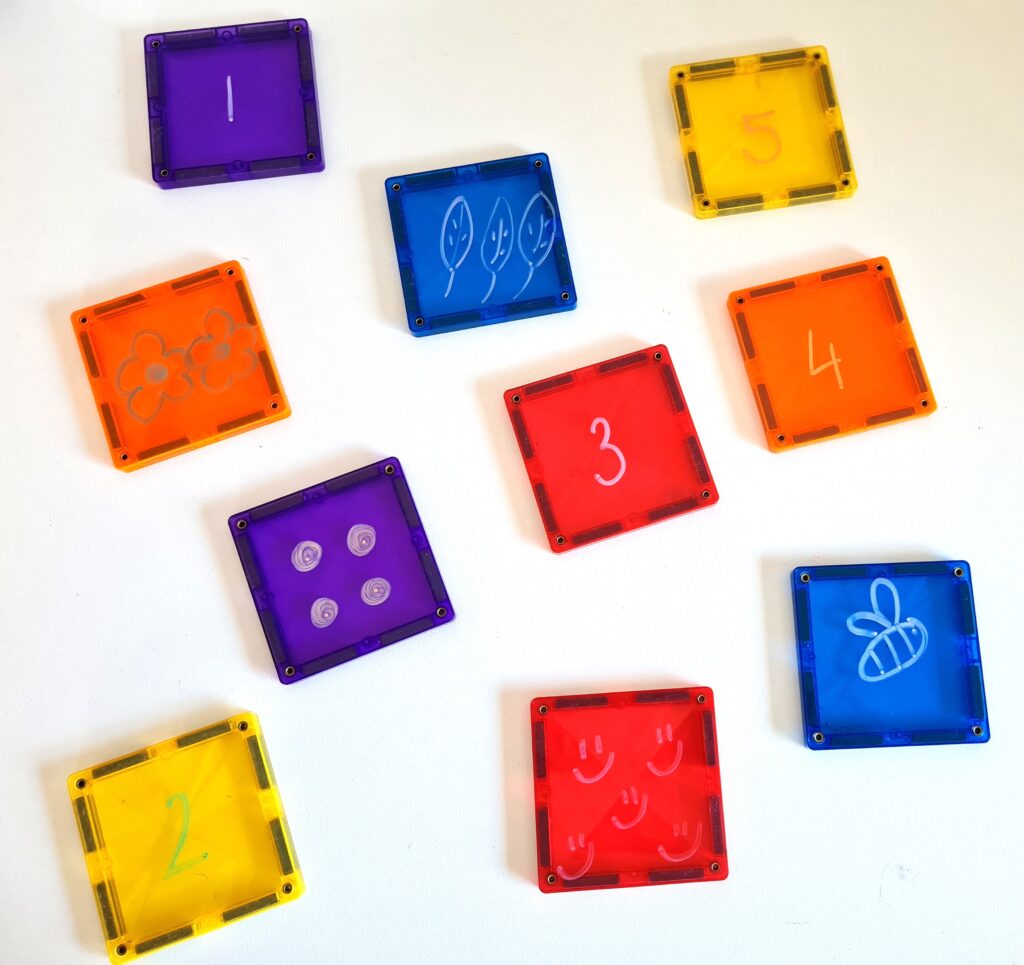
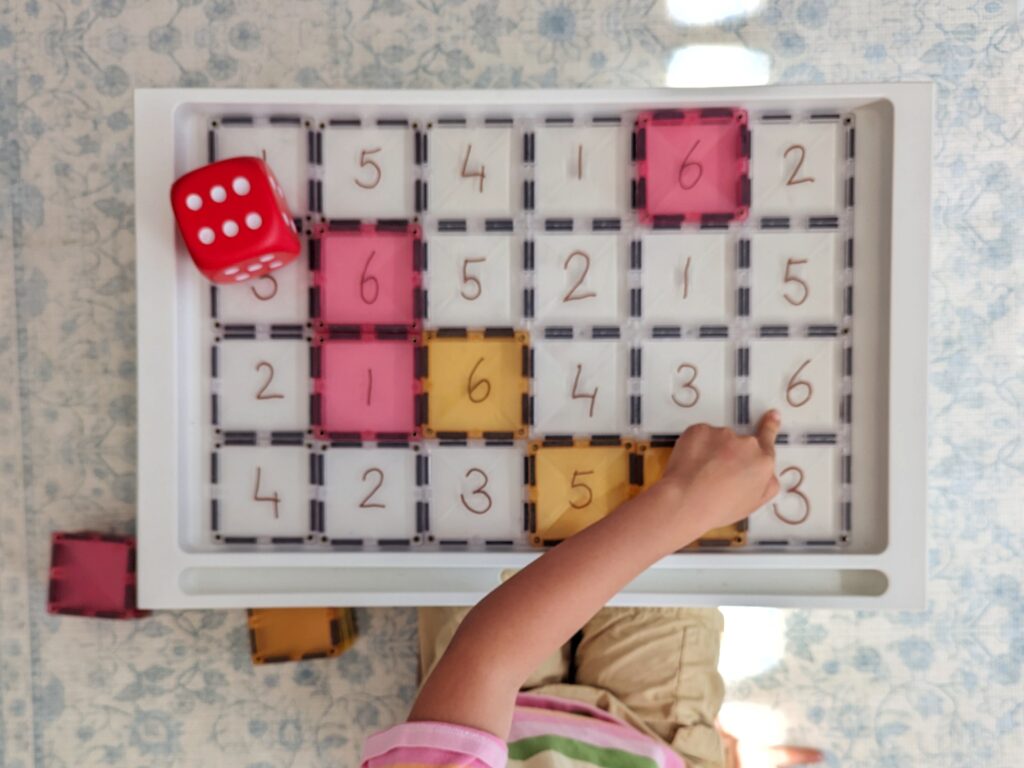
Practical tip: Play is a vehicle for integrating cognitive skills. Using CONNETIX, children can explore shapes, patterns or even basic engineering concepts.